From Memios
The Longevity Letter
Practical writing and video on living strong and active into your 90s. No hype, no supplements to sell. Just what the evidence supports and what it looks like on an ordinary Tuesday.
565 items
 Medications
Aluminium hydroxide
As an antacid, aluminium-containing products raise oesophageal pH more than placebo in people with heartburn.
2026-10-10 · 32 min read
 Medications
Ascorbic acid
The evidence is strongest for the one thing the drug is approved for: replacing vitamin C in scurvy.
2026-10-10 · 27 min read
 Medications
Beclomethasone dipropionate
Inhaled beclomethasone is one of the best-tested asthma preventers there is: a Cochrane review of 60 trials in 6542 people found clear improvements in lung function and far fewer trial withdrawals for asthma attacks against placebo, and in people on oral steroids it cut prednisolone use by about 4.91 mg a day.
2026-10-10 · 30 min read
 Medications
Benzoyl Peroxide
Limited evidence. The evidence that it helps acne is real but weaker than its ubiquity suggests.
2026-10-10 · 23 min read
 Medications
Betamethasone
What is known depends entirely on the route and the condition. The strongest evidence is for a single course injected into a pregnant woman expected to deliver preterm: Cochrane rates it high certainty that this cuts perinatal death, neonatal death and respiratory distress syndrome, with absolute reductions of roughly 2 to 4 percentage points.
2026-10-10 · 29 min read
 Medications
Brompheniramine; Dextromethorphan; Pseudoephedrine
Limited evidence. Taken as a whole, the evidence is weak and mostly about adults.
2026-10-10 · 31 min read
 Medications
Brompheniramine maleate
The literature on brompheniramine is noticeably thinner than for its siblings, and that thinness is the most honest thing to report about it.
2026-10-10 · 28 min read
 Medications
Buffered aspirin
Well established. Two separate bodies of evidence have to be kept apart here.
2026-10-10 · 40 min read
 Medications
Calcium carbonate
Disputed. Two different jobs with two different evidence bases.
2026-10-10 · 57 min read
 Medications
Camphor
For the topical cough use the human evidence is thin and comes from trials of a combination rub rather than camphor on its own.
2026-10-10 · 26 min read
 Medications
Carbaspirin calcium
Limited evidence. Pharmacologically this is aspirin delivered in a different salt.
2026-10-10 · 26 min read
 Medications
Cefuroxime
Well established. The evidence differs sharply between its approved uses.
2026-10-10 · 41 min read
 Medications
Chlorhexidine
For the use with the strongest evidence - mouthrinse added to tooth brushing - Cochrane-rated high-quality evidence shows a large reduction in dental plaque.
2026-10-10 · 20 min read
 Medications
Chlorpheniramine maleate
For hay fever it does something modest, and the modern placebo-controlled evidence for it is surprisingly scanty for a drug this old.
2026-10-10 · 35 min read
 Medications
Choline salicylate
It is a salicylate, so it blocks cyclo-oxygenase and the prostaglandins that carry pain and inflammation signals.
2026-10-10 · 29 min read
 Medications
Ciprofloxacin 0.3% / dexamethasone 0.1% otic suspension
The evidence for this product is a set of randomised trials in children with discharging ears through tympanostomy tubes and in adults and children with outer-ear infection. In those trials it cleared discharge faster than ofloxacin drops, faster than ciprofloxacin drops without the steroid, and faster than oral amoxicillin/clavulanate.
2026-10-10 · 37 min read
 Medications
Codeine; Guaifenesin
Codeine has been the standard cough medicine for decades, and the trial evidence does not support it.
2026-10-10 · 30 min read
 Medications
Dexamethasone; Neomycin; Polymyxin B
The combination exists for the situation where an eye needs a steroid and there is infection or a risk of infection. The pieces have decent evidence separately and poor evidence together.
2026-10-10 · 24 min read
 Medications
Dextromethorphan hydrobromide
Lead with the awkward part: the use most people know it for is the one with the weakest evidence.
2026-10-10 · 38 min read
 Medications
Diphenhydramine citrate
The evidence for what this drug does is lopsided: the efficacy base is old and small, and the harm base is recent and large.
2026-10-10 · 41 min read
 Medications
Diphenhydramine hydrochloride
The honest summary is that diphenhydramine does several things reliably and few of them are the things it is most used for.
2026-10-10 · 61 min read
 Medications
Diphenhydramine
It blocks histamine H1 receptors, which relieves itching, weals and nasal allergy symptoms.
2026-10-10 · 32 min read
 Medications
Doxylamine succinate
Disputed. The evidence is mixed and use-specific.
2026-10-10 · 53 min read
 Medications
Epinephrine, over-the-counter inhaled bronchodilator
Inhaled epinephrine does open the airways: the sponsor's own dose-ranging trials showed a measurable rise in FEV1 against placebo at doses above 125 mcg.
2026-10-10 · 30 min read
 Medications
Ethinyl Estradiol; Norgestrel
It prevents pregnancy, mainly by stopping ovulation. In real use about 7% of pill users become pregnant within a year; with perfect use the estimate is about 0.3%.
2026-10-10 · 40 min read
 Medications
Fluorouracil
Well established. The evidence for fluorouracil is strong but use-specific.
2026-10-10 · 33 min read
 Medications
Guanfacine
For ADHD, the evidence is reasonably strong but modest in size: pooled randomised trials put the extended-release drug's effect on ADHD symptoms at about half a standard deviation.
2026-10-10 · 24 min read
 Medications
Hydroquinone
The evidence for hydroquinone is moderate for lightening melasma and weak for everything else.
2026-10-10 · 22 min read
 Medications
Indomethacin
For the conditions it is approved for, the evidence is strongest for short-term symptom relief rather than for changing the course of disease.
2026-10-10 · 35 min read
 Medications
Lactate
The lactate in these fluids does two separate jobs: it is an alkalinising agent, because the body converts it to bicarbonate.
2026-10-10 · 30 min read
 Medications
Levalbuterol
As a bronchodilator it works: in randomised trials against placebo it improved FEV1 in adults and in children. What is disputed is the marketing premise behind it.
2026-10-10 · 23 min read
 Medications
Levmetamfetamine
The honest state of the evidence is that almost nothing has been published on whether it relieves a blocked nose.
2026-10-10 · 25 min read
 Medications
Lidocaine
As a local anaesthetic it reliably blocks nerve conduction, and that use is not in dispute.
2026-10-10 · 21 min read
 Medications
Liraglutide
Well established. For type 2 diabetes the evidence is strong and includes hard outcomes.
2026-10-10 · 34 min read
 Medications
Loratadine with pseudoephedrine
The combination is well supported for one thing: seasonal allergic rhinitis where blocked nose is part of the problem.
2026-10-10 · 35 min read
 Medications
Magnesium hydroxide
The evidence is strongest for short-term, symptomatic use, and it is thin. As a laxative it has a human dose-response trial in six volunteers with normal bowel habits showing more bowel movements.
2026-10-10 · 37 min read
 Medications
Magnesium salicylate
Limited evidence. The evidence base here is remarkably thin for a drug sold on open shelves.
2026-10-10 · 27 min read
 Medications
Menthol
Menthol's best-documented effect is on sensation rather than on airflow: the human studies here found it made the nose feel clearer while measured nasal airflow.
2026-10-10 · 34 min read
 Medications
Mometasone
Well established. The evidence is route-specific.
2026-10-10 · 30 min read
 Medications
Mycophenolate mofetil
Well established. Its approved job is preventing rejection after a kidney, heart or liver transplant.
2026-10-10 · 29 min read
 Medications
Nabumetone
It relieves the pain and inflammation of osteoarthritis and rheumatoid arthritis apparently by inhibiting prostaglandin production, as other NSAIDs do (the label states that its exact mode of action is not known).
2026-10-10 · 19 min read
 Medications
Naphazoline hydrochloride
Limited evidence. The evidence for naphazoline is thin and old.
2026-10-10 · 31 min read
 Medications
Olopatadine
Well established. It blocks histamine at the H1 receptor, which is what stops the itch.
2026-10-10 · 25 min read
 Medications
Oxymetazoline hydrochloride
It tightens blood vessels wherever it is put, and the three uses are simply three consequences of that.
2026-10-10 · 40 min read
 Medications
Penicillin V
It kills bacteria that have no penicillinase, chiefly group A, C, G, H, L and M streptococci and pneumococci, by stopping them building a cell wall.
2026-10-10 · 28 min read
 Medications
Phenazopyridine hydrochloride
The trial evidence behind it is thin. The only placebo-controlled randomised trial we could reach enrolled 60 women with acute cystitis and gave a single 200 mg dose.
2026-10-10 · 31 min read
 Medications
Pheniramine maleate
Limited evidence. The evidence base is thin and narrow, and it should be reported that way.
2026-10-10 · 32 min read
 Medications
Phenylephrine hydrochloride
For the oral route, this is one of the clearest negative evidence bases in over-the-counter medicine.
2026-10-10 · 29 min read
 Medications
Polyethylene Glycol 3350 With Electrolytes
Well established. The evidence for what it does is strong for one thing and weaker for others.
2026-10-10 · 26 min read
 Medications
Propylhexedrine
Limited evidence. As a nasal decongestant, propylhexedrine has almost no modern outcome evidence.
2026-10-10 · 25 min read
 Medications
Pseudoephedrine hydrochloride
Limited evidence. It does open a blocked nose, and the effect is real but small.
2026-10-10 · 39 min read
 Medications
Pseudoephedrine sulfate
The evidence for pseudoephedrine is real but modest. Cochrane's review of decongestants used on their own found that repeated doses gave a small improvement in how blocked people said their nose felt.
2026-10-10 · 29 min read
 Medications
Pyrilamine maleate
The honest summary is that almost no modern outcome evidence exists for pyrilamine itself.
2026-10-10 · 23 min read
 Medications
Racepinephrine hydrochloride
The hospital evidence is genuinely good and mostly modest. For croup, two systematic reviews agree it improves the croup score about half an hour after a nebulised dose and that the improvement is no longer statistically significant at two hours.
2026-10-10 · 43 min read
 Medications
Sodium bicarbonate
Disputed. The picture divides sharply by use.
2026-10-10 · 39 min read
 Medications
Sodium salicylate
Sodium salicylate is a weak cyclo-oxygenase inhibitor and, in the respiratory-challenge literature, it is described as hardly active on cyclo-oxygenase at all.
2026-10-10 · 28 min read
 Medications
Sulfacetamide; Sulfur
It is labelled for the topical control of acne vulgaris, acne rosacea and seborrheic dermatitis.
2026-10-10 · 28 min read
 Medications
Thiamine
Limited evidence. The settled part of the evidence is narrow: thiamine corrects thiamine deficiency.
2026-10-10 · 29 min read
 Medications
Triprolidine hydrochloride
The honest summary is that the evidence for triprolidine on its own is thin. It is an antihistamine, so it blocks H1-receptors and causes drowsiness.
2026-10-10 · 26 min read
 Medications
Xylometazoline hydrochloride
Xylometazoline does open a blocked nose, and this is better supported than for the older imidazolines: a placebo-controlled trial in people with a common cold showed a clear objective increase in nasal airflow.
2026-10-10 · 32 min read
 Medications
Acetaminophen, Butalbital and Caffeine
The evidence is thin and old for the one thing it is approved for, and essentially absent for the thing it is most often used for.
2026-10-03 · 28 min read
 Medications
Aciclovir
The evidence is strongest for severe herpes infections and weakest for preventing the long-term pain that can follow shingles.
2026-10-03 · 21 min read
 Medications
Adalimumab
Where randomised trials are recorded here, adalimumab produces large relative improvements.
2026-10-03 · 26 min read
 Medications
Albuterol; Ipratropium
For chronic obstructive pulmonary disease, the combination measurably opens the airways more than either component alone: in the original 85-day trial peak FEV1 rose 31-33 percent with the combination versus 24-27 percent with either single drug, and in the trial supporting the Respimat device the combination beat ipratropium alone by 47 mL of mean FEV1.
2026-10-03 · 27 min read
 Medications
Alfuzosin
Limited evidence. The evidence for the one approved use is real but modest and mostly short-term.
2026-10-03 · 34 min read
 Medications
Amiodarone
The evidence is that amiodarone suppresses arrhythmias but has not been shown to prolong life.
2026-10-03 · 29 min read
 Medications
Amlodipine; Benazepril
The evidence here is unusually good for a combination pill, because one large randomised trial compared it head to head against the alternative combination. In ACCOMPLISH (11,506 high-risk people with hypertension) benazepril plus amlodipine produced fewer cardiovascular events than benazepril plus a thiazide diuretic: 9.6% versus 11.8% over a mean 36...
2026-10-03 · 22 min read
 Medications
Anastrozole
Anastrozole lowers oestrogen to near-zero in postmenopausal women, which starves oestrogen-driven breast cancer.
2026-10-03 · 22 min read
 Medications
Atomoxetine
The randomised evidence shows a real but moderate reduction in ADHD symptoms on clinician ratings in both children and adults, smaller than amphetamines in the same network meta-analysis.
2026-10-03 · 28 min read
 Medications
Azelastine
For allergic rhinitis, azelastine nasal spray beats placebo with a number needed to treat of 5.0 (95% CI 3.3-10.0) on a global assessment of efficacy.
2026-10-03 · 27 min read
 Medications
Benazepril
Benazepril blocks the enzyme that makes angiotensin II, so blood vessels relax and the kidneys retain less salt and water; blood pressure falls.
2026-10-03 · 31 min read
 Medications
Benzonatate
Limited evidence. The evidence base for benzonatate is thin and old.
2026-10-03 · 21 min read
 Medications
Betamethasone dipropionate with clotrimazole
The antifungal half kills the dermatophyte; the steroid half suppresses the inflammation the fungus causes, which makes the rash look and feel better faster.
2026-10-03 · 35 min read
 Medications
Bisoprolol
The strongest evidence for bisoprolol is in chronic heart failure with a reduced ejection fraction.
2026-10-03 · 32 min read
 Medications
Brimonidine
As an eye drop it reduces how much aqueous humour the eye makes and increases drainage, lowering intraocular pressure by about 2 to 6 mmHg.
2026-10-03 · 28 min read
 Medications
Budesonide; Glycopyrrolate; Formoterol
The question this drug was built to answer is whether adding an inhaled steroid to two long-acting bronchodilators cuts flare-ups, and in the large trials it does.
2026-10-03 · 33 min read
 Medications
Budesonide
The evidence is strong for several specific uses and weak or negative for others, and the formulation matters more than the molecule.
2026-10-03 · 34 min read
 Medications
Bumetanide
Its established job is to shift fluid off people who are overloaded with it - swelling from heart failure, from kidney disease including the nephrotic syndrome, and from liver disease.
2026-10-03 · 28 min read
 Medications
Calcitriol
It drives calcium absorption from the gut, mobilises calcium from bone with parathyroid hormone, increases calcium reabsorption in the kidney and suppresses parathyroid hormone.
2026-10-03 · 40 min read
 Medications
Calcium
As an antacid it works, briefly: crossover trials show chewable calcium carbonate raises oesophageal and gastric pH and cuts heartburn, but the effect on gastric acidity is short-lasting.
2026-10-03 · 41 min read
 Medications
Calcium Phosphate; Cholecalciferol
Calcium is the raw material of bone and vitamin D3 is what allows it to be absorbed and what suppresses the overactive parathyroid gland that strips calcium out of bone in deficient older people.
2026-10-03 · 34 min read
 Medications
Carbamazepine
For focal (partial) seizures carbamazepine is one of the two drugs that an individual-participant network meta-analysis of 39 trials and 14,789 people places in the best group on treatment failure.
2026-10-03 · 48 min read
 Medications
Cefdinir
Cefdinir kills bacteria by blocking cell wall construction. The more interesting question is how much that helps, and the answer depends heavily on which infection. For the conditions cefdinir is approved for.
2026-10-03 · 32 min read
 Medications
Chlorthalidone
Chlorthalidone makes the kidney excrete sodium and water, which lowers blood pressure, and that lowering is one of the best-evidenced benefits in medicine.
2026-10-03 · 36 min read
 Medications
Ciclopirox
Limited evidence. It is an antifungal applied to skin, scalp or nails.
2026-10-03 · 30 min read
 Medications
Ciprofloxacin
Well established. Ciprofloxacin kills bacteria by blocking the enzymes they need to copy their DNA.
2026-10-03 · 26 min read
 Medications
Clindamycin
The evidence is strongest for short courses in bacterial skin and soft-tissue infection, where a placebo-controlled randomised trial showed it raised cure after abscess drainage.
2026-10-03 · 25 min read
 Medications
Clobetasol propionate
Topical corticosteroids reduce inflammation, itching and redness in the skin, and in a network meta-analysis of 22,028 patients potent and very potent steroids ranked at the top for plaque psoriasis.
2026-10-03 · 27 min read
 Medications
Clotrimazole
Well established. Clotrimazole treats infection where it is applied.
2026-10-03 · 26 min read
 Medications
Colchicine
Colchicine blunts the inflammatory response rather than killing anything or lowering uric acid.
2026-10-03 · 33 min read
 Medications
Cyanocobalamin
Disputed. B12 is needed to make DNA, red blood cells and the myelin sheath around nerves.
2026-10-03 · 23 min read
 Medications
Cyclosporine
Cyclosporine suppresses the immune system, and the evidence base is different for each thing it is used for.
2026-10-03 · 36 min read
 Medications
Cyproheptadine
It blocks histamine and serotonin at their receptors and has anticholinergic and sedative effects.
2026-10-03 · 37 min read
 Medications
Desvenlafaxine
Well established. For major depressive disorder in adults the evidence supports a modest effect.
2026-10-03 · 28 min read
 Medications
Dexamethasone
Well established. What the evidence actually shows depends entirely on which condition is being treated.
2026-10-03 · 41 min read
 Medications
Dexlansoprazole
The evidence is strongest for healing and keeping healed the acid-damaged oesophagus (erosive esophagitis) and for reducing heartburn in reflux disease.
2026-10-03 · 29 min read
 Medications
Dexmethylphenidate
Short-term randomised trials show a clear reduction in ADHD symptom scores against placebo.
2026-10-03 · 35 min read
 Medications
Dextroamphetamine
The evidence for dextroamphetamine and the wider amphetamine class is strongest, and almost entirely confined to.
2026-10-03 · 40 min read
 Medications
Dextromethorphan hydrobromide with promethazine hydrochloride
It is sold to quieten a cough and dry up cold and allergy symptoms. The evidence for the cough-suppressing part is weak and, in children.
2026-10-03 · 35 min read
 Medications
Diazepam
Well established. The evidence is strongest and shortest-term.
2026-10-03 · 23 min read
 Medications
Dicyclomine
Dicyclomine is approved in the United States for one thing only: functional bowel or irritable bowel syndrome.
2026-10-03 · 29 min read
 Medications
Docusate
The claim is that it draws water and fat into the stool so the stool softens and straining eases.
2026-10-03 · 39 min read
 Medications
Donepezil
Donepezil produces small, measurable improvements in cognition and day-to-day function in Alzheimer's dementia that do not change the course of the disease.
2026-10-03 · 29 min read
 Medications
Dorzolamide
Dorzolamide reliably lowers eye pressure, and the question the literature actually answers is by how much and whether that translates into saved sight.
2026-10-03 · 27 min read
 Medications
Dorzolamide; Timolol
The evidence that this drop lowers intraocular pressure is strong and consistent; the evidence that lowering pressure with these particular drugs preserves vision is weaker and partly negative.
2026-10-03 · 30 min read
 Medications
Doxazosin
Doxazosin works for prostate symptoms and lowers blood pressure, but the outcome evidence splits sharply between those two uses.
2026-10-03 · 24 min read
 Medications
Drospirenone and ethinyl estradiol
The evidence that it prevents pregnancy is strong, and the trial Pearl Index for the 3 mg/0.02 mg product was 1.41 pregnancies per 100 woman-years.
2026-10-03 · 44 min read
 Medications
Dupilumab
Dupilumab has unusually consistent placebo-controlled evidence across several conditions, each with its own pivotal trial.
2026-10-03 · 31 min read
 Medications
Emtricitabine; Tenofovir disoproxil fumarate
For treatment, this backbone outperformed the older zidovudine-lamivudine backbone: 84% versus 73% reached viral suppression below 400 copies/mL at 48 weeks.
2026-10-03 · 25 min read
 Medications
Enalapril
Well established. The evidence for enalapril is unusually strong in one setting and weak in another.
2026-10-03 · 20 min read
 Medications
Epinephrine
For anaphylaxis, the evidence base is almost entirely observational and the sources say so plainly.
2026-10-03 · 35 min read
 Medications
Esomeprazole
The strongest evidence is for healing acid-damaged oesophagus: in randomised endoscopy-controlled trials about 93 out of 100 people with erosive oesophagitis have their erosions healed after 8 weeks on esomeprazole 40 mg daily.
2026-10-03 · 26 min read
 Medications
Ethinyl estradiol with etonogestrel
Well established. It prevents pregnancy.
2026-10-03 · 25 min read
 Medications
Ethinyl estradiol with levonorgestrel
Its approved job is to prevent pregnancy, mainly by stopping ovulation. Perfect use is very effective and typical use much less so: Trussell's US estimates put first-year pregnancy at 0.3% with perfect use and 9% with typical use.
2026-10-03 · 32 min read
 Medications
Ethinyl Estradiol; Norelgestromin
Well established. As contraception it works about as well as a pill when used as directed.
2026-10-03 · 25 min read
 Medications
Evolocumab
It lowers LDL cholesterol by around 59 to 63% on top of a statin. In FOURIER, the 27,564-patient outcome trial.
2026-10-03 · 23 min read
 Medications
Fexofenadine
The evidence that fexofenadine relieves hay fever symptoms is solid: a meta-analysis of eight placebo-controlled trials in over 3,500 people found a significant reduction in total symptom scores with no excess of side effects.
2026-10-03 · 33 min read
 Medications
Flecainide acetate
Disputed. For rhythm control it works.
2026-10-03 · 29 min read
 Medications
Fluconazole
Well established. Fluconazole treats infections caused by yeasts, mainly Candida and Cryptococcus.
2026-10-03 · 35 min read
 Supplements
Fluoride supplements
The state of the evidence: the Cochrane review of fluoride supplements found a benefit in the permanent teeth of school-age children compared with no supplement.
2026-10-03 · 18 min read
 Medications
Fluticasone furoate with vilanterol
For COPD with a history of exacerbations the pragmatic Salford Lung Study found an 8.4% lower exacerbation rate than continuing usual care over a year.
2026-10-03 · 39 min read
 Medications
Glimepiride
Glimepiride makes the pancreas release insulin whether or not blood glucose is high, and that single fact explains both its strength and its main danger.
2026-10-03 · 29 min read
 Supplements
Guggul
Disputed. The state of the evidence: it is genuinely split.
2026-10-03 · 16 min read
 Medications
Hydralazine
Disputed. The outcome evidence is split by what it is used for.
2026-10-03 · 23 min read
 Medications
Hydrochlorothiazide; Triamterene
Thiazide diuretics have high-quality randomised evidence that they lower blood pressure and reduce death.
2026-10-03 · 35 min read
 Medications
Hydrocortisone
Well established. The uses split into two very different evidence bases.
2026-10-03 · 40 min read
 Medications
Hydroxychloroquine
Well established. In lupus the evidence is good.
2026-10-03 · 32 min read
 Medications
Insulin degludec
Degludec lowers blood glucose the way the body's own insulin does, by pushing glucose into muscle and fat and switching off glucose production by the liver.
2026-10-03 · 21 min read
 Medications
Insulin Detemir
What is well established is that it lowers blood glucose, and that in randomised trials it reaches the same HbA1c as NPH insulin while causing less hypoglycaemia - particularly overnight - and less weight gain. What is not established is any effect on the things people care about most. The Cochrane review of long-acting analogues against NPH rated the...
2026-10-03 · 26 min read
 Medications
Insulin human with insulin isophane human
Insulin lowers blood glucose by driving glucose into muscle and fat and shutting off the liver's glucose output.
2026-10-03 · 39 min read
 Medications
Insulin Isophane
Insulin replaces or supplements the body's own insulin, lowering blood glucose by pushing glucose into muscle and fat and switching off glucose production by the liver.
2026-10-03 · 30 min read
 Medications
Ipratropium bromide
Inhaled, it blocks the vagal nerve signal that keeps airway muscle partly contracted, so the airway widens.
2026-10-03 · 37 min read
 Medications
Irbesartan
Well established. The strongest evidence is for the kidney.
2026-10-03 · 30 min read
 Medications
Isosorbide
Both are vasodilators: they release nitric oxide, which relaxes the smooth muscle in blood vessels, mainly veins, so less blood returns to the heart and the heart has less work to do.
2026-10-03 · 49 min read
 Medications
Ketoconazole
Ketoconazole kills fungi by blocking the enzyme that converts lanosterol to ergosterol, so the fungal cell membrane fails.
2026-10-03 · 30 min read
 Medications
Ketorolac tromethamine
For short-term severe acute pain the evidence is reasonably good: pooled single-dose trials give a number-needed-to-treat of about 3 for at least half the pain relieved.
2026-10-03 · 25 min read
 Medications
Labetalol hydrochloride
For lowering blood pressure it works, and the label documents the dose-response in detail.
2026-10-03 · 41 min read
 Medications
Lansoprazole
Lansoprazole reliably cuts stomach acid, and the randomised evidence for healing damaged oesophagus and preventing ulcers is strong and quantified: 8-week healing rate ratio 1.62 (95% CI 1.46-1.76) against ranitidine.
2026-10-03 · 37 min read
 Medications
Letrozole
Well established. In postmenopausal breast cancer the evidence is strong and quantified.
2026-10-03 · 32 min read
 Medications
Levetiracetam
It reduces seizures, and the evidence for that in drug-resistant focal epilepsy as an add-on is solid: in the pivotal placebo-controlled trials it cut weekly partial seizure frequency by 26.1% to 30.1% over placebo.
2026-10-03 · 30 min read
 Medications
Levocetirizine
Randomised placebo-controlled trials show levocetirizine reduces nasal and eye symptoms in allergic rhinitis and reduces itch in chronic idiopathic urticaria.
2026-10-03 · 34 min read
 Medications
Levofloxacin
Levofloxacin kills bacteria, and for several respiratory and urinary infections trial evidence is consistent with benefit.
2026-10-03 · 40 min read
 Medications
Linaclotide
Well established. It makes the bowel wetter and faster.
2026-10-03 · 43 min read
 Medications
Liothyronine sodium
T3 is the form of thyroid hormone that actually acts on cells, so giving it works biochemically: trials consistently show higher blood T3 and lower T4.
2026-10-03 · 27 min read
 Medications
Lithium
Lithium is the oldest mood stabiliser and still the one with the most consistent long-term randomised evidence.
2026-10-03 · 27 min read
 Medications
Loperamide hydrochloride
The evidence is strongest for shortening an episode of acute diarrhoea and for reducing stool frequency.
2026-10-03 · 51 min read
 Medications
Lovastatin
Lovastatin lowers LDL cholesterol by about a quarter at 20 to 40 mg a day, and the trial evidence that this prevents heart attacks is strong but has to be read separately for people who have and have not already had cardiovascular disease.
2026-10-03 · 37 min read
 Medications
Magnesium salts used as medicines
Well established. Magnesium does three quite separate things depending on the salt and the route.
2026-10-03 · 28 min read
 Medications
Meclizine hydrochloride
The honest summary is that the evidence is thin and mostly about the drug class rather than meclizine itself.
2026-10-03 · 24 min read
 Medications
Medroxyprogesterone acetate
The depot injection prevents pregnancy very reliably, with a 12-month failure rate of zero to 0.7 in five company studies, by stopping the hormone surge that releases an egg.
2026-10-03 · 85 min read
 Medications
Melatonin
Melatonin is a body-clock signal, not a sedative, and the measured effects on sleep are small.
2026-10-03 · 27 min read
 Medications
Memantine
Across high-certainty evidence from around 3,700 participants, memantine produces a small benefit in moderate-to-severe Alzheimer's disease - about 3.11 points on a 100-point cognitive scale over six months - and the reviewers themselves note that effect sizes in this field may be smaller than the minimum clinically important difference.
2026-10-03 · 21 min read
 Medications
Mesalamine
The evidence is strongest, and of high certainty, for ulcerative colitis: oral 5-ASA beats placebo both for getting mild-to-moderate disease into remission and for keeping it there.
2026-10-03 · 23 min read
 Medications
Methotrexate
For rheumatoid arthritis the evidence is reasonably strong and reasonably well quantified: a Cochrane review of 7 placebo-controlled trials (732 people) found about 15 more people in 100 reached a major response (ACR50) on methotrexate than on placebo at 52 weeks.
2026-10-03 · 36 min read
 Medications
Methylprednisolone
The evidence is strong that methylprednisolone suppresses inflammation and immune responses, and that this helps in some specific situations and harms in others.
2026-10-03 · 31 min read
 Medications
Metoclopramide
It moves the stomach along and settles nausea, and the evidence is stronger for the nausea than for the stomach.
2026-10-03 · 50 min read
 Medications
Metronidazole
The evidence is strongest for the infections it is licensed to treat: a randomised trial in 623 women found 7 days of metronidazole cleared Trichomonas vaginalis better than a single 2 g dose.
2026-10-03 · 29 min read
 Medications
Mirabegron
In three 12-week placebo-controlled trials the absolute effect is small and measurable: about 0.3 to 0.4 fewer wetting episodes and about 0.4 to 0.6 fewer trips to the toilet per 24 hours than placebo.
2026-10-03 · 41 min read
 Medications
Morphine
Morphine reliably relieves moderate to severe cancer pain: across 62 trials pooled by Cochrane, 96% of individually reported participants reached no worse than mild pain.
2026-10-03 · 25 min read
 Medications
Moxifloxacin
For community-acquired pneumonia, meta-analyses of randomised trials put moxifloxacin on a level with beta-lactam-based standard therapy for cure and for death.
2026-10-03 · 27 min read
 Medications
Mupirocin
For the one thing it is approved to treat on the skin — impetigo — the evidence is good: a Cochrane review of 68 randomised trials found topical antibiotics cured impetigo about twice as often as placebo.
2026-10-03 · 22 min read
 Medications
Nebivolol
It lowers blood pressure about as well as other common classes, and that is the extent of what has been shown for it.
2026-10-03 · 22 min read
 Medications
Nifedipine
Well established. Nifedipine lowers blood pressure and relieves angina caused by coronary artery spasm.
2026-10-03 · 26 min read
 Medications
Nirmatrelvir; Ritonavir
In the trial that led to approval, EPIC-HR, unvaccinated adults at high risk who started the drug within three days of symptoms had a 0.77% rate of COVID-19 hospitalisation or death by day 28 versus 7.01% on placebo - an absolute difference of 6.32 percentage points.
2026-10-03 · 22 min read
 Medications
Nitrofurantoin
Well established. For simple bladder infection in women the evidence is good.
2026-10-03 · 41 min read
 Medications
Nitroglycerin
The honest summary is that nitroglycerin is a reliable symptom reliever and a poor outcome drug.
2026-10-03 · 33 min read
 Medications
Norethindrone
For contraception the evidence is reasonably solid: a 2023 review of 54 studies found a median typical-use Pearl Index of 1.63 pregnancies per 100 woman-years for progestin-only pills.
2026-10-03 · 23 min read
 Medications
Nortriptyline
Well established. Approved only for depression, nortriptyline is used far more widely than that.
2026-10-03 · 28 min read
 Medications
Nystatin
Nystatin kills Candida on contact with the surfaces it touches, and its evidence is correspondingly local and uneven. A systematic review found nystatin pastilles clearly better than placebo for denture-associated candidiasis.
2026-10-03 · 27 min read
 Medications
Ofloxacin
Ofloxacin clears common bacterial infections: in a 688-patient randomised trial in women with uncomplicated cystitis a 3-day course eradicated the organism in 97% and achieved clinical success in 96%.
2026-10-03 · 36 min read
 Medications
Olanzapine
It reduces the symptoms of psychosis and mania, and the randomised evidence for that is strong.
2026-10-03 · 27 min read
 Medications
Omega-3-acid ethyl esters
The approved use is narrow and the evidence for it is clean: in two small randomised trials.
2026-10-03 · 39 min read
 Medications
Oseltamivir
The question of what oseltamivir actually achieves is one of the most publicly fought-over in modern drug evidence, because for years most of the trial data sat unpublished with the manufacturer.
2026-10-03 · 31 min read
 Medications
Oxcarbazepine
Oxcarbazepine's active metabolite blocks voltage-sensitive sodium channels, which stops over-excitable nerve membranes firing repeatedly.
2026-10-03 · 42 min read
 Medications
Oxybutynin
For an overactive bladder, systematic reviews of randomised trials find that antimuscarinics including oxybutynin produce real but small average improvements in leakage and urinary frequency compared with placebo.
2026-10-03 · 24 min read
 Medications
Pancrelipase
For people whose pancreas cannot produce enough digestive enzymes, pancrelipase measurably restores fat and protein absorption. In cystic fibrosis trials.
2026-10-03 · 46 min read
 Medications
Phentermine
Limited evidence. Phentermine produces modest short-term weight loss on top of diet.
2026-10-03 · 29 min read
 Medications
Pioglitazone
Pioglitazone makes muscle, fat and liver tissue more responsive to the insulin a person already makes, which lowers blood glucose.
2026-10-03 · 27 min read
 Medications
Polyethylene Glycol 3350
Well established. The evidence here is consistent in direction but weak in quality.
2026-10-03 · 29 min read
 Medications
Polymyxin B sulfate and trimethoprim
Limited evidence. The evidence base specific to this combination is thin and old.
2026-10-03 · 26 min read
 Medications
Pramipexole
For Parkinson's disease, trials show it improves motor symptoms and, started before levodopa, delays motor complications.
2026-10-03 · 35 min read
 Medications
Prazosin
Prazosin relaxes small arteries by blocking alpha-1 receptors, lowering blood pressure by a modest amount: a Cochrane review of alpha blockers put the best estimate at -8/-5 mmHg and said even that is likely an overestimate.
2026-10-03 · 19 min read
 Medications
Progesterone
Disputed. The evidence is strongest for two things.
2026-10-03 · 23 min read
 Medications
Promethazine
Limited evidence. The evidence is thin for a drug this old.
2026-10-03 · 34 min read
 Medications
Ramipril
Ramipril lowers blood pressure and, in two large placebo-controlled outcome trials, lowered the risk of dying.
2026-10-03 · 46 min read
 Medications
Rimegepant
The strongest evidence is for stopping a single migraine attack: in placebo-controlled trials about one in five people were pain-free two hours after a 75 mg dose, compared with about one in ten on placebo.
2026-10-03 · 26 min read
 Medications
Risperidone
Risperidone reliably reduces the symptoms of acute psychosis and reduces relapse when continued.
2026-10-03 · 36 min read
 Medications
Rizatriptan
The evidence is that rizatriptan shortens an individual migraine attack; it does not prevent migraine.
2026-10-03 · 26 min read
 Medications
Ropinirole
Well established. The evidence is strongest for two things and weaker than most people assume for a third.
2026-10-03 · 29 min read
 Medications
Sacubitril; Valsartan
Well established. The evidence is strong for one specific situation and weak or absent for the others.
2026-10-03 · 19 min read
 Medications
Senna; Docusate
Limited evidence. The two halves have very different evidence.
2026-10-03 · 41 min read
 Medications
Sildenafil
For erectile dysfunction the evidence is strong and comes from many randomised placebo-controlled trials pooled in a systematic review: sildenafil raises the proportion of intercourse attempts that succeed.
2026-10-03 · 29 min read
 Supplements
Silicon
Limited evidence. The human evidence is limited and mostly indirect.
2026-10-03 · 16 min read
 Medications
Sitagliptin
The evidence is that sitagliptin lowers blood sugar modestly and does not change the risk of heart attack, stroke or death.
2026-10-03 · 29 min read
 Medications
Sodium Fluoride
For preventing tooth decay the evidence is strong and quantified at the low end of exposure, and it gets contested as exposure rises.
2026-10-03 · 35 min read
 Supplements
Sodium
The state of the evidence: how much sodium people eat is one of the most heavily trialled questions in nutrition, and reducing it lowers blood pressure by a small but reproducible amount.
2026-10-03 · 14 min read
 Medications
Sodium Salts
Disputed. What the evidence shows depends entirely on which salt and which use.
2026-10-03 · 41 min read
 Medications
Solifenacin succinate
Well established. The randomised evidence shows a real but modest effect.
2026-10-03 · 34 min read
 Supplements
Strontium
Almost everything known about strontium and fractures comes from one prescription drug, strontium ranelate, at 2 g a day - not from the citrate salt sold as a supplement.
2026-10-03 · 20 min read
 Medications
Sulfamethoxazole and trimethoprim
Well established. It kills bacteria by blocking two consecutive steps in folate synthesis.
2026-10-03 · 33 min read
 Medications
Tacrolimus
For transplantation, the evidence is strong: a meta-analysis of 30 randomised trials in 4,102 kidney transplant recipients found tacrolimus better than ciclosporin at preventing graft loss and acute rejection.
2026-10-03 · 28 min read
 Medications
Tadalafil
Tadalafil does not create arousal; it amplifies a signal that only appears when nitric oxide is already being released.
2026-10-03 · 23 min read
 Medications
Telmisartan
The evidence is strongest for what telmisartan does to blood pressure: placebo-controlled trials show falls of roughly 6 to 13 mmHg systolic depending on dose.
2026-10-03 · 29 min read
 Medications
Terazosin
For urinary symptoms of an enlarged prostate the evidence is solid and the effect is symptomatic, not disease-modifying.
2026-10-03 · 39 min read
 Medications
Terbinafine
For nail infection, Cochrane rates the evidence as high quality: oral terbinafine was six times more likely than placebo to achieve clinical cure, and it probably beats the azoles with the same risk of side effects.
2026-10-03 · 25 min read
 Medications
Ticagrelor
Well established. The evidence for ticagrelor is unusually large and splits sharply by who is taking it.
2026-10-03 · 51 min read
 Medications
Timolol
For the eye, the evidence is strongest for what timolol measurably does - it lowers intraocular pressure - and much weaker for the outcome people care about, preserved sight.
2026-10-03 · 27 min read
 Medications
Tiotropium
It opens the airways by blocking muscarinic receptors on airway smooth muscle, and the block lasts more than 24 hours, which is why it is a once-daily drug.
2026-10-03 · 36 min read
 Medications
Torsemide
The evidence is strongest for what torsemide does to the kidney and weakest for whether choosing it over the older loop diuretic furosemide changes how long people live.
2026-10-03 · 28 min read
 Medications
Tretinoin
For topical use the evidence is good that tretinoin clears acne: a network meta-analysis of 35 trials in 33,472 people found every single topical agent except tazarotene beat placebo for lesion counts.
2026-10-03 · 30 min read
 Medications
Ubrogepant
For the one thing it is approved for — stopping an individual migraine attack in adults — two large randomised placebo-controlled trials show a real but modest effect: roughly 7 extra people in 100 pain-free at two hours compared with placebo, and roughly 11 extra per 100 free of their most troublesome symptom.
2026-10-03 · 30 min read
 Medications
Valproate
Well established. The evidence is good that it works and equally good that it is dangerous in pregnancy.
2026-10-03 · 27 min read
 Supplements
Vanadium
Not supported by the research. The evidence does not support vanadium supplements for blood sugar control.
2026-10-03 · 16 min read
 Medications
Verapamil
It lowers blood pressure, relieves angina and slows a fast heart rhythm; what the outcome trials add is how that compares with alternatives.
2026-10-03 · 25 min read
 Supplements
Açaí
Lead with the evidence, not the marketing: NCCIH states there is not enough reliable evidence to say acai helps with any specific health condition.
2026-09-30 · 9 min read
 Supplements
Acerola cherry
Almost everything acerola is claimed to do rests on its vitamin C. Human evidence on acerola itself is limited: a 2026 review calls it limited.
2026-09-30 · 9 min read
 Medications
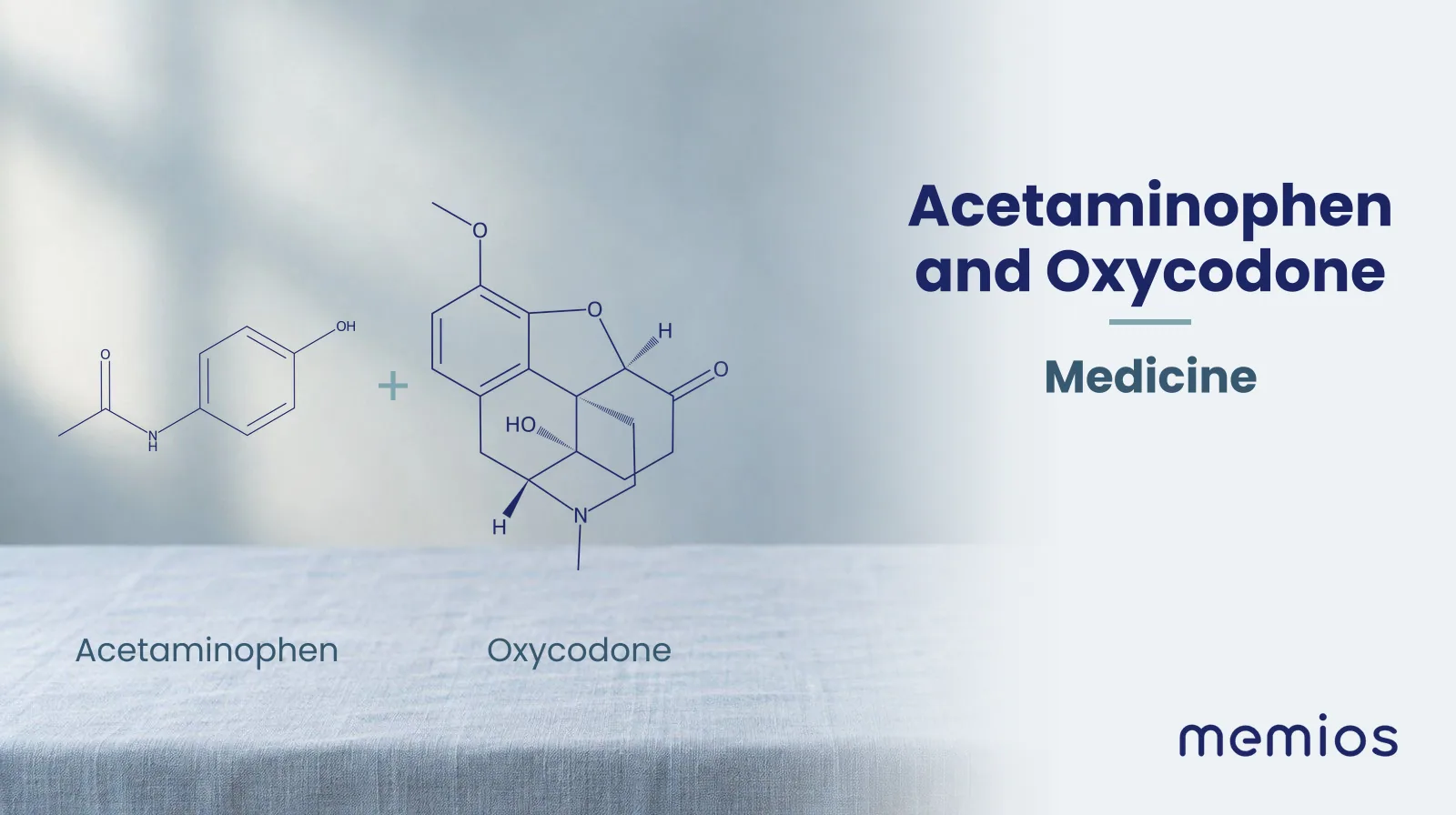
Acetaminophen and Oxycodone
For a single dose of acute pain after surgery, the combination is genuinely effective and better than oxycodone alone: a Cochrane review put the number needed to treat for at least half pain relief at 2.7 for oxycodone 10 mg plus paracetamol 650 mg, against 4.6 for oxycodone 15 mg alone.
2026-09-30 · 21 min read
 Medications
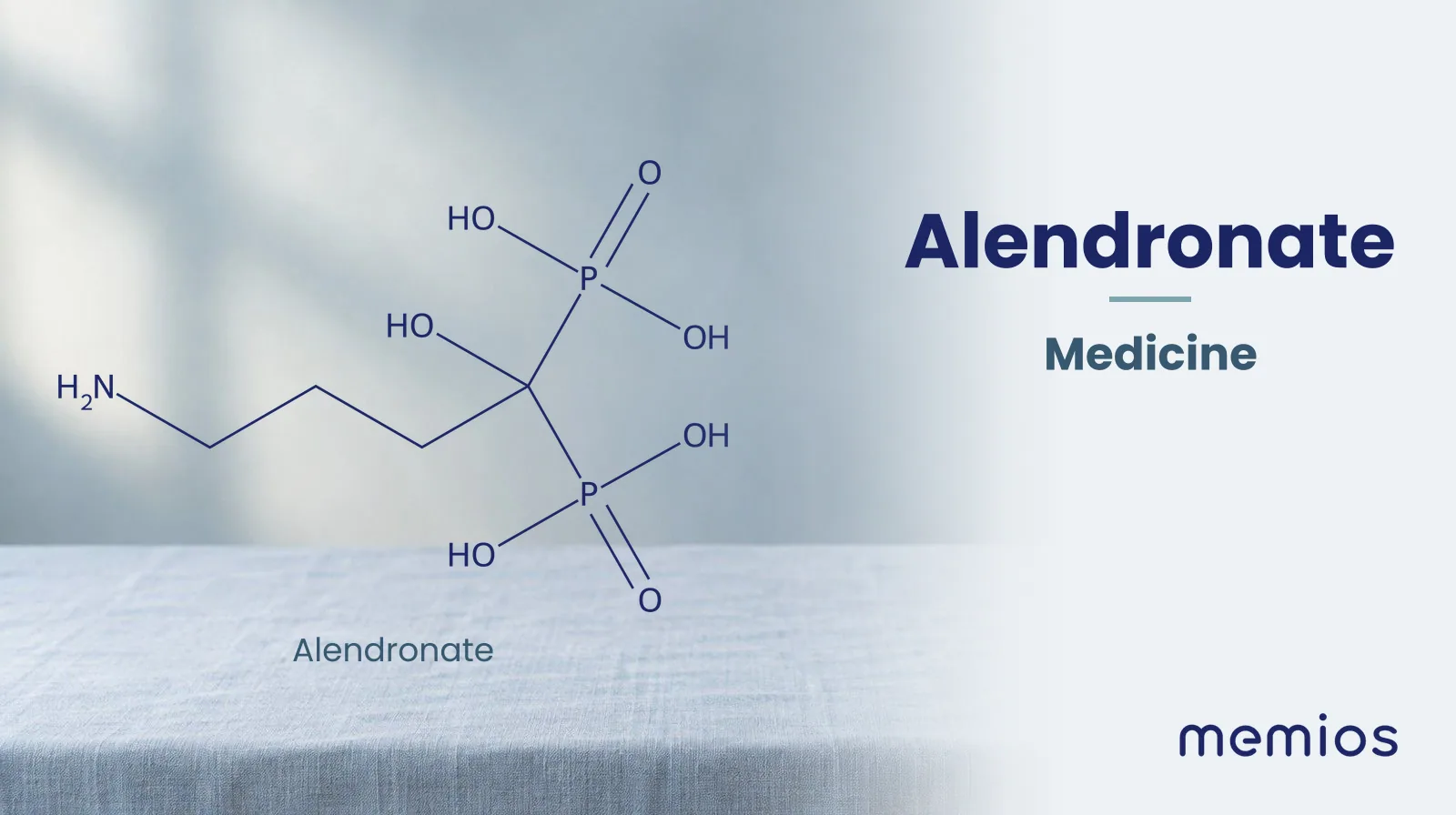
Alendronate
Well established. For postmenopausal women who already have low bone density or a previous fracture.
2026-09-30 · 25 min read
 Supplements
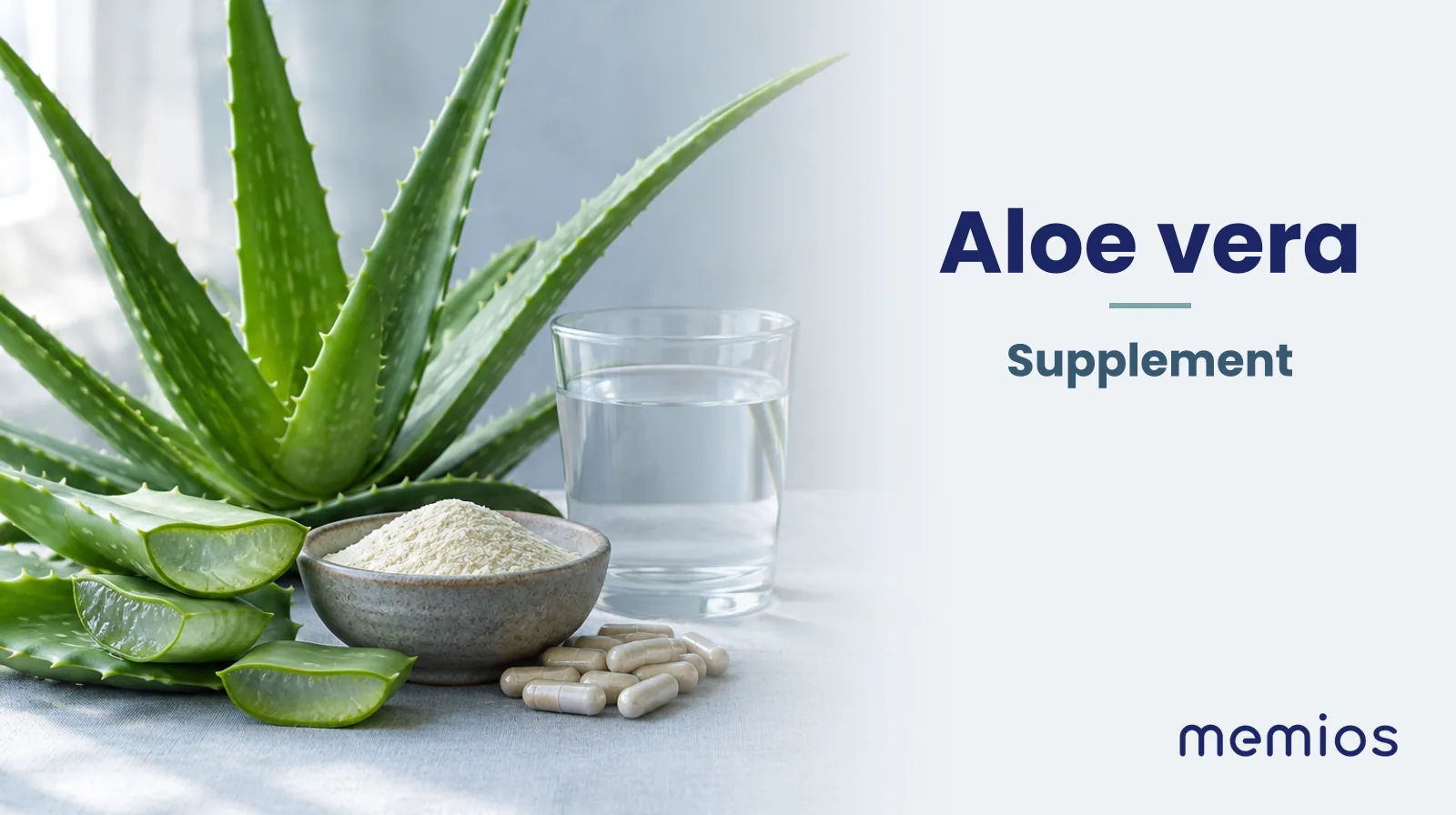
Aloe vera
The honest summary is that oral aloe vera has been studied for far more conditions than it has been shown to help. The clearest human signal is a small meta-analysis of three placebo-controlled trials in irritable bowel syndrome (151 people in total), which found a modest improvement in symptom scores.
2026-09-30 · 14 min read
 Supplements
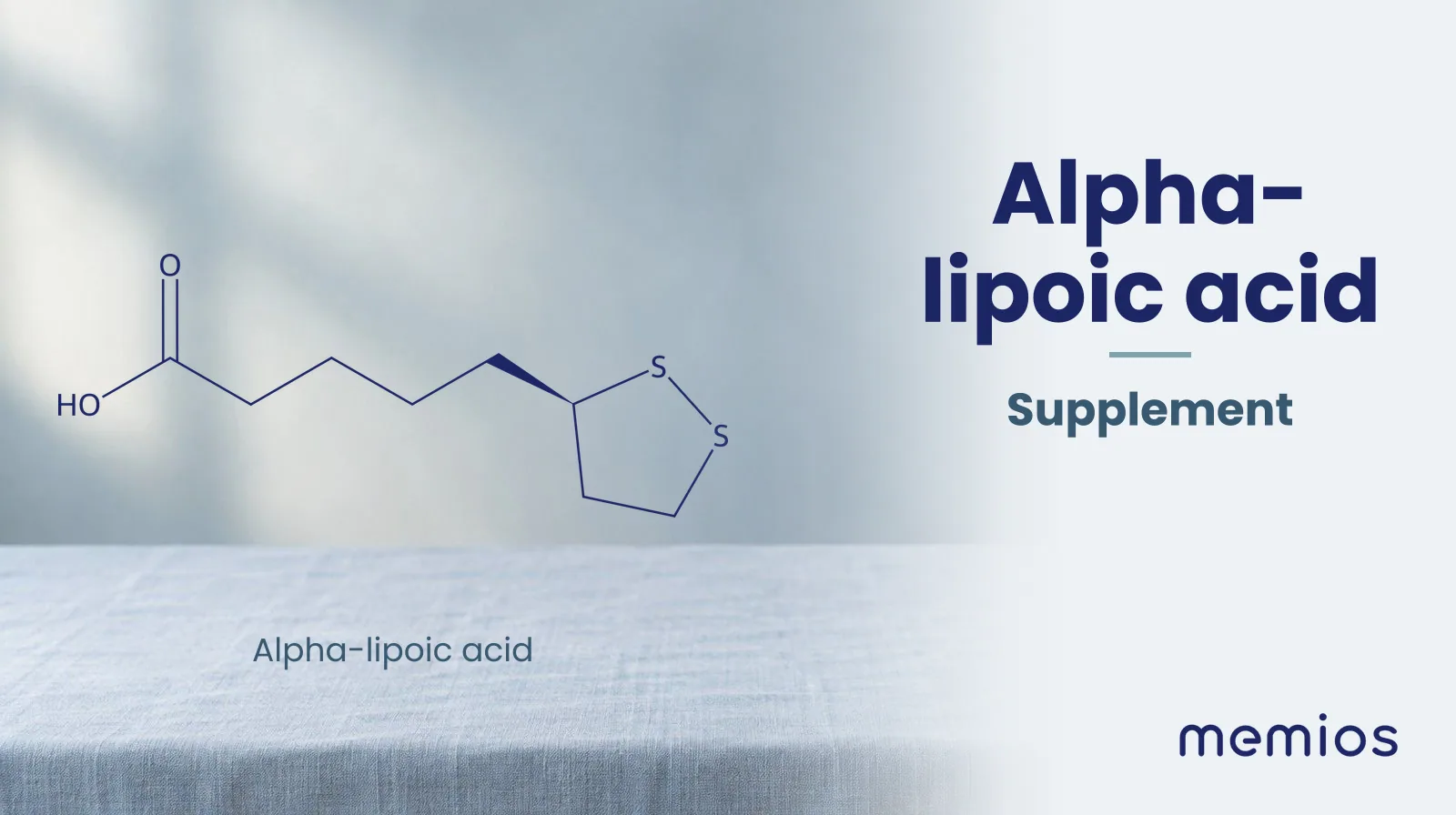
Alpha-lipoic acid
The claim most often made is that it treats diabetic nerve pain. The 2024 Cochrane review of three randomised trials in 816 adults concluded that alpha-lipoic acid probably has little or no effect on neuropathy symptoms at six months.
2026-09-30 · 13 min read
 Medications
Alprazolam
Cochrane's review of benzodiazepines against placebo in panic disorder found a clear short-term advantage (response RR 1.65) but rated the evidence low quality.
2026-09-30 · 25 min read
 Medications
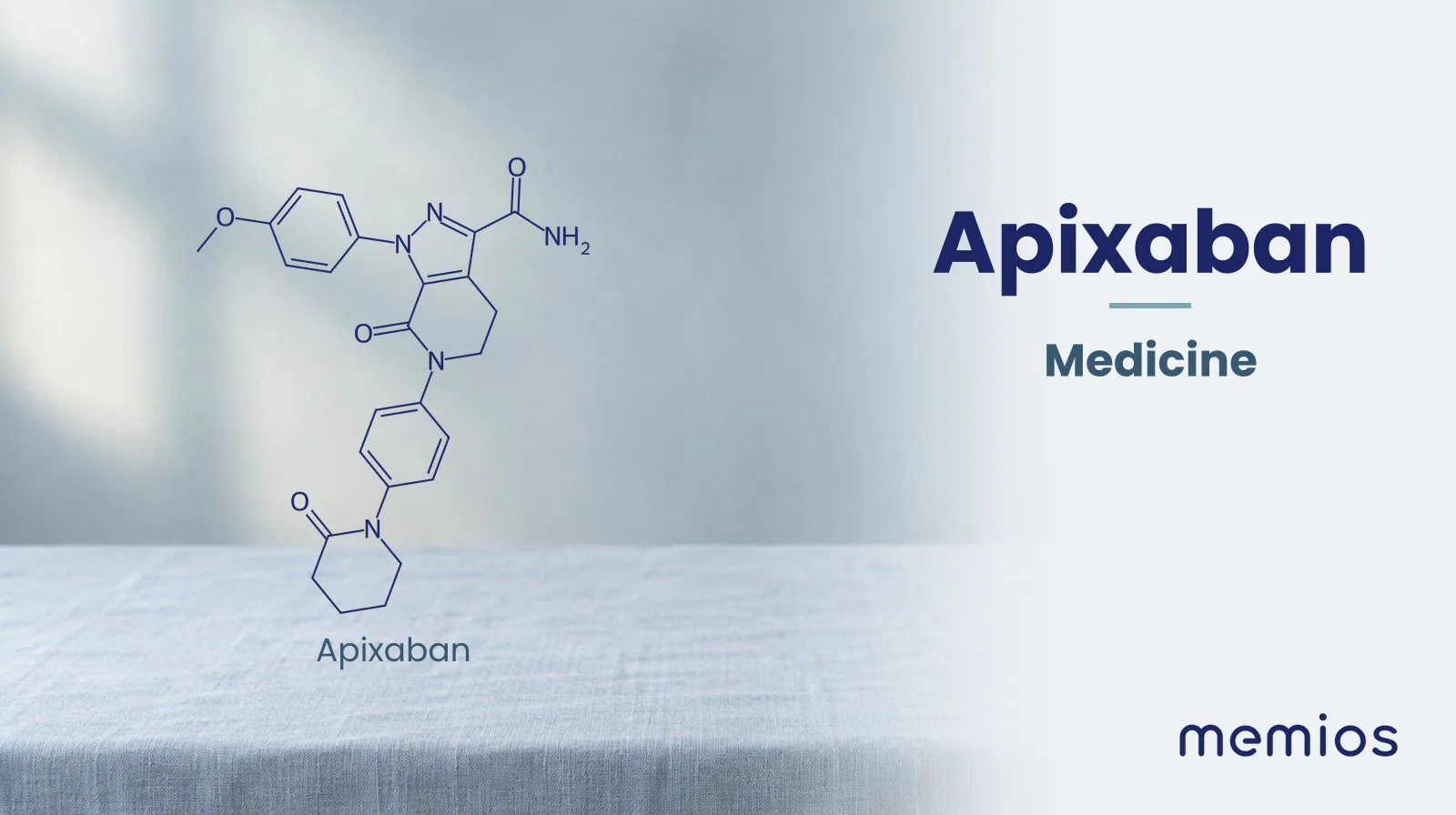
Apixaban
Large randomised trials show apixaban lowers stroke and systemic embolism in atrial fibrillation compared with warfarin (ARISTOTLE) and aspirin (AVERROES).
2026-09-30 · 13 min read
 Medications
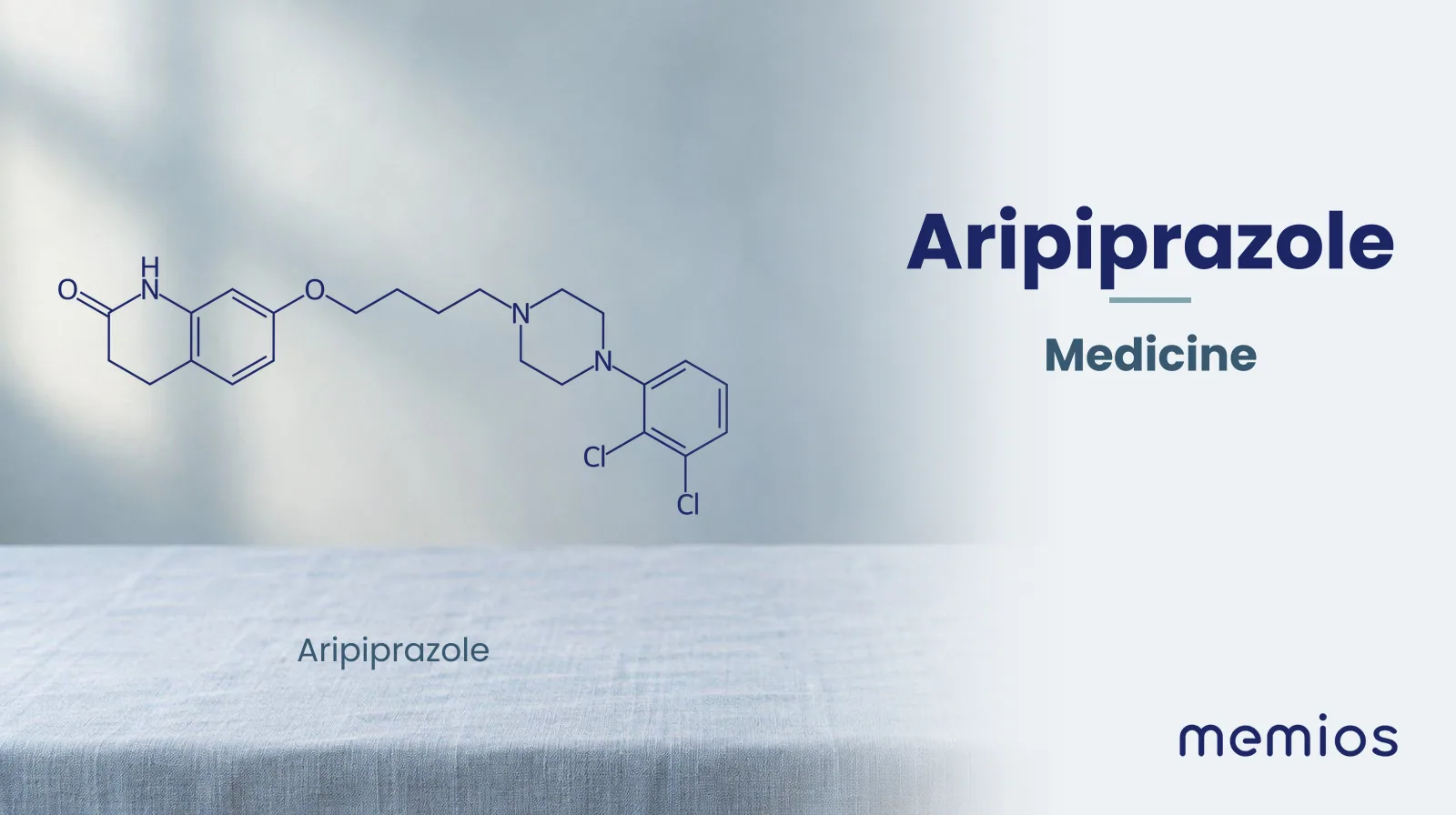
Aripiprazole
Well established. Aripiprazole reduces psychotic and manic symptoms and adds modestly to antidepressants.
2026-09-30 · 22 min read
 Supplements
Banaba
Limited evidence. Banaba is sold for blood sugar and metabolic syndrome.
2026-09-30 · 9 min read
 Supplements
Beetroot and dietary nitrate
Meta-analyses back a real but modest fall in systolic blood pressure: about 4.4 mmHg in Siervo 2013 (16 short crossover trials, 254 people) and about 5 mmHg in people with hypertension (moderate-certainty GRADE).
2026-09-30 · 11 min read
 Supplements
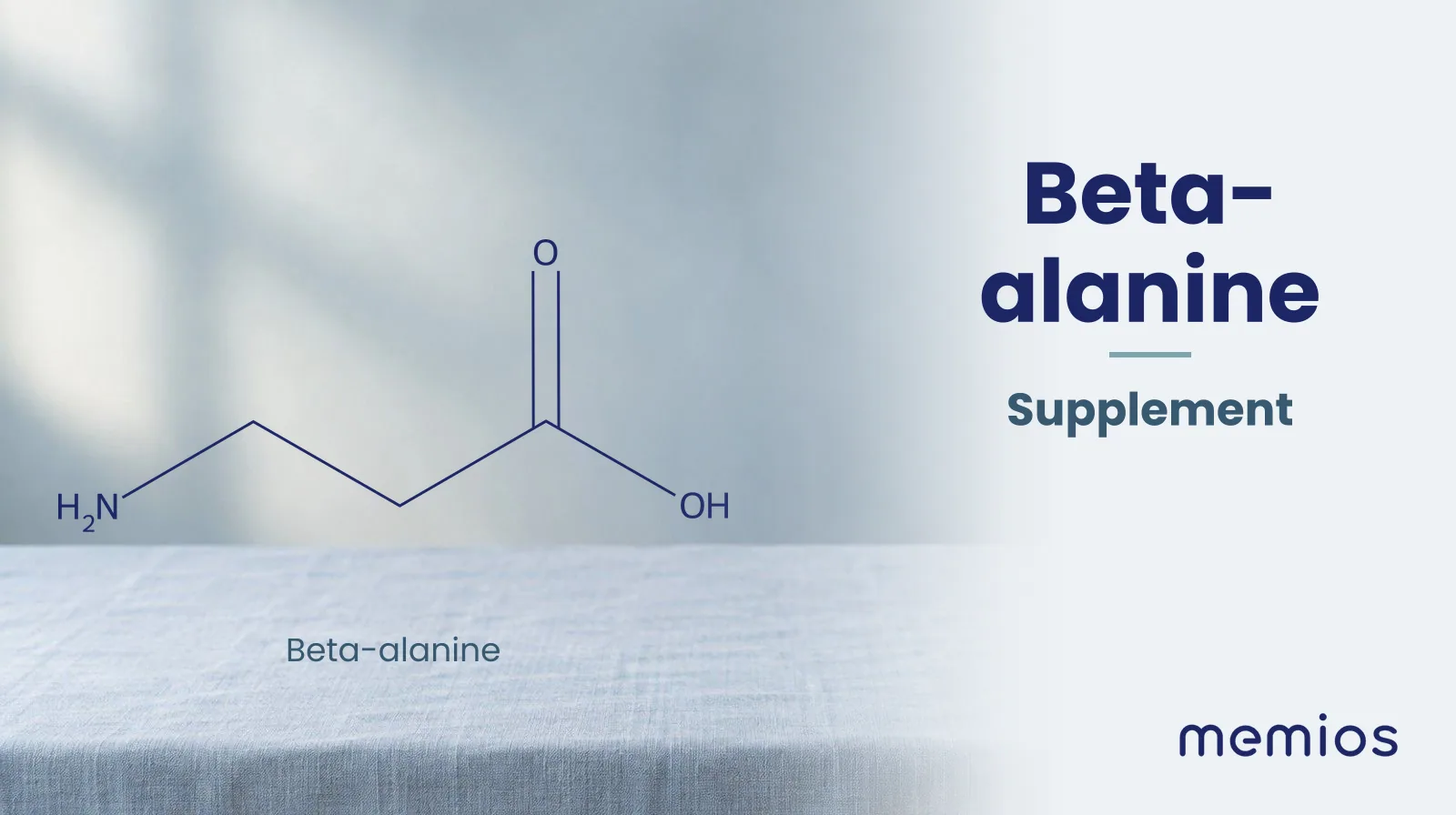
Beta-alanine
Supplementation raises muscle carnosine, and pooled trials show a small ergogenic effect: a meta-analysis of 40 placebo-controlled studies in 1,461 participants found an overall effect size of 0.18 (95% CI 0.08 to 0.28), largest for exercise capacity in efforts of about half a minute to ten minutes.
2026-09-30 · 17 min read
 Supplements
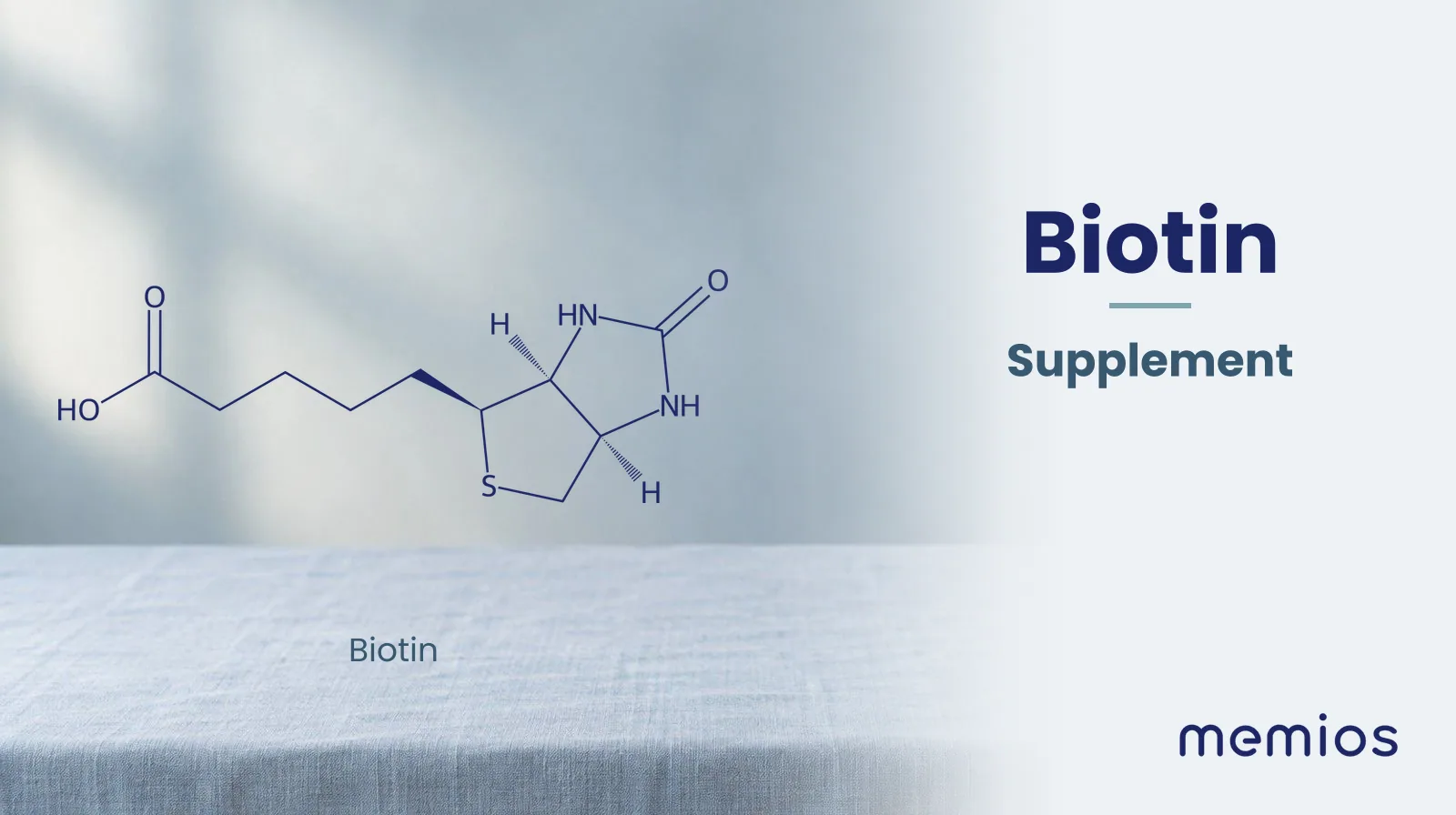
Biotin
Biotin is essential, and true deficiency causes hair thinning, rash and neurological symptoms. But the popular claim that biotin supplements improve hair.
2026-09-30 · 10 min read
 Supplements
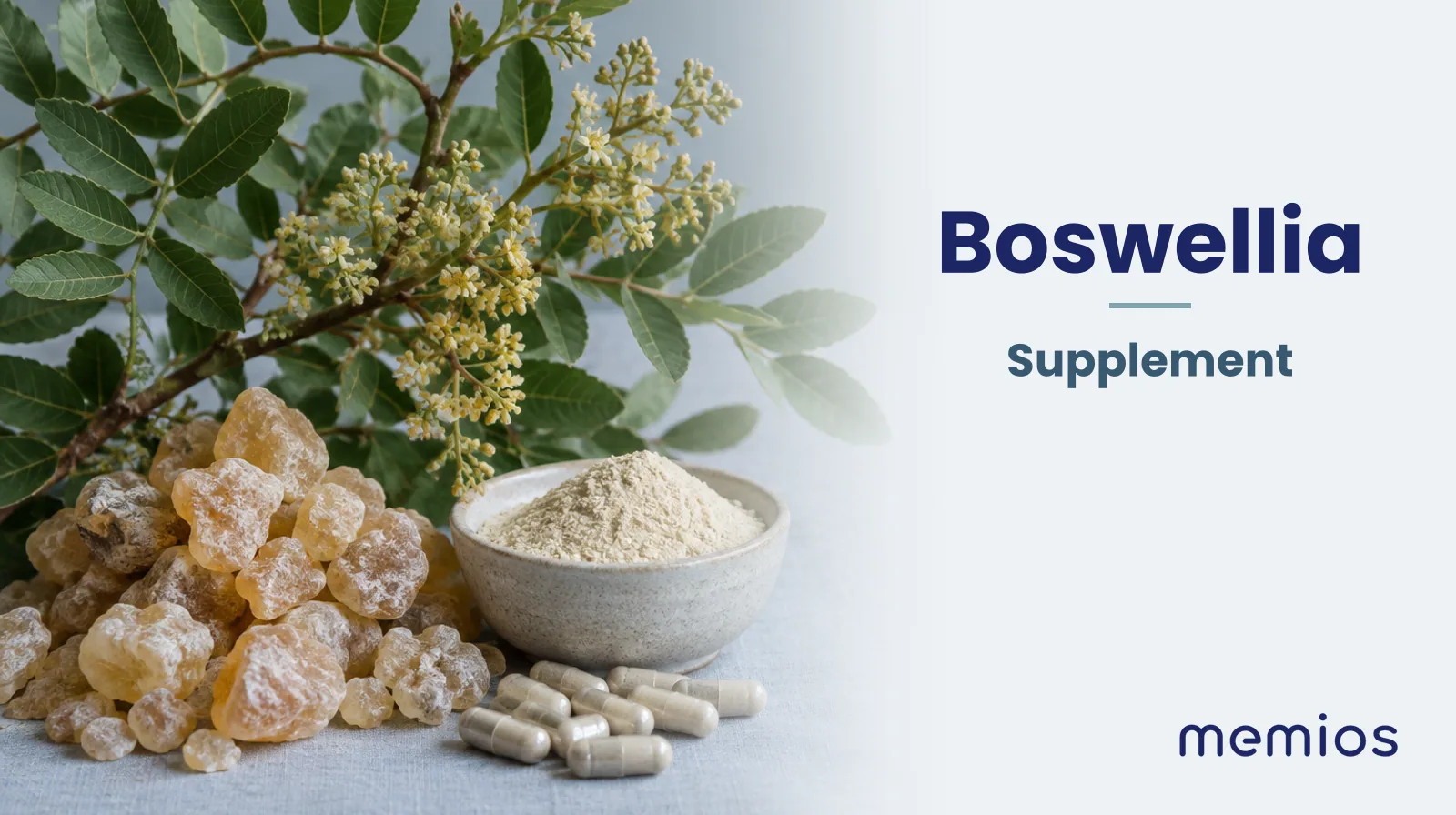
Boswellia
The most developed evidence is in osteoarthritis, where a 2020 meta-analysis of seven small trials found reductions in pain and stiffness and a 2014 Cochrane review rated the evidence moderate quality for a slight improvement in pain and function. Both reviews flag small samples and bias problems.
2026-09-30 · 13 min read
 Supplements
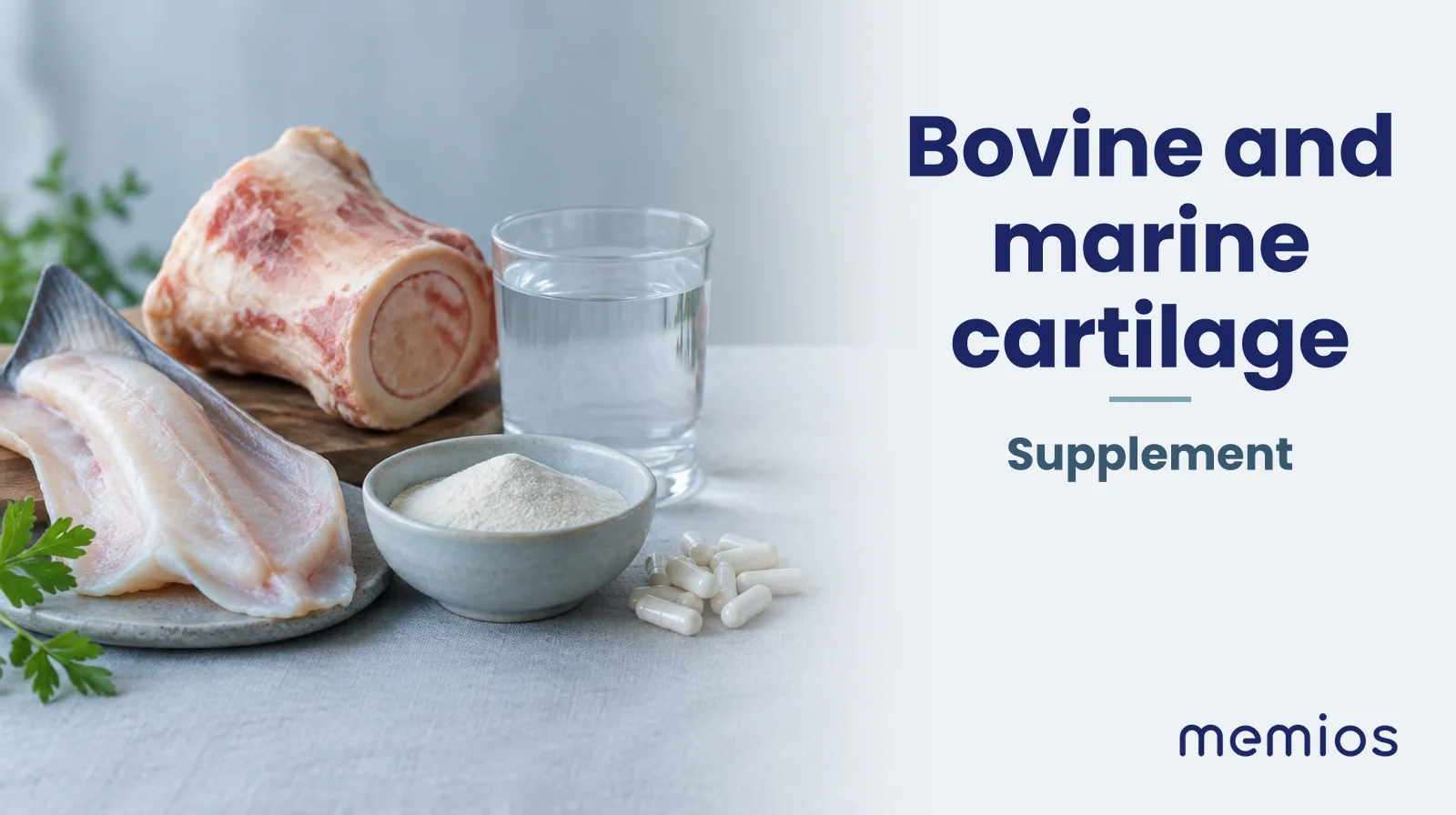
Bovine and marine cartilage
Not supported by the research. The cancer claim has been tested and failed.
2026-09-30 · 13 min read
 Medications
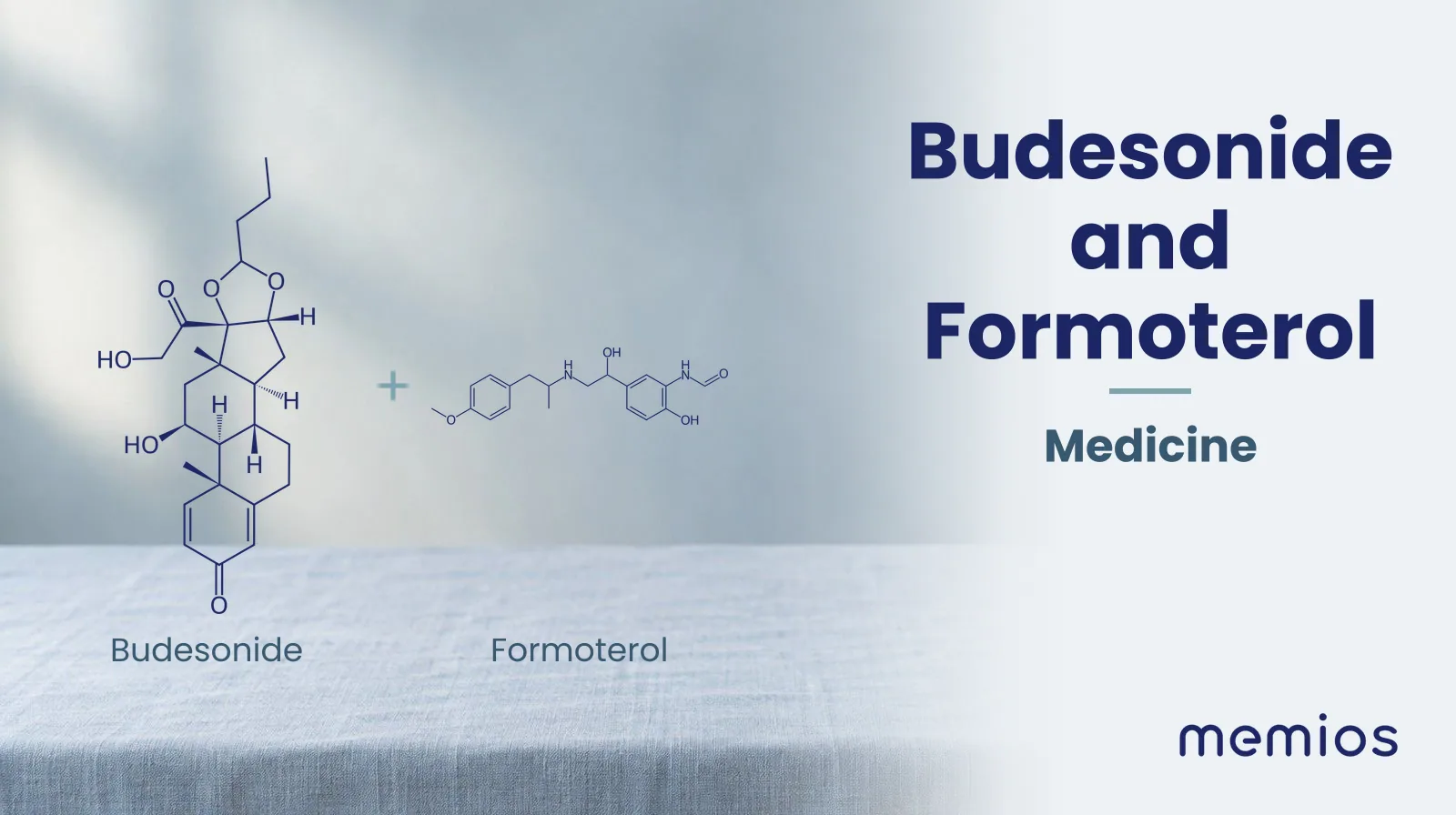
Budesonide; Formoterol
The evidence supports real reductions in asthma and COPD flare-ups (exacerbations) when budesonide/formoterol is used as directed.
2026-09-30 · 15 min read
 Supplements
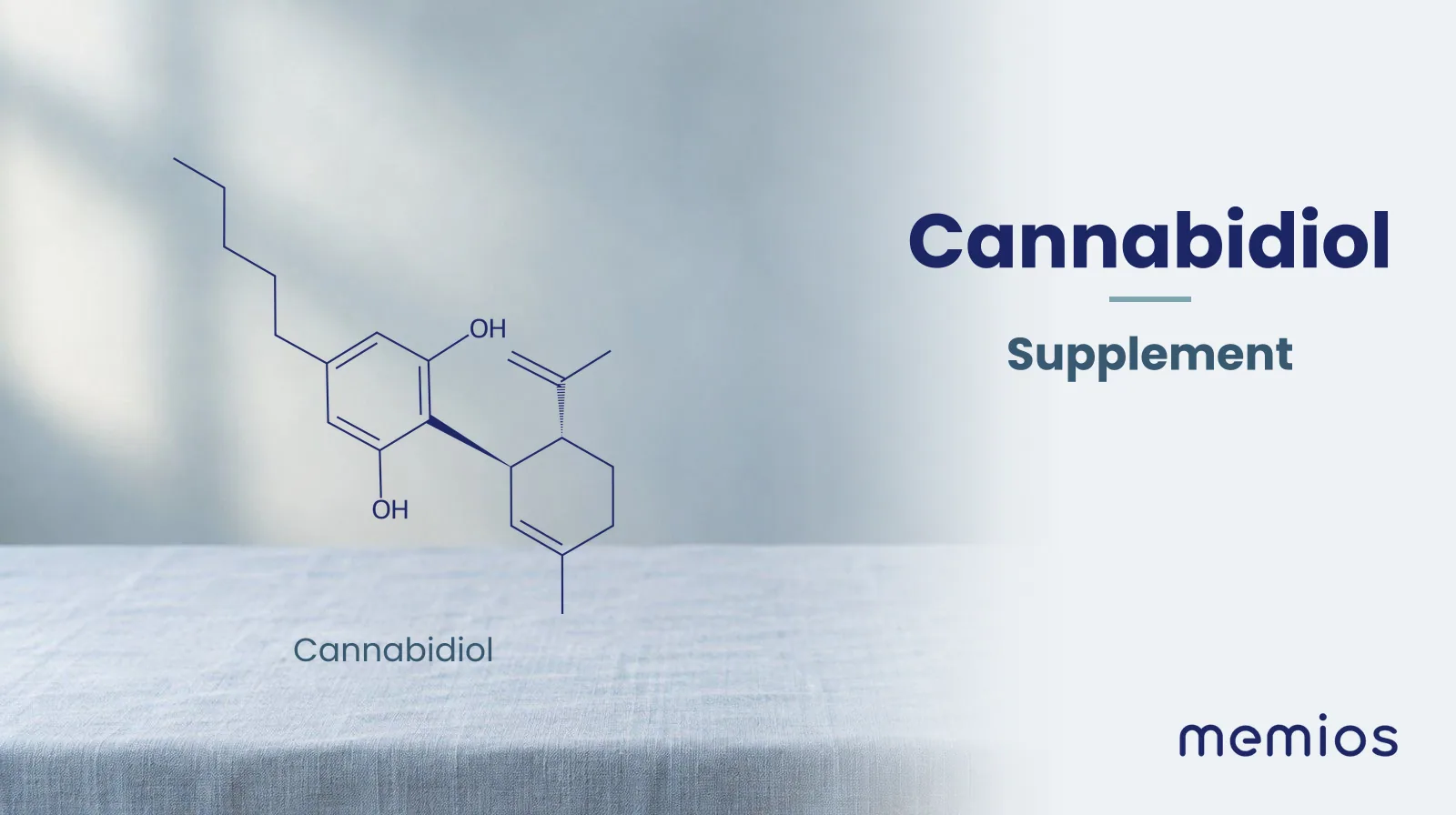
Cannabidiol
The evidence is strong and narrow: purified pharmaceutical cannabidiol reduces seizure frequency in two rare epilepsy syndromes in placebo-controlled trials.
2026-09-30 · 16 min read
 Supplements
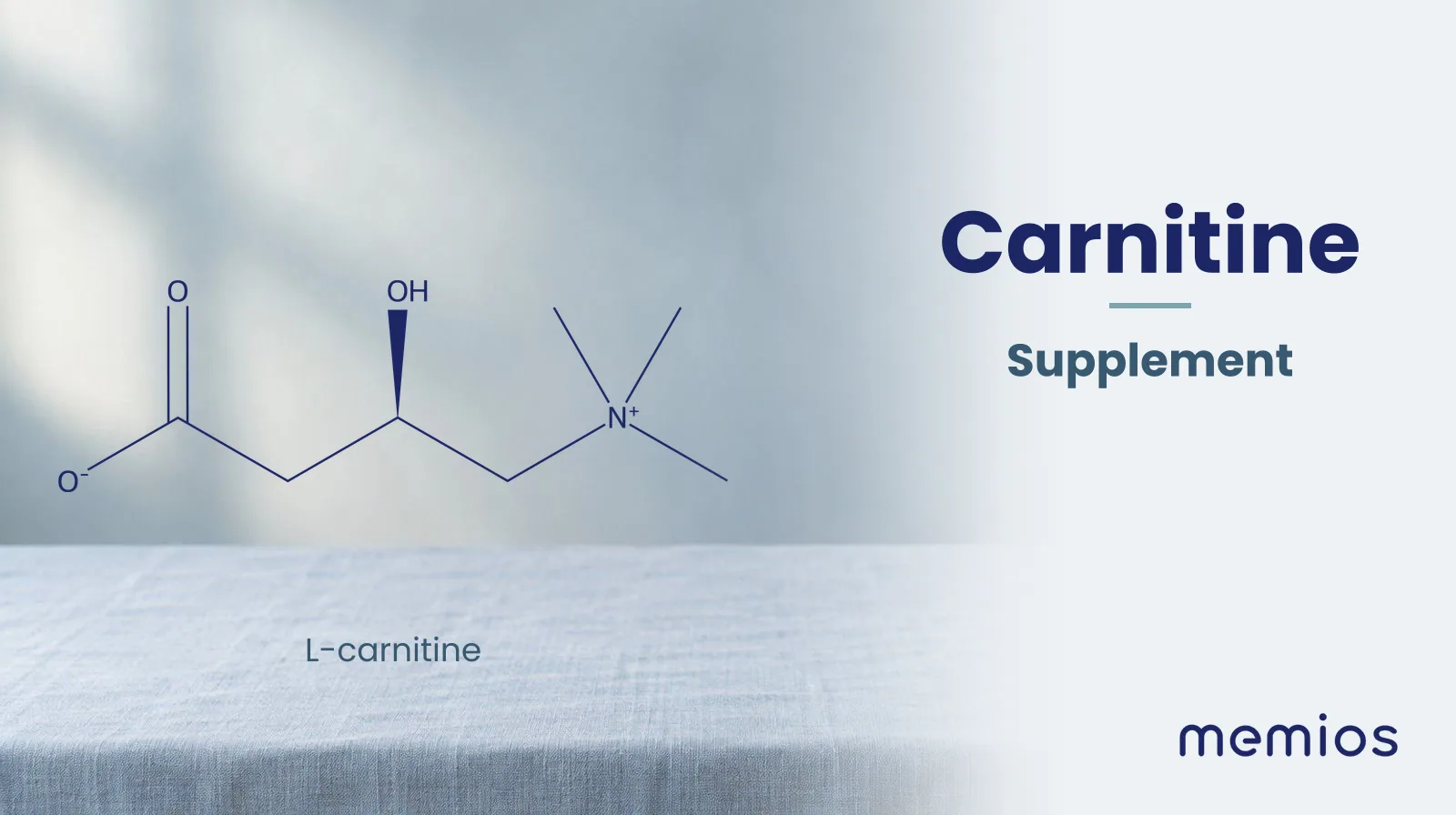
Carnitine
Disputed. The honest summary is that the evidence is contested.
2026-09-30 · 22 min read
 Supplements
Cascara sagrada
Cascara is taken to force a bowel movement, and the plants that carry these anthraquinones are put into supplements for bowel function. The state of the evidence is the important part: in this search we could not reach or verify a single controlled human trial of cascara on its own, so its laxative effect rests on tradition.
2026-09-30 · 15 min read
 Research
What causes constipation, and why do some people get it more than others?
The evidence is strongest for the definition and for who is affected: pooled prevalence of functional constipation by Rome IV criteria is about 10% of adults, roughly twice as common in women.
2026-09-30 · 19 min read
 Supplements
German chamomile
The best evidence is for anxiety rather than sleep, and it is thin. A randomised placebo-controlled trial in 57 people with mild-to-moderate generalised anxiety disorder found a greater fall in Hamilton Anxiety scores with chamomile (P = 0.047).
2026-09-30 · 13 min read
 Supplements
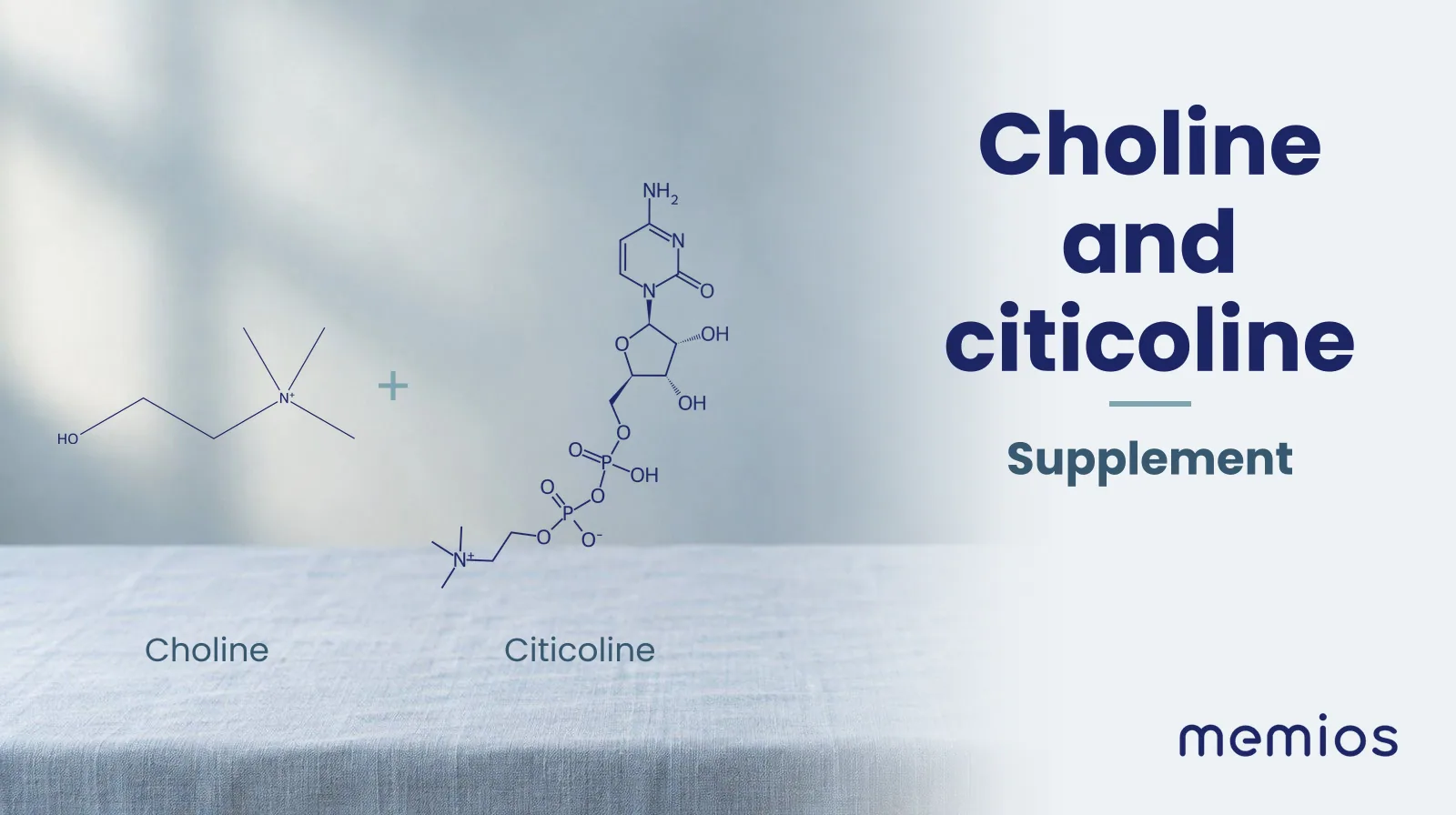
Choline and citicoline
Choline's necessity is well established, while the supplement claims made for citicoline are not.
2026-09-30 · 16 min read
 Medications
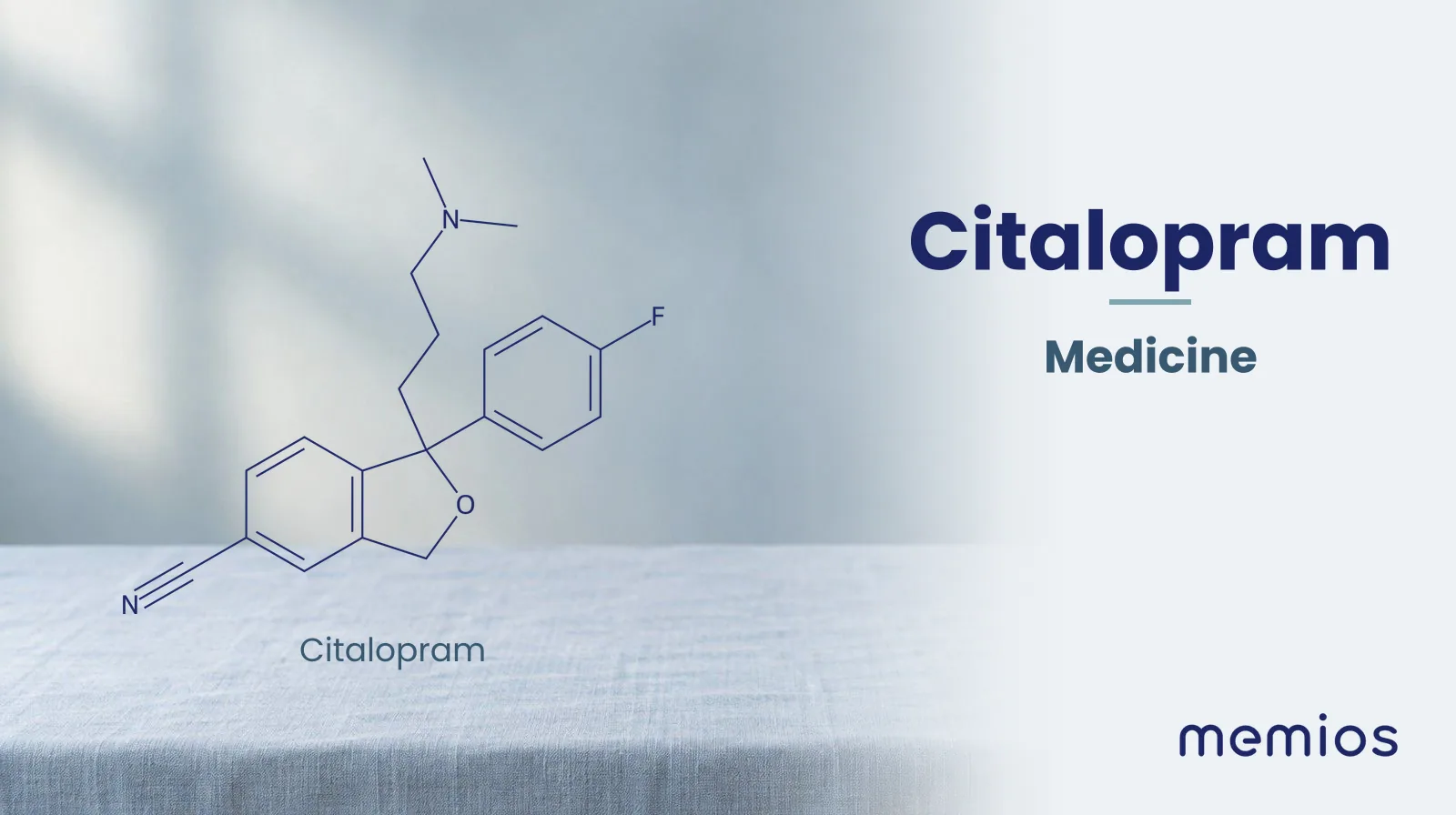
Citalopram
For acute major depression in adults the randomised evidence does show an effect over placebo, but the effect is modest and the trial base is mostly industry-sponsored and at high risk of selective reporting.
2026-09-30 · 26 min read
 Supplements
Cocoa flavanols
The best evidence is a Cochrane review of short trials (2 to 18 weeks) finding a small drop in blood pressure of about 2 mmHg, rated moderate quality.
2026-09-30 · 12 min read
 Supplements
Bovine colostrum
Limited evidence. The best evidence is for two narrow things and it is not strong evidence.
2026-09-30 · 15 min read
 Supplements
Cranberry
Disputed. The best evidence is a 2023 Cochrane review of 50 randomised trials.
2026-09-30 · 16 min read
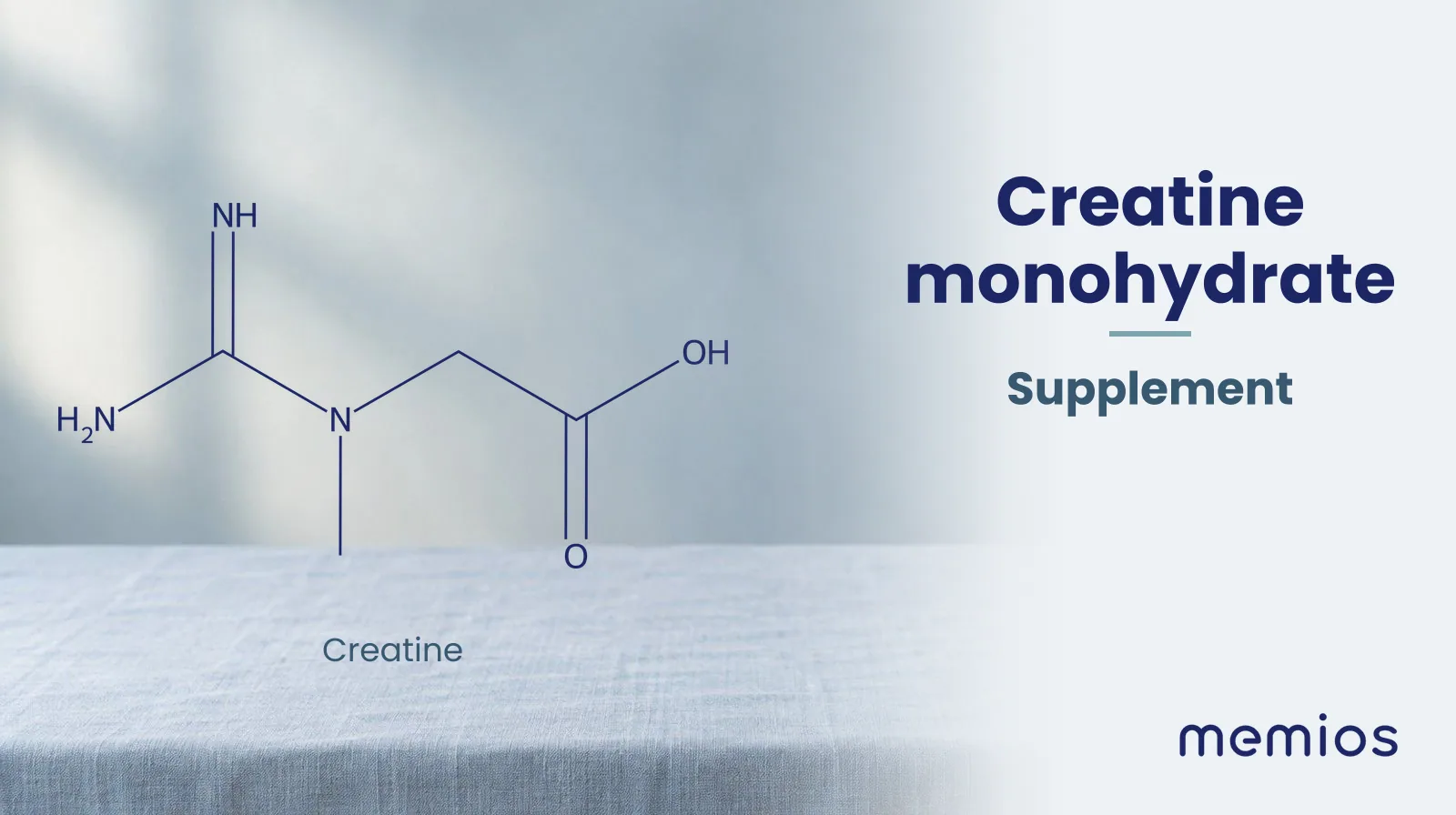 Supplements
Creatine monohydrate
Creatine is one of the few supplements where the exercise evidence is strong rather than suggestive: meta-analyses of randomised trials show small-to-moderate added gains in lean tissue and strength when it is combined with resistance training, and a European regulator has accepted a cause-and-effect relationship for repeated short, high-intensity efforts.
2026-09-30 · 18 min read
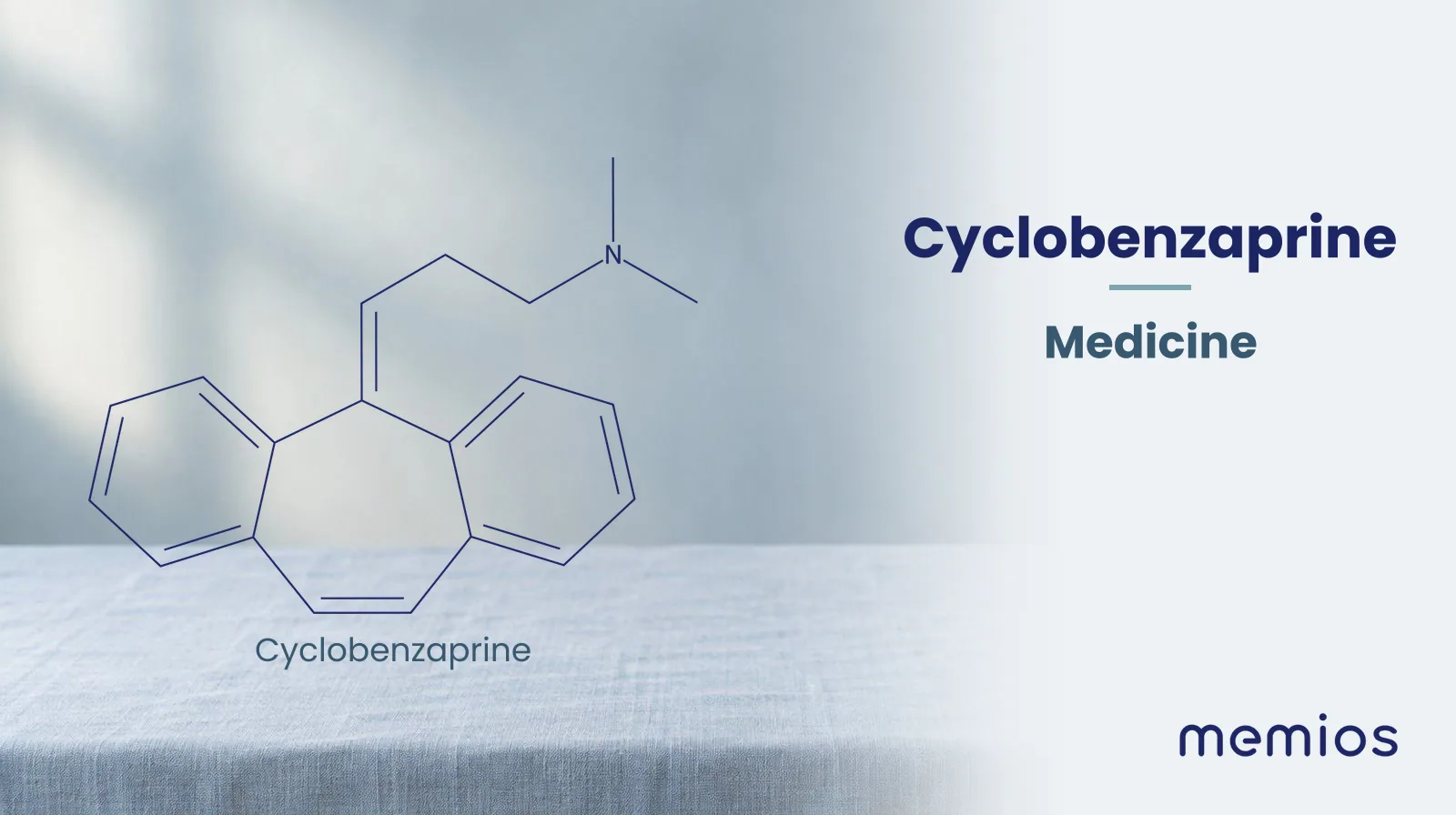 Medications
Cyclobenzaprine
The best evidence is a meta-analysis of 14 placebo-controlled back pain trials: cyclobenzaprine beat placebo for global improvement (odds ratio 4.7, 95% CI 2.7 to 8.1).
2026-09-30 · 23 min read
 Supplements
Dandelion
Not enough research to say. Most of the evidence is from animal and cell studies.
2026-09-30 · 8 min read
 Supplements
Devil's claw
Devil's claw is used for musculoskeletal pain. A Cochrane review of herbal medicine for low back pain found that standardised daily doses of 50 mg or 100 mg harpagoside may reduce pain more than placebo.
2026-09-30 · 12 min read
 Medications
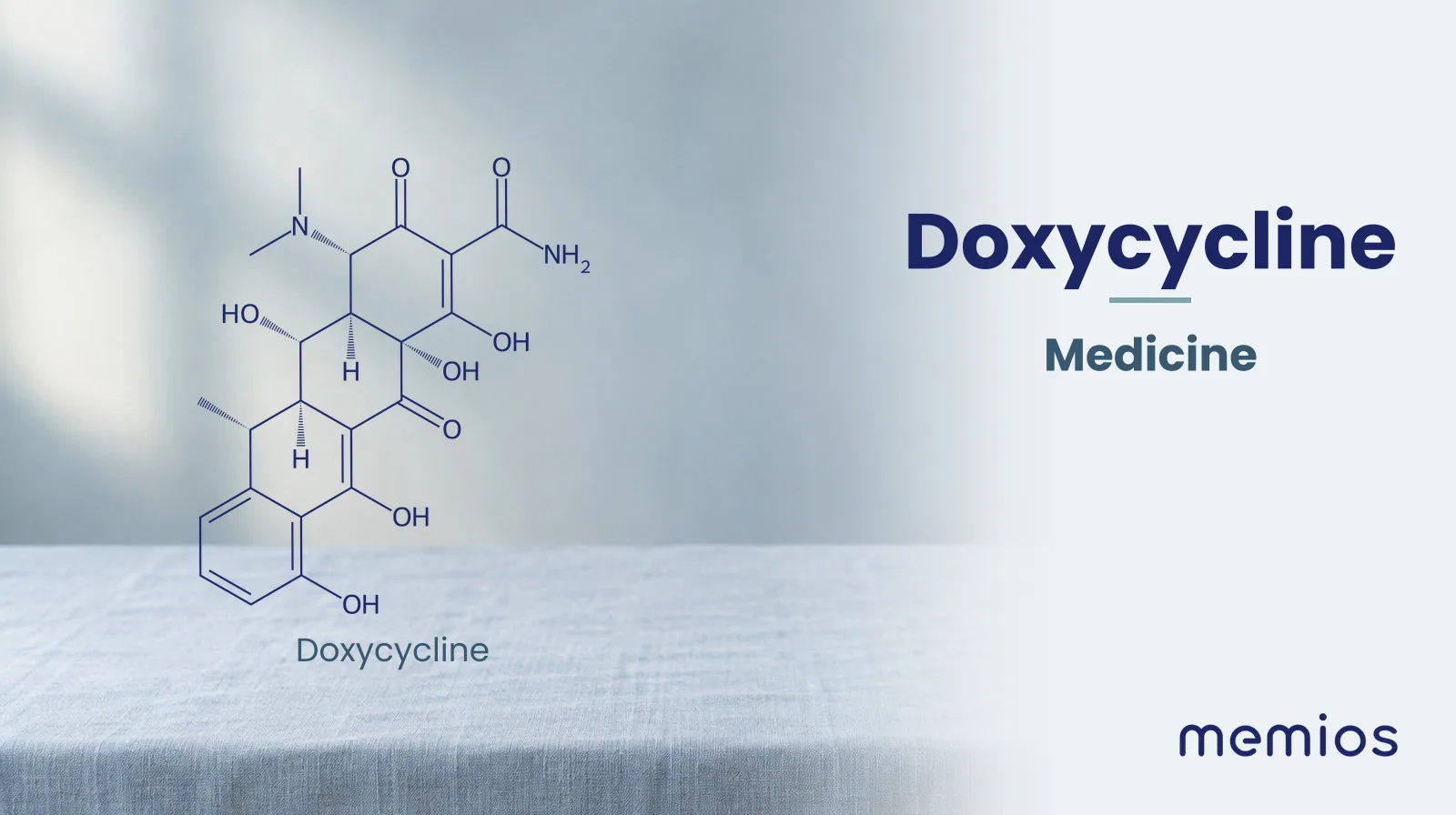
Doxycycline
For the uses where randomised evidence exists the effect sizes differ a lot by condition. Randomised placebo-controlled trials give it a protective efficacy of 84% to 96% against Plasmodium falciparum infection when taken daily for malaria prophylaxis.
2026-09-30 · 17 min read
 Fasting
Early time-restricted eating
Limited evidence. Evidence is limited to a handful of small or short trials.
2026-09-30 · 8 min read
 Medications
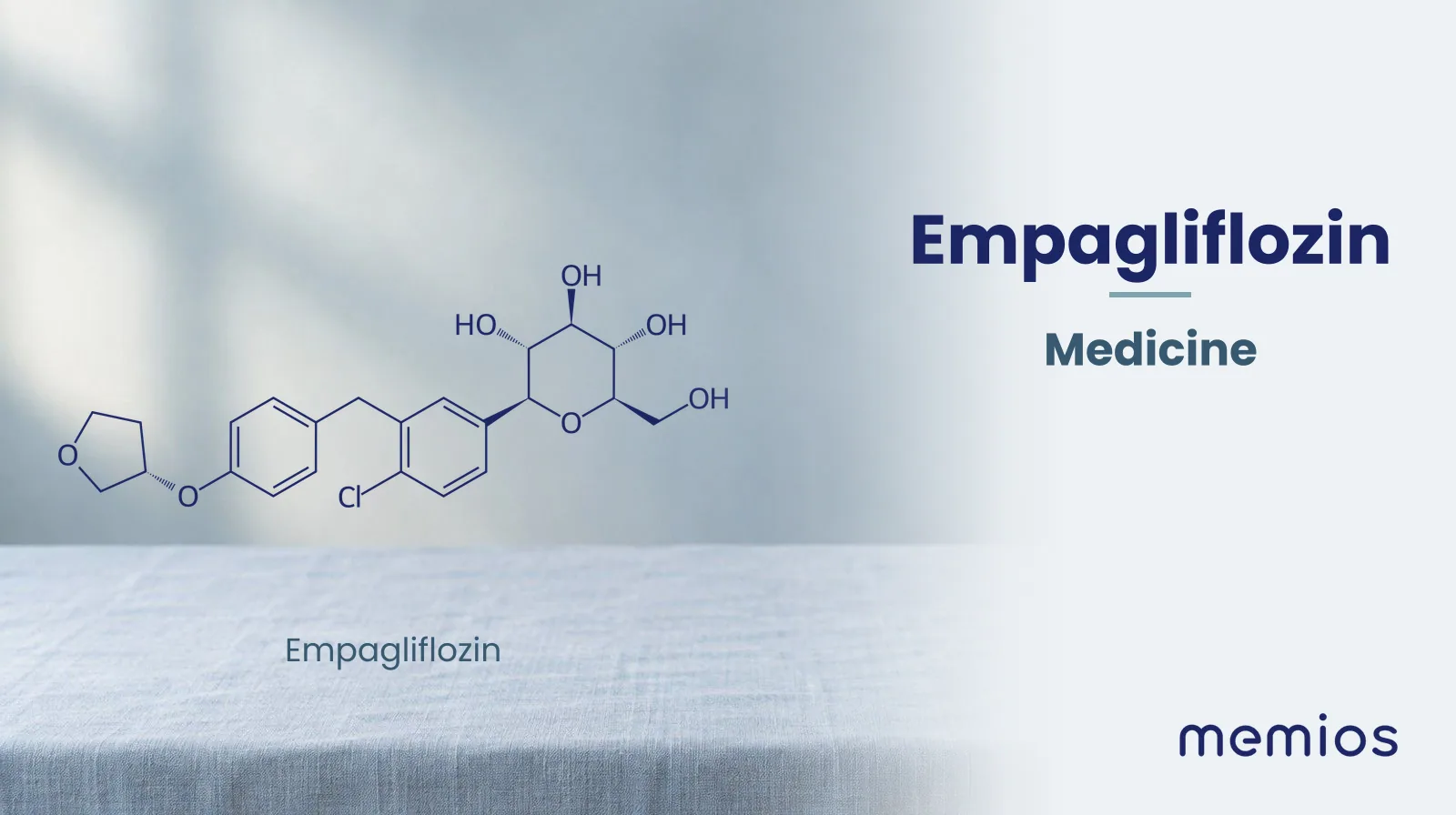
Empagliflozin
Large placebo-controlled outcome trials, all funded by the manufacturers, show fewer heart failure hospitalisations and cardiovascular deaths in heart failure (reduced and preserved ejection fraction).
2026-09-30 · 13 min read
 Supplements
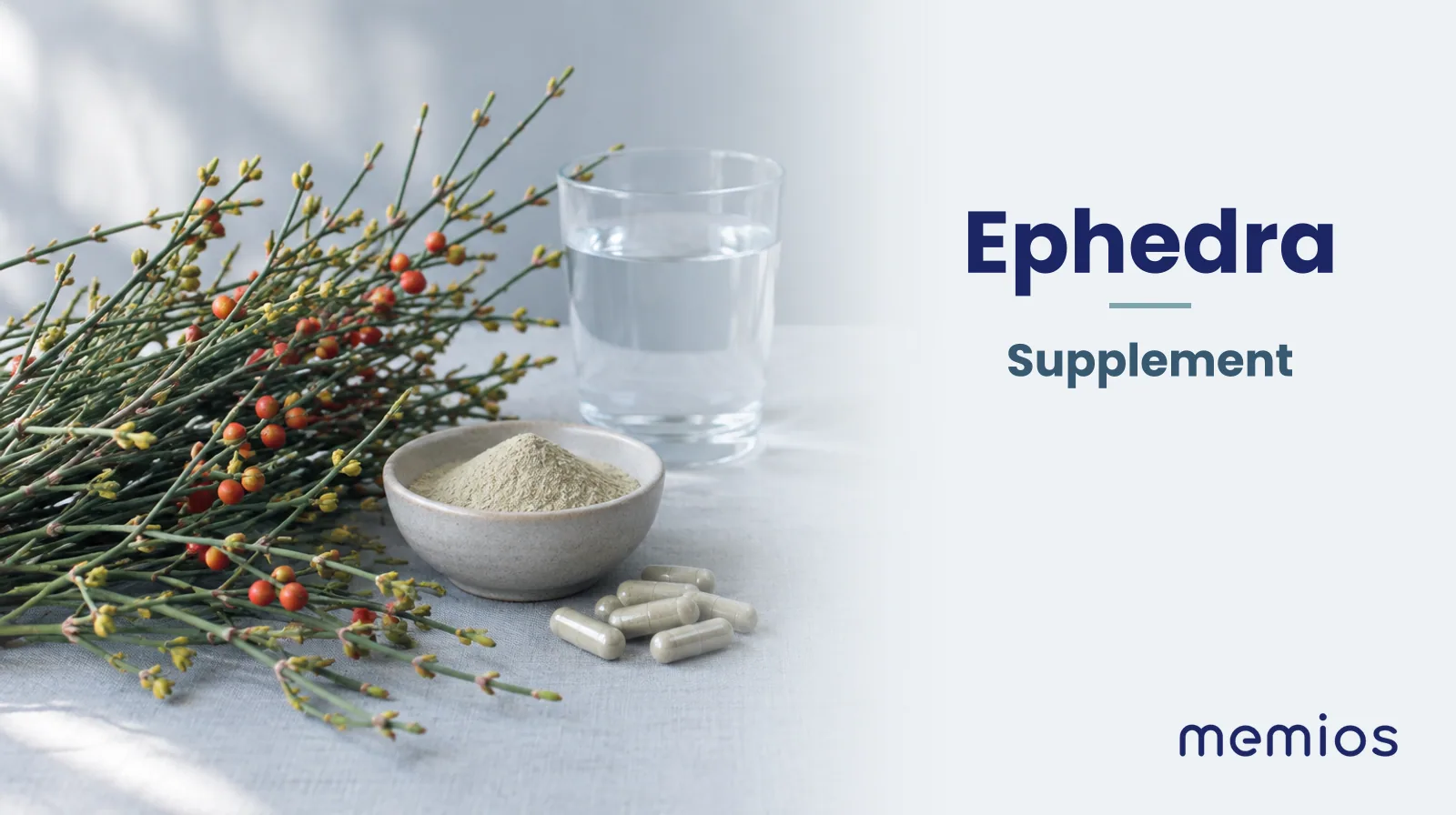
Ephedra
Ephedrine is a mixed sympathomimetic: it releases noradrenaline and stimulates alpha and beta receptors, raising heart rate and cardiac output, constricting blood vessels.
2026-09-30 · 14 min read
 Medications
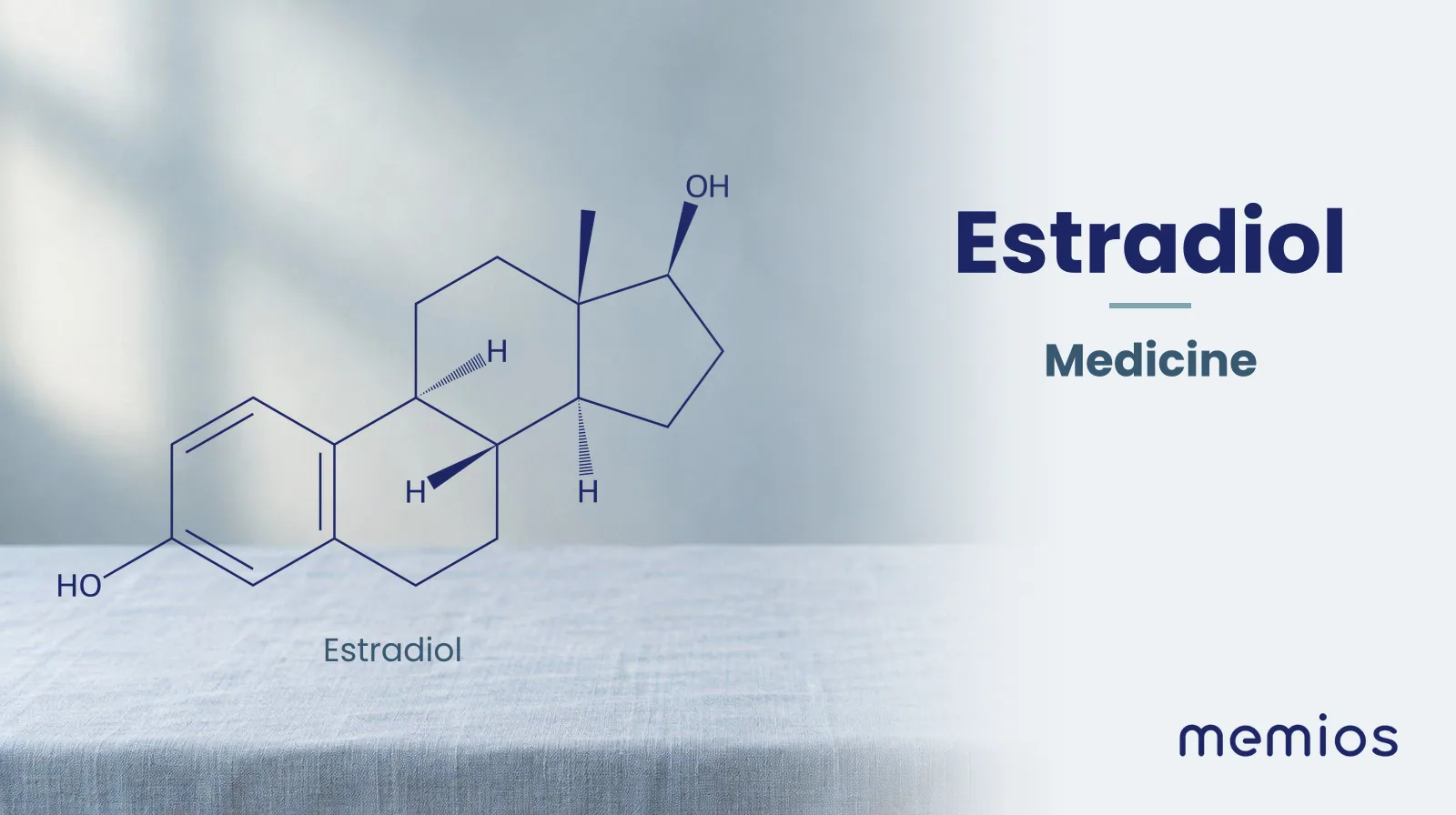
Estradiol
The best evidence is that systemic estradiol reliably reduces hot flushes and night sweats and reduces fractures.
2026-09-30 · 22 min read
 Medications
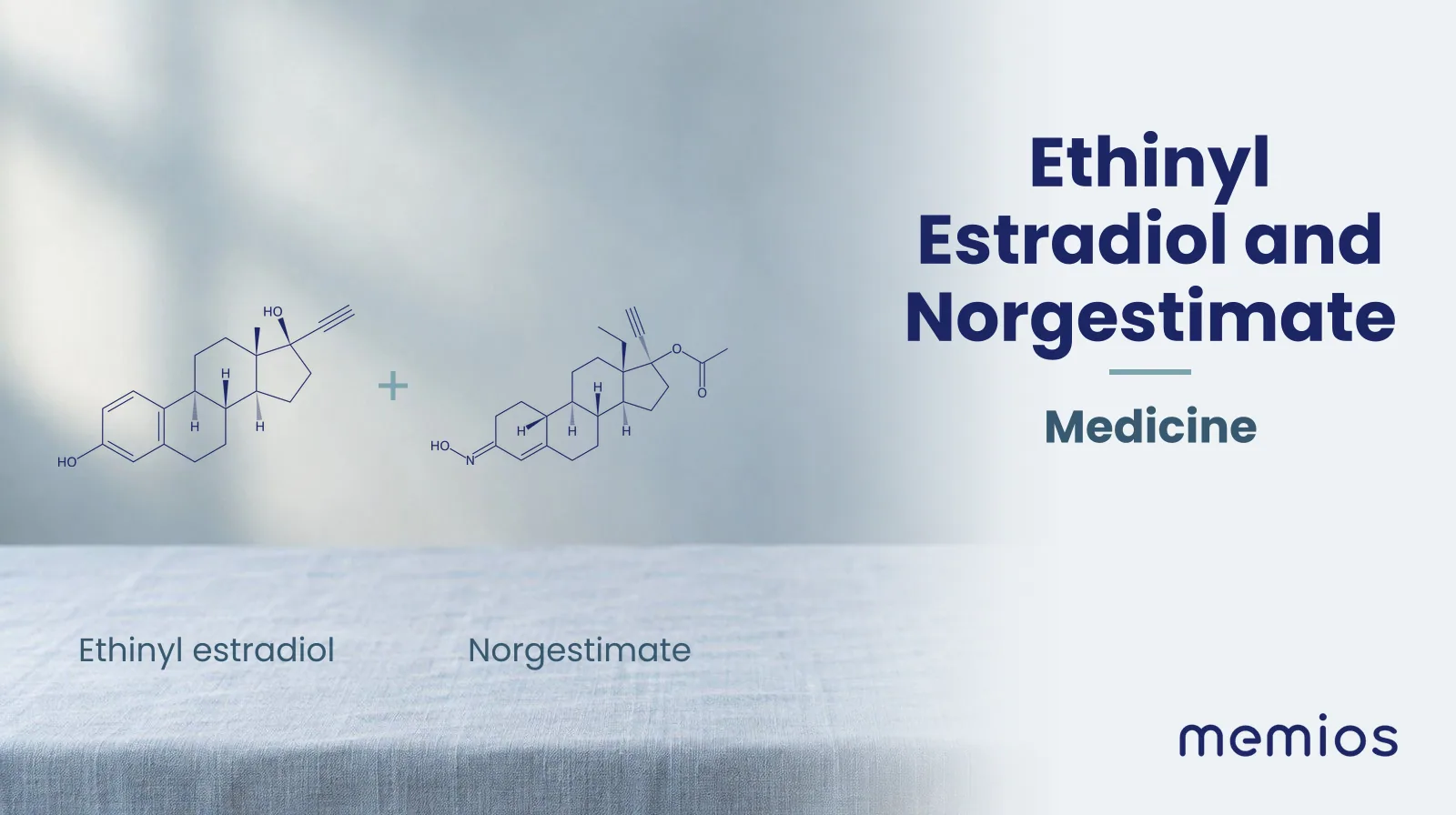
Ethinyl Estradiol; Norgestimate
The evidence strongly supports that this combination prevents pregnancy when taken as directed, and one brand (Ortho Tri-Cyclen) has trial evidence supporting an approved use for moderate acne.
2026-09-30 · 16 min read
 Medications
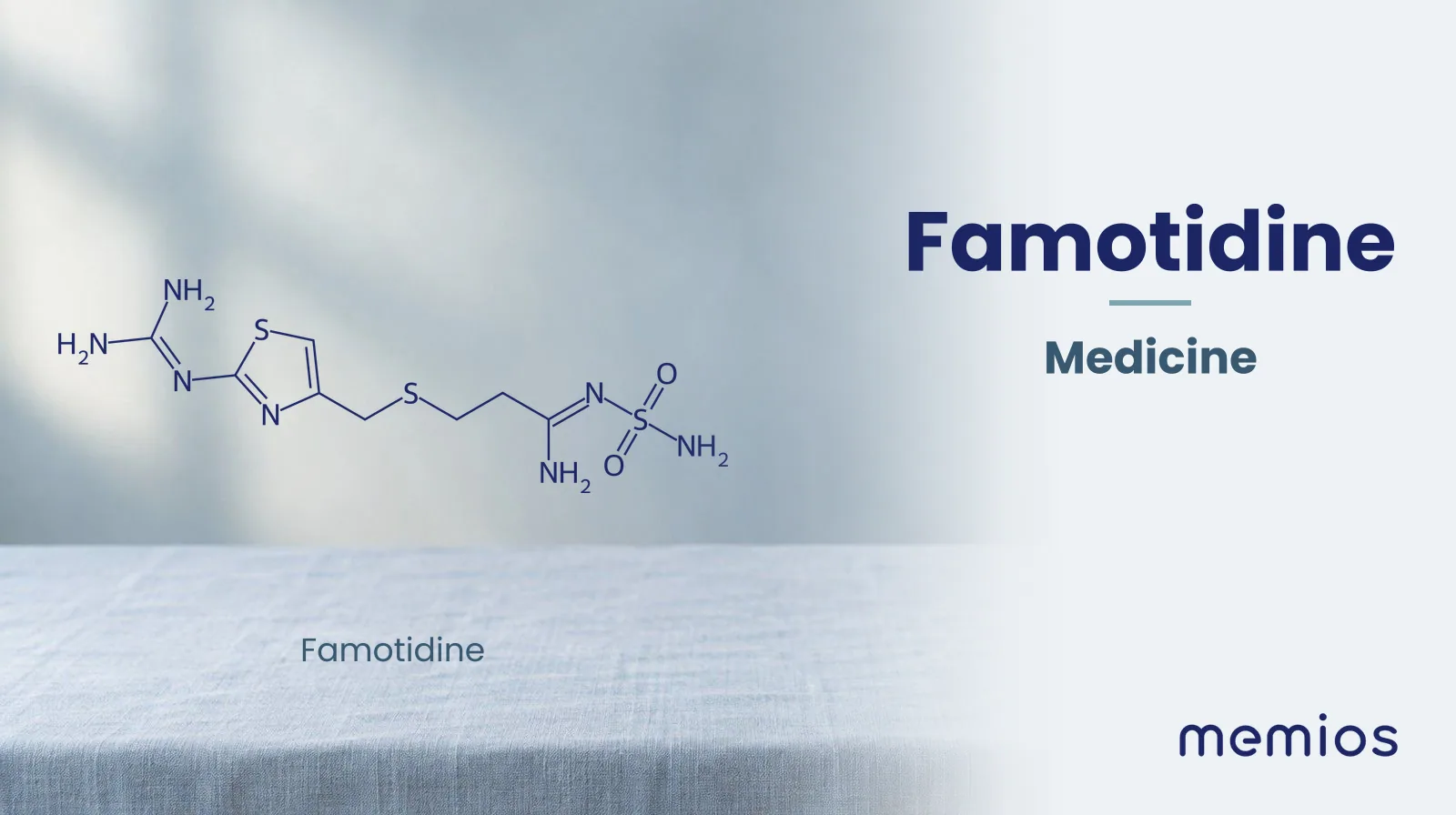
Famotidine
The evidence is strongest for what famotidine does to stomach acid and to ulcers caused by aspirin: in one 404-patient placebo-controlled trial it cut the rate of endoscopic gastric ulcers from 15.0% to 3.4% over 12 weeks.
2026-09-30 · 22 min read
 Fasting
48- to 72-hour fast
Evidence is very limited: small, short studies of cancer patients fasting around chemotherapy.
2026-09-30 · 10 min read
 Fasting
Fasting safety: who should not fast or needs a clinician first
Harms reported: hypoglycaemia with sulfonylureas and insulin, euglycaemic diabetic ketoacidosis with SGLT2 inhibitors, dehydration linked to SGLT2 inhibitors and diuretics, lean mass loss.
2026-09-30 · 14 min read
 Research
Fecal microbiota transplantation (FMT): what it treats and what can go wrong
For recurrent Clostridioides difficile infection, a Cochrane review found FMT likely leads to a large increase in resolution (RR 1.92, moderate certainty).
2026-09-30 · 12 min read
 Research
Do fermented foods change the gut microbiome?
The best-known human trial (Wastyk 2021, Stanford, 18 people per arm) found a high-fermented-food diet steadily increased gut microbiota diversity and lowered inflammatory markers over 17 weeks.
2026-09-30 · 7 min read
 Medications
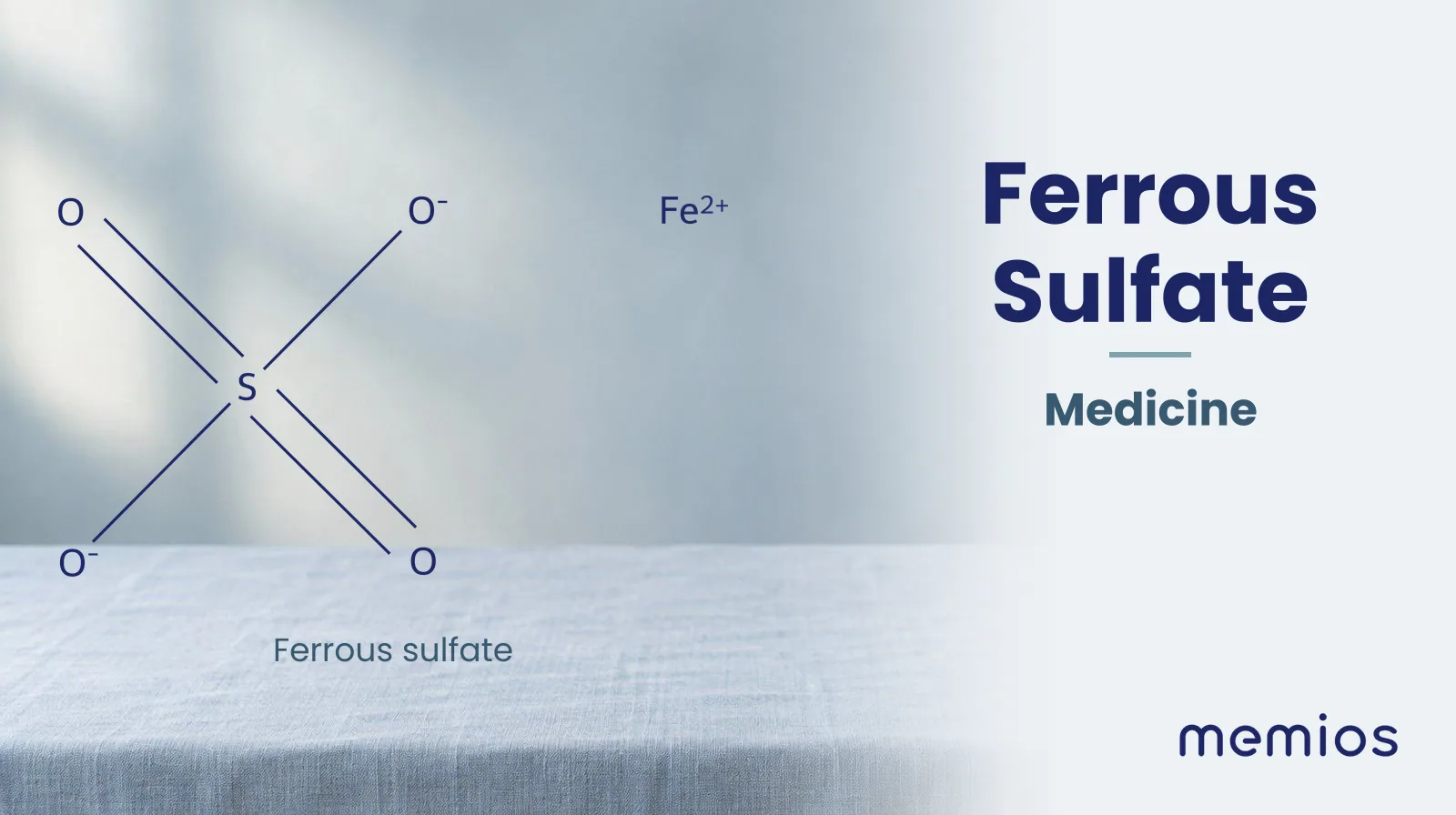
Ferrous Sulfate
Once swallowed, ferrous iron is absorbed in the small intestine and used by the body to build hemoglobin, correcting iron-deficiency anemia over weeks.
2026-09-30 · 12 min read
 Medications
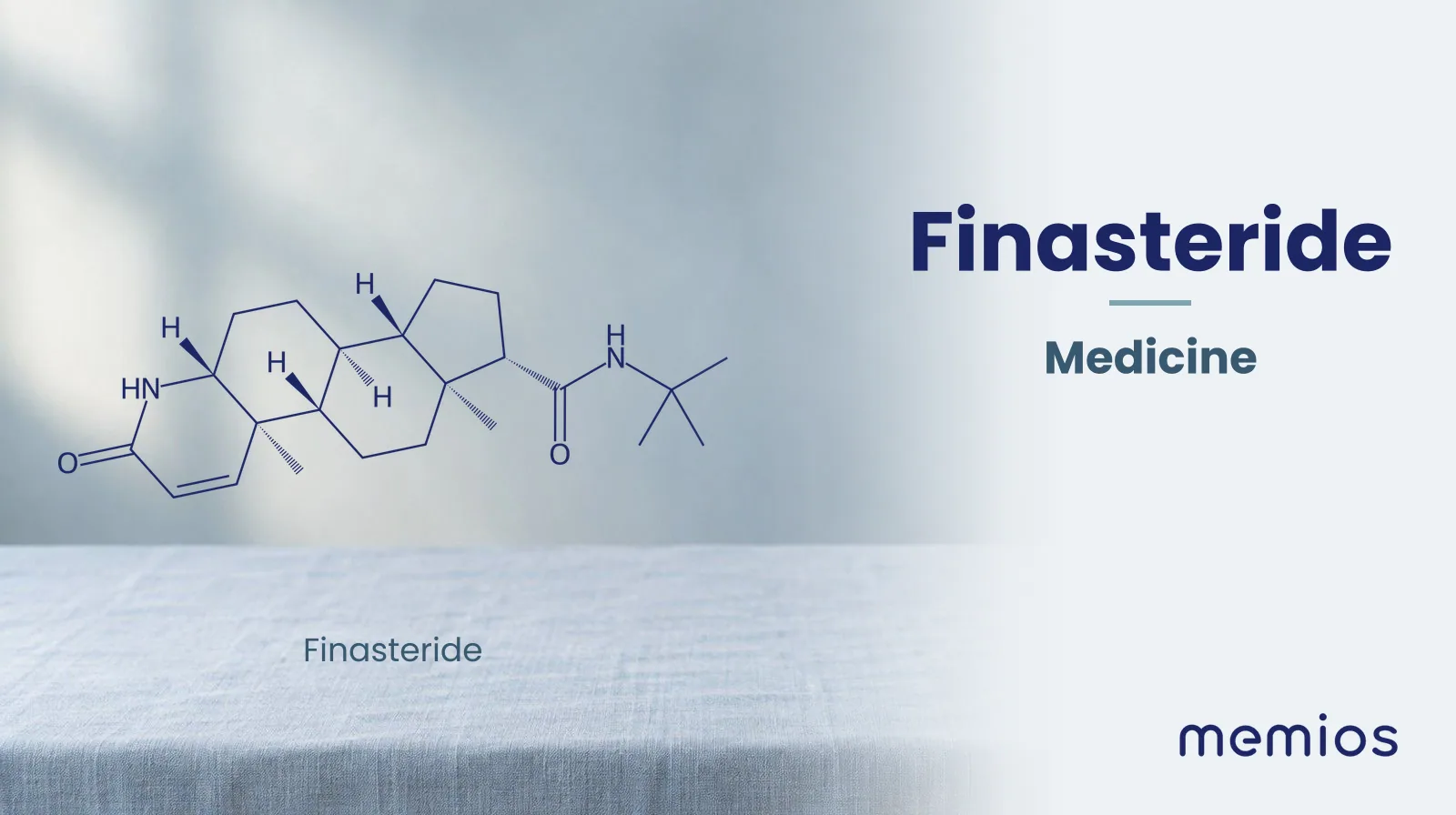
Finasteride
Finasteride lowers DHT, and the downstream effects are real but modest. In benign prostatic hyperplasia it shrinks the prostate, improves urinary flow and symptom scores modestly.
2026-09-30 · 22 min read
 Medications
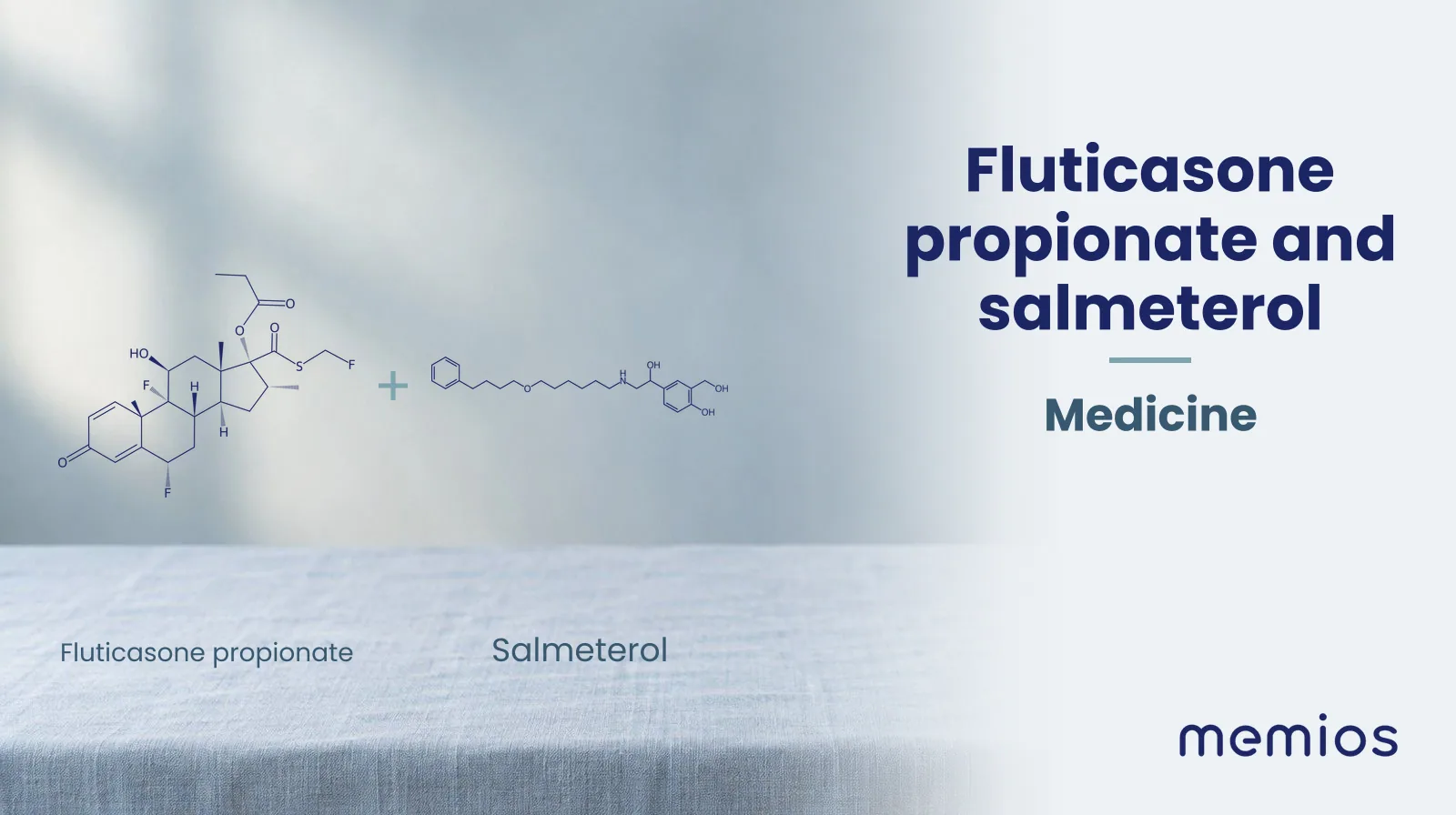
Fluticasone propionate and salmeterol
In asthma, adding salmeterol to fluticasone reduced severe exacerbations in a very large safety trial and did not raise serious asthma-related events.
2026-09-30 · 16 min read
 Medications
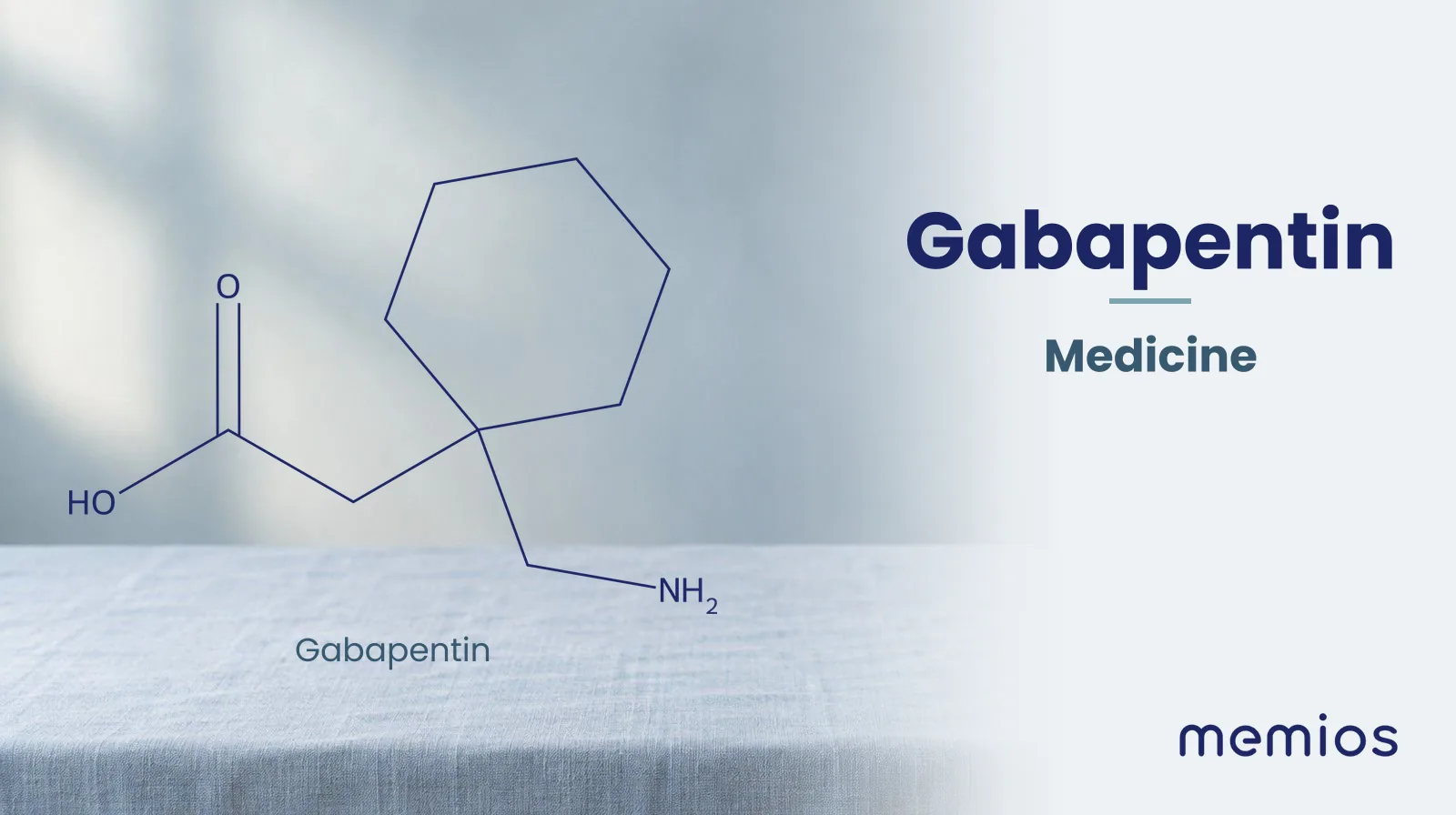
Gabapentin
For postherpetic neuralgia and painful diabetic neuropathy, Cochrane found moderate-quality evidence that roughly 1 more person in 6 or 7 gets substantial pain relief than on placebo.
2026-09-30 · 13 min read
 Supplements
Ginkgo
The strongest current synthesis is a 2026 Cochrane review of 82 randomised trials in 10,613 people.
2026-09-30 · 19 min read
 Research
What "good" and "bad" gut bacteria actually means
The honest summary is that "good" and "bad" are shorthand for statistical associations plus a small number of mechanistic experiments, and that the same species can sit on either side of the line depending on strain.
2026-09-30 · 19 min read
 Supplements
Gymnema
The best evidence is a handful of small, heterogeneous trials in people with type 2 diabetes.
2026-09-30 · 13 min read
 Medications
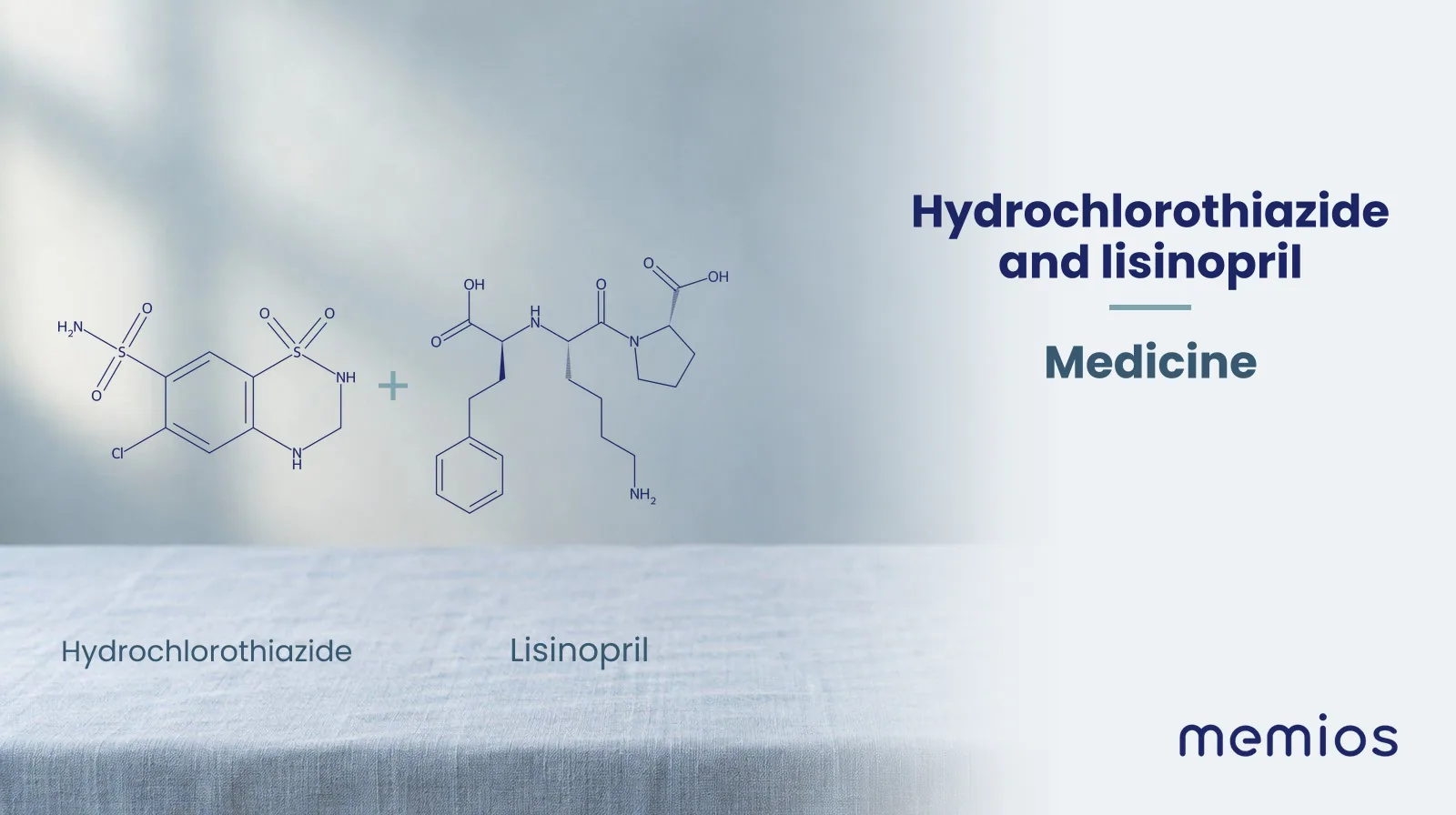
Hydrochlorothiazide and lisinopril
For blood pressure, the strongest evidence is for the thiazide half: a Cochrane review of first-line drugs found high-quality evidence that low-dose thiazides reduced death and cardiovascular events against placebo.
2026-09-30 · 19 min read
 Medications
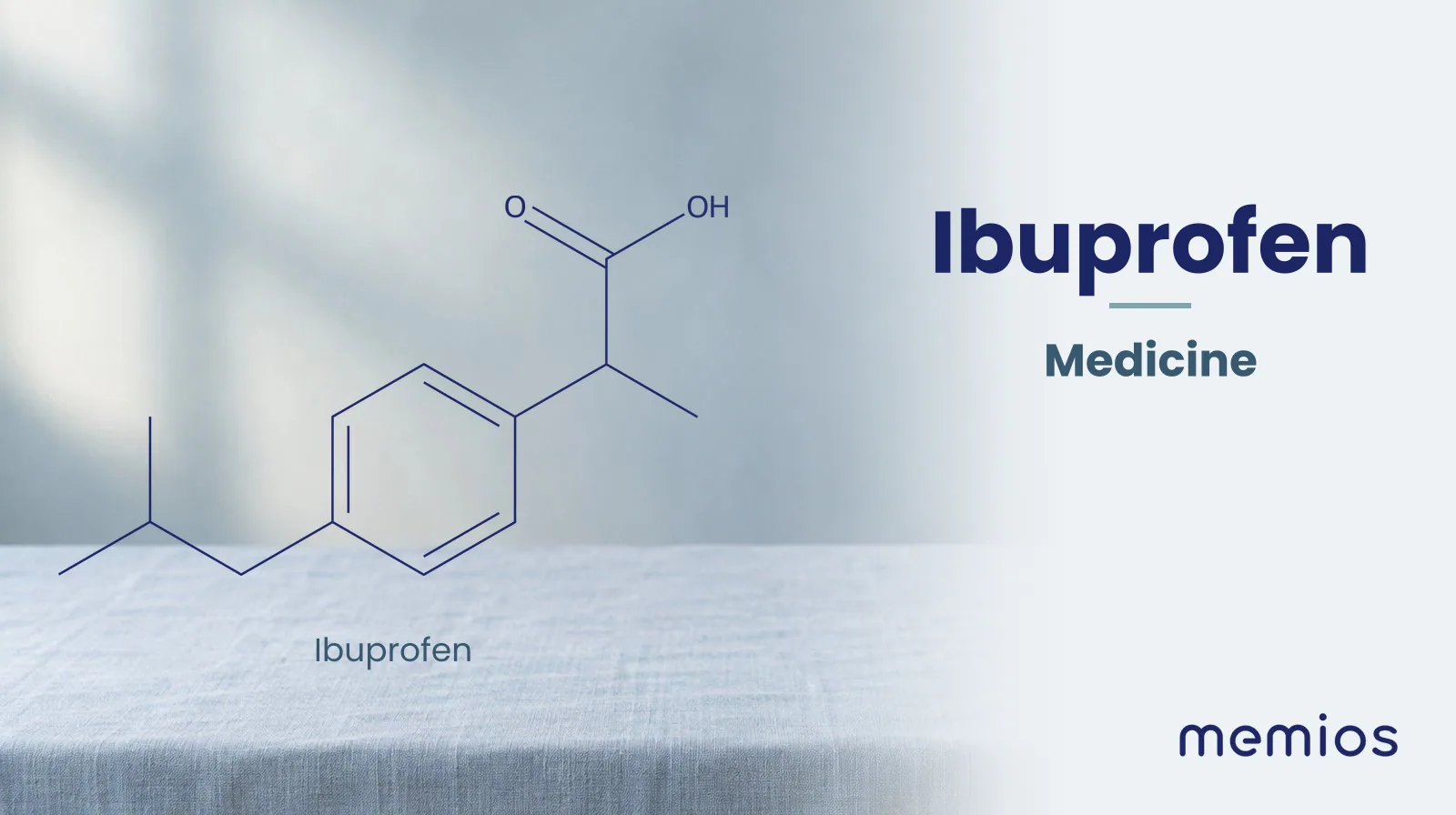
Ibuprofen
For short-term pain, the evidence is strong and quantified: a Cochrane review of 72 placebo-controlled trials found that about 54% of people given ibuprofen 400 mg after surgery got at least 50% pain relief.
2026-09-30 · 21 min read
 Medications
Insulin Lispro
The evidence is that insulin lispro lowers blood glucose and, compared with older regular human insulin, produces a slightly lower HbA1c and somewhat fewer hypoglycaemic episodes in type 1 diabetes.
2026-09-30 · 15 min read
 Research
Irritable bowel syndrome and the gut microbiome: is the microbiome different, do probiotics help, and what does a low-FODMAP diet do?
Limited evidence. The evidence is limited and strain-specific.
2026-09-30 · 10 min read
 Supplements
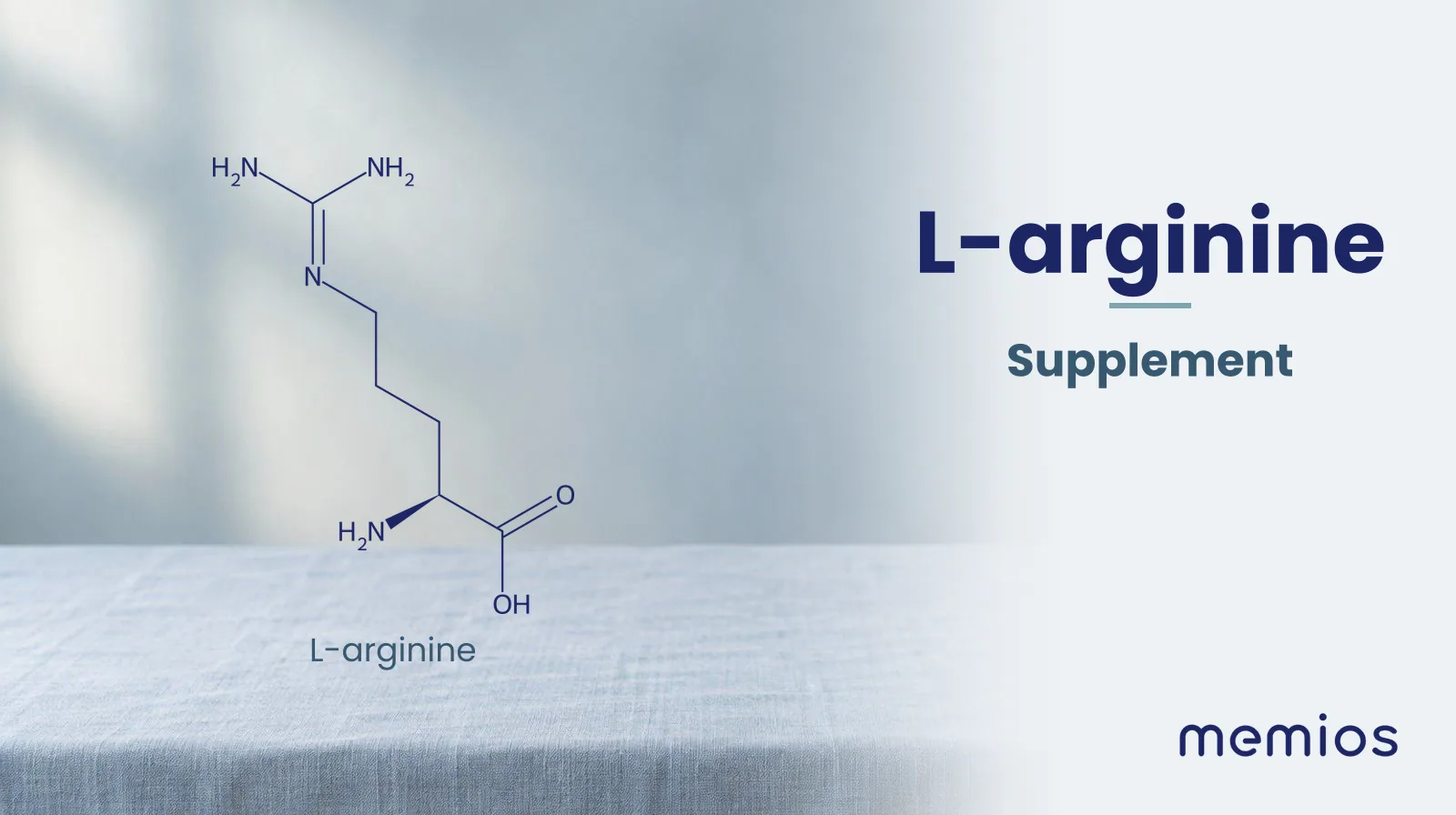
L-arginine
Disputed. The evidence is mixed and contested.
2026-09-30 · 19 min read
 Supplements
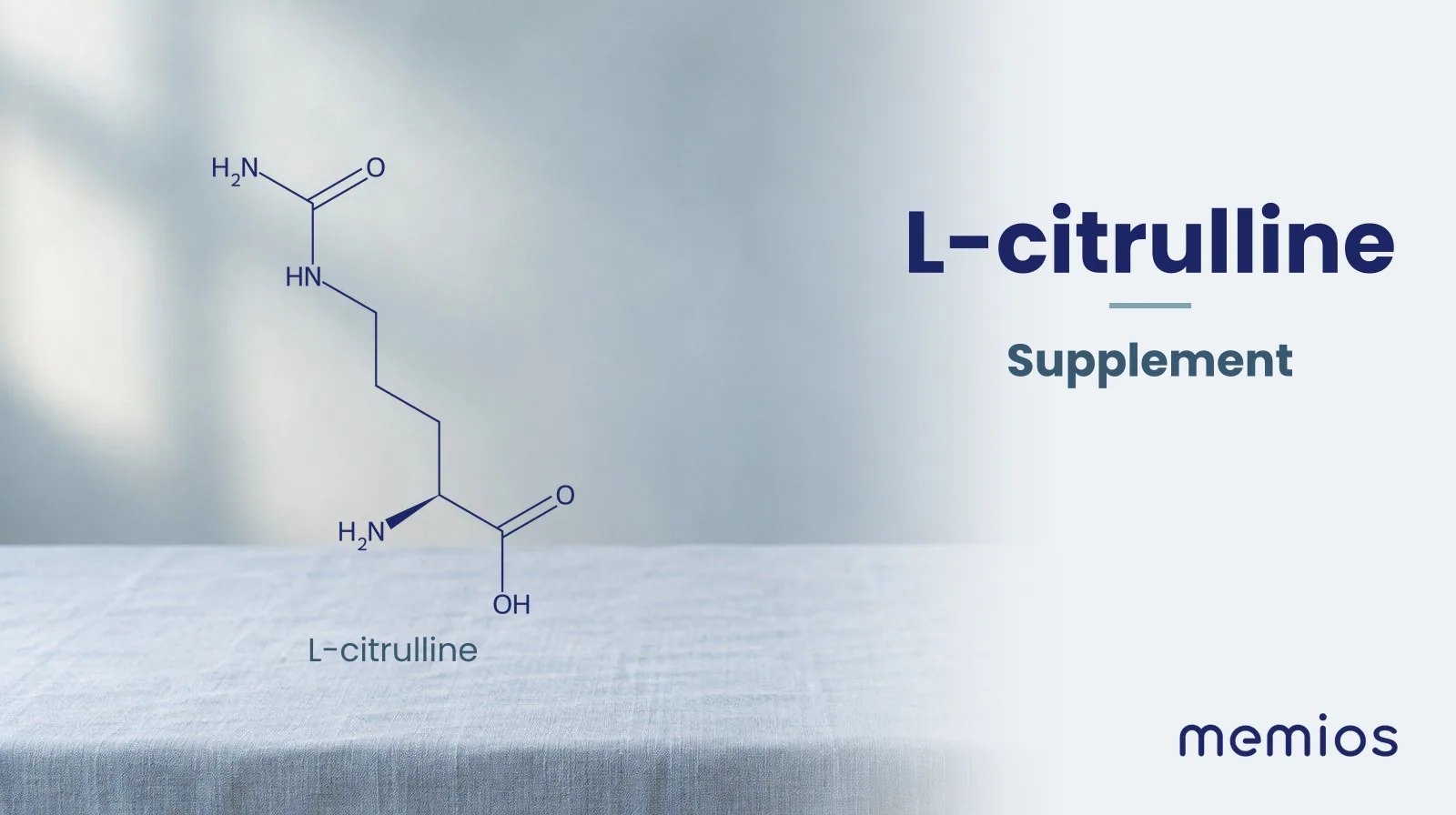
L-citrulline
The clearest human evidence is for blood pressure: a meta-analysis of randomised trials found reductions of around 4 mmHg systolic and 4 mmHg diastolic.
2026-09-30 · 17 min read
 Supplements
Lactobacillus acidophilus
Evidence is limited and depends on the strain and the condition. In antibiotic-associated diarrhoea, reductions were found for specific mixtures that include L. acidophilus (Bio-K+ with CL1285, and La5 with BB-12).
2026-09-30 · 12 min read
 Medications
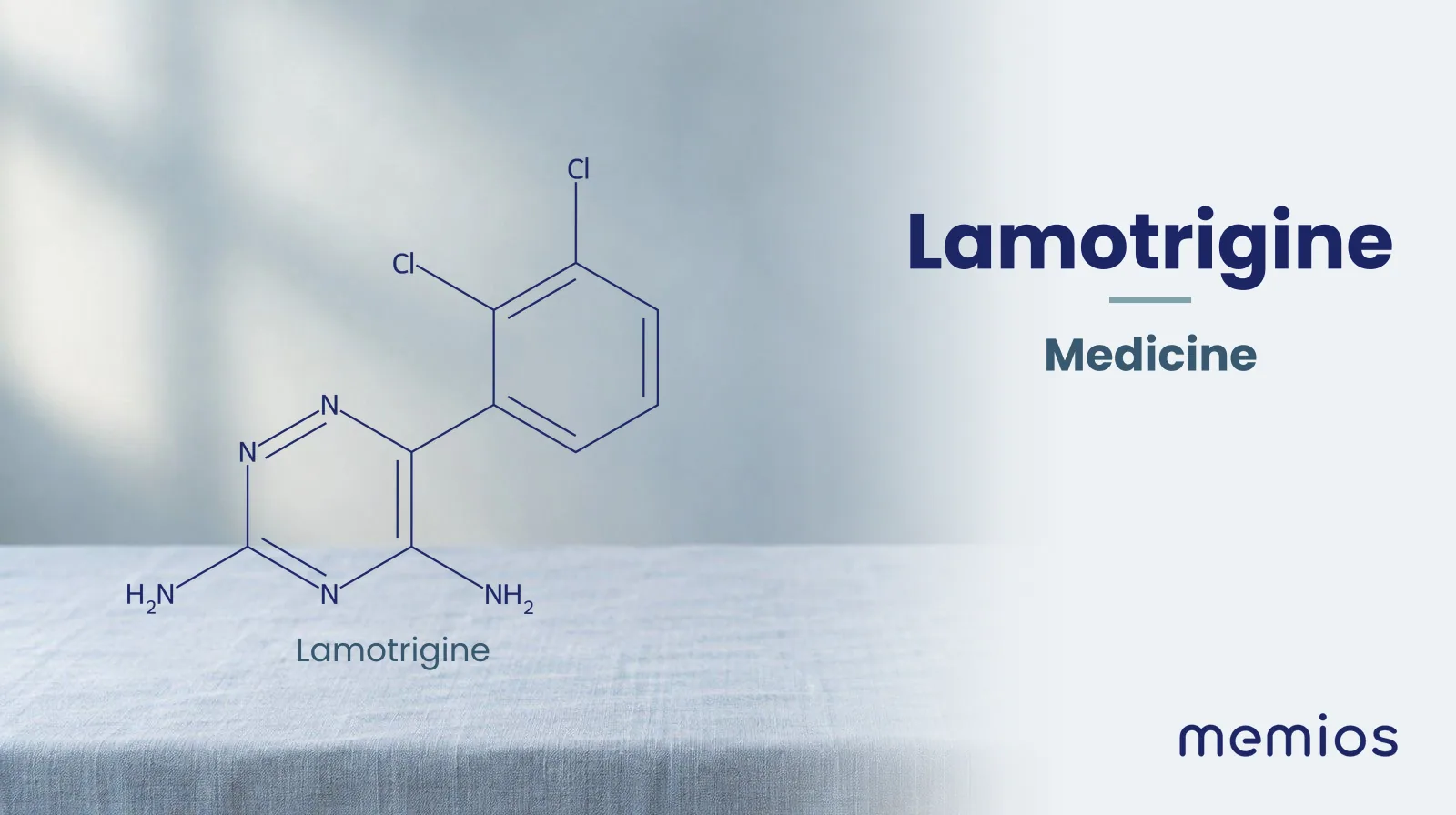
Lamotrigine
For epilepsy the evidence is strong and consistent: added to other drugs in drug-resistant focal epilepsy it nearly doubles the chance of halving seizure frequency (RR 1.80, moderate certainty).
2026-09-30 · 28 min read
 Supplements
Limosilactobacillus reuteri
Disputed. Results for infant colic conflict.
2026-09-30 · 14 min read
 Supplements
Maca
The honest summary is that the human evidence is thin. Systematic reviews of randomised trials for sexual function.
2026-09-30 · 13 min read
 Supplements
Magnesium
Correcting a genuine deficiency matters: low magnesium causes loss of appetite, nausea, weakness and, when severe, muscle cramps, abnormal heart rhythms and disturbed calcium and potassium balance.
2026-09-30 · 16 min read
 Supplements
Mangosteen
Limited evidence. Mangosteen rind extract is marketed as an anti-inflammatory and antioxidant supplement.
2026-09-30 · 10 min read
 Research
Which medicines and supplements are known to cause constipation, and how often do they do it?
Where trials and meta-analyses report numbers, the size of the effect is measurable rather than theoretical: bladder anticholinergics roughly double the odds of constipation versus placebo.
2026-09-30 · 16 min read
 Medications
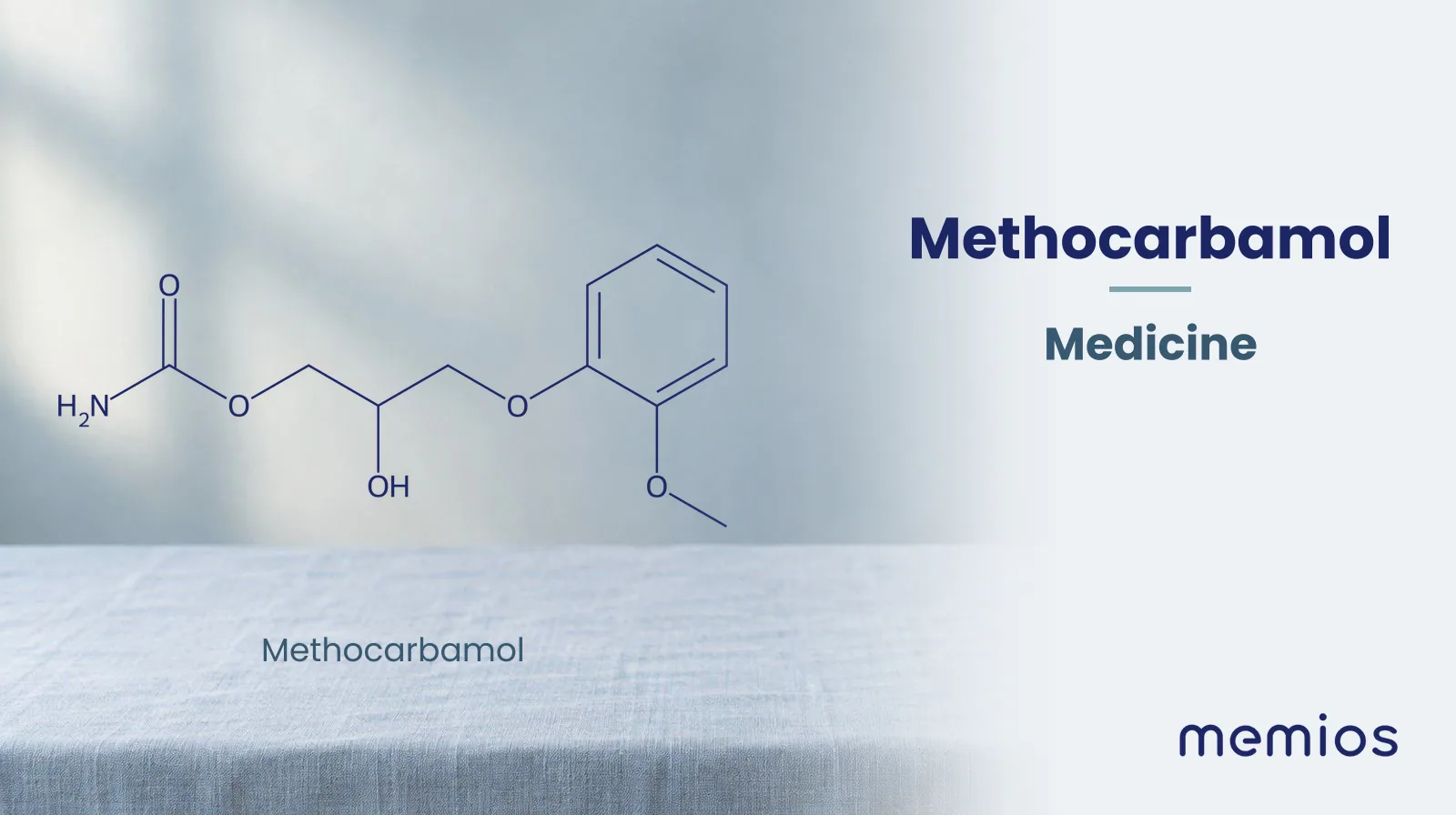
Methocarbamol
Its own manufacturer's label says its mechanism has not been established in humans and may simply reflect general sedation of the central nervous system rather than a specific muscle-relaxing action. Small randomized trials show modest short-term benefit when combined with an NSAID.
2026-09-30 · 10 min read
 Supplements
Oregano oil
Limited evidence. The honest summary is that oregano is studied far more in test tubes than in people.
2026-09-30 · 15 min read
 Fasting
12-hour overnight fast
There are almost no randomised trials testing a 12-hour window as the intervention. It served as the control arm in two early time-restricted eating trials.
2026-09-30 · 9 min read
 Medications
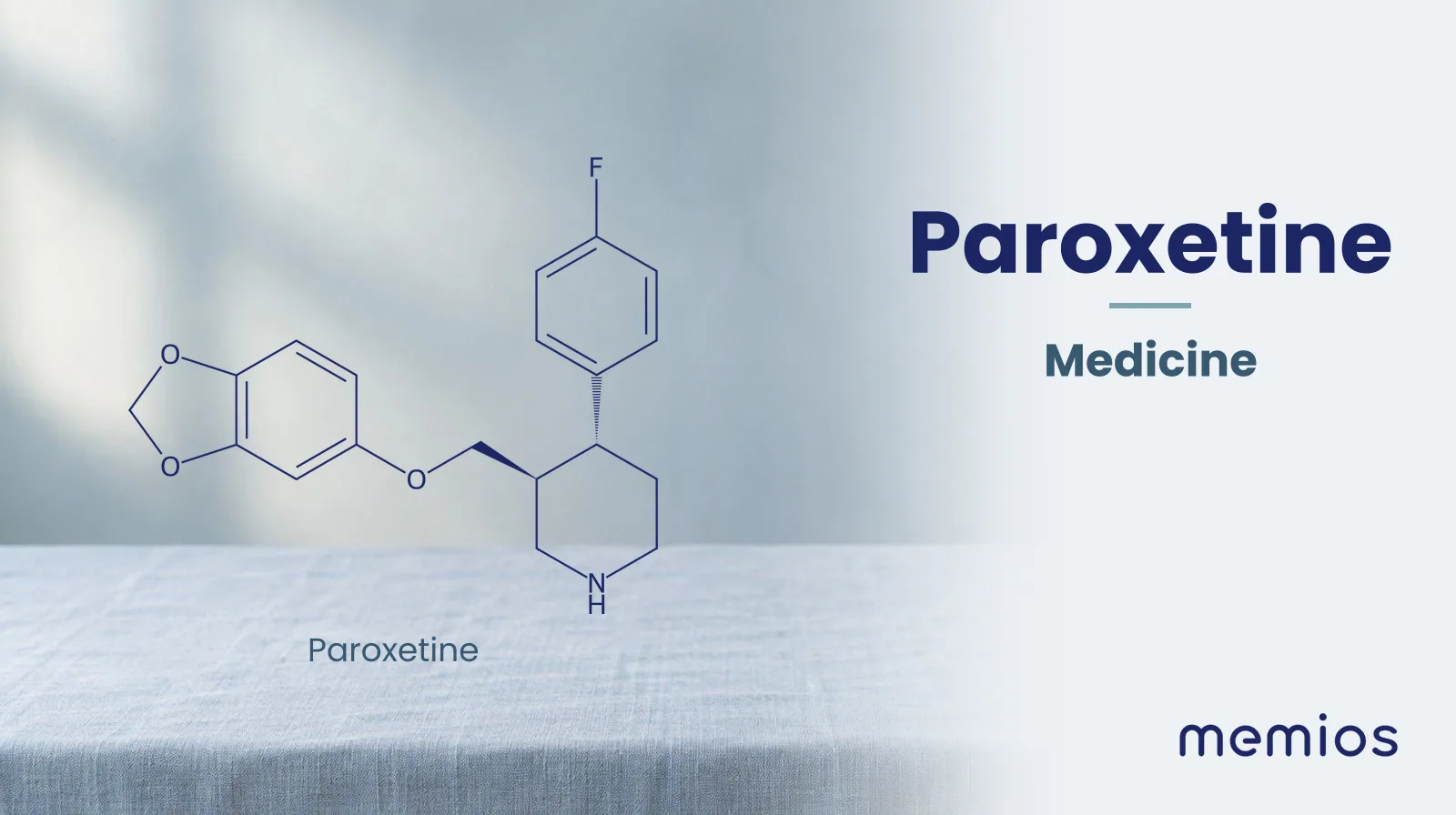
Paroxetine
The literature supports paroxetine as modestly more effective than placebo for adult depression, in line with other antidepressants, on evidence the largest network meta-analysis rated moderate to very low certainty.
2026-09-30 · 18 min read
 Supplements
Passionflower
Limited evidence. It is sold for nervousness and sleep. The strongest synthesis, a Cochrane review.
2026-09-30 · 10 min read
 Supplements
Peppermint oil
The best-quantified use is irritable bowel syndrome, where a 2022 meta-analysis of ten randomised trials found peppermint oil beat placebo for global symptoms and abdominal pain but rated the evidence very low quality by GRADE and found significantly more adverse events.
2026-09-30 · 14 min read
 Supplements
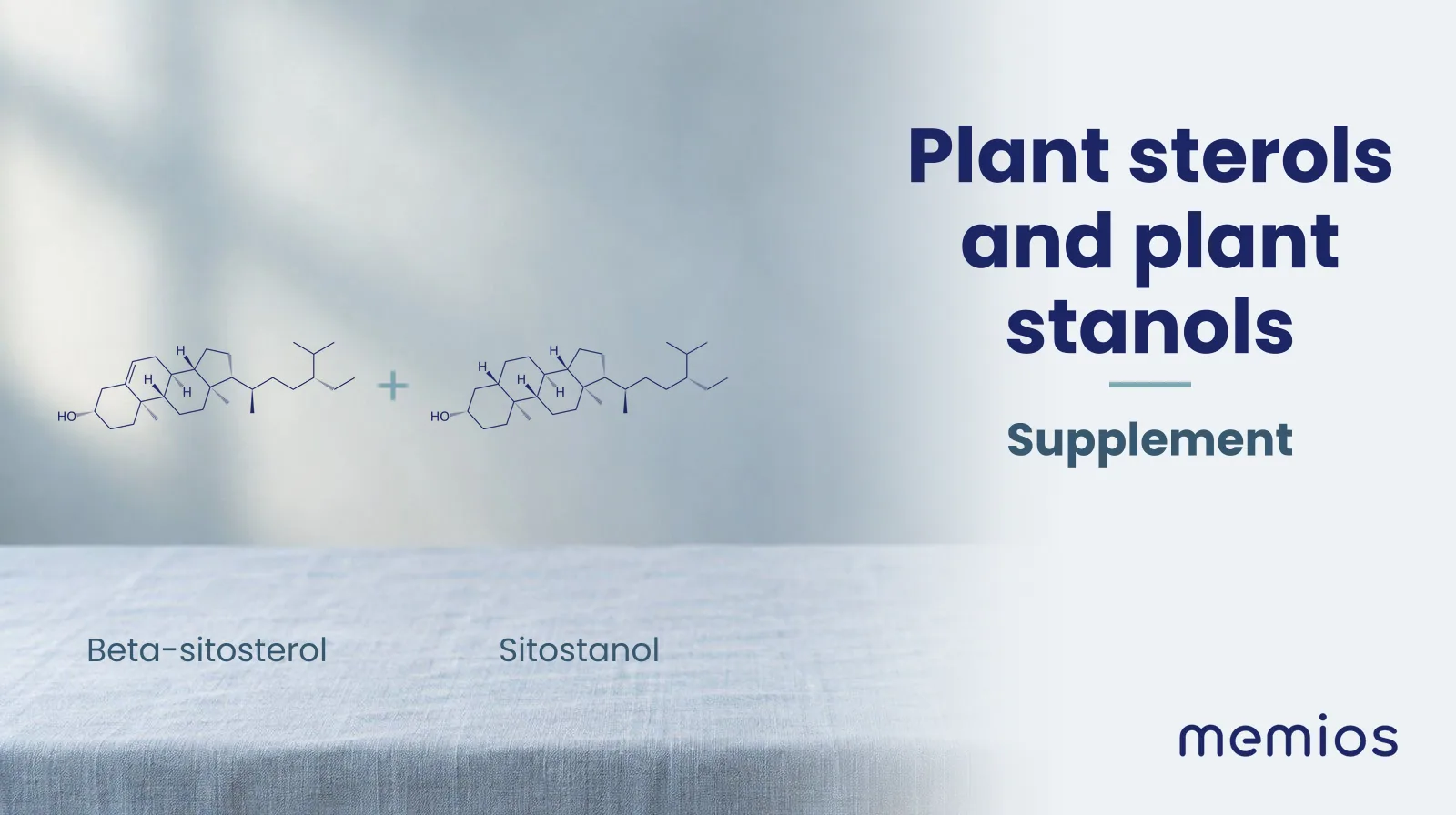
Plant sterols and plant stanols
This is the best-evidenced of the three ingredients in this group for its stated effect, and the most clearly bounded.
2026-09-30 · 14 min read
 Medications
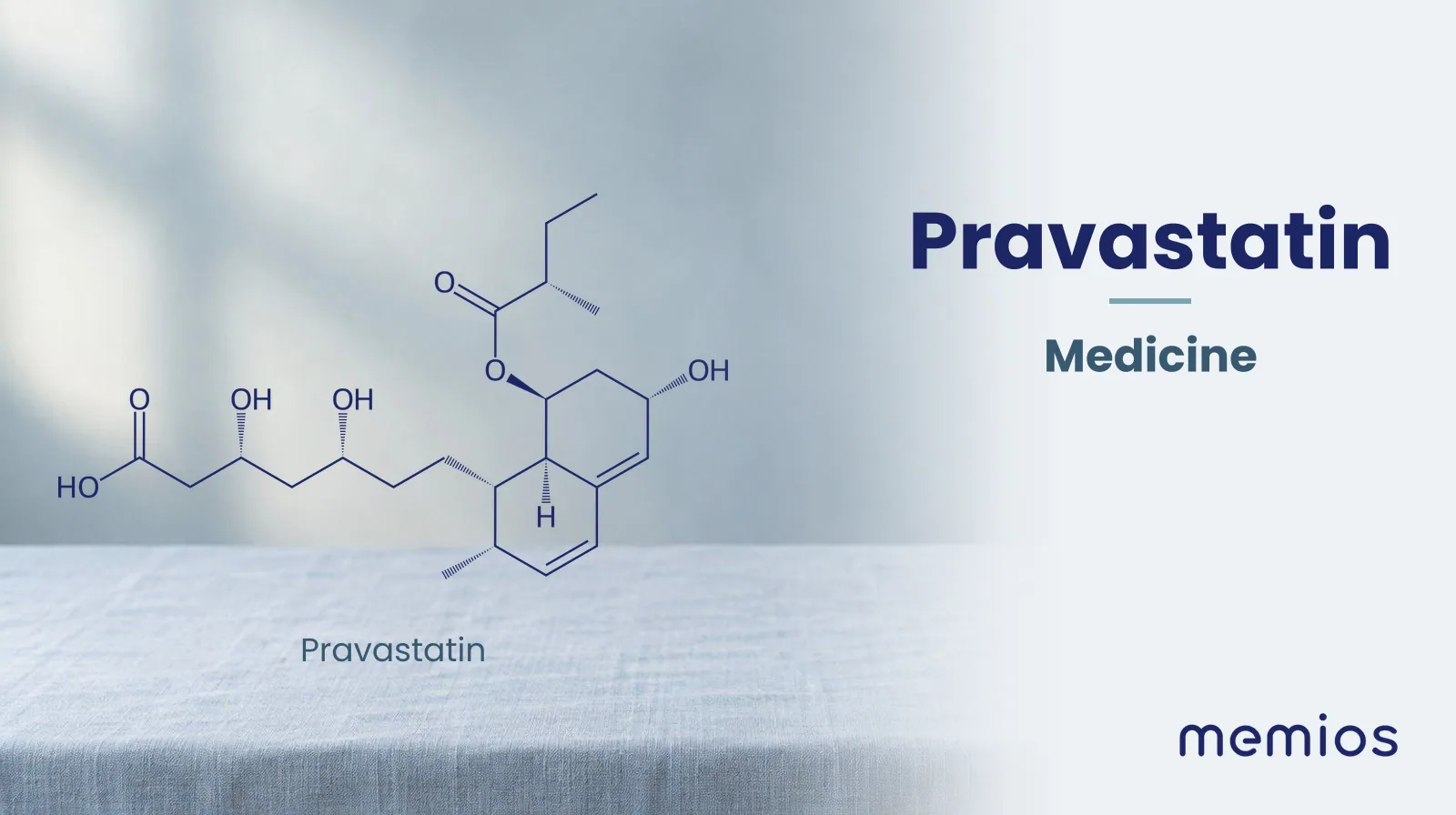
Pravastatin
For people who have not yet had a cardiovascular event, the Cochrane review of statins as a class found reductions in death from any cause (OR 0.86).
2026-09-30 · 17 min read
 Medications
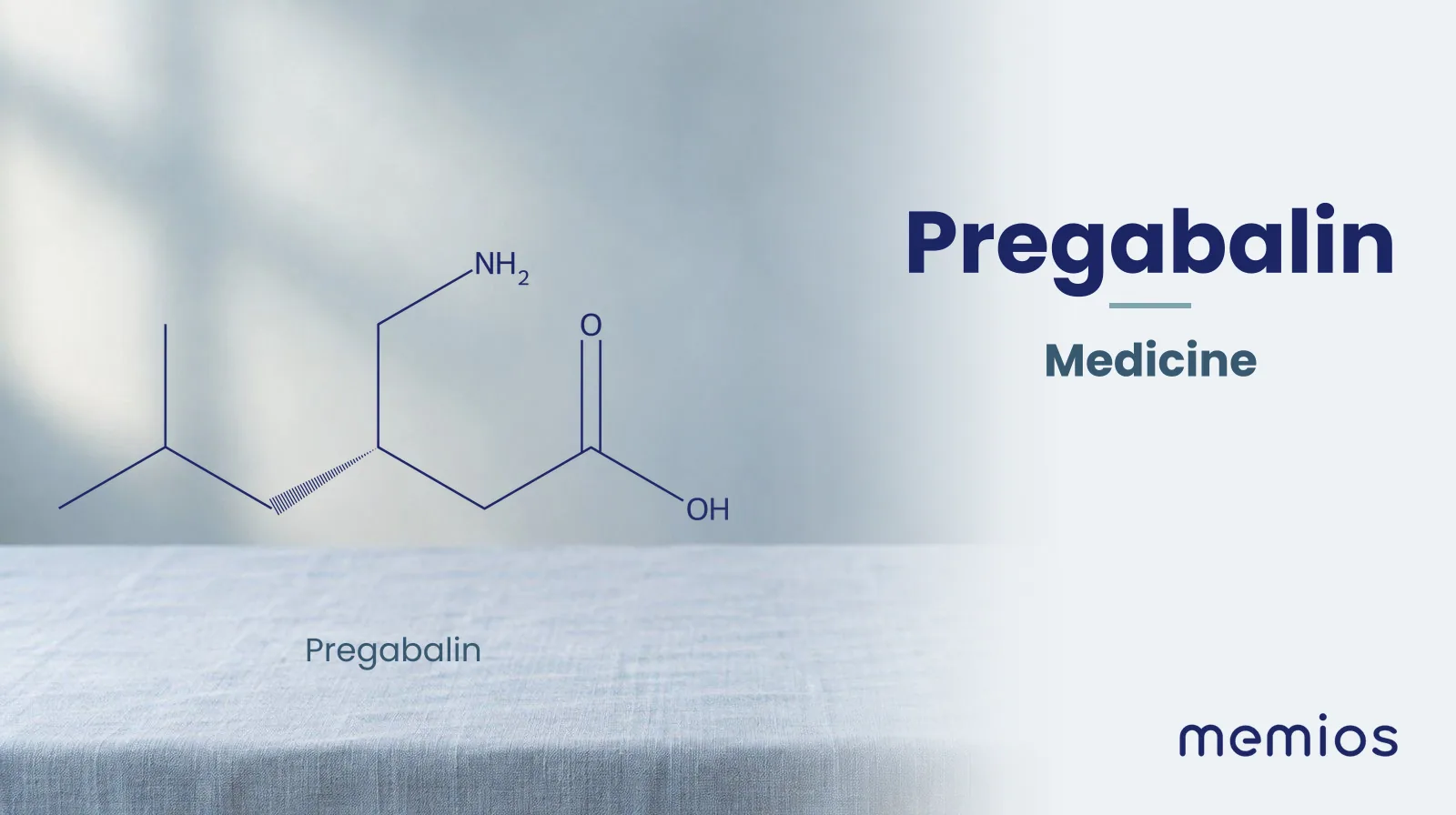
Pregabalin
Limited evidence. Pregabalin's benefit is real but narrow and condition-specific.
2026-09-30 · 26 min read
 Research
Do probiotics help after bowel preparation or colonoscopy?
Limited evidence. Results are mixed.
2026-09-30 · 7 min read
 Research
Do probiotics or synbiotics taken during or after antibiotics help?
Pooled randomised evidence shows fewer episodes of antibiotic-associated diarrhoea when a probiotic is taken alongside antibiotics.
2026-09-30 · 14 min read
 Medications
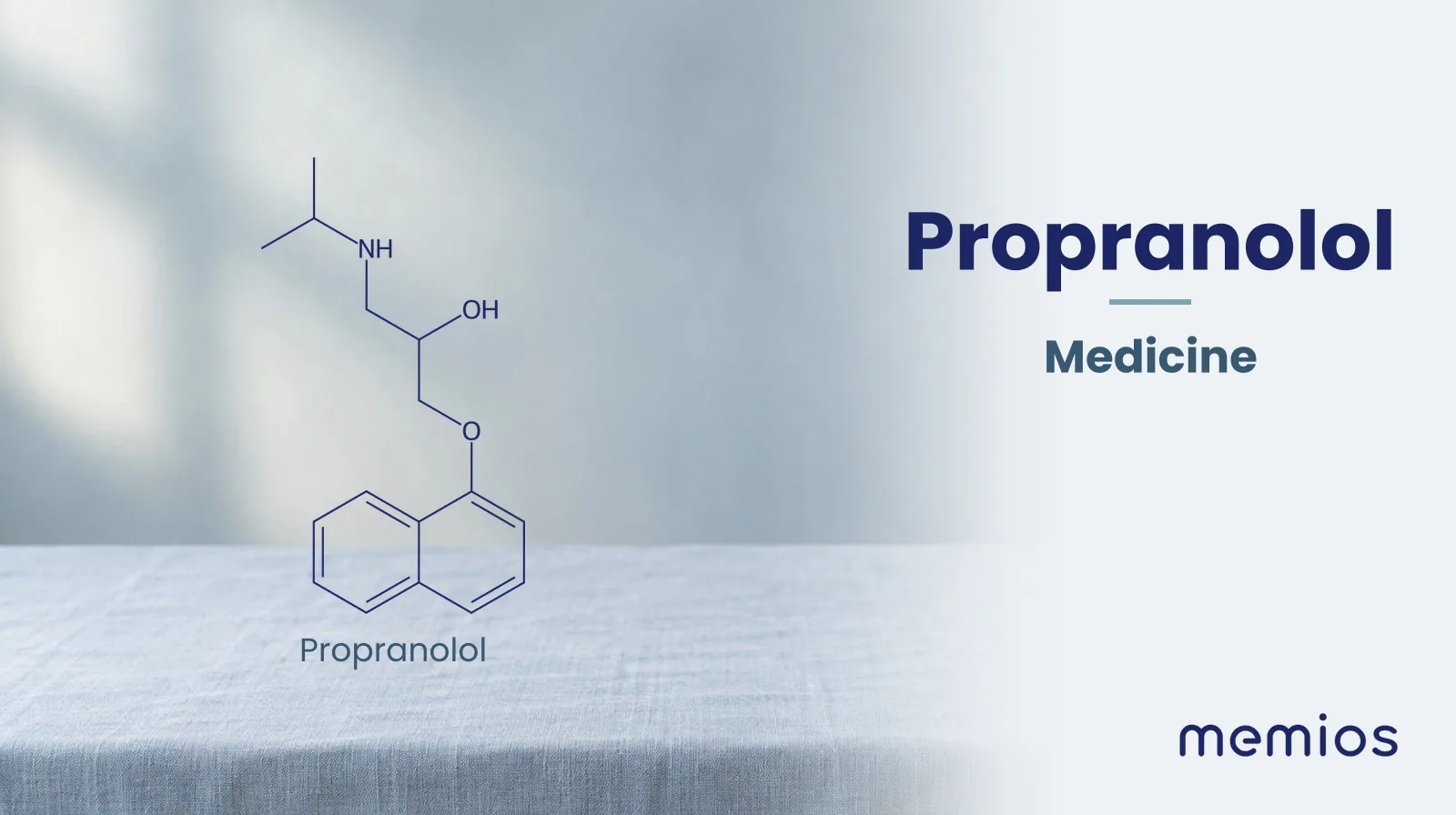
Propranolol
Well established. The strongest outcome evidence is in two places.
2026-09-30 · 17 min read
 Supplements
Psyllium husk
Psyllium has one of the stronger evidence bases among fibre supplements for lowering LDL cholesterol.
2026-09-30 · 9 min read
 Supplements
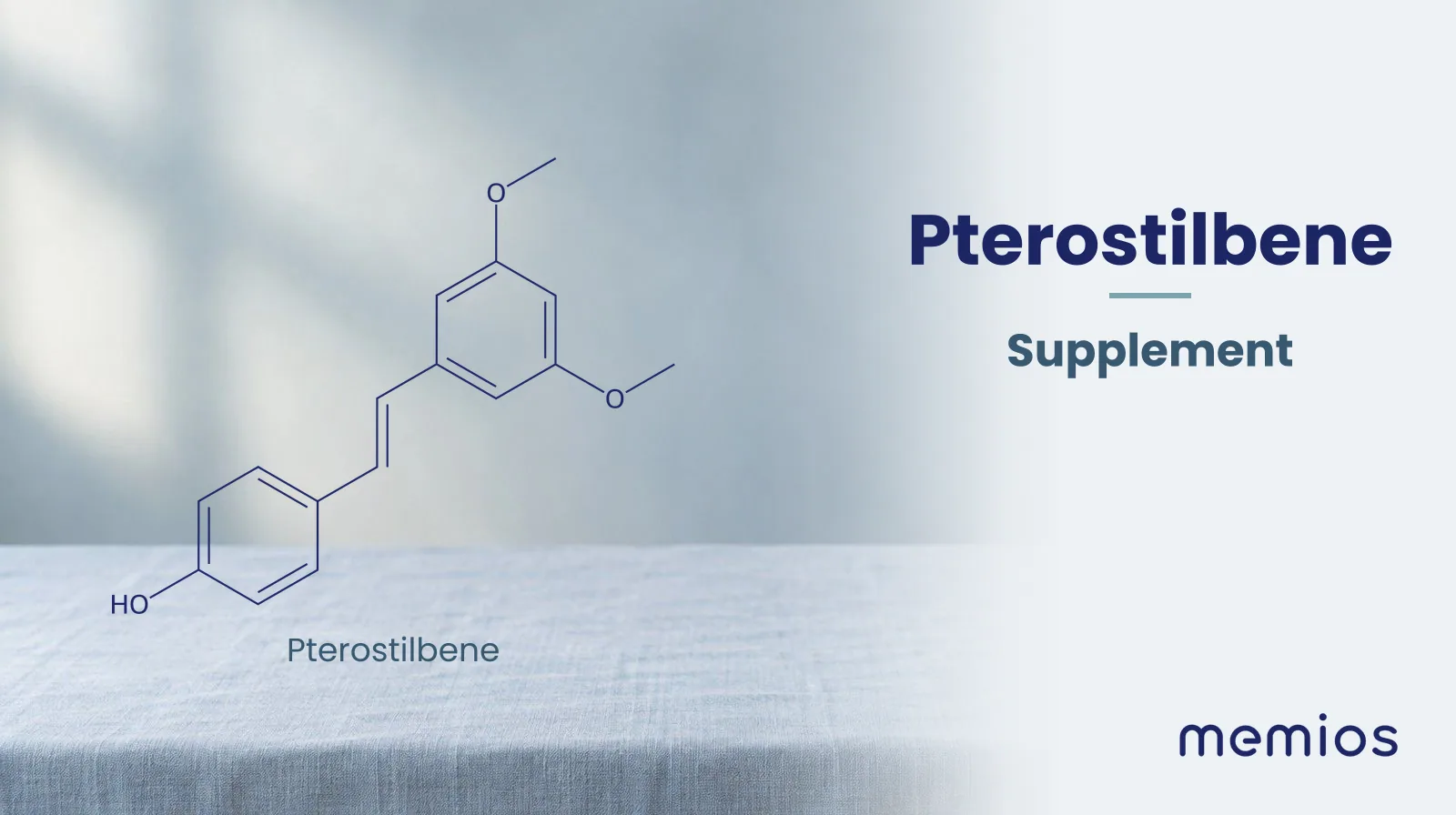
Pterostilbene
The most reliable human finding about pterostilbene is an unwanted one: in the only substantial randomised trial of metabolic effects, LDL cholesterol rose by about 17 mg/dL with pterostilbene taken alone.
2026-09-30 · 14 min read
 Medications
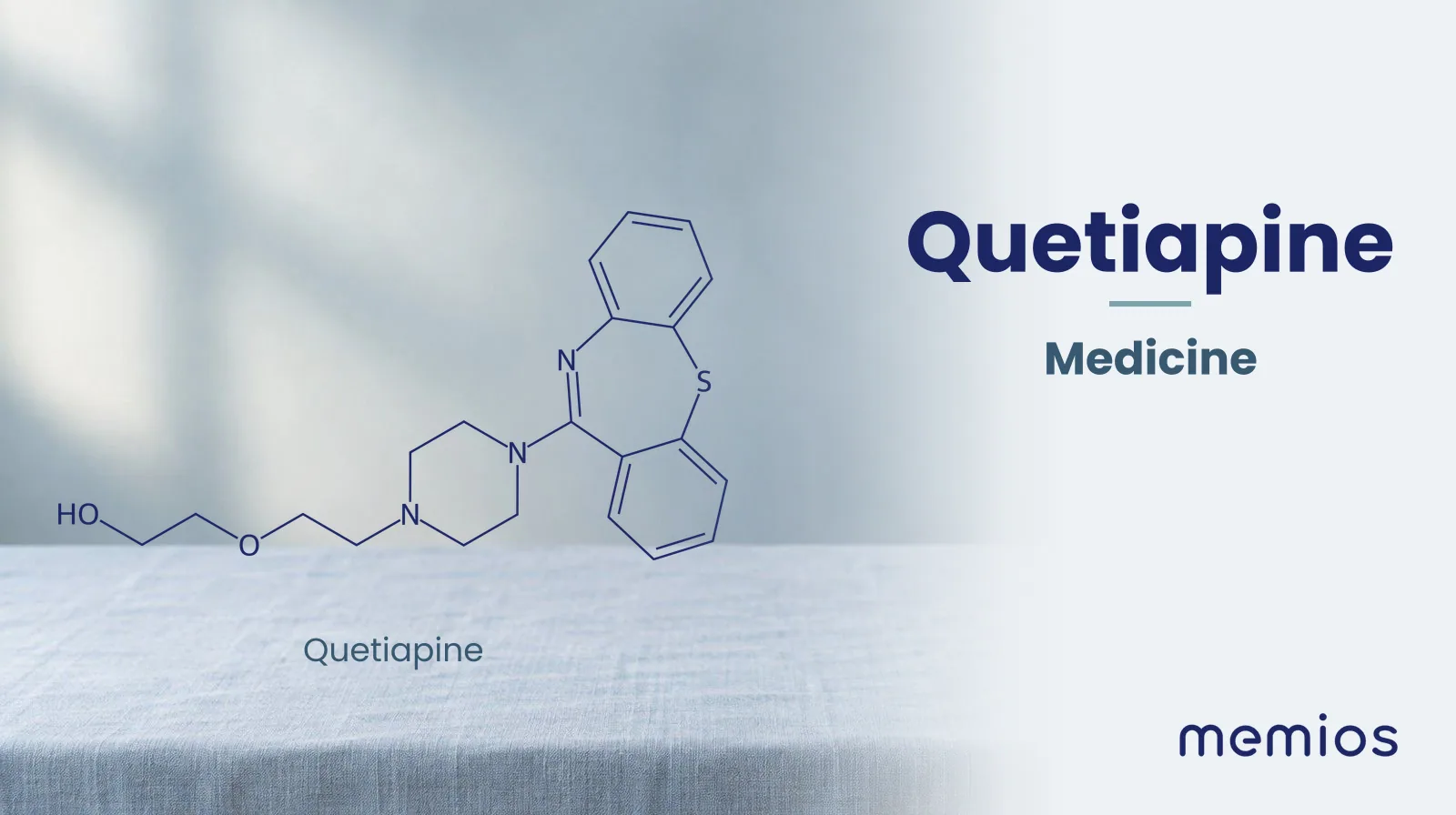
Quetiapine
For the conditions it is approved for, the evidence is real but narrower than the prescribing suggests.
2026-09-30 · 21 min read
 Fasting
Religious partial fasts
Limited evidence. Evidence is limited to observational studies and short uncontrolled trials.
2026-09-30 · 9 min read
 Supplements
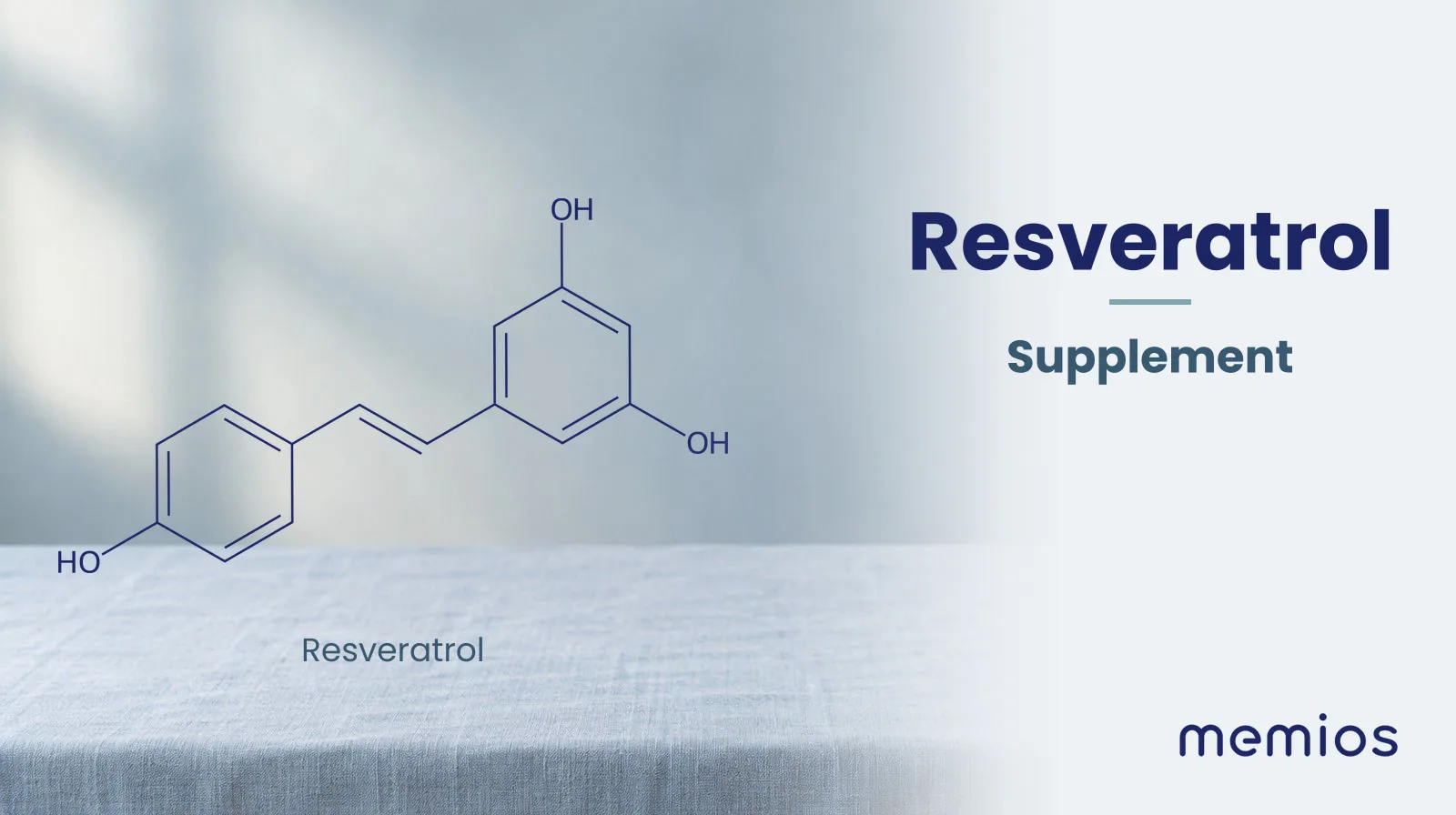
Resveratrol
Disputed. The human evidence is contested rather than settled.
2026-09-30 · 13 min read
 Supplements
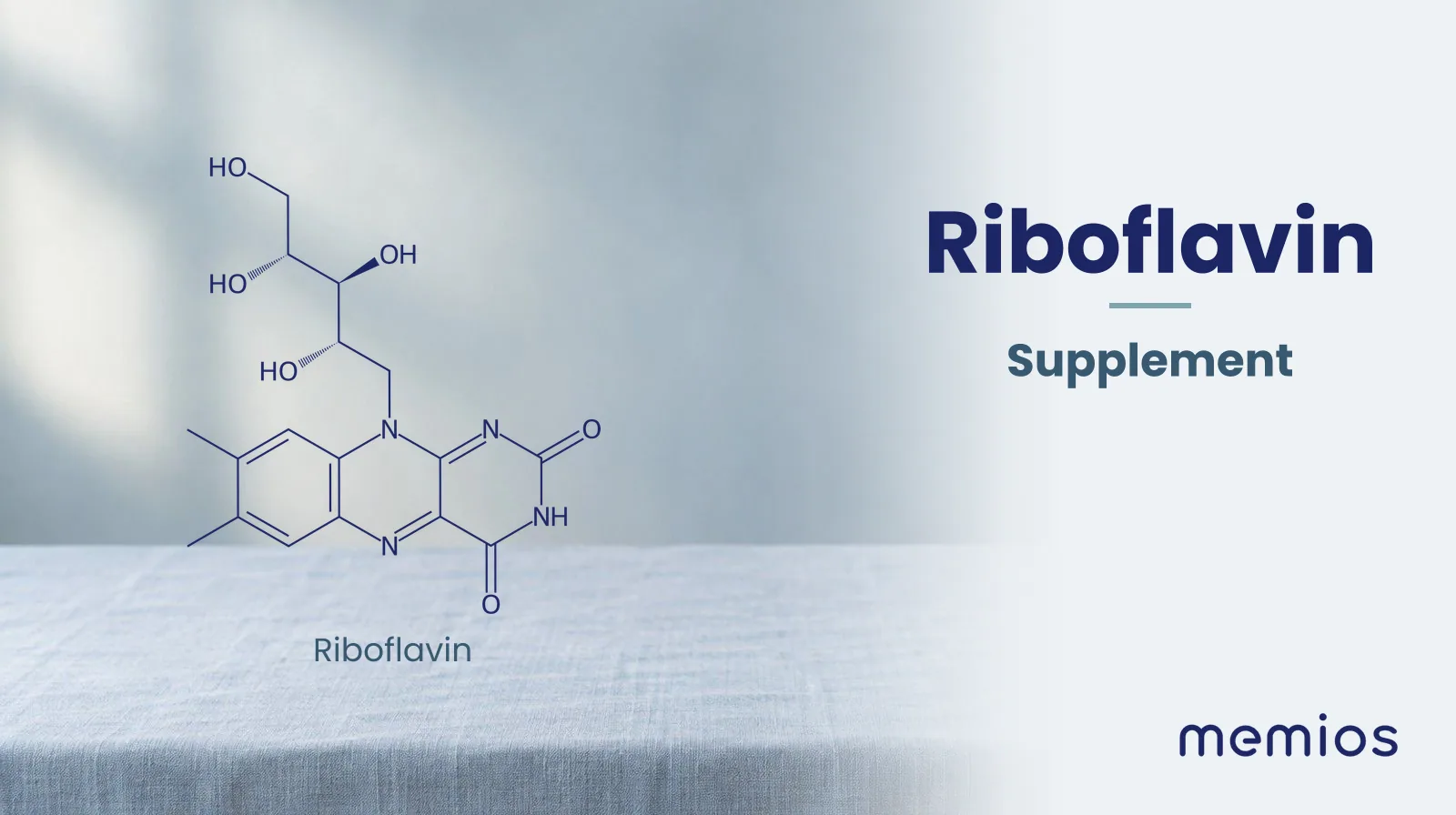
Riboflavin
Riboflavin's coenzymes are needed for energy production, growth and metabolism of fats and drugs.
2026-09-30 · 9 min read
 Supplements
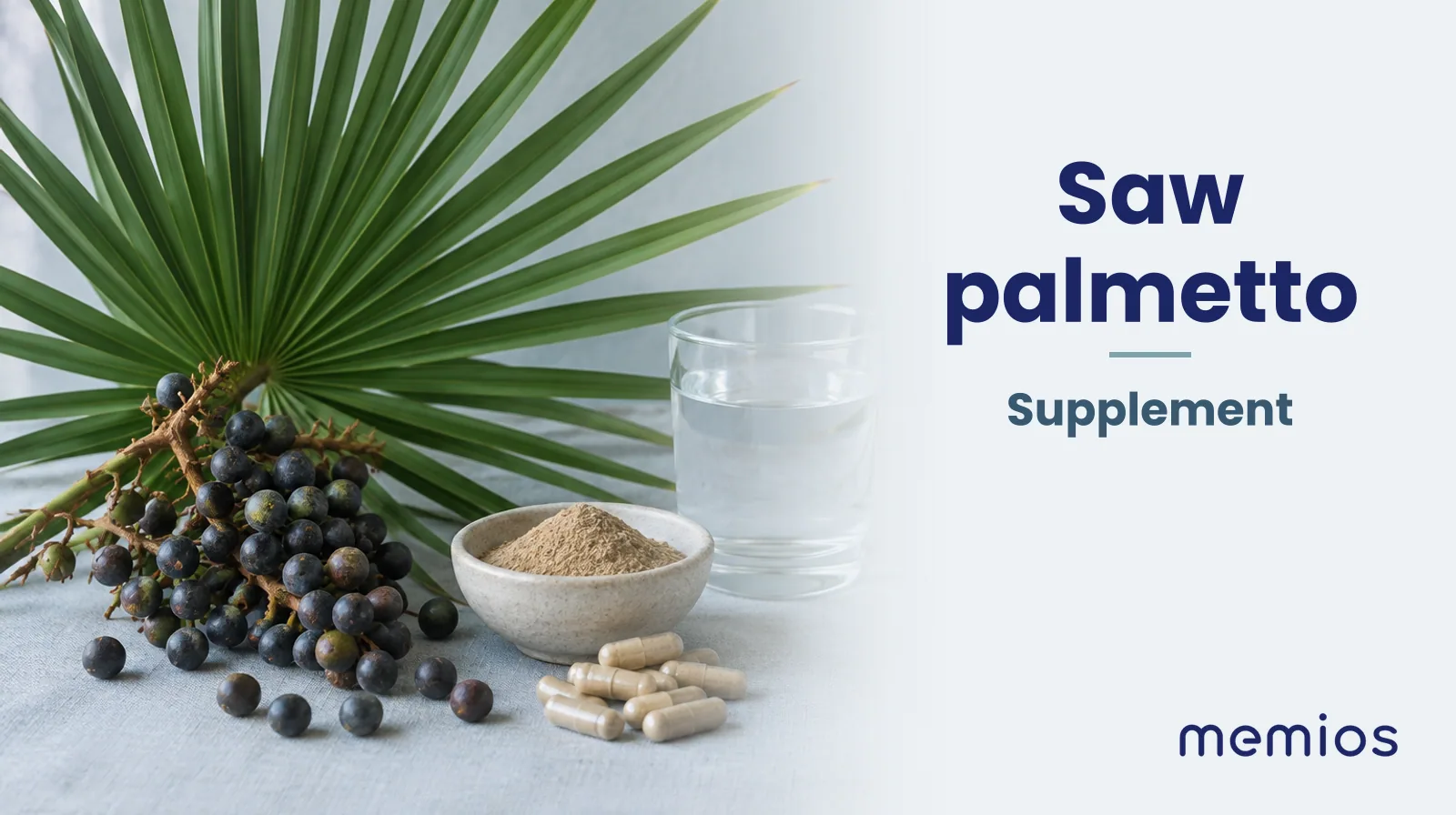
Saw palmetto
Saw palmetto is sold mainly for urinary symptoms from an enlarged prostate, and this is one of the few supplement questions the evidence has genuinely settled.
2026-09-30 · 14 min read
 Medications
Semaglutide
Large randomised trials show substantial weight loss (about 15% at 68 weeks versus 2.4% on placebo) and fewer heart attacks.
2026-09-30 · 19 min read
 Research
Small intestinal bacterial overgrowth (SIBO): how is it diagnosed, how reliable is breath testing, and does rifaximin work?
Limited evidence. The evidence here is limited.
2026-09-30 · 9 min read
 Medications
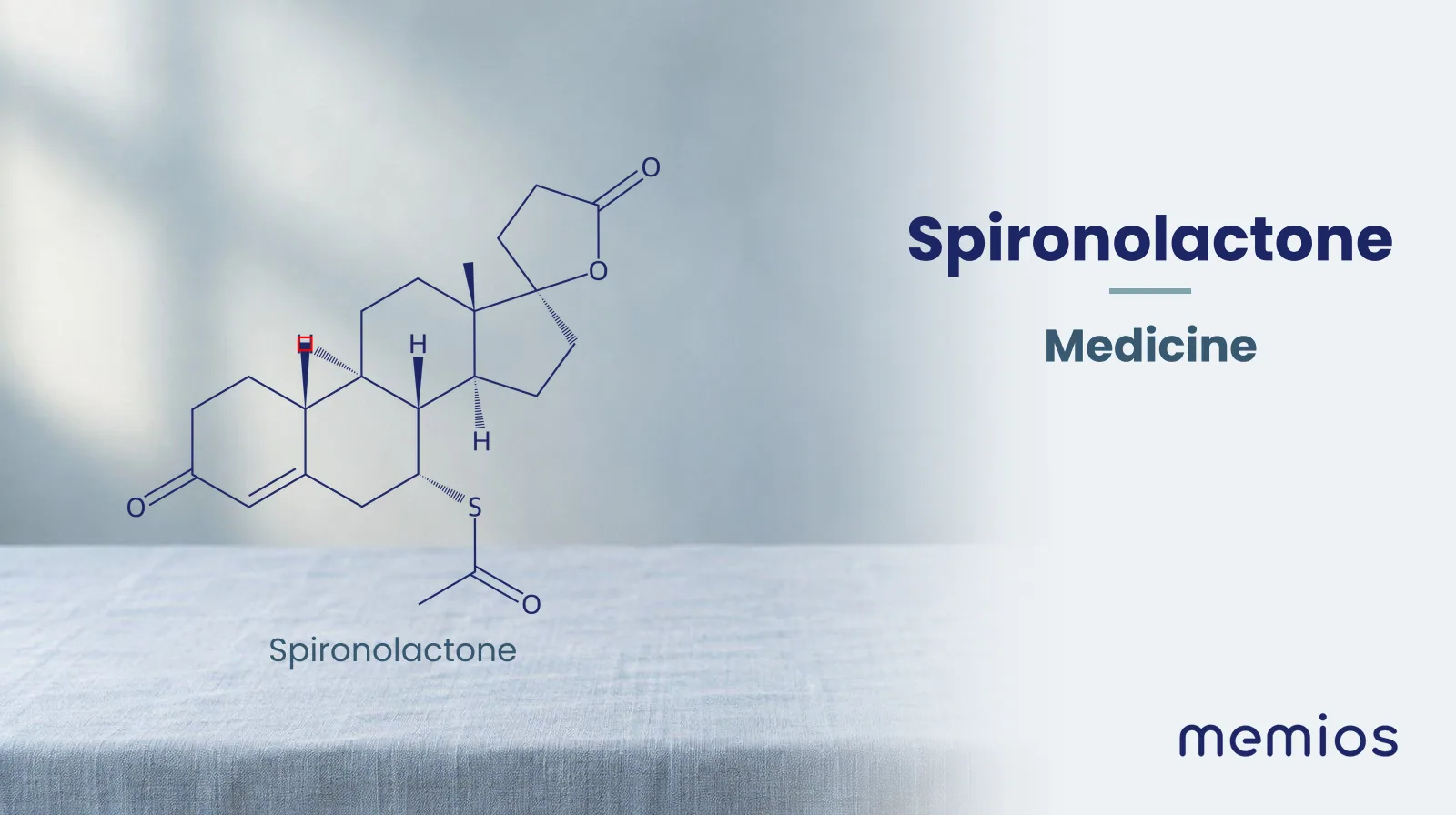
Spironolactone
Well established. The evidence differs sharply by use.
2026-09-30 · 24 min read
 Supplements
St John's wort
The evidence base is unusually large for a botanical: two systematic reviews covering roughly 29 to 35 randomised trials and 5,000 to 7,000 patients found that standardised hypericum extracts beat placebo for mild to moderate major depression and performed about the same as standard antidepressants, with fewer dropouts for side effects.
2026-09-30 · 15 min read
 Supplements
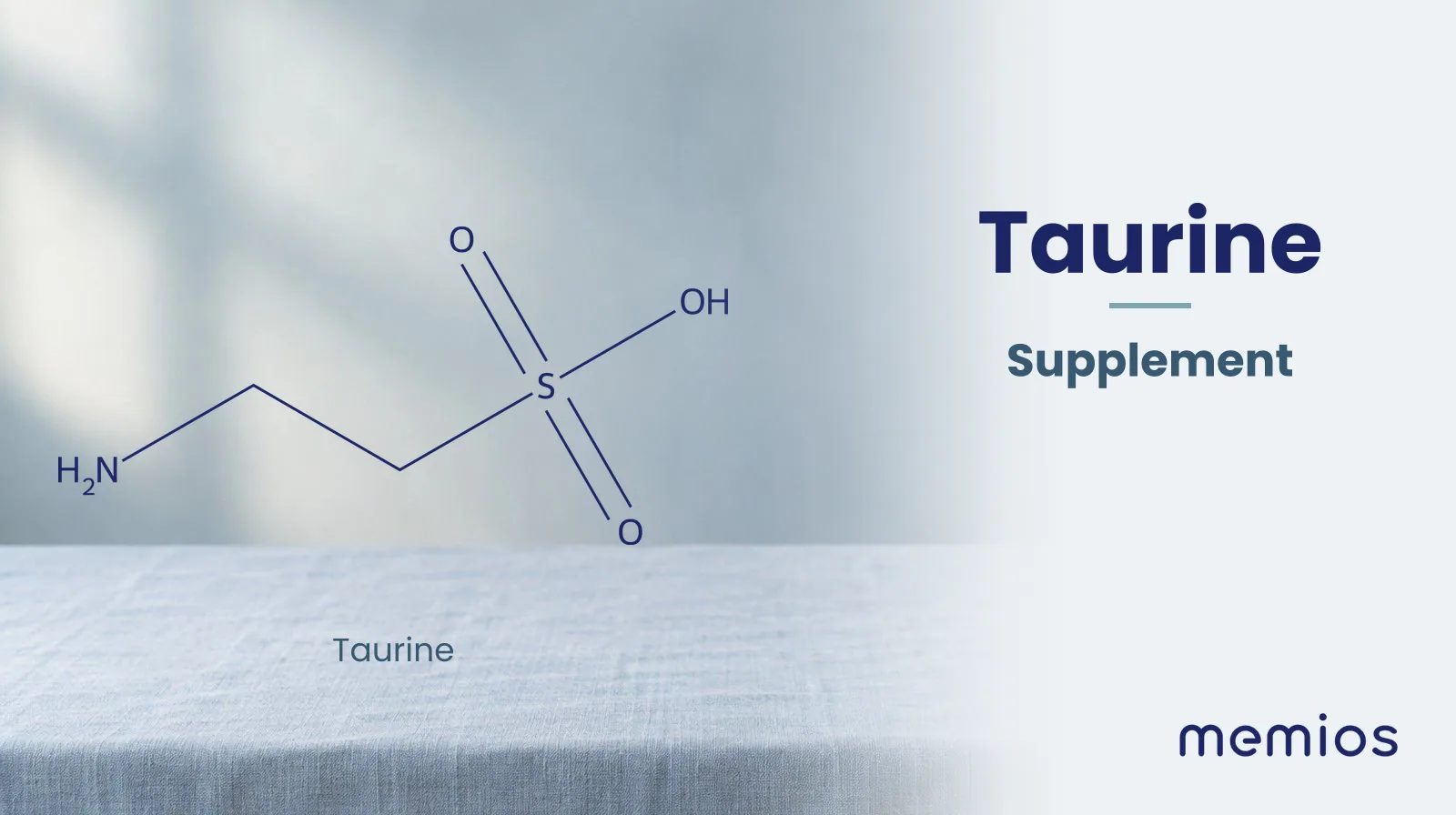
Taurine
Pooled randomised trials show modest average reductions in blood pressure and triglycerides with taurine supplements.
2026-09-30 · 18 min read
 Medications
Tirzepatide
Large industry-funded trials show substantial weight loss in obesity, better blood sugar than semaglutide in type 2 diabetes, fewer breathing pauses in sleep apnoea.
2026-09-30 · 11 min read
 Fasting
16:8 time-restricted eating
Evidence is limited and largely points to no advantage over ordinary calorie restriction. In TREAT (116 adults, 12 weeks) 16:8 eating was no better than three structured meals for weight (-0.26 kg difference.
2026-09-30 · 14 min read
 Fasting
18:6 time-restricted eating
Limited evidence. Evidence is limited to short trials, 5 to 8 weeks long, with small numbers.
2026-09-30 · 12 min read
 Supplements
Turkey tail
Most evidence concerns the PSK extract given with chemotherapy after cancer surgery in Japan. A meta-analysis of 8,009 gastric cancer patients found a modest survival advantage.
2026-09-30 · 8 min read
 Supplements
Valerian
Disputed. The honest summary is that the evidence is weak and contradictory.
2026-09-30 · 14 min read
 Supplements
Vitamin B12
The clearest evidence concerns people who are deficient or at risk: long-term metformin use and long-term acid-suppressing drugs (PPIs and H2 blockers) are associated with lower B12 status.
2026-09-30 · 11 min read
 Supplements
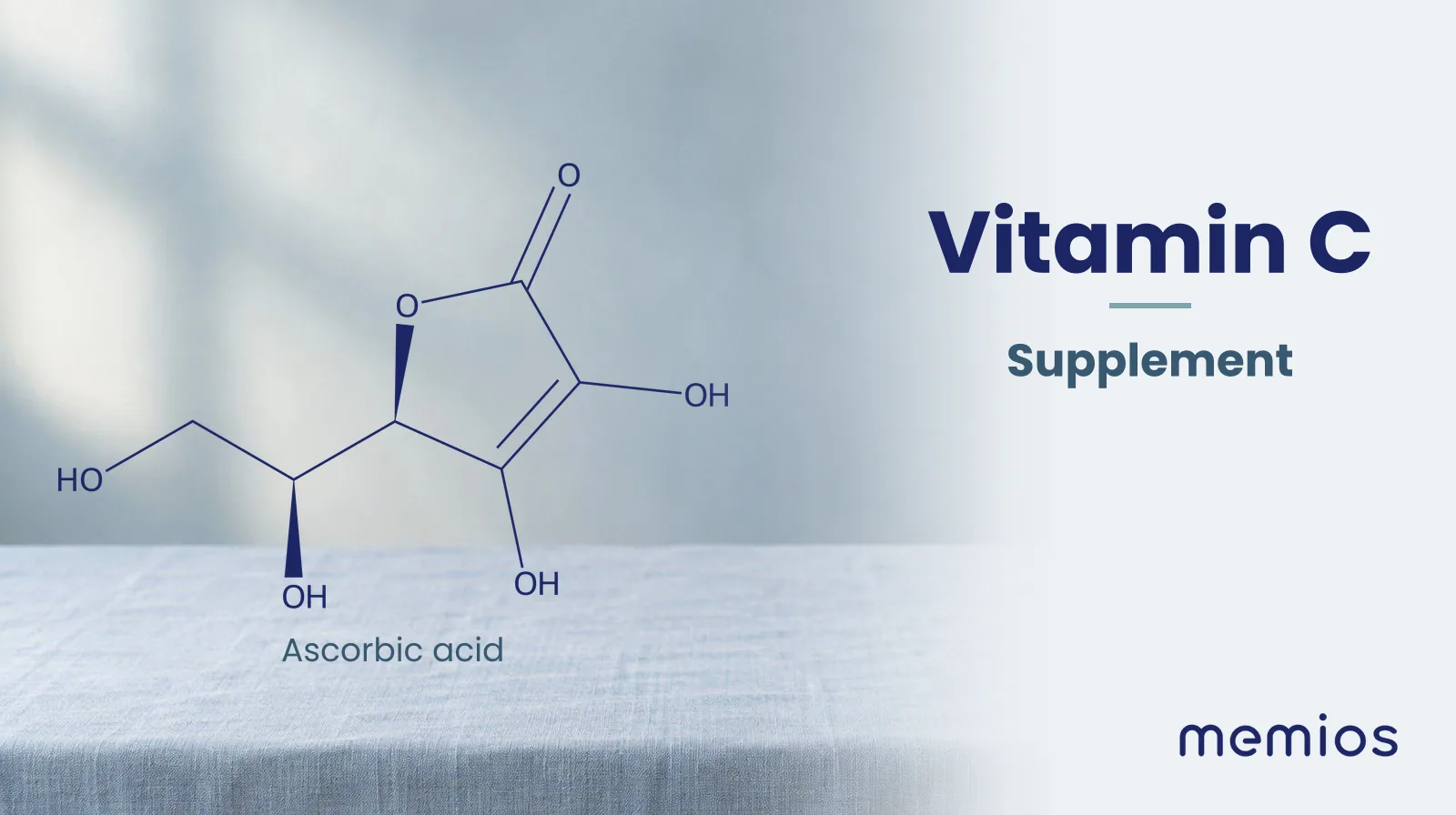
Vitamin C
Vitamin C is an essential nutrient, so correcting a deficiency is genuinely curative - untreated scurvy is fatal.
2026-09-30 · 17 min read
 Research
What do the trials actually show for fibre, fluid, laxatives, movement, toileting and pelvic floor training?
The 2023 joint American Gastroenterological Association and American College of Gastroenterology guideline gives its strongest recommendations with moderate certainty to polyethylene glycol.
2026-09-30 · 25 min read
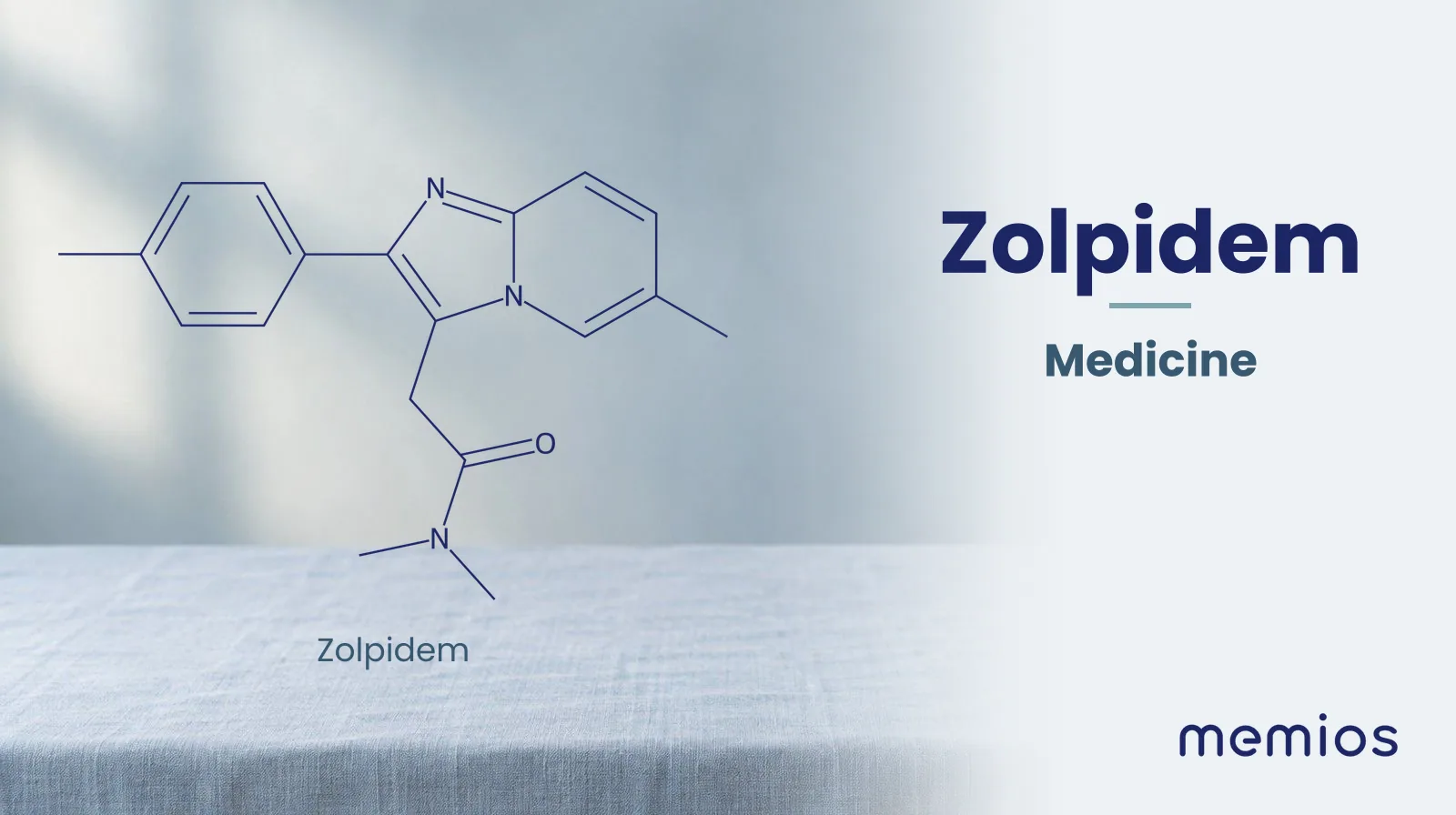 Medications
Zolpidem
The best evidence for zolpidem is short-term trial evidence in insomnia, and the measured effect is modest: pooled analysis of the trials submitted to the FDA found it shortened the time to fall asleep by about 22 minutes versus placebo.
2026-09-30 · 25 min read
 Supplements
Andrographis
A systematic review of 33 trials (7,175 patients) found it improved cough, sore throat and overall symptoms of acute respiratory infections, but the trials were of poor quality.
2026-09-30 · 11 min read
 Medications
Baclofen
It is approved to reduce spasticity from multiple sclerosis and spinal cord disease, though a Cochrane review found the trial evidence for anti-spasticity drugs in MS poorly documented.
2026-09-30 · 13 min read
 Supplements
Cat's claw
Limited evidence. It is promoted for arthritis, cancer, viral infections and immunity.
2026-09-30 · 10 min read
 Supplements
Chaga
Chaga is claimed to help with inflammation, immunity, blood sugar and cancer, but these effects come from laboratory and animal studies.
2026-09-30 · 10 min read
 Medications
Diltiazem
In a large trial in high blood pressure, diltiazem prevented heart attacks, strokes and cardiovascular deaths about as well as diuretics and beta-blockers, with fewer strokes.
2026-09-30 · 13 min read
 Supplements
Lavender, oral
The evidence for oral lavender comes almost entirely from Silexan trials, and nearly all of them were funded by its manufacturer.
2026-09-30 · 15 min read
 Supplements
Maitake
A systematic review found a lack of systematic study of maitake's safety and effectiveness in people.
2026-09-30 · 8 min read
 Supplements
Mugwort
Mugwort has long traditional use for digestive and gynaecological complaints, and laboratory and animal studies report antioxidant, antispasmodic and other effects.
2026-09-30 · 11 min read
 Medications
Naproxen
The trial evidence shows naproxen relieves short-term pain well: in reviews of dental and surgical pain, about half of people got useful relief versus 15% on placebo.
2026-09-30 · 17 min read
 Medications
Prednisolone
The evidence depends on the condition. Steroids like it cut hospital admissions for acute asthma and treatment failure in COPD flare-ups.
2026-09-30 · 14 min read
 Supplements
Sage
Small trials suggest common sage may reduce menopausal hot flushes, and a few small studies report better memory scores, but the evidence base is small and often manufacturer-funded.
2026-09-30 · 13 min read
 Medications
Sumatriptan
Well established. Large Cochrane reviews show it works for acute migraine.
2026-09-30 · 15 min read
 Supplements
Thunder god vine
Limited evidence. The strongest evidence is for rheumatoid arthritis.
2026-09-30 · 12 min read
 Medications
Thyroid
Limited evidence. It replaces thyroid hormone in people with an underactive thyroid.
2026-09-30 · 12 min read
 Supplements
Tremella
Limited evidence. Most research on tremella is in cells and animals.
2026-09-30 · 7 min read
 Supplements
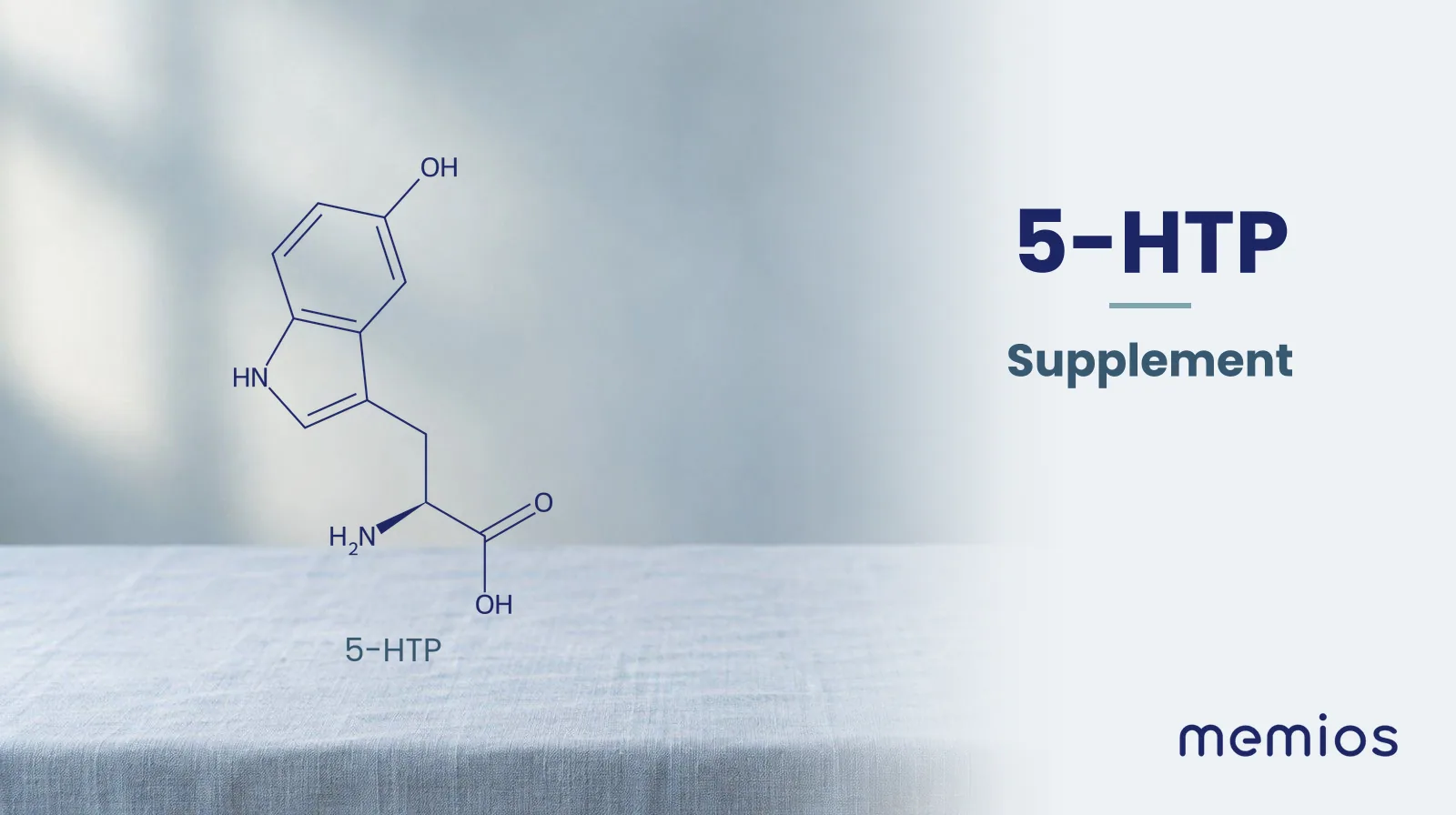
5-HTP
Limited evidence. The evidence is thin rather than absent.
2026-09-29 · 16 min read
 Medications
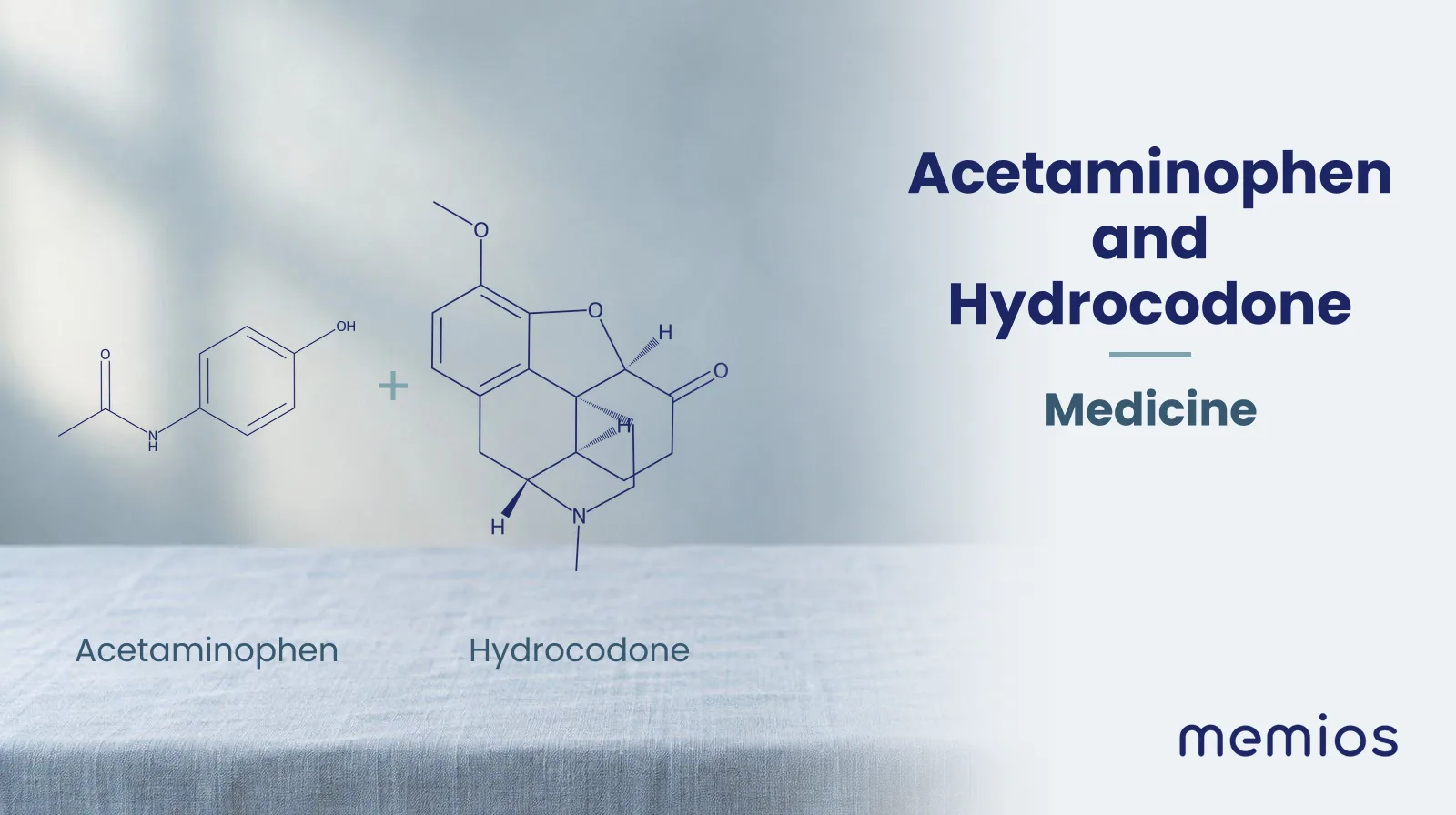
Acetaminophen; Hydrocodone
Limited evidence. In a single-dose dental-surgery trial it relieved pain better than placebo.
2026-09-29 · 11 min read
 Medications
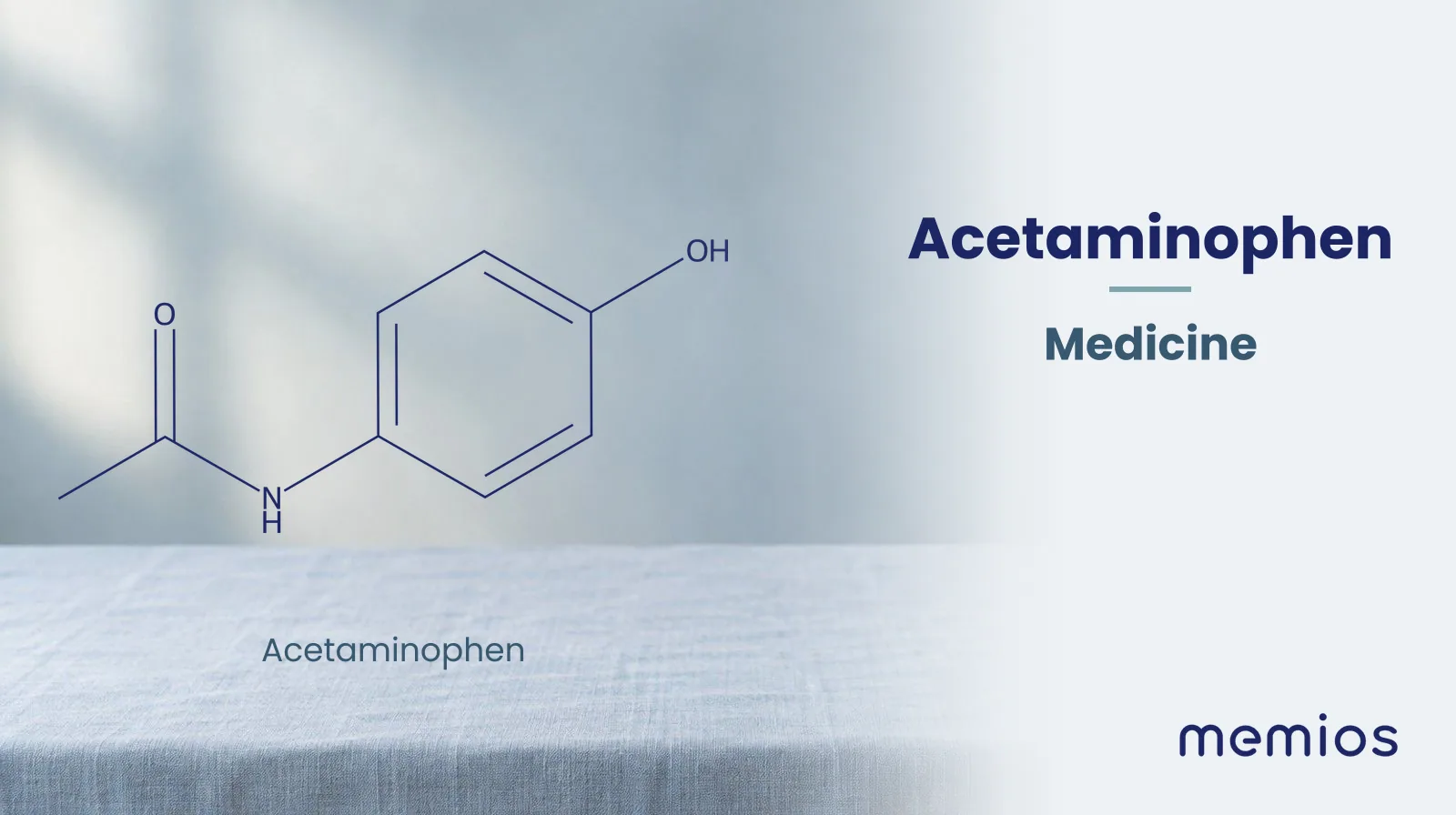
Acetaminophen
The evidence is use-specific and does not uniformly support 'it works for pain.' For single-dose acute pain (e.g. after surgery), Cochrane review data give a number needed to treat (NNT) of about 3.6 for a 1000 mg dose.
2026-09-29 · 15 min read
 Supplements
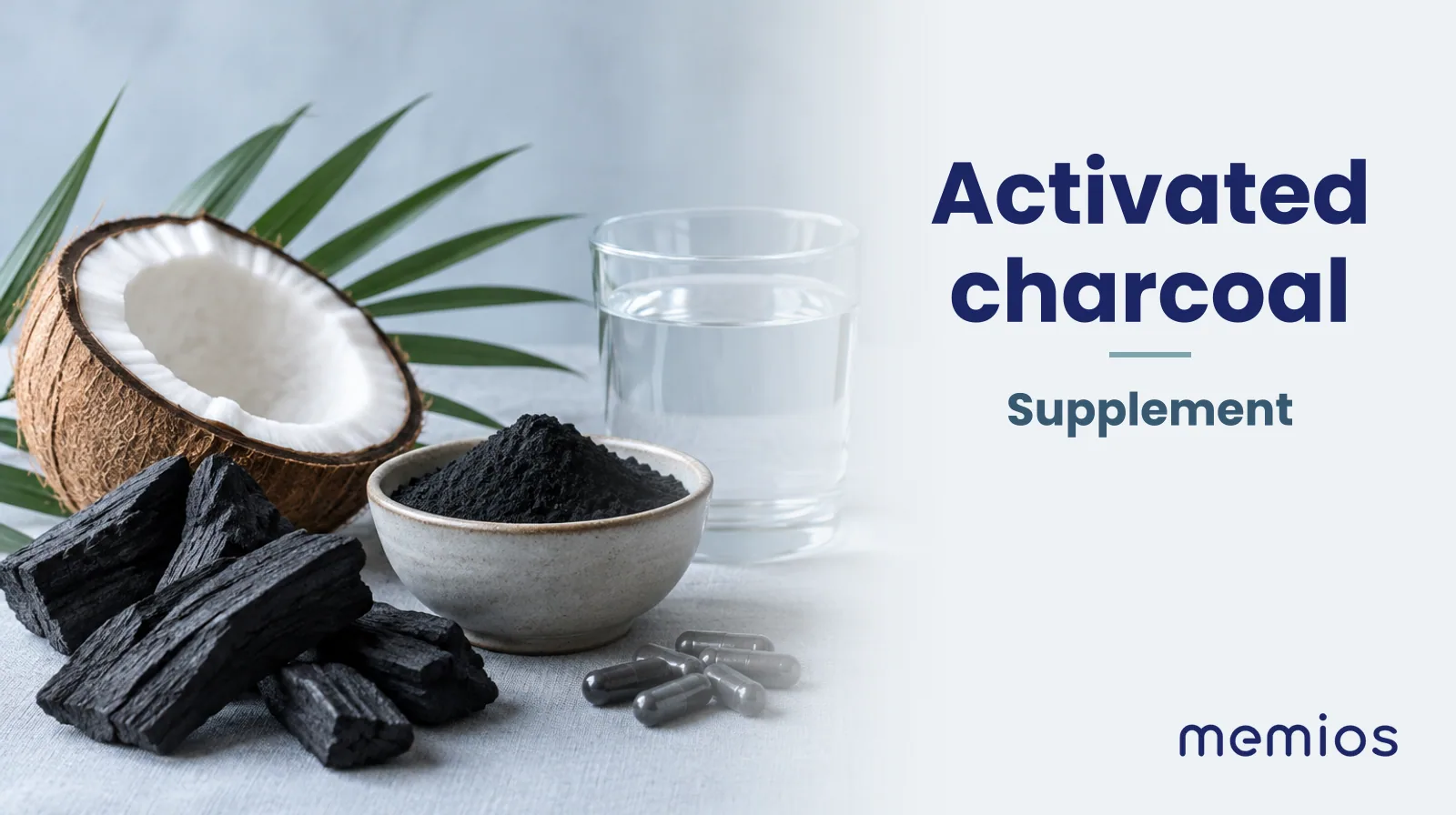
Activated charcoal
The evidence for activated charcoal sits almost entirely in acute poisoning medicine, not in consumer wellness.
2026-09-29 · 14 min read
 Medications
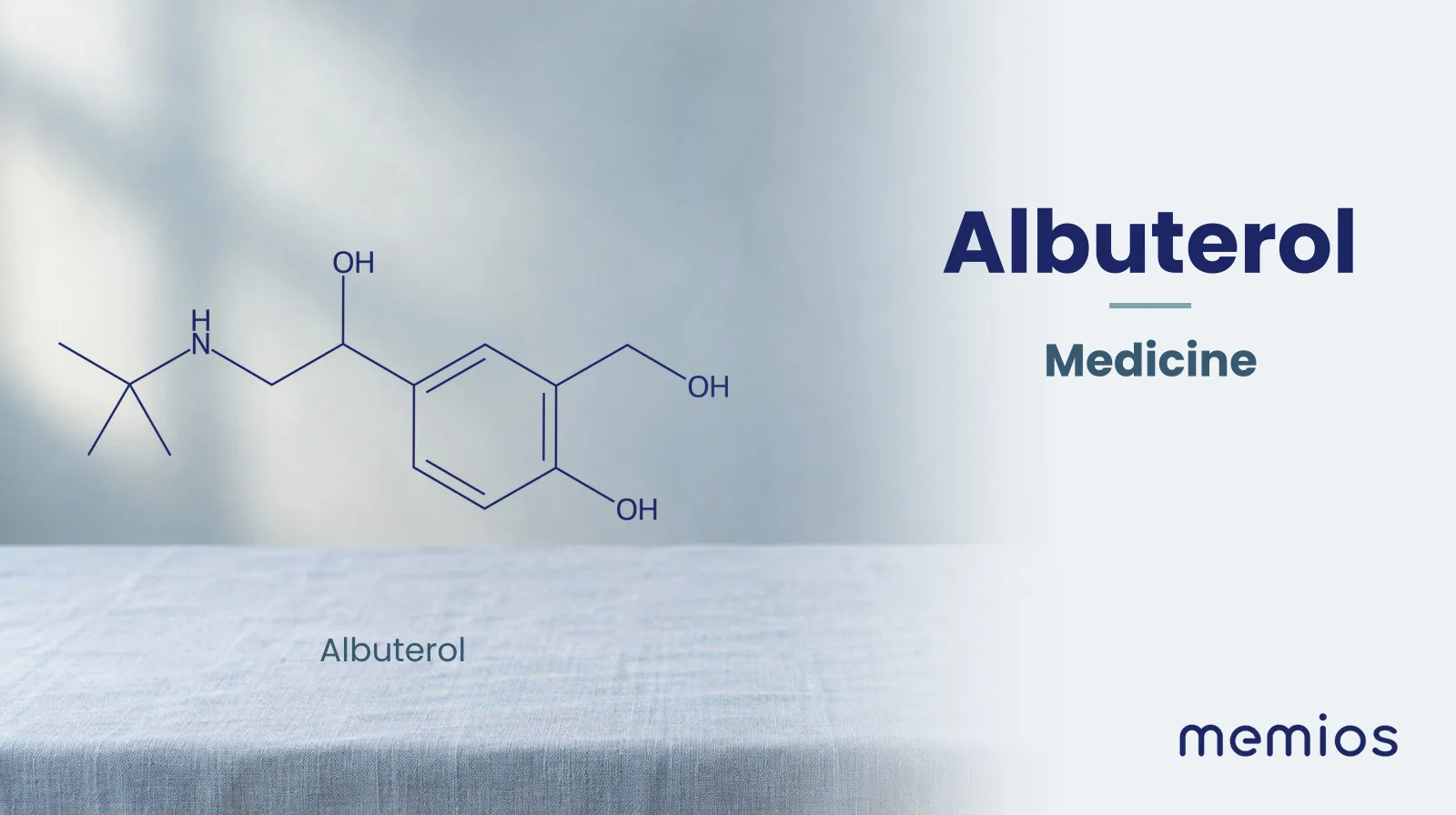
Albuterol
Albuterol relaxes airway muscle within minutes and reliably protects against exercise-induced narrowing of the airways when taken as a single dose.
2026-09-29 · 13 min read
 Supplements
Alfalfa
Limited evidence. Alfalfa is mainly promoted for cholesterol.
2026-09-29 · 7 min read
 Fasting
Alternate-day fasting
Limited evidence. The evidence for zero-calorie alternate-day fasting is thin: small, short trials.
2026-09-29 · 10 min read
 Supplements
American ginseng
American ginseng has been tested mainly for blood glucose, cancer-related fatigue and prevention of colds.
2026-09-29 · 14 min read
 Medications
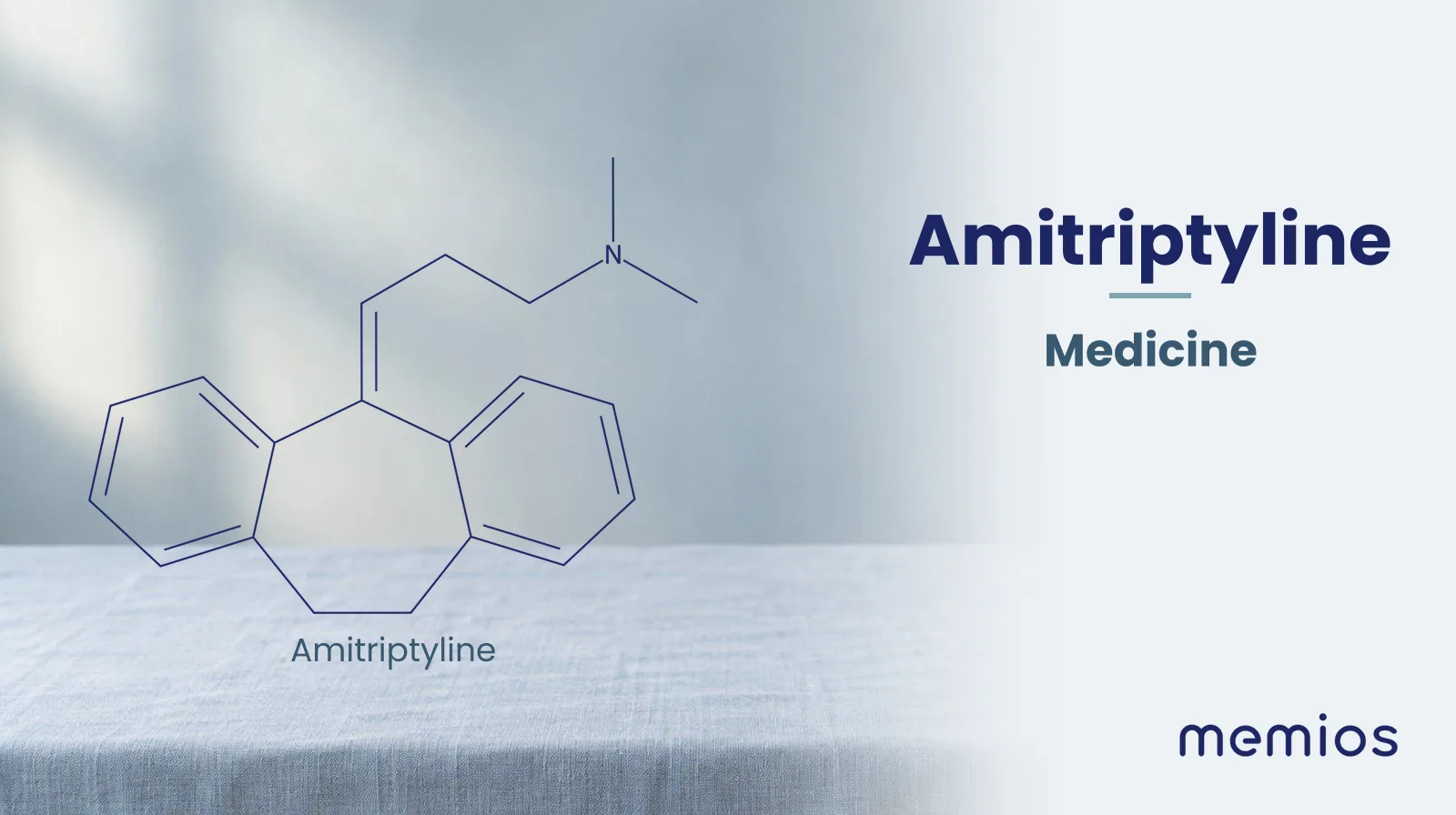
Amitriptyline
For depression, a Cochrane review of 39 trials found amitriptyline clearly beat placebo on response, but the trials were old and poorly reported.
2026-09-29 · 14 min read
 Medications
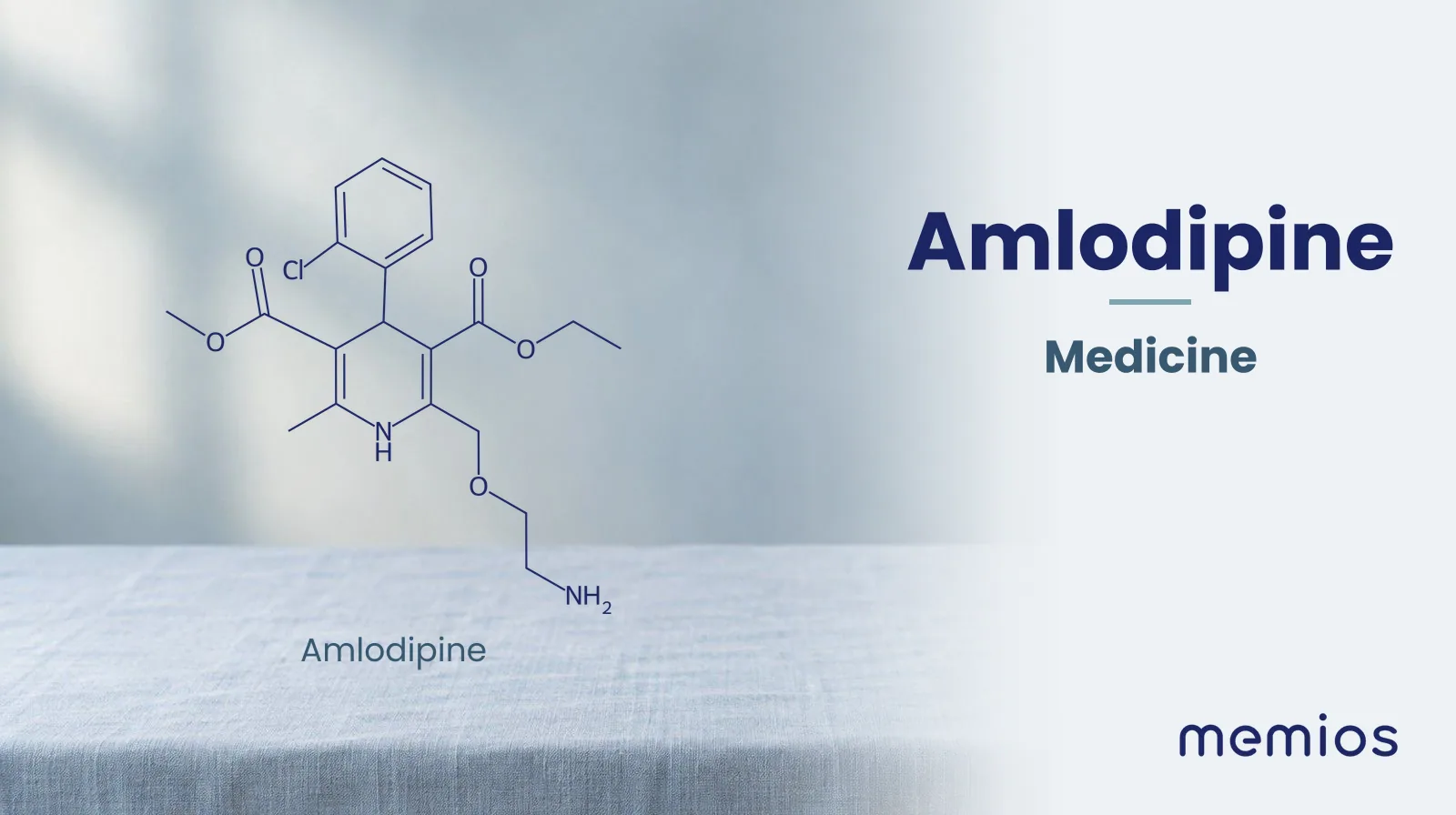
Amlodipine
In large outcome trials amlodipine-based treatment lowered blood pressure and cardiovascular events about as well as a thiazide diuretic (ALLHAT) and better than an atenolol-based regimen (ASCOT-BPLA).
2026-09-29 · 17 min read
 Medications
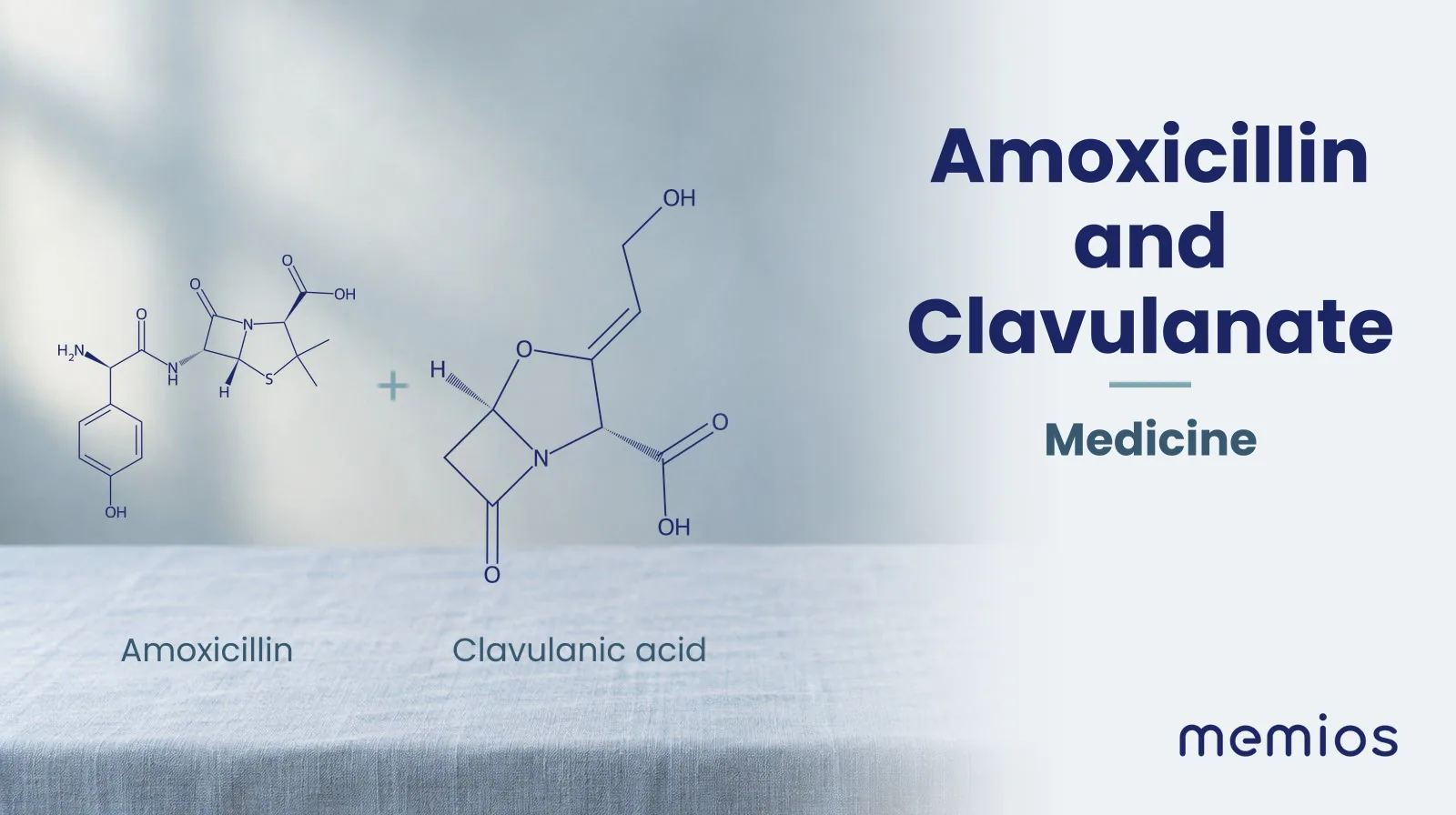
Amoxicillin; Clavulanate
Where placebo-controlled evidence exists, the benefit is real but modest and the harms are quantified.
2026-09-29 · 19 min read
 Medications
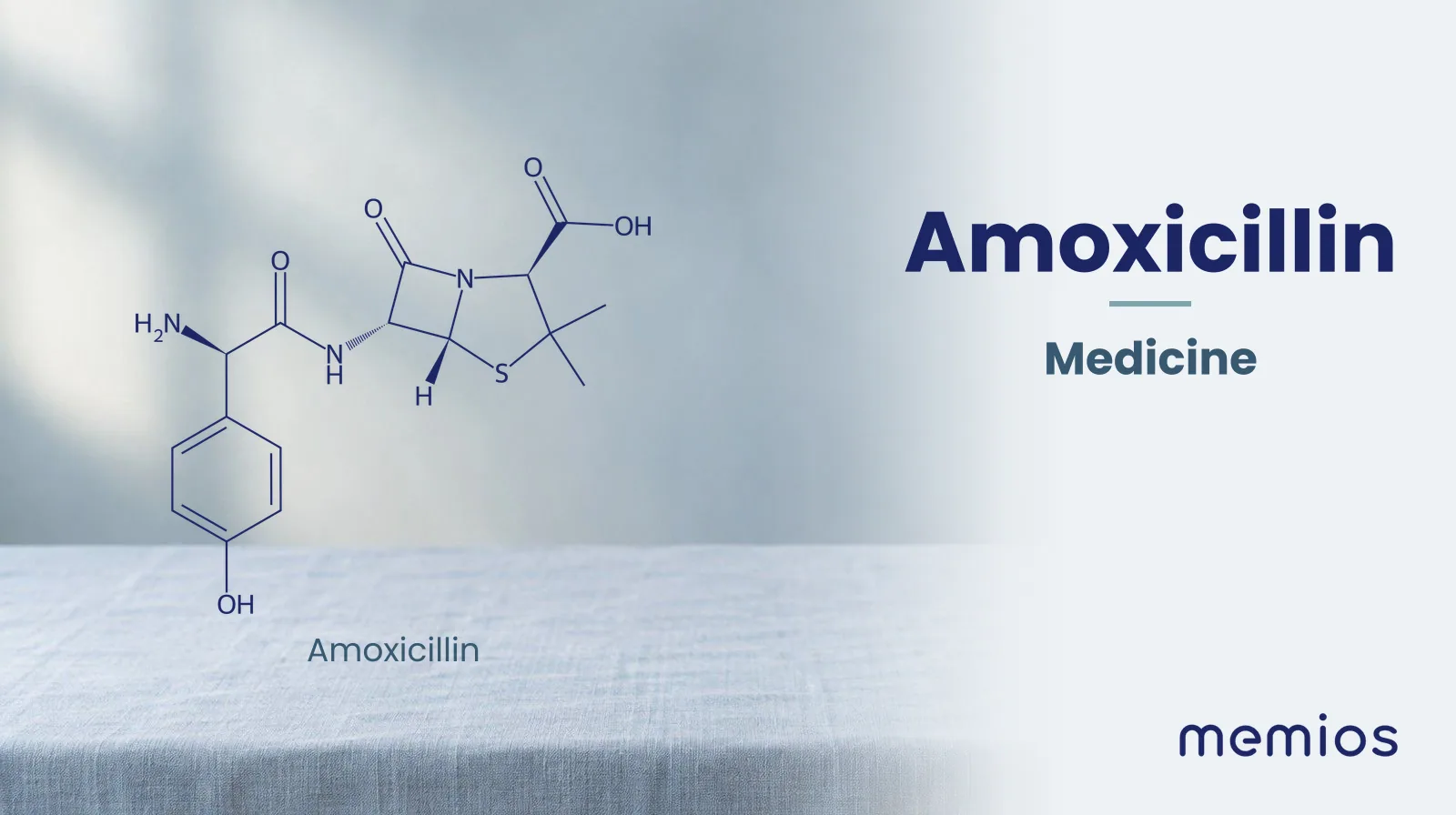
Amoxicillin
Well established. Amoxicillin kills susceptible bacteria.
2026-09-29 · 14 min read
 Supplements
Apple cider vinegar
The human evidence is made of small, short trials, several of them unblinded, and it points to modest metabolic changes rather than the weight-loss effect the product is usually sold for.
2026-09-29 · 13 min read
 Supplements
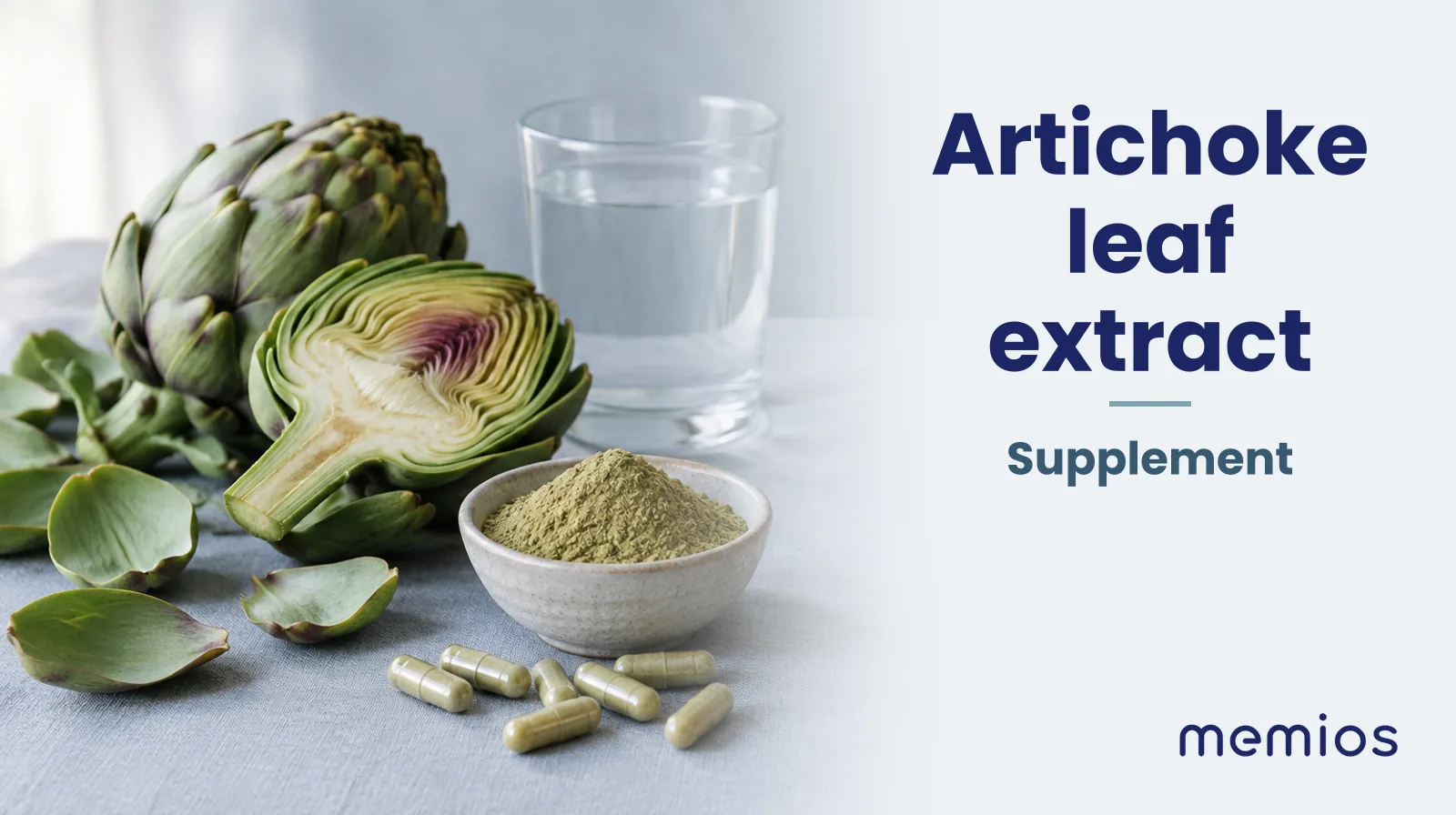
Artichoke leaf extract
It is mainly sold for cholesterol and digestion. Two recent meta-analyses of small randomised trials report modest falls in total and LDL cholesterol and triglycerides.
2026-09-29 · 11 min read
 Supplements
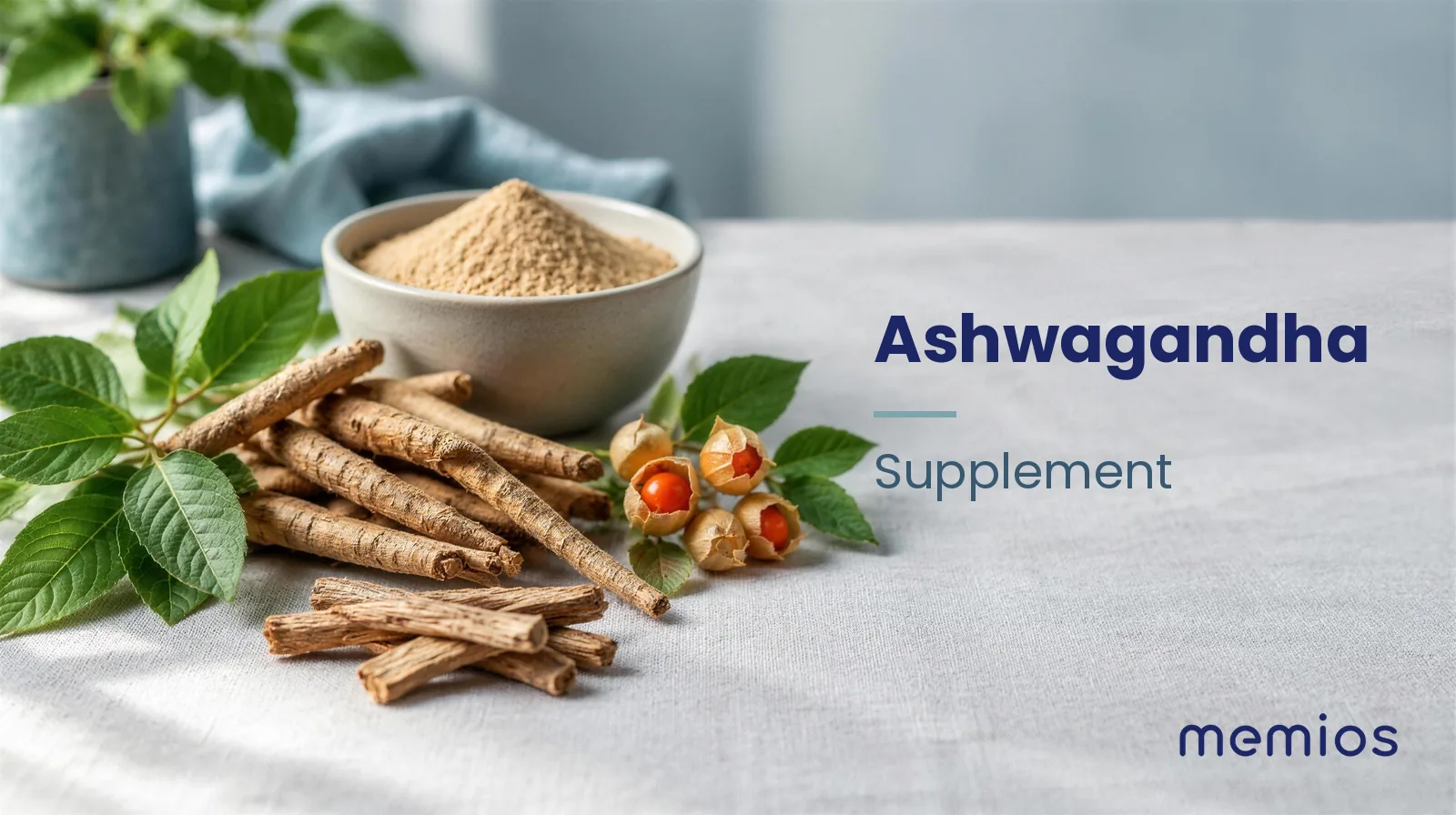
Ashwagandha
Limited evidence. The evidence is limited and of low certainty.
2026-09-29 · 19 min read
 Supplements
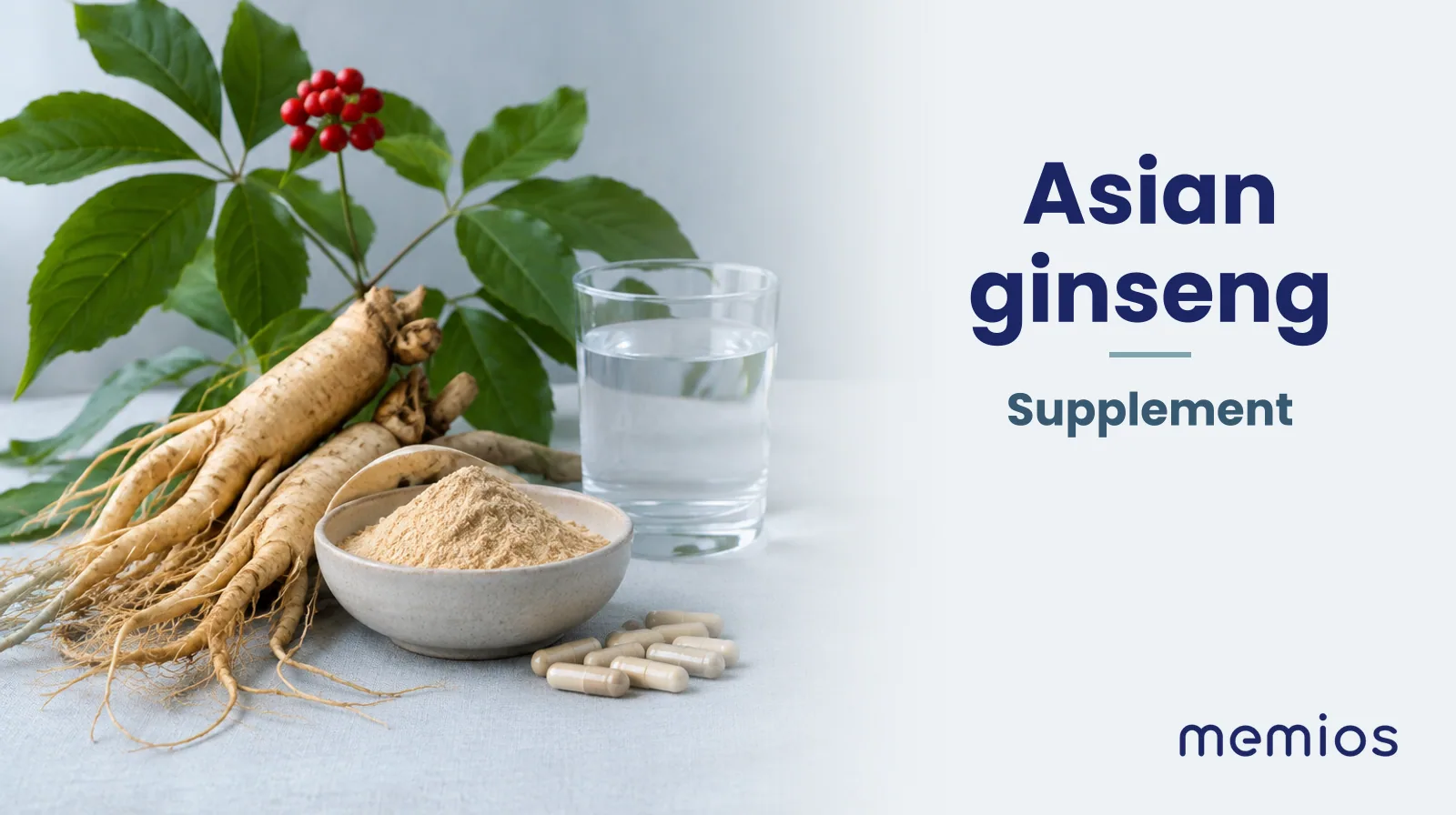
Asian ginseng
Claims made for Asian ginseng cover vitality, immunity, cognition, physical performance, blood sugar and sexual function. The evidence is mixed and mostly rests on small short trials.
2026-09-29 · 17 min read
 Medications
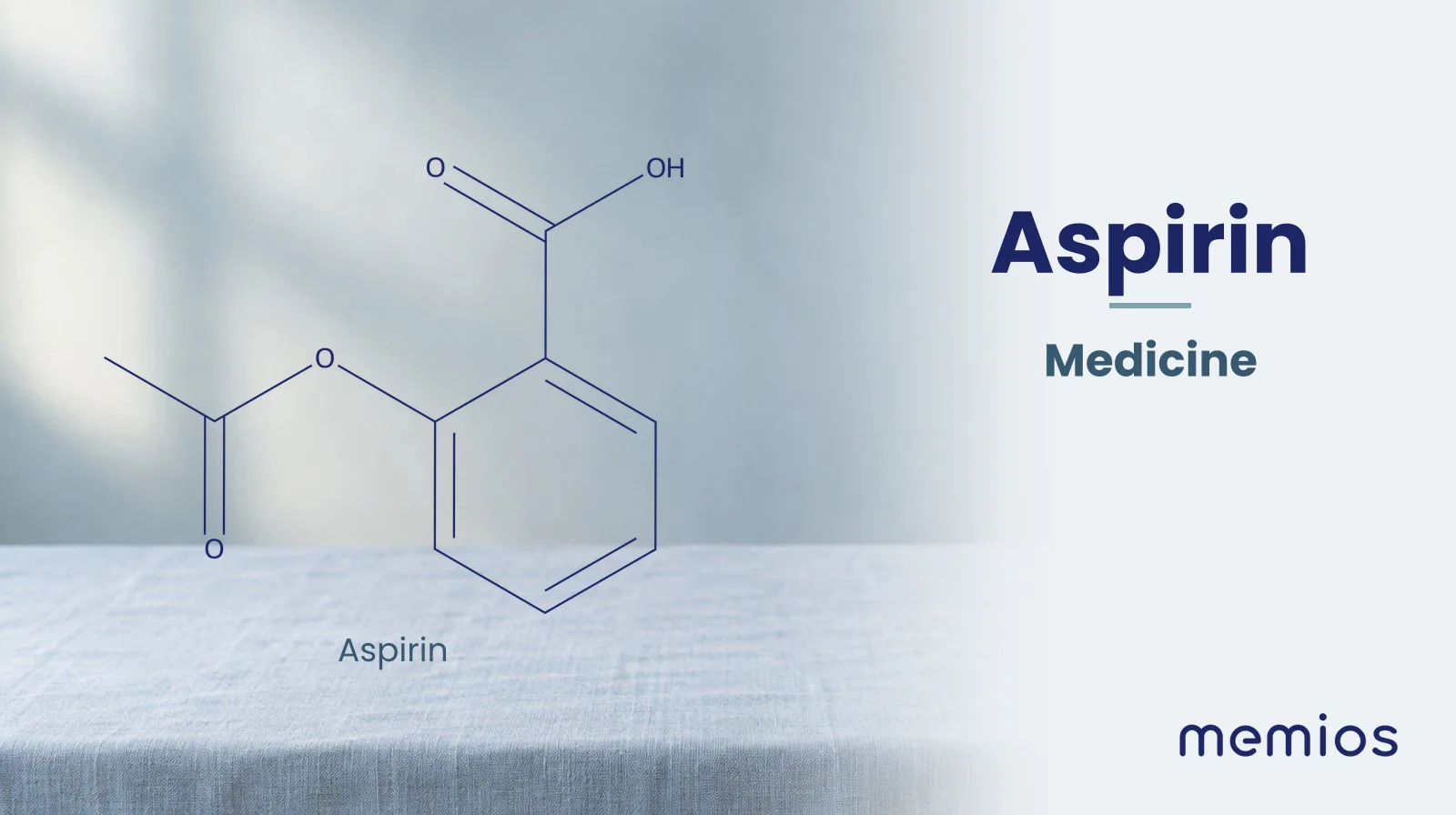
Aspirin
The strongest evidence is in people who have already had a heart attack or stroke, where pooled individual-patient data from randomised trials show a clear absolute reduction in serious vascular events.
2026-09-29 · 22 min read
 Supplements
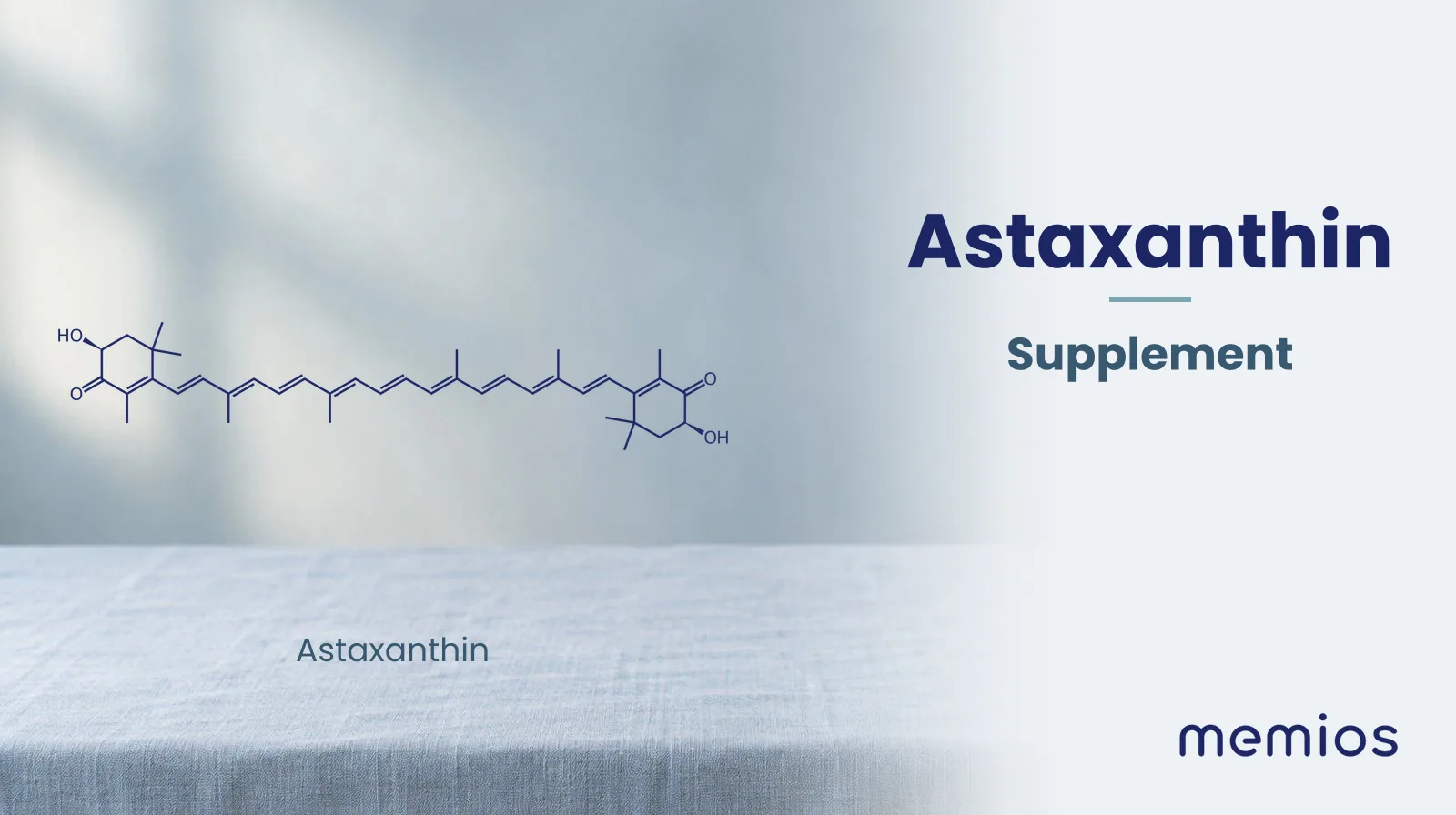
Astaxanthin
Claims run to antioxidant, anti-inflammatory, skin, eye and sports-performance effects; the trial evidence is thin and mixed.
2026-09-29 · 14 min read
 Supplements
Astragalus
Limited evidence. The evidence is limited and mostly low quality.
2026-09-29 · 10 min read
 Medications
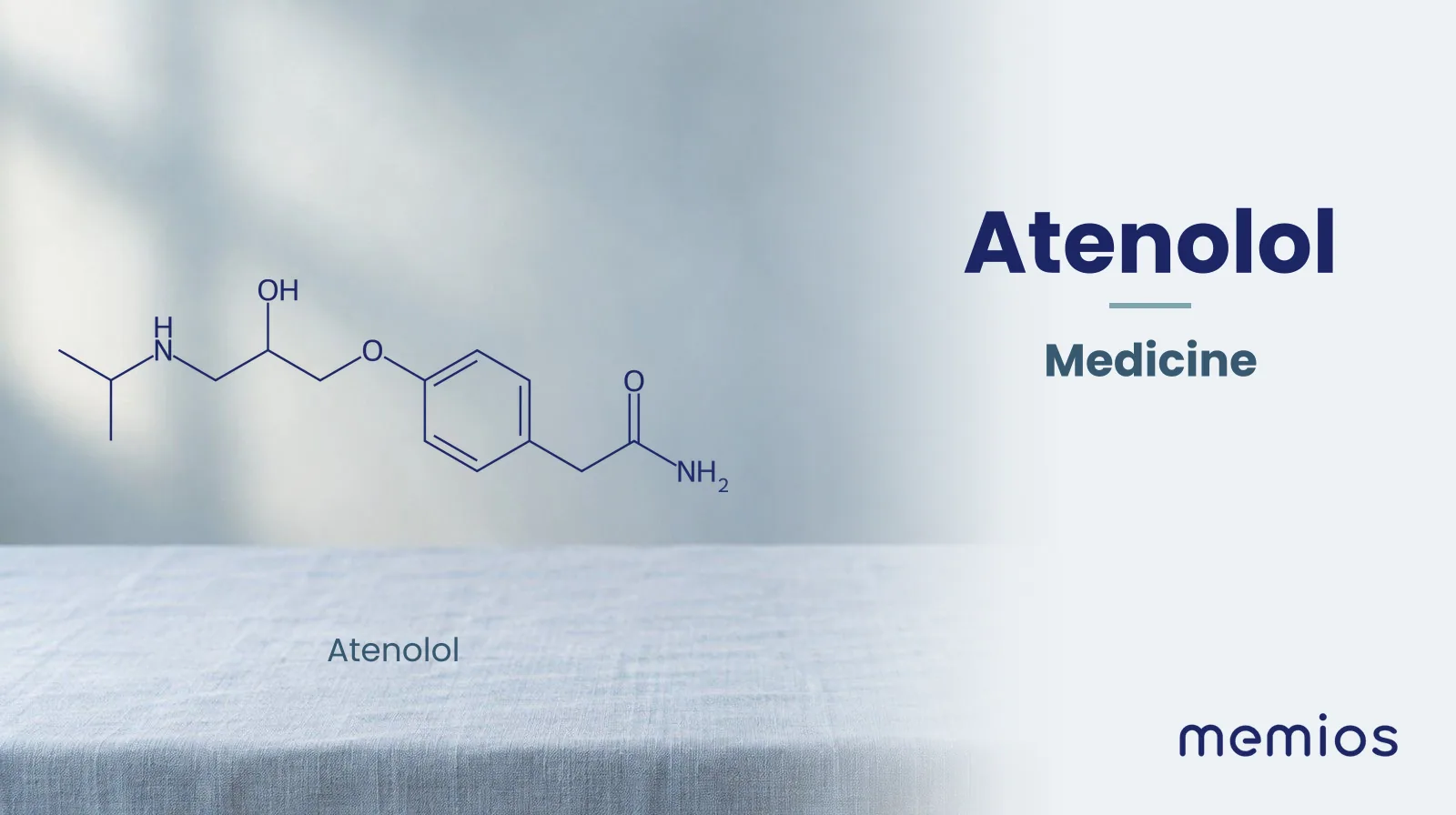
Atenolol
Disputed. Atenolol slows the heart and lowers blood pressure.
2026-09-29 · 15 min read
 Medications
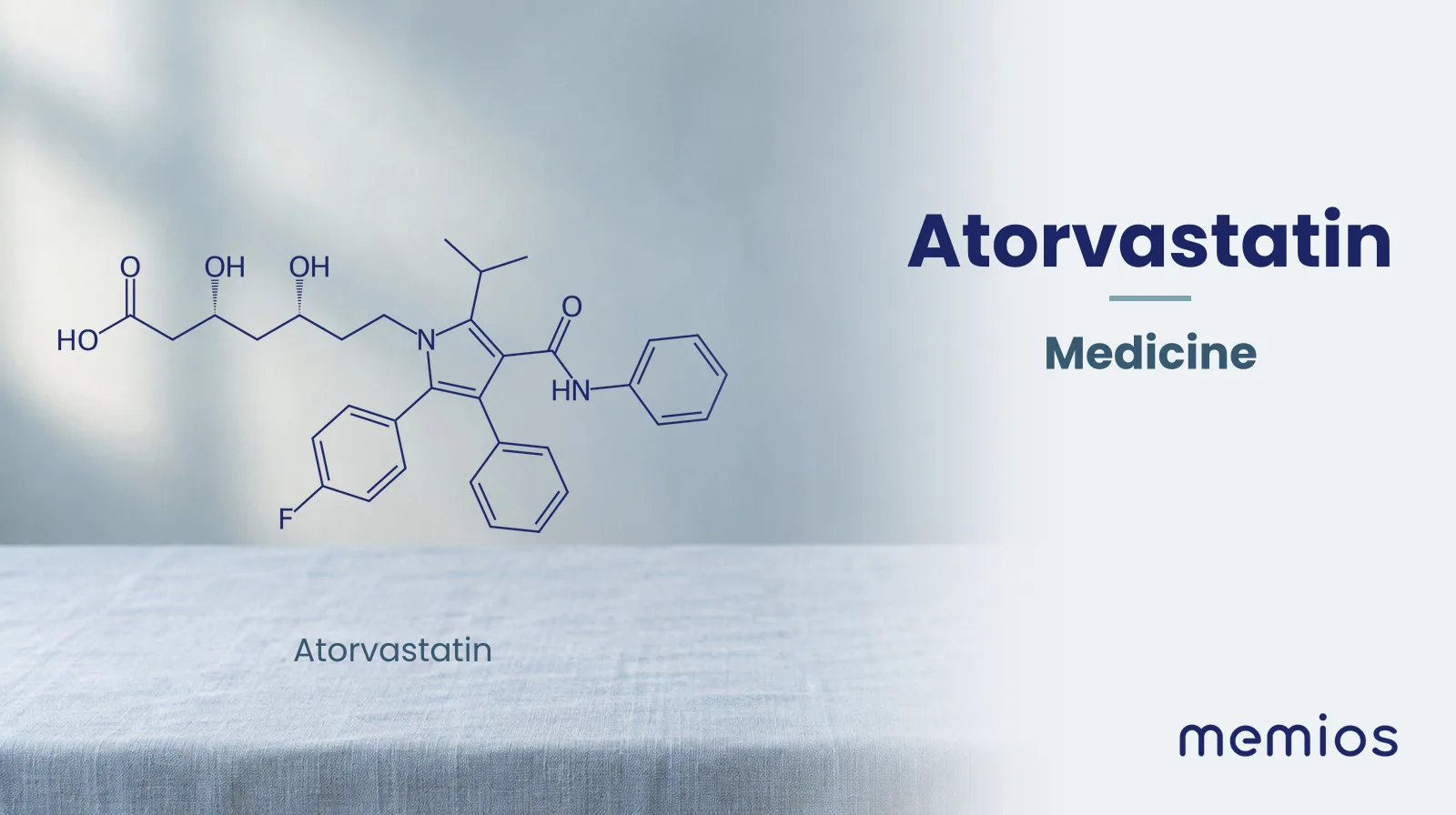
Atorvastatin
The trial evidence that atorvastatin and other statins cut heart attacks and strokes is strong.
2026-09-29 · 20 min read
 Medications
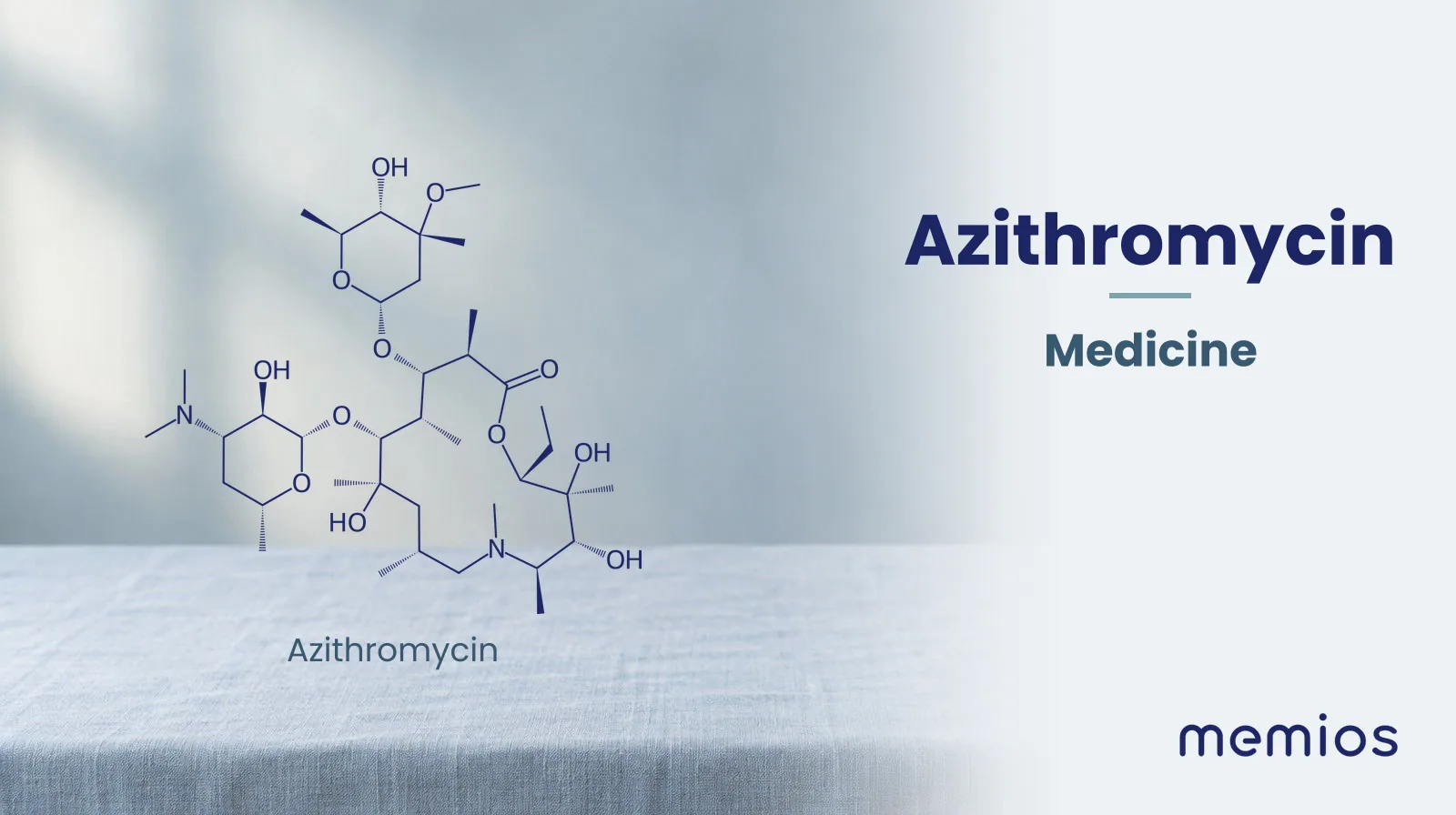
Azithromycin
For the infections it is approved for, azithromycin works by stopping bacteria making proteins.
2026-09-29 · 19 min read
 Supplements
Bacopa monnieri
Limited evidence. The honest summary is that the effect, if real, is small and narrow.
2026-09-29 · 16 min read
 Supplements
Bee Pollen
A 2023 scoping review found that human clinical and translational research on bee pollen is still largely lacking compared with the volume of basic laboratory and animal work.
2026-09-29 · 9 min read
 Supplements
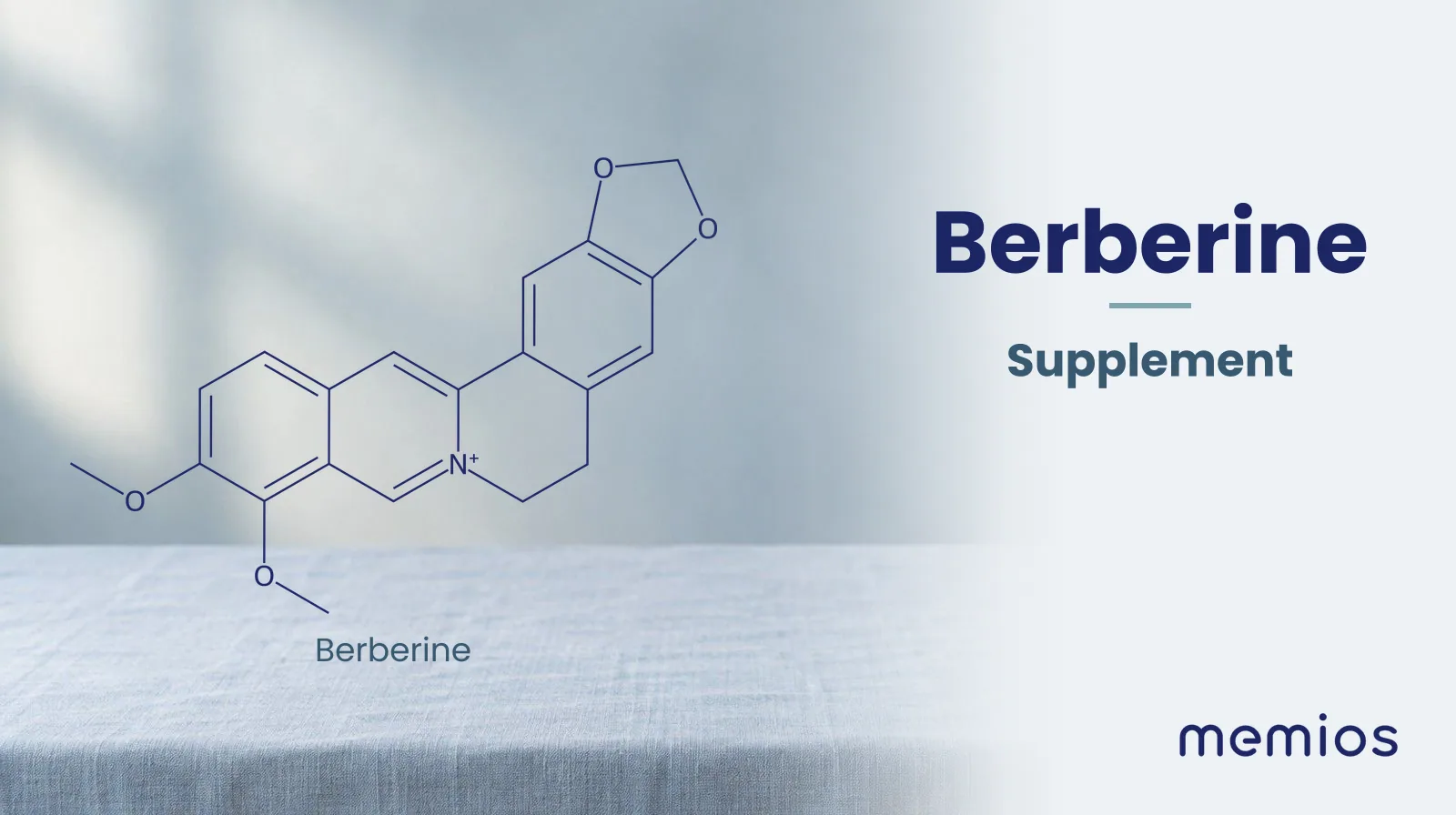
Berberine
Limited evidence. The trial literature is real but thin and mostly low quality.
2026-09-29 · 16 min read
 Supplements
Bifidobacterium animalis subsp. lactis
One large trial funded by the strain's maker found BB-12 raised average bowel movement frequency in adults with infrequent stools.
2026-09-29 · 10 min read
 Supplements
Bifidobacterium longum
Limited evidence. The strongest evidence is in preterm infants.
2026-09-29 · 7 min read
 Supplements
Bilberry
The best-known claim, better night vision, is not supported: a systematic review found the four most recent randomised trials negative, and positive results came from weaker studies.
2026-09-29 · 11 min read
 Supplements
Bitter melon
Disputed. Bitter melon is taken chiefly for blood sugar, and the pooled evidence is split.
2026-09-29 · 19 min read
 Supplements
Bitter orange
Disputed. It is sold to raise metabolic rate, help weight loss and boost exercise performance.
2026-09-29 · 17 min read
 Supplements
Black cohosh
Black cohosh is taken for menopausal symptoms, and the literature on whether it works genuinely disagrees with itself.
2026-09-29 · 15 min read
 Supplements
Black pepper extract and piperine
Piperine does raise blood levels of other substances: in one small human study it raised curcumin absorption about 20-fold.
2026-09-29 · 9 min read
 Supplements
Black seed
This is the best-studied of the three, and the picture is large reported effects sitting on weak foundations.
2026-09-29 · 15 min read
 Supplements
Boron
Limited evidence. Boron is promoted for bones, joints and testosterone.
2026-09-29 · 8 min read
 Research
How bowel preparation for colonoscopy changes the gut microbiome, and how fast it recovers
In healthy adults, bowel prep causes an immediate large drop in bacterial load (31-fold in Jalanka 2015) and changes composition.
2026-09-29 · 7 min read
 Supplements
Bromelain
Limited evidence. The evidence is limited.
2026-09-29 · 8 min read
 Medications
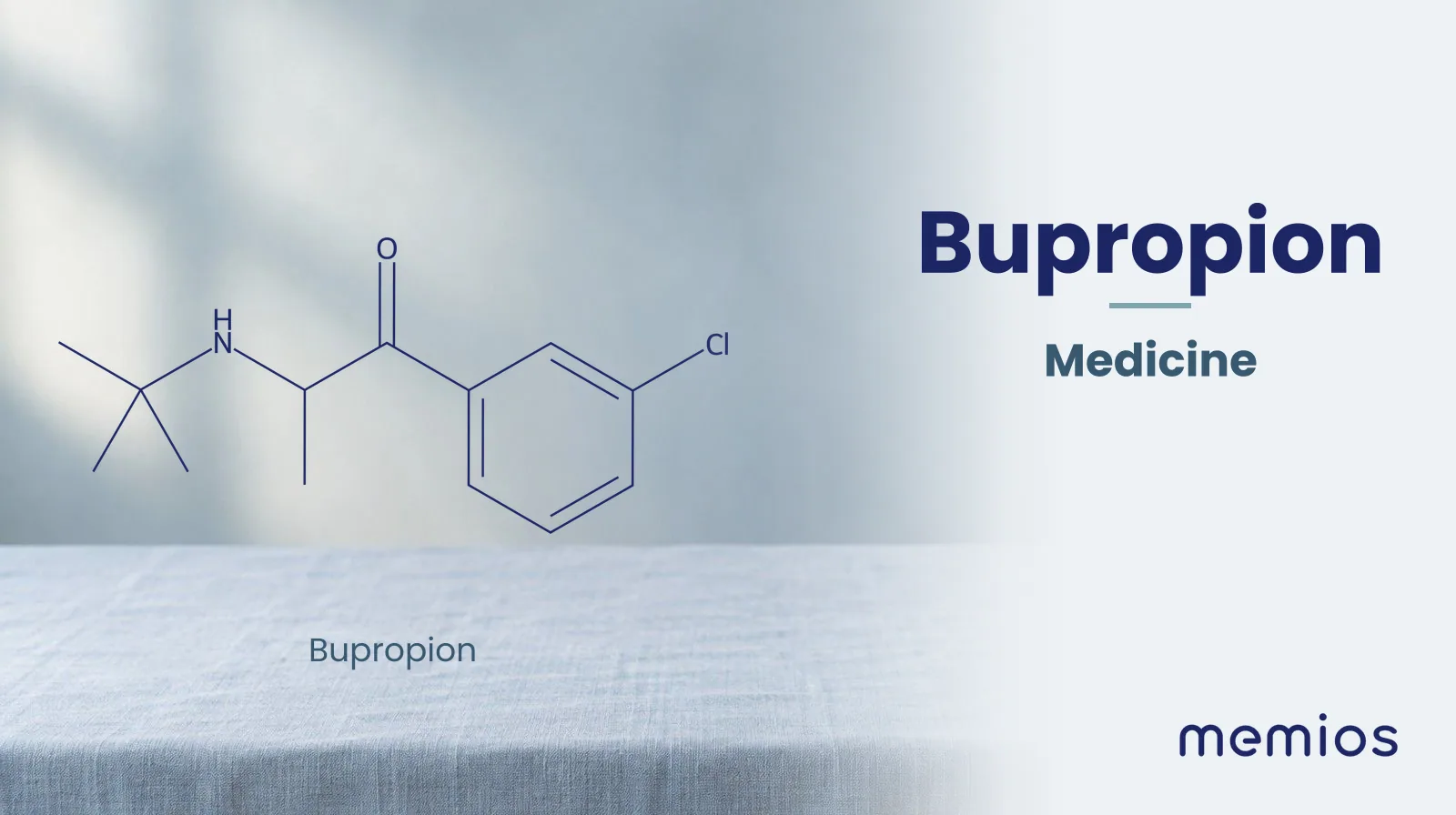
Bupropion
Reviews find bupropion works better than placebo for depression and about as well as other antidepressants in head-to-head trials.
2026-09-29 · 14 min read
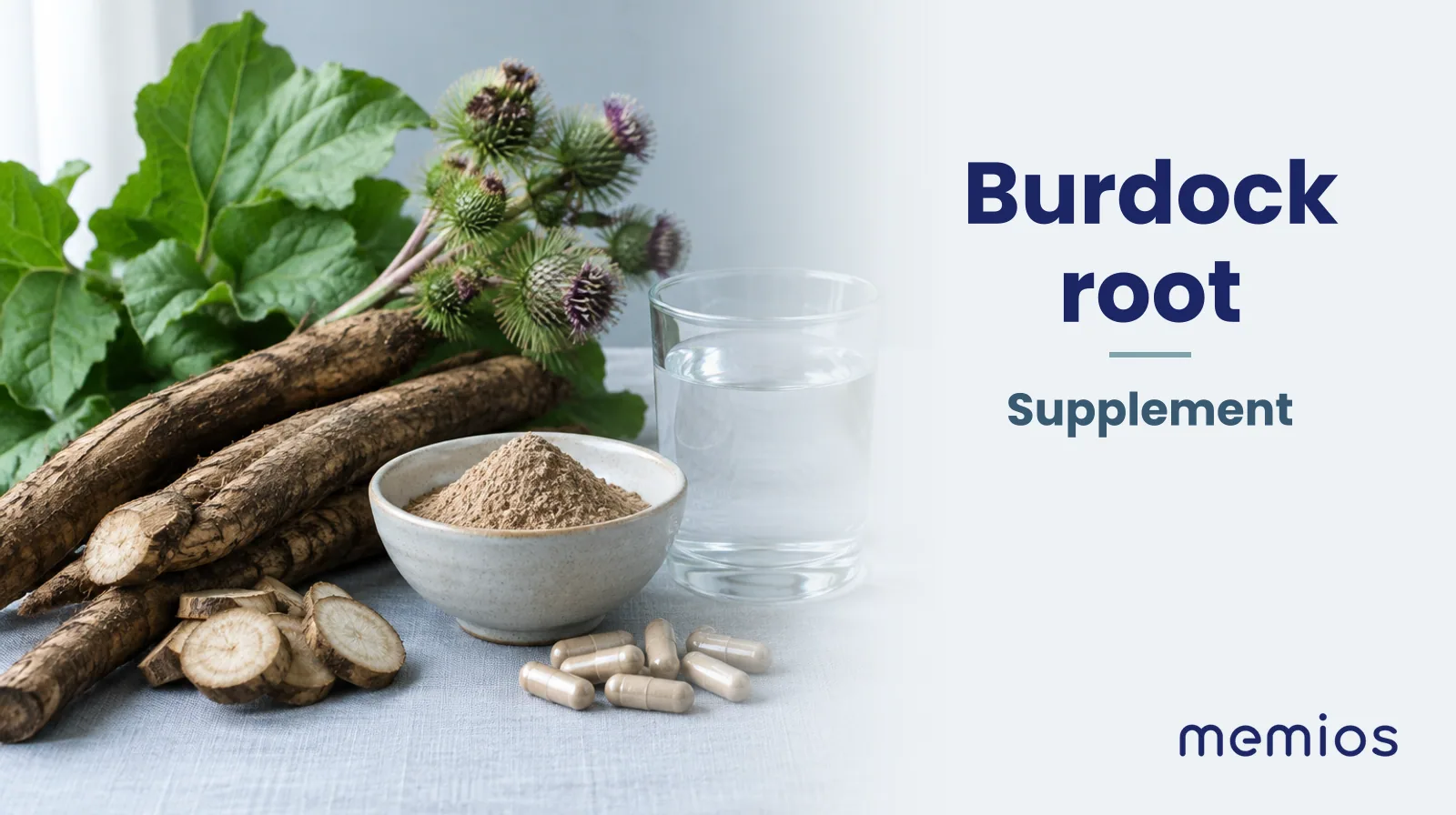 Supplements
Burdock root
Limited evidence. It is sold as a detox or 'blood purifier' tea and for skin, joints and blood sugar.
2026-09-29 · 8 min read
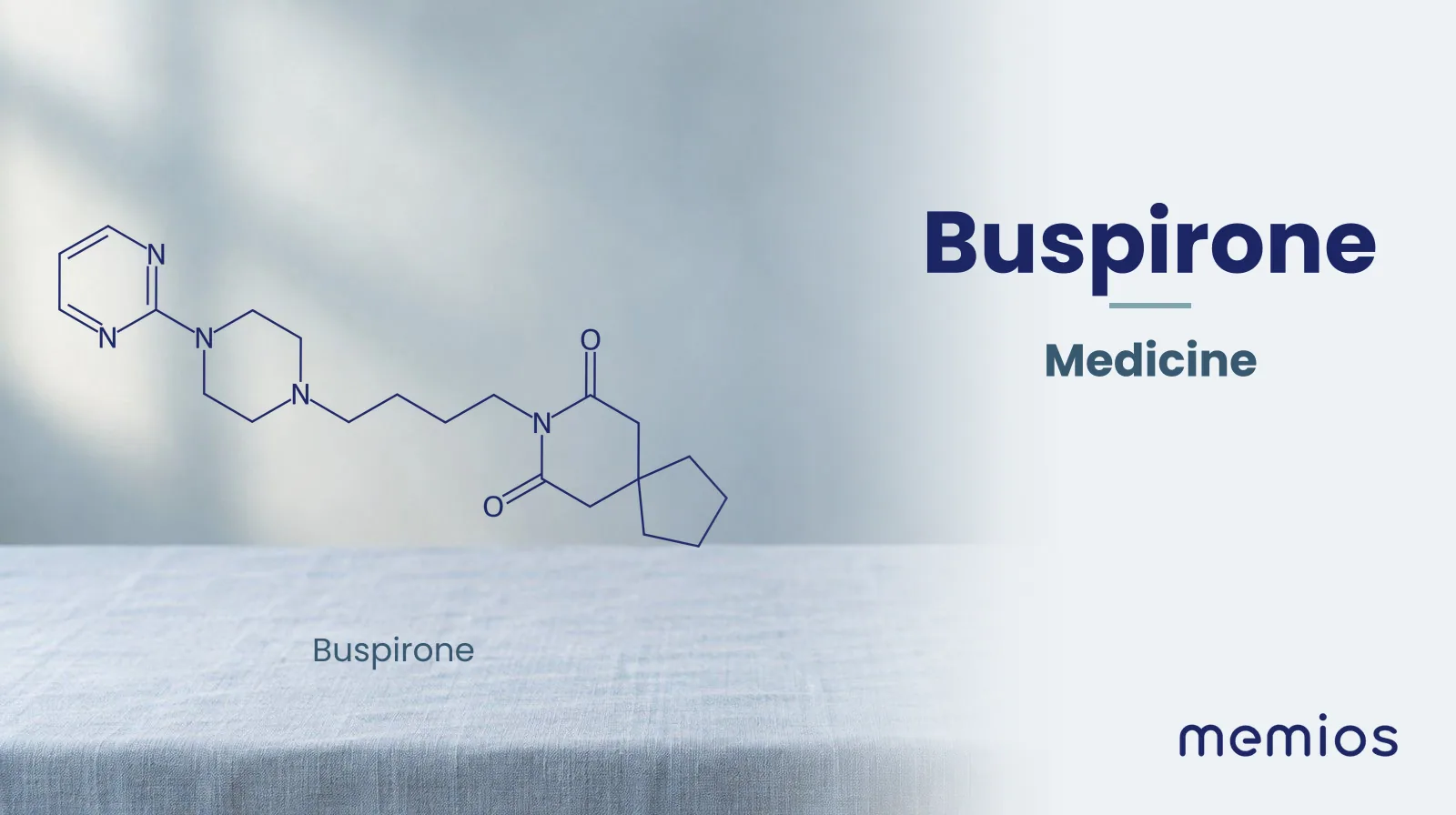 Medications
Buspirone
A Cochrane review of 36 trials in 5,908 people found azapirones including buspirone better than placebo for generalised anxiety disorder, with a number needed to treat of 4.4 on the Clinical Global Impression scale.
2026-09-29 · 19 min read
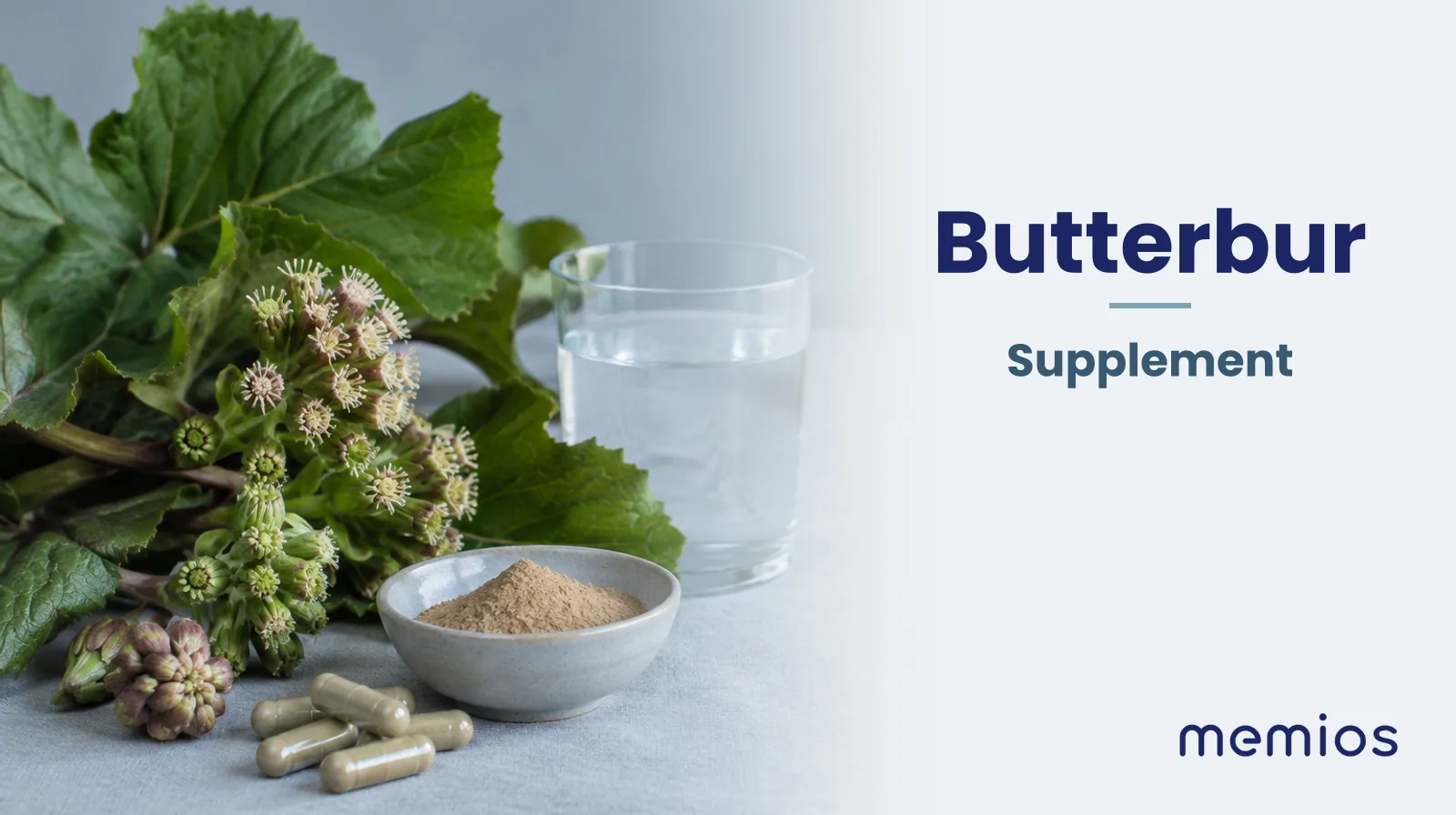 Supplements
Butterbur
Disputed. The evidence is narrow and contested.
2026-09-29 · 18 min read
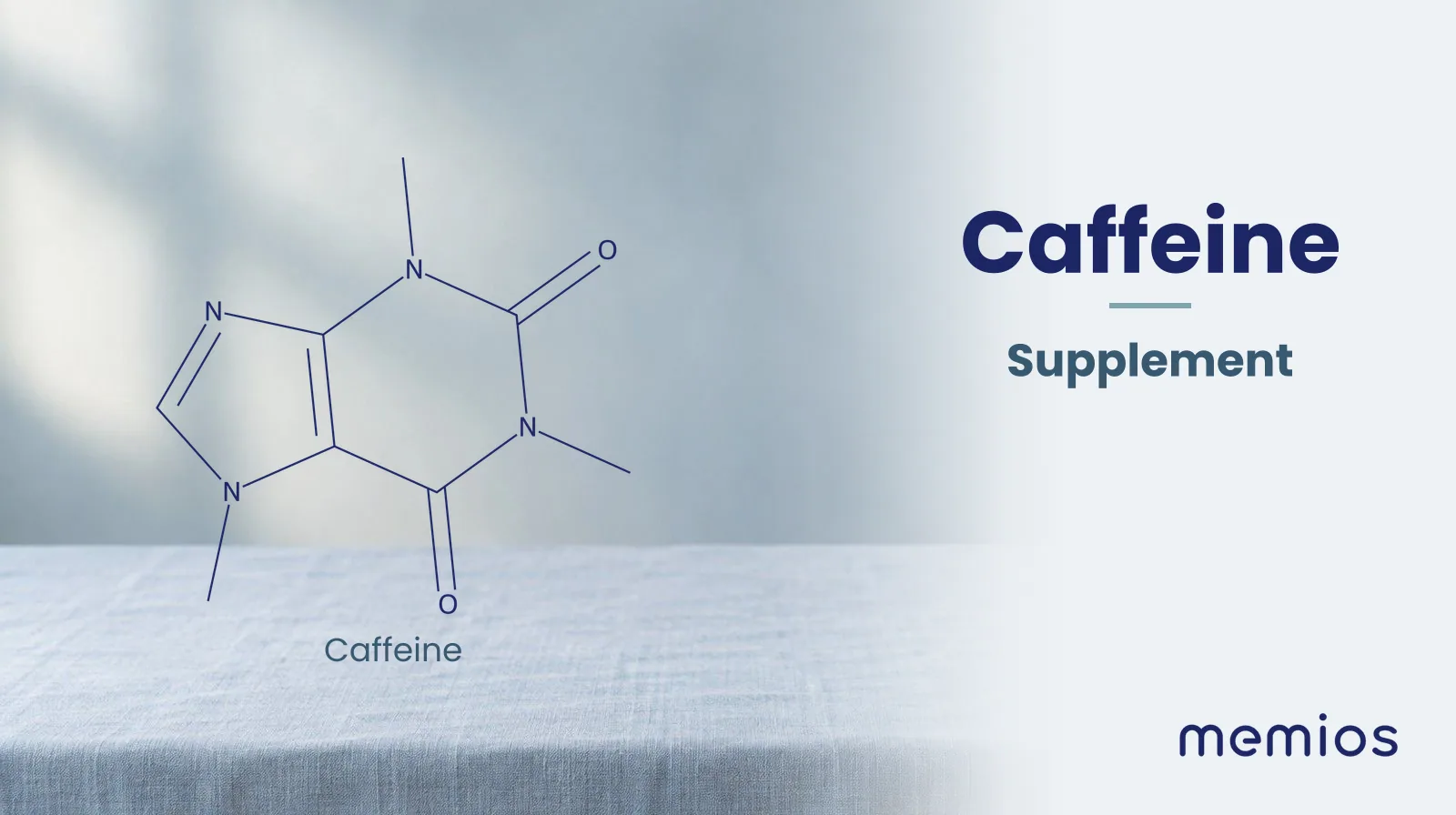 Supplements
Caffeine
The evidence is strongest for the things caffeine does acutely: it raises alertness, and added to a standard painkiller it gives a small extra amount of pain relief with high-certainty evidence from Cochrane.
2026-09-29 · 22 min read
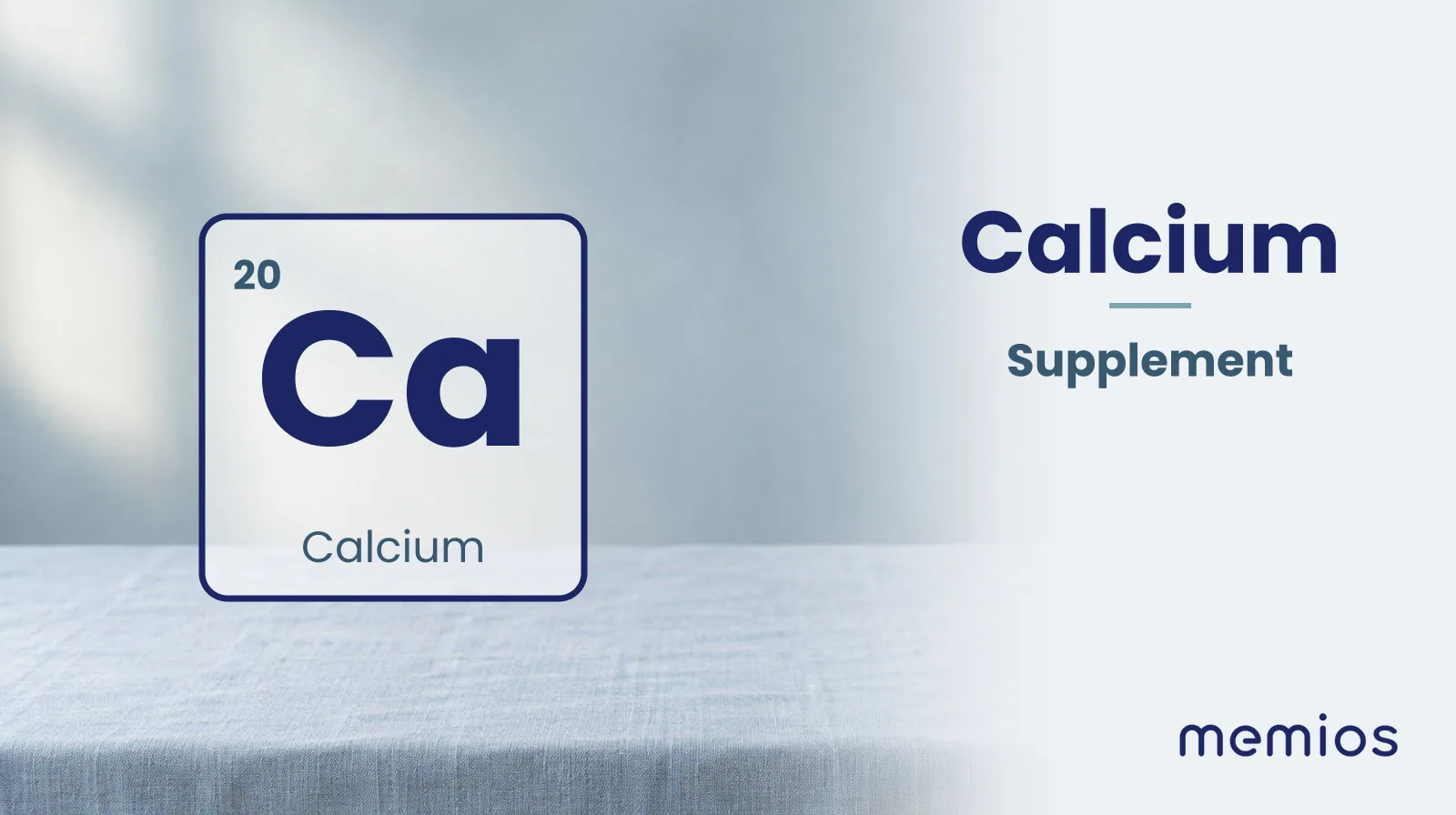 Supplements
Calcium
Supplements raise bone density slightly and, in pooled trials, cut total fractures by about a tenth.
2026-09-29 · 13 min read
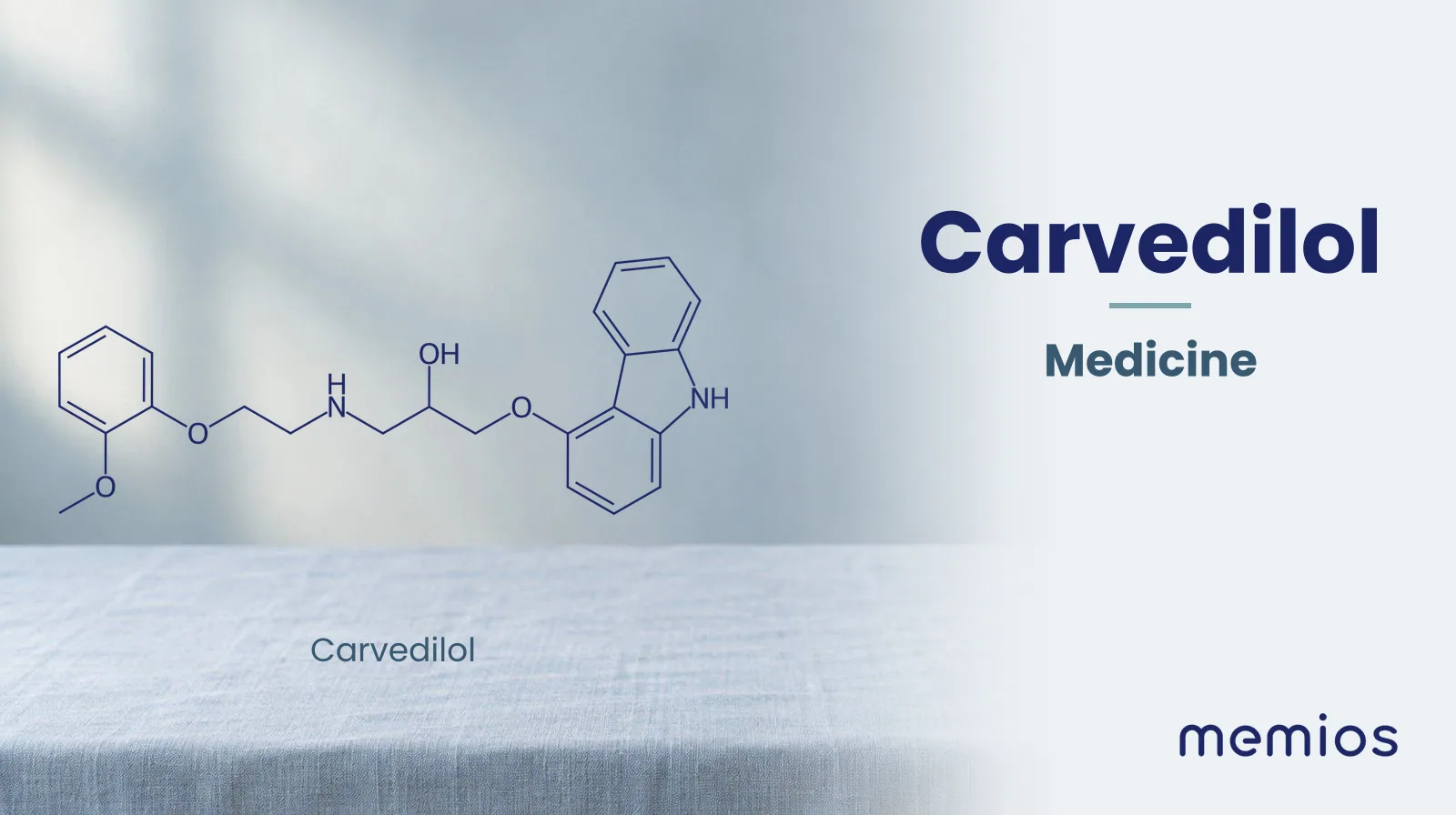 Medications
Carvedilol
Well established. It slows the heart and relaxes blood vessels by blocking adrenaline's effects.
2026-09-29 · 12 min read
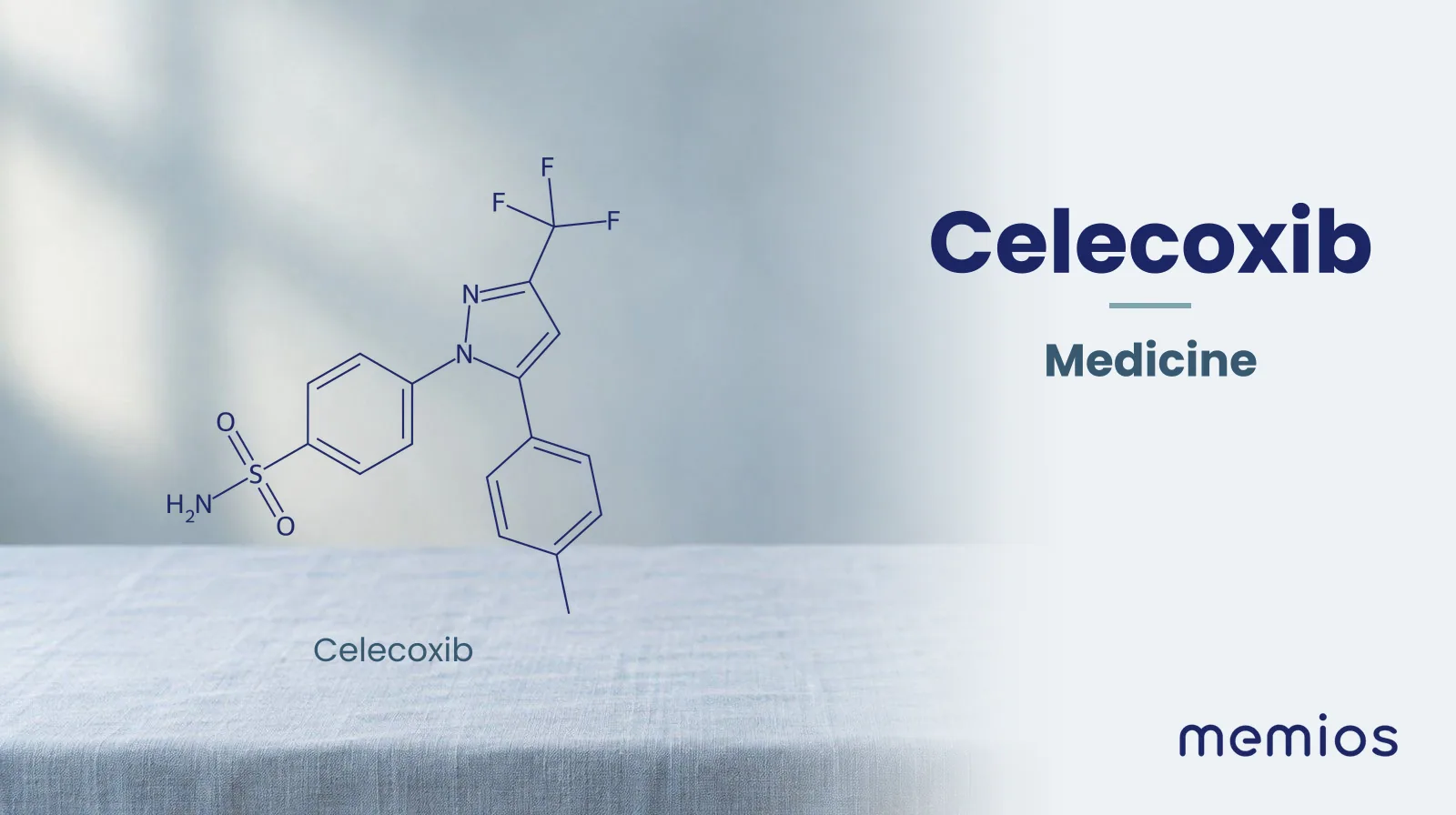 Medications
Celecoxib
Celecoxib relieves pain and inflammation, and the size of that relief is modest and measurable.
2026-09-29 · 20 min read
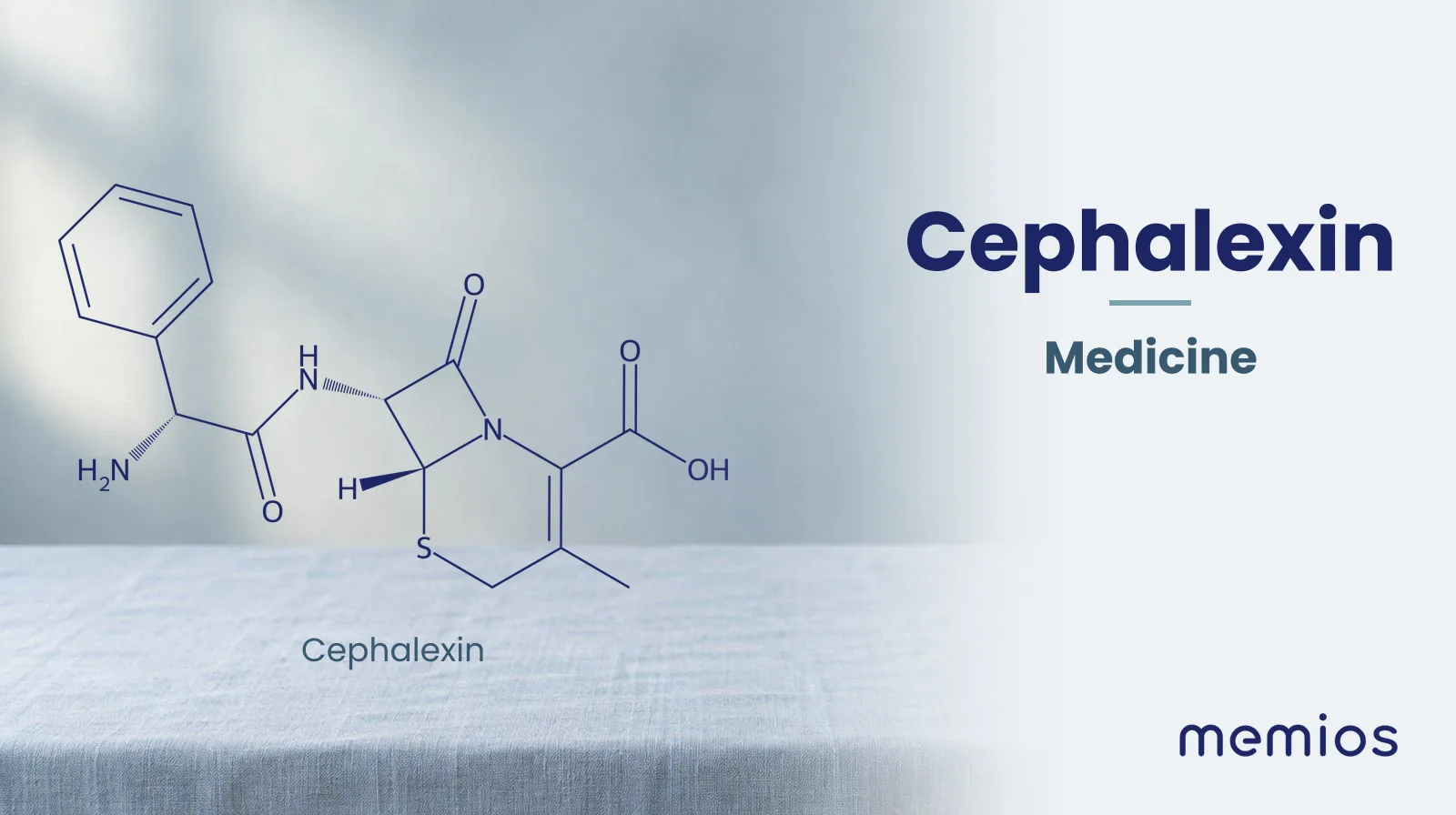 Medications
Cephalexin
For the infections it is licensed for, the trial evidence is reasonably good but narrower than the label suggests.
2026-09-29 · 23 min read
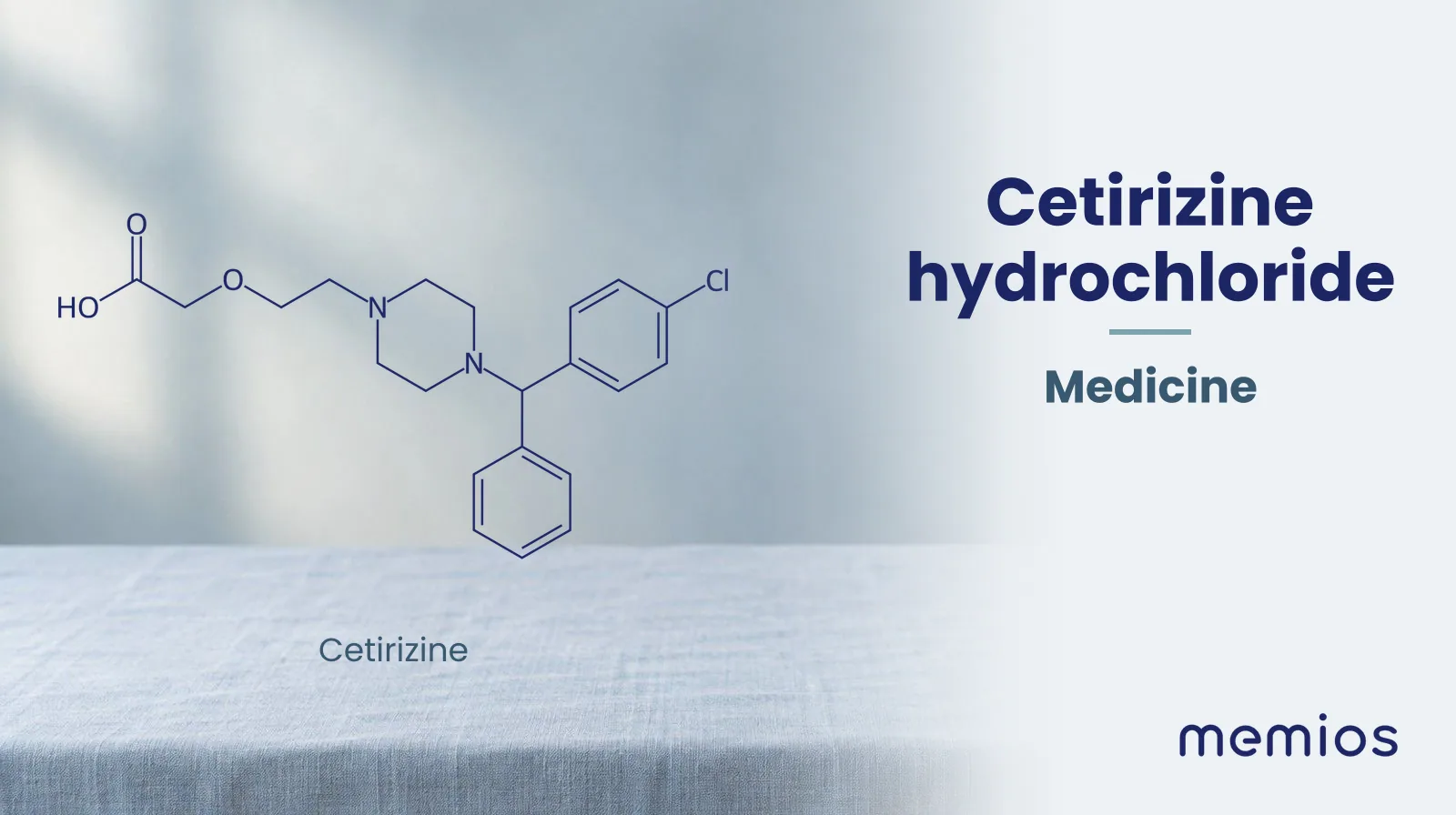 Medications
Cetirizine hydrochloride
For allergic rhinitis, network meta-analysis of randomised trials shows oral antihistamines as a class beat placebo on symptom scores, with cetirizine among the more effective agents but not the top-ranked one.
2026-09-29 · 14 min read
 Supplements
Chlorella
The human evidence is a set of small, mostly short randomized trials pooled in meta-analyses.
2026-09-29 · 10 min read
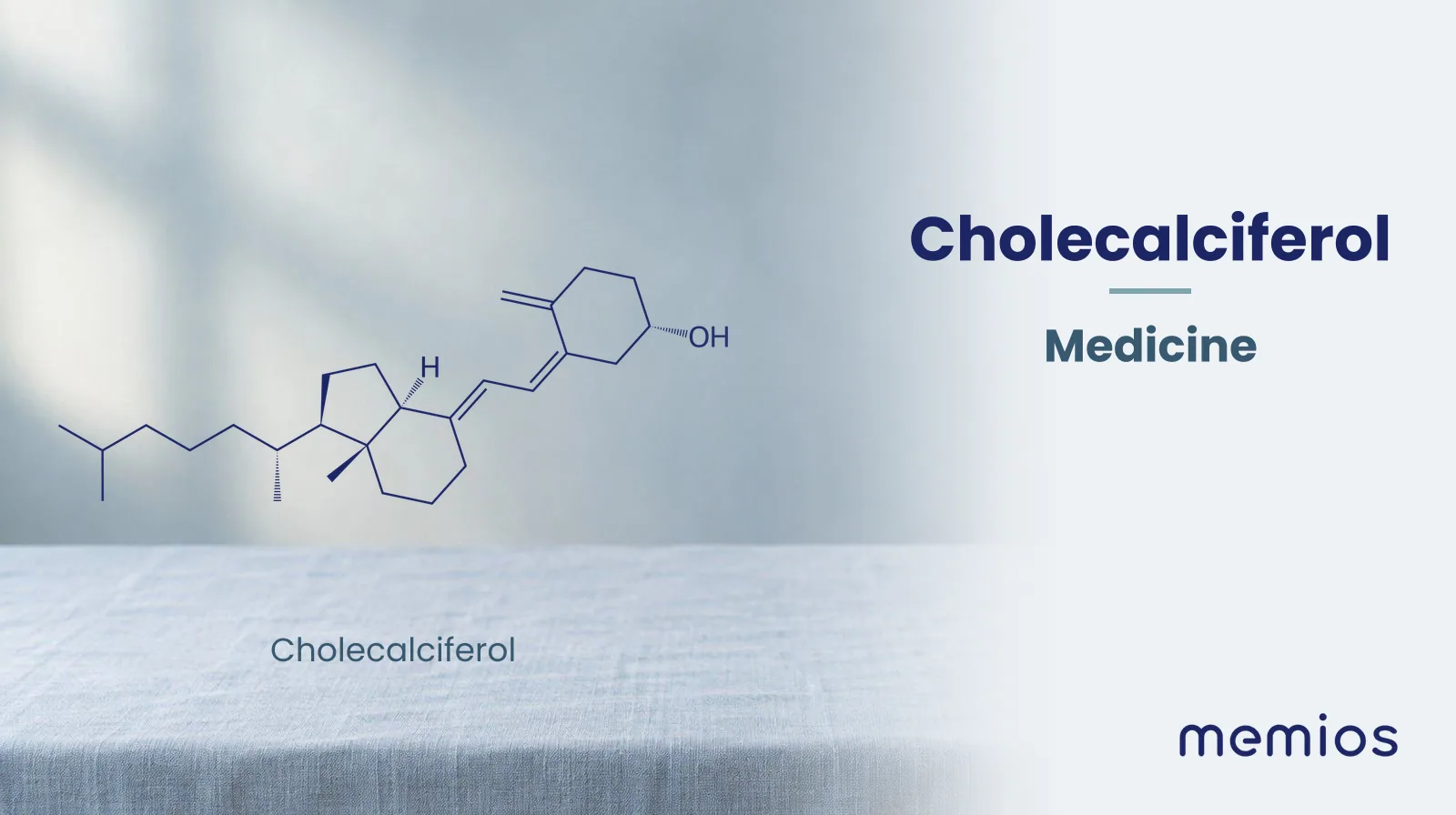 Medications
Cholecalciferol
Correcting deficiency is where the evidence is solid: vitamin D sufficiency prevents rickets in children and osteomalacia in adults.
2026-09-29 · 29 min read
 Supplements
Chondroitin sulfate
Disputed. The evidence is disputed.
2026-09-29 · 15 min read
 Supplements
Chromium
Disputed. The evidence is weak and contested.
2026-09-29 · 11 min read
 Supplements
Cinnamon
Disputed. The evidence is disputed rather than settled.
2026-09-29 · 16 min read
 Supplements
Citrus bioflavonoids
Disputed. The evidence conflicts.
2026-09-29 · 9 min read
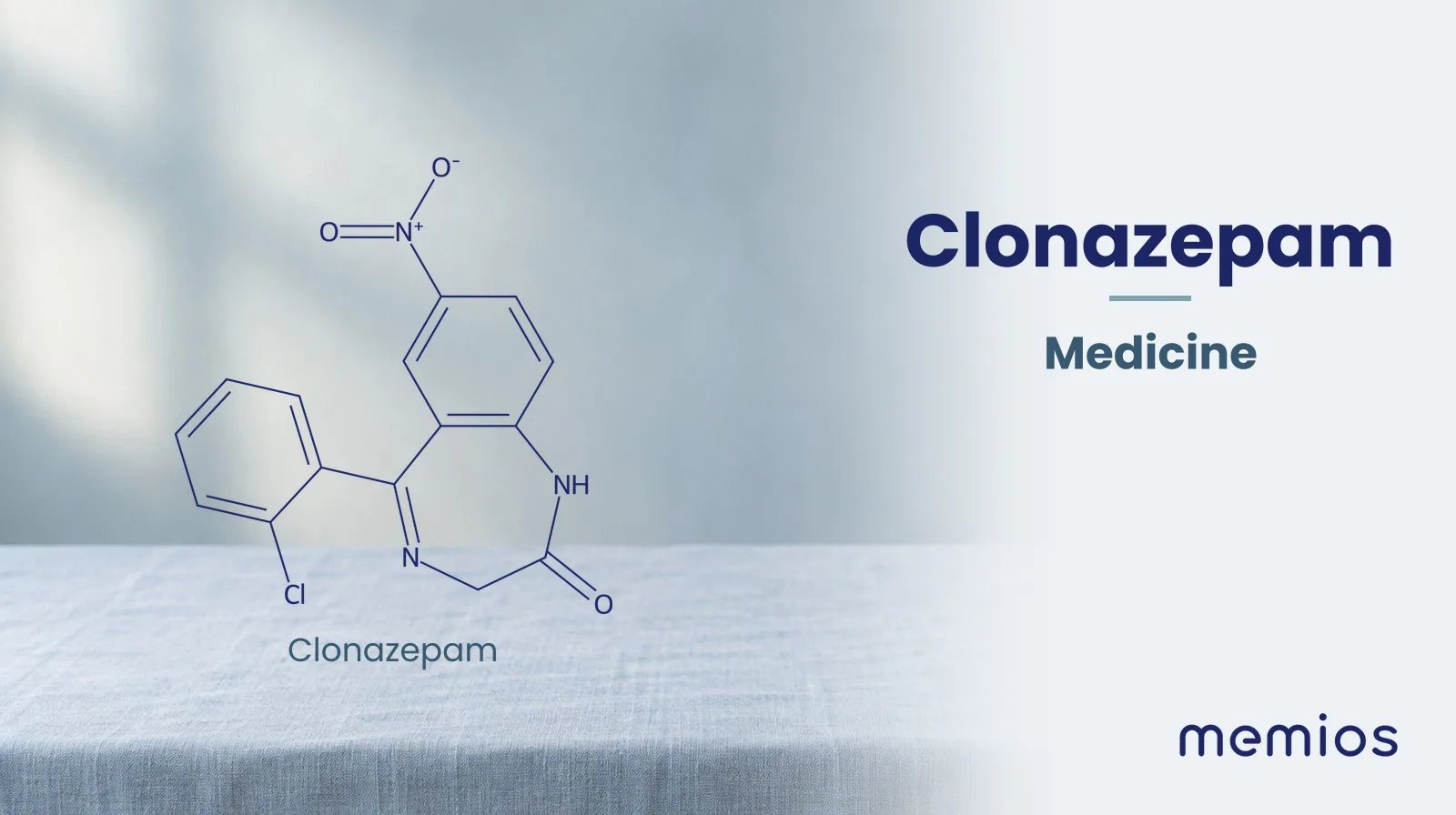 Medications
Clonazepam
Limited evidence. The evidence is uneven and mostly short-term.
2026-09-29 · 19 min read
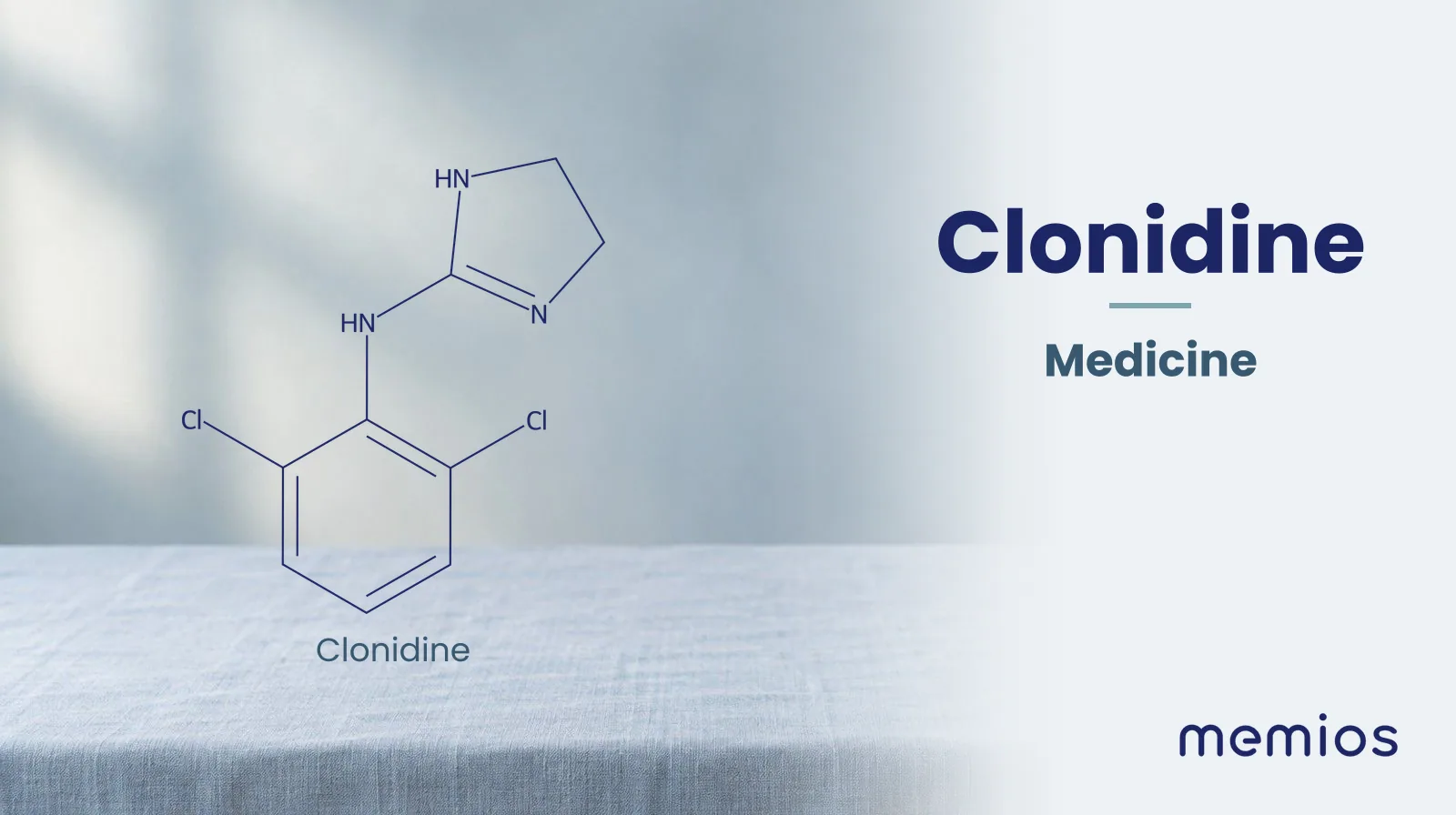 Medications
Clonidine
Clonidine lowers blood pressure and calms the noradrenaline surge that drives opioid withdrawal, and it reduces the core symptoms of ADHD.
2026-09-29 · 19 min read
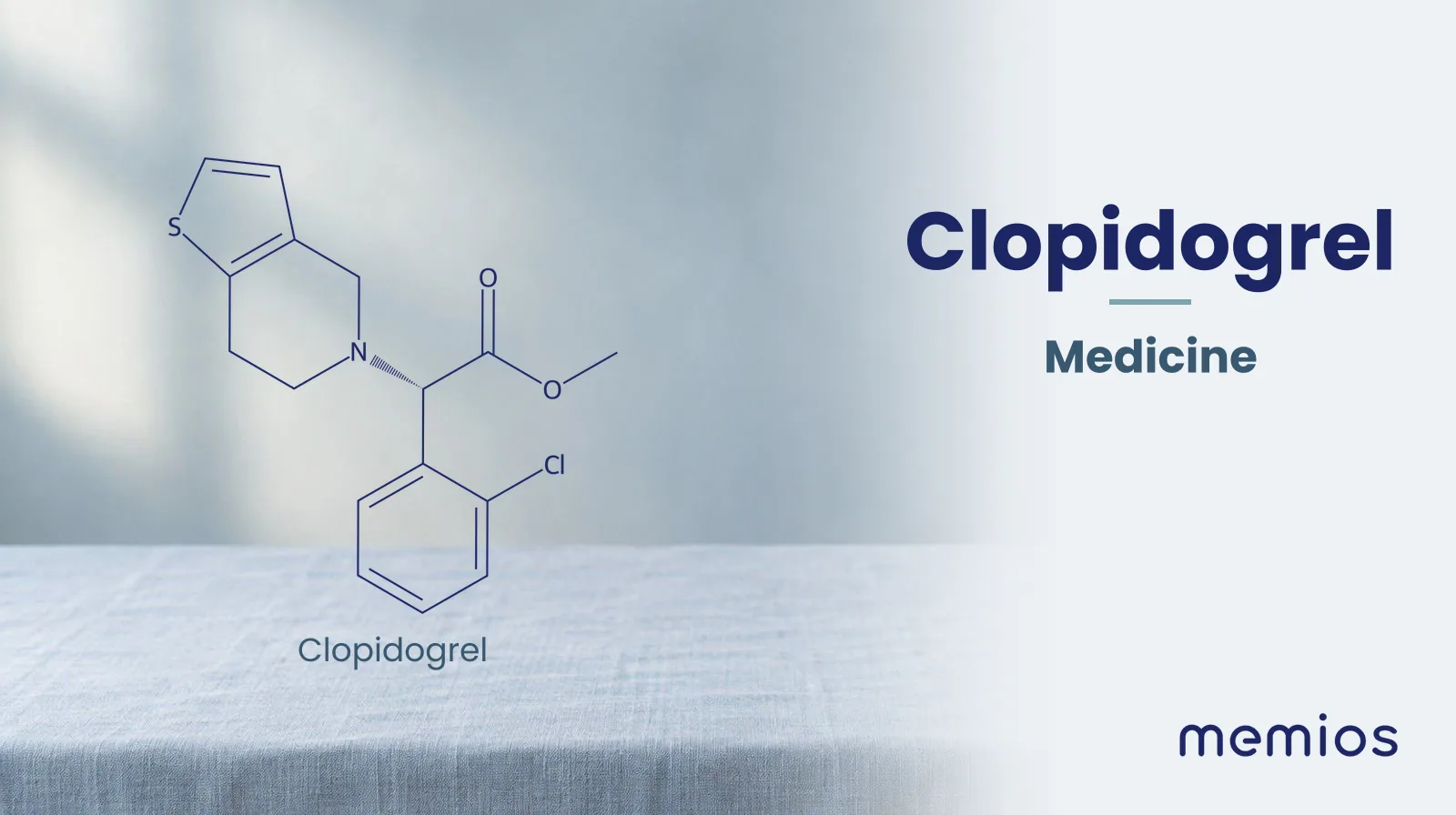 Medications
Clopidogrel
Clopidogrel reduces heart attacks, strokes and cardiovascular deaths in people who already have arterial disease, and it increases bleeding.
2026-09-29 · 14 min read
 Research
Clostridioides difficile infection after antibiotics: risk by drug class, prevention and outcomes
Pooled observational data show large differences in risk by drug class, with clindamycin, fluoroquinolones and cephalosporin-type drugs carrying the highest odds and tetracyclines showing no increase.
2026-09-29 · 9 min read
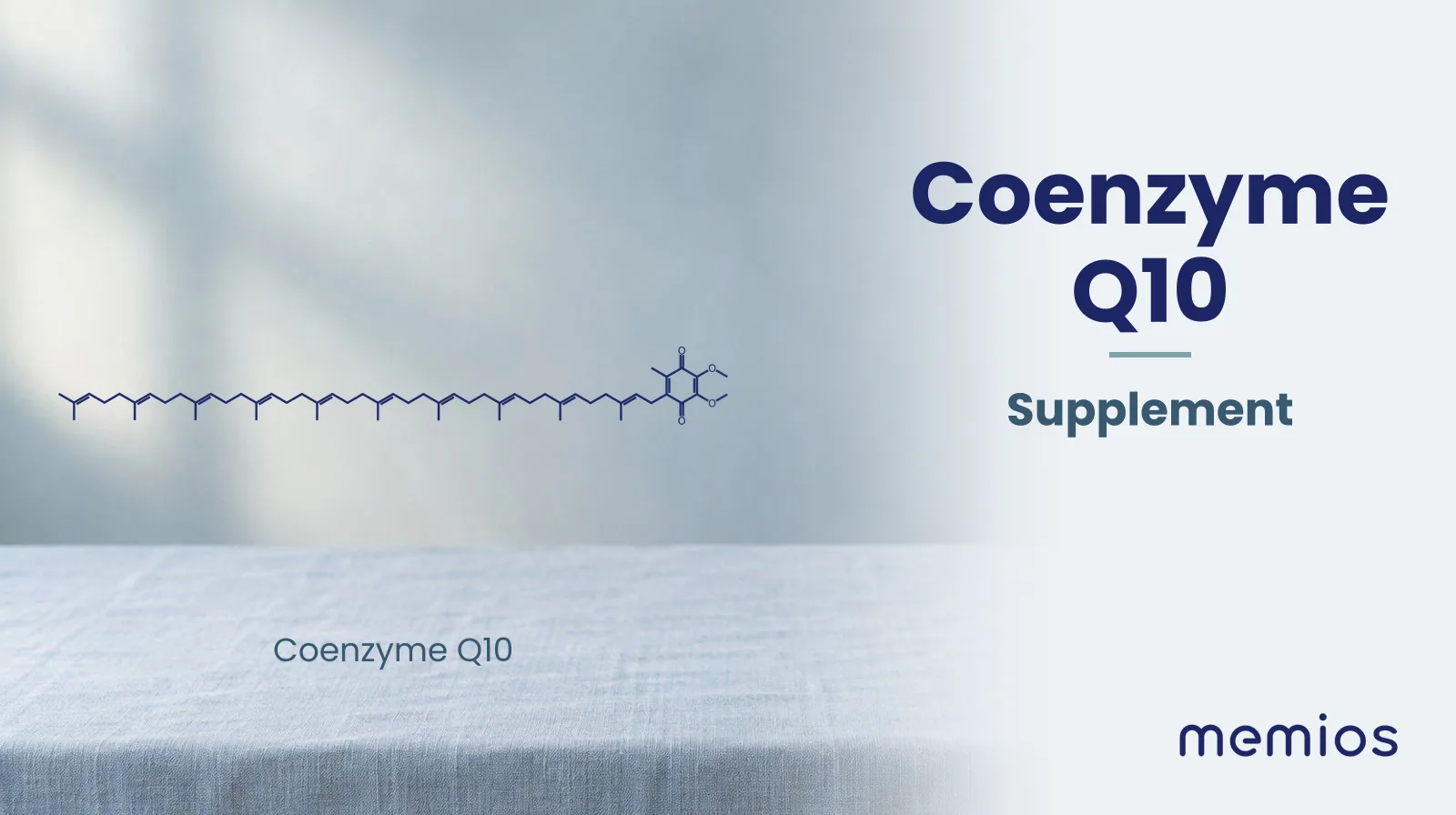 Supplements
Coenzyme Q10
CoQ10 is marketed mainly for two things: protecting muscles from statin side effects, and helping a failing heart.
2026-09-29 · 16 min read
 Supplements
Collagen peptides
The evidence here is unusual: several meta-analyses report statistically significant benefits.
2026-09-29 · 15 min read
 Supplements
Colloidal silver
Not supported by the research. There is no established use for swallowed colloidal silver.
2026-09-29 · 14 min read
 Research
What consumer stool microbiome tests can and cannot tell you
They are marketed as reading your gut health; the published evaluations say the analytical performance does not yet support that.
2026-09-29 · 14 min read
 Supplements
Copper
Copper is essential, and deficiency causes anaemia, low white cells and nerve damage that copper can correct.
2026-09-29 · 8 min read
 Supplements
Cordyceps
Limited evidence. Evidence is limited and inconsistent.
2026-09-29 · 10 min read
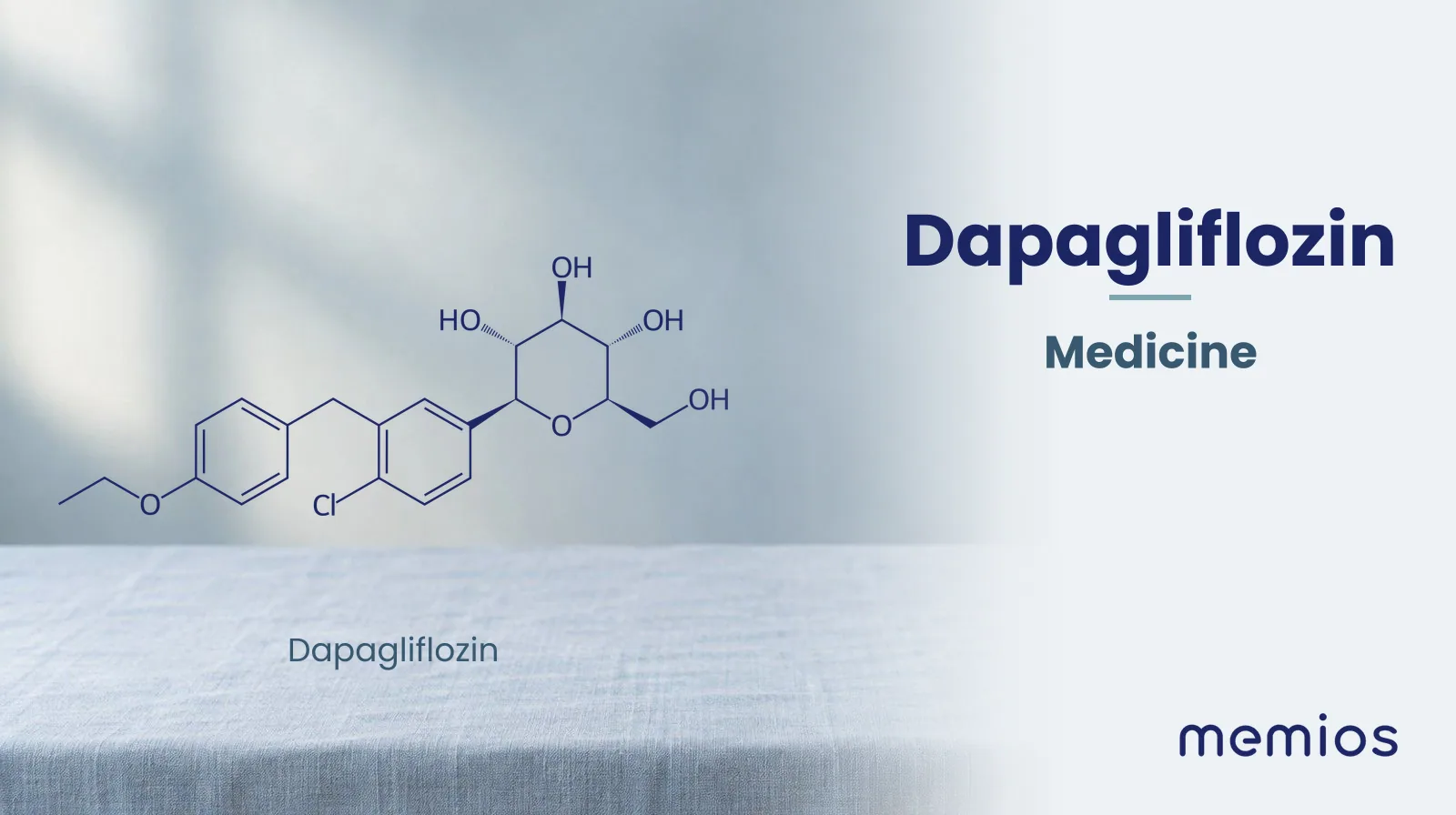 Medications
Dapagliflozin
This is one of the better-evidenced drugs in modern medicine for its cardiac and kidney uses, resting on large placebo-controlled outcome trials rather than surrogate markers.
2026-09-29 · 23 min read
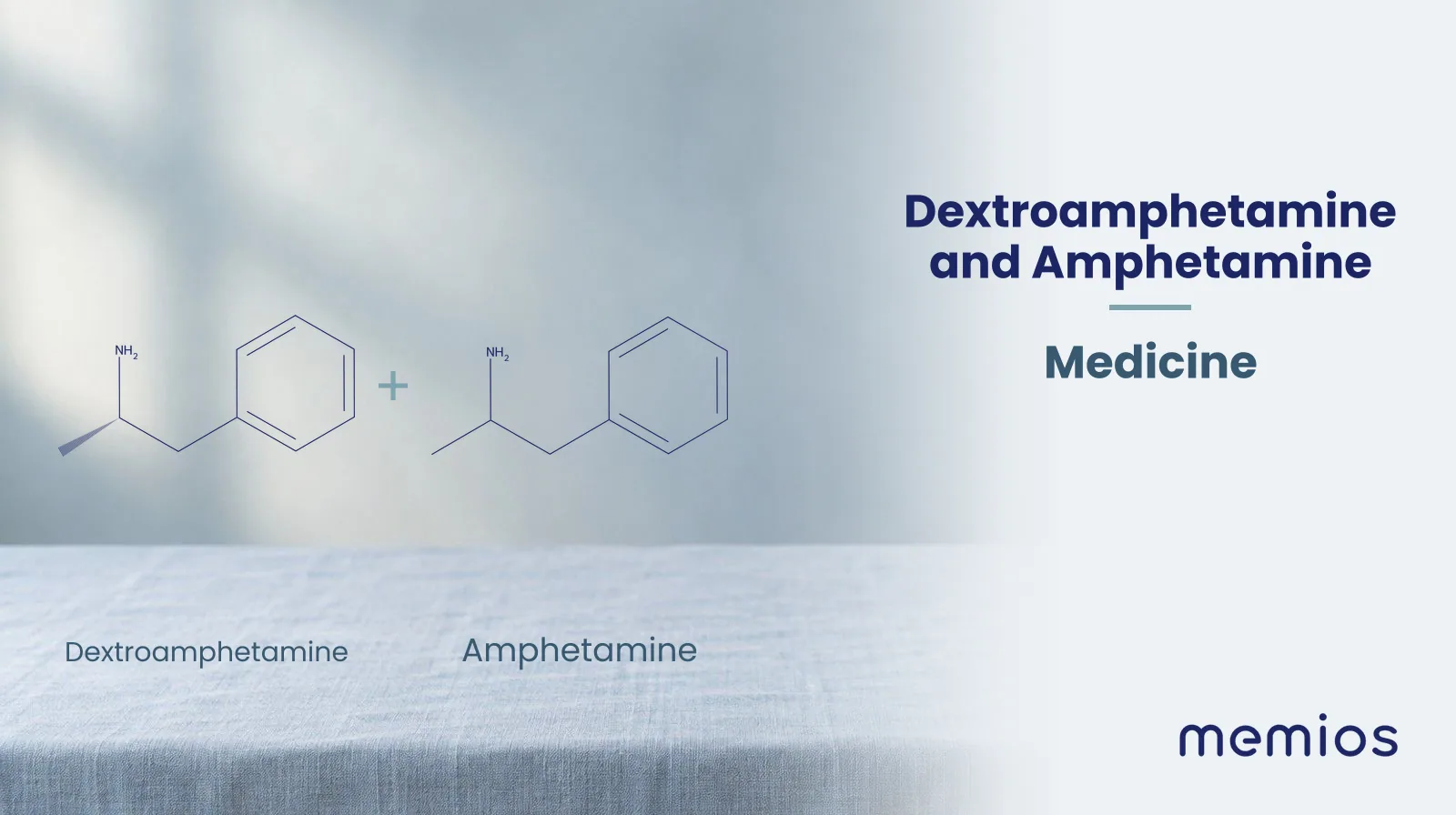 Medications
Dextroamphetamine; Amphetamine
In short-term trials, amphetamines reduce clinician-rated ADHD symptoms more than placebo in both children and adults, with large effects on average.
2026-09-29 · 13 min read
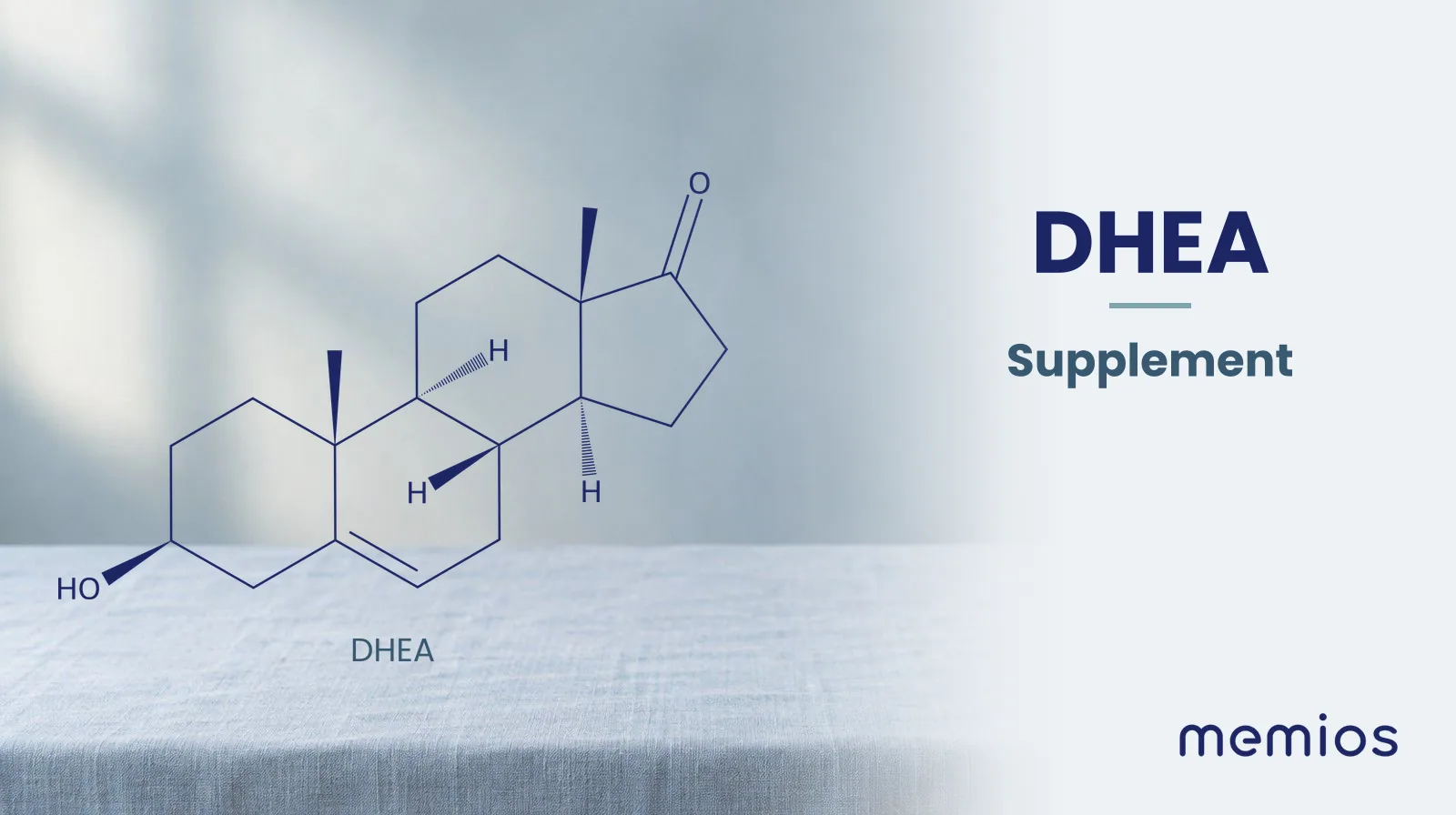 Supplements
DHEA
Disputed. The evidence is mixed and mostly disappointing.
2026-09-29 · 17 min read
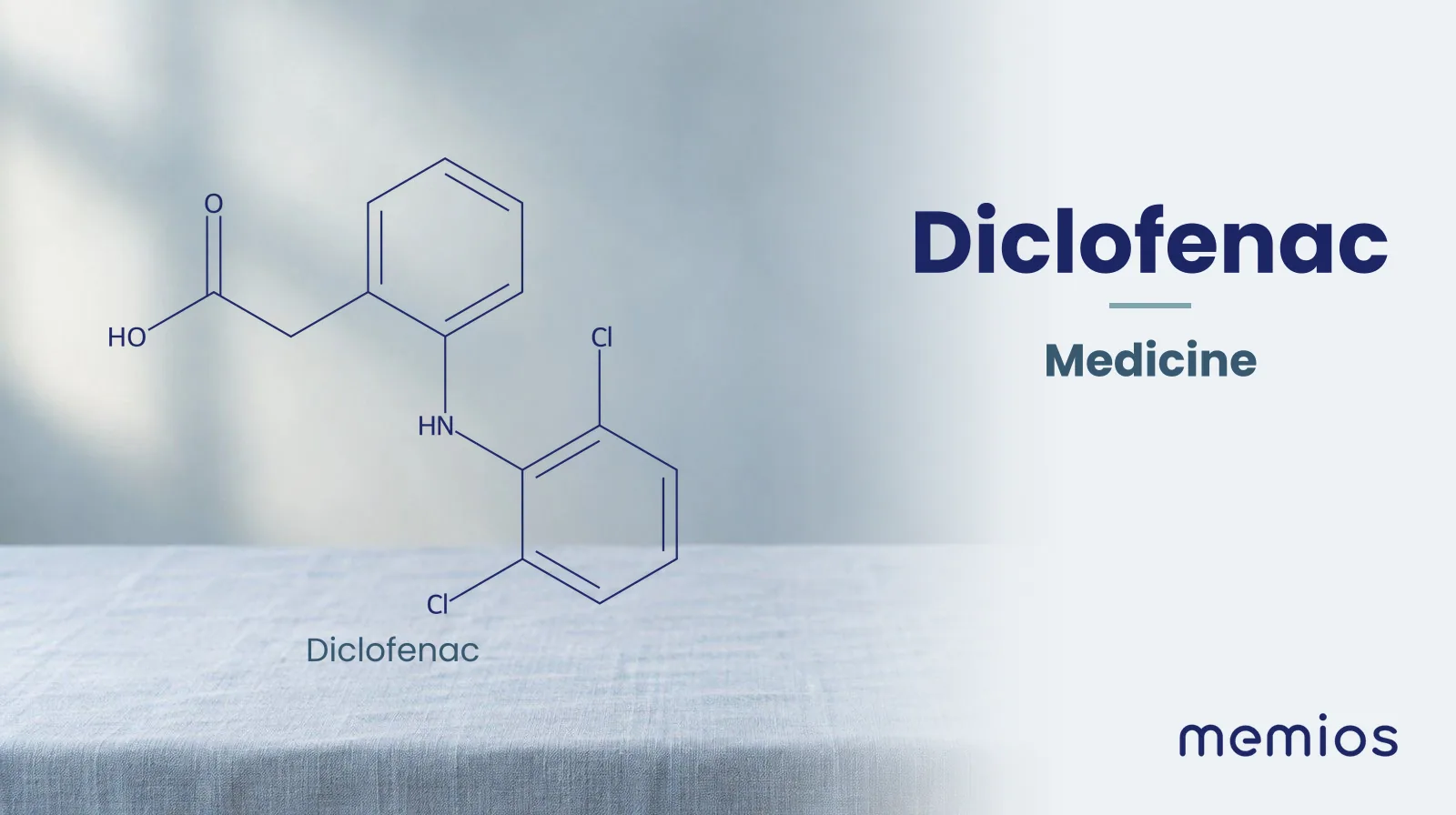 Medications
Diclofenac
Diclofenac is among the most effective oral anti-inflammatory painkillers and among the most cardiovascularly risky.
2026-09-29 · 24 min read
 Research
How does dietary fibre affect the gut microbiome and health?
Across 64 trials, fibre supplements (especially fructans and galacto-oligosaccharides) raised stool Bifidobacterium and Lactobacillus but did not change alpha-diversity.
2026-09-29 · 9 min read
 Supplements
Digestive enzyme blends
For people whose pancreas does not make enough enzymes (exocrine pancreatic insufficiency, for example in cystic fibrosis), prescription enzyme replacement is the standard treatment.
2026-09-29 · 7 min read
 Supplements
DPP IV protease and gluten-degrading enzyme supplements
Common DPP-IV-type digestive enzyme supplements do not protect people with coeliac disease: laboratory testing found they leave the immune-triggering parts of gluten largely intact.
2026-09-29 · 11 min read
 Medications
Dulaglutide
In the REWIND trial (9,901 people, median 5.4 years) it reduced the combined rate of heart attack, stroke and cardiovascular death from 13.4% to 12.0%, a hazard ratio of 0.88, while all-cause mortality did not differ.
2026-09-29 · 15 min read
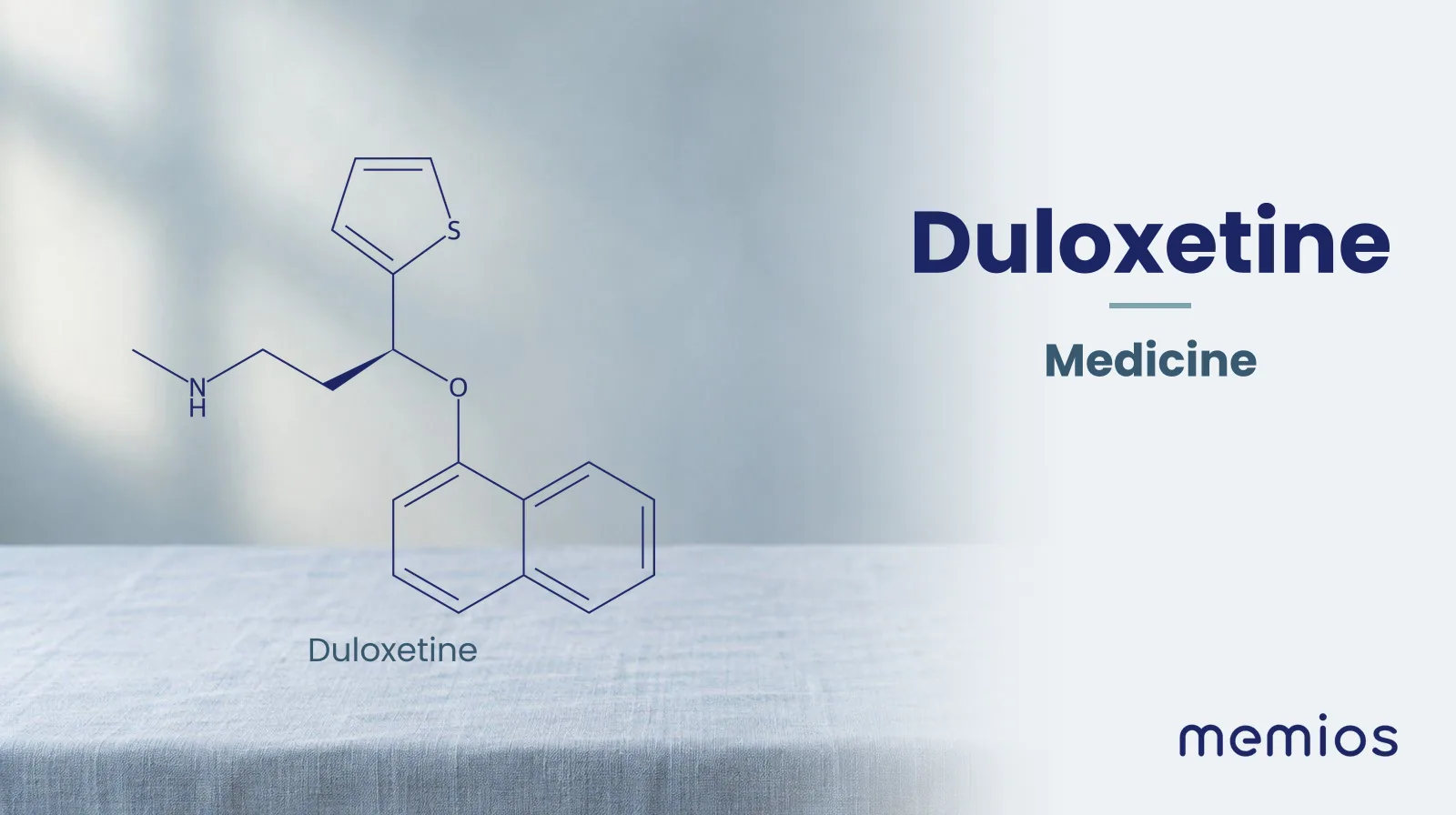 Medications
Duloxetine
Well established. It blocks the reabsorption of the brain chemicals serotonin and norepinephrine.
2026-09-29 · 17 min read
 Fasting
Eat-Stop-Eat
Limited evidence. Evidence for weekly 24-hour fasting is limited to one small RCT.
2026-09-29 · 9 min read
 Supplements
Echinacea
Disputed. The evidence is disputed rather than settled.
2026-09-29 · 13 min read
 Supplements
Elderberry
The honest summary is that the evidence is thin and uncertain rather than settled either way.
2026-09-29 · 14 min read
 Supplements
Eleuthero
Not supported by the research. It is sold as an 'adaptogen' for stress, fatigue and stamina.
2026-09-29 · 10 min read
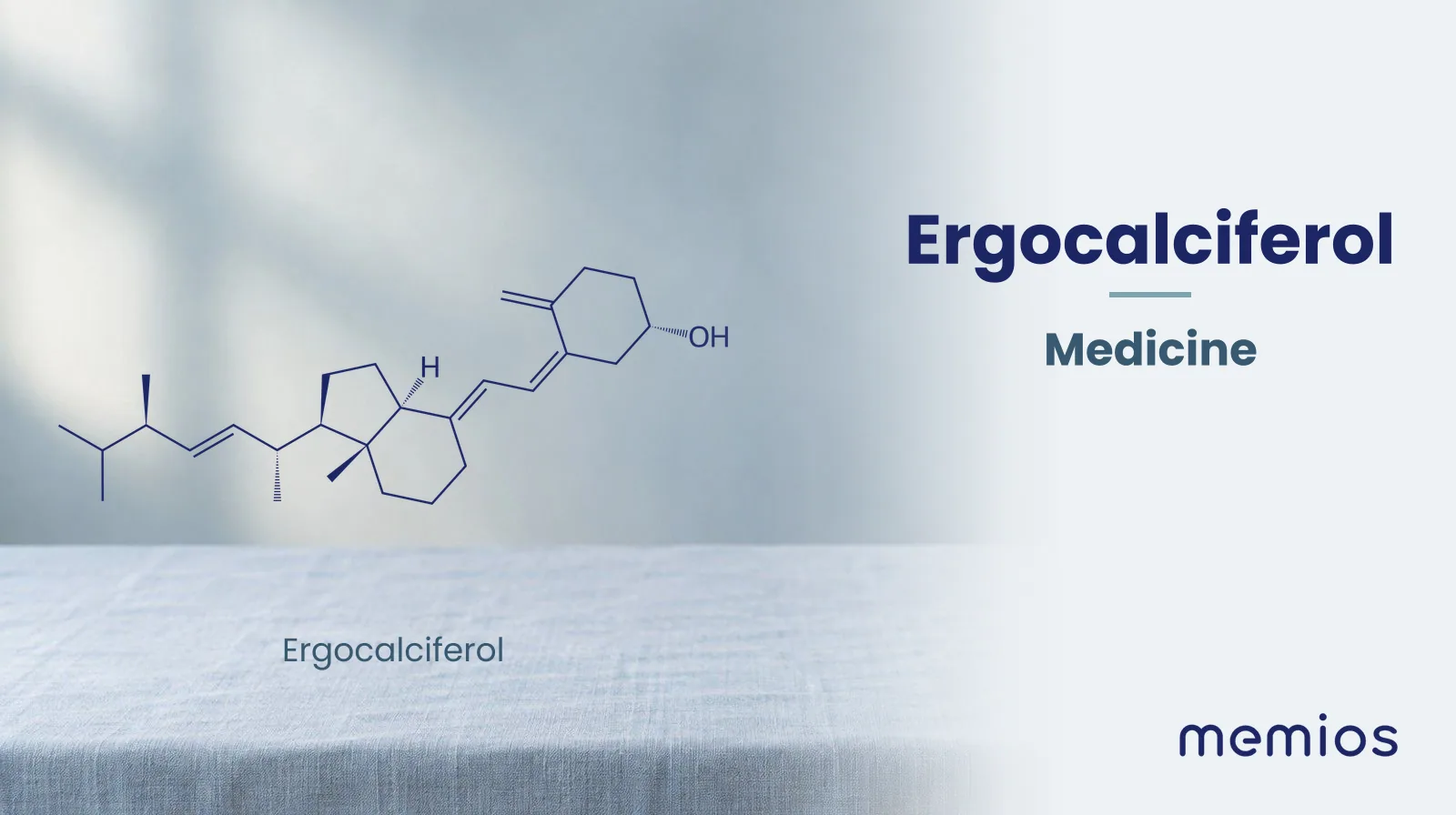 Medications
Ergocalciferol
The literature is clear on what ergocalciferol does to a blood test and much less flattering about what it does to outcomes.
2026-09-29 · 14 min read
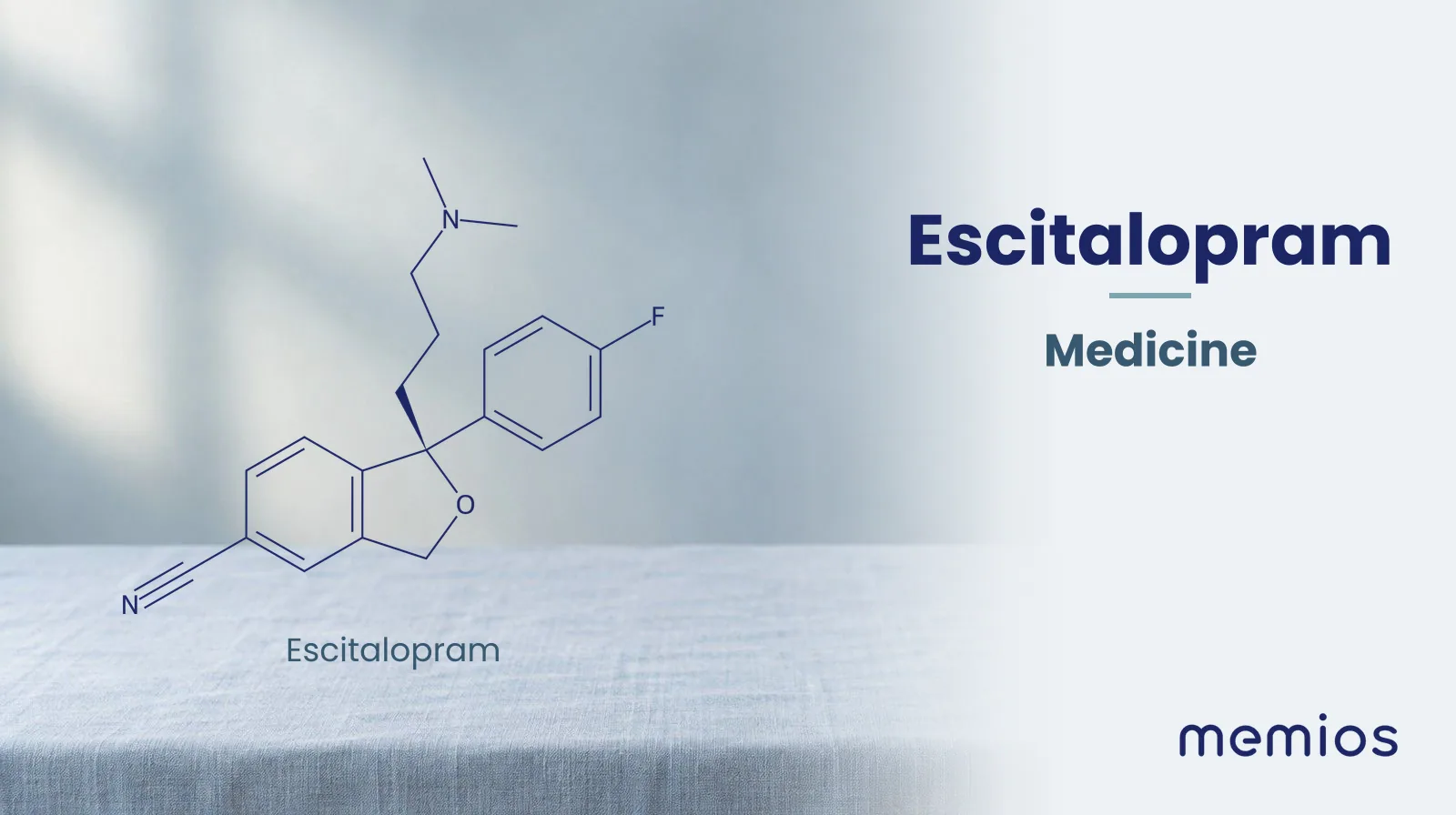 Medications
Escitalopram
Large reviews of the trials find escitalopram, like other antidepressants, beats placebo for depression, and it is among the better-tolerated ones in head-to-head trials.
2026-09-29 · 13 min read
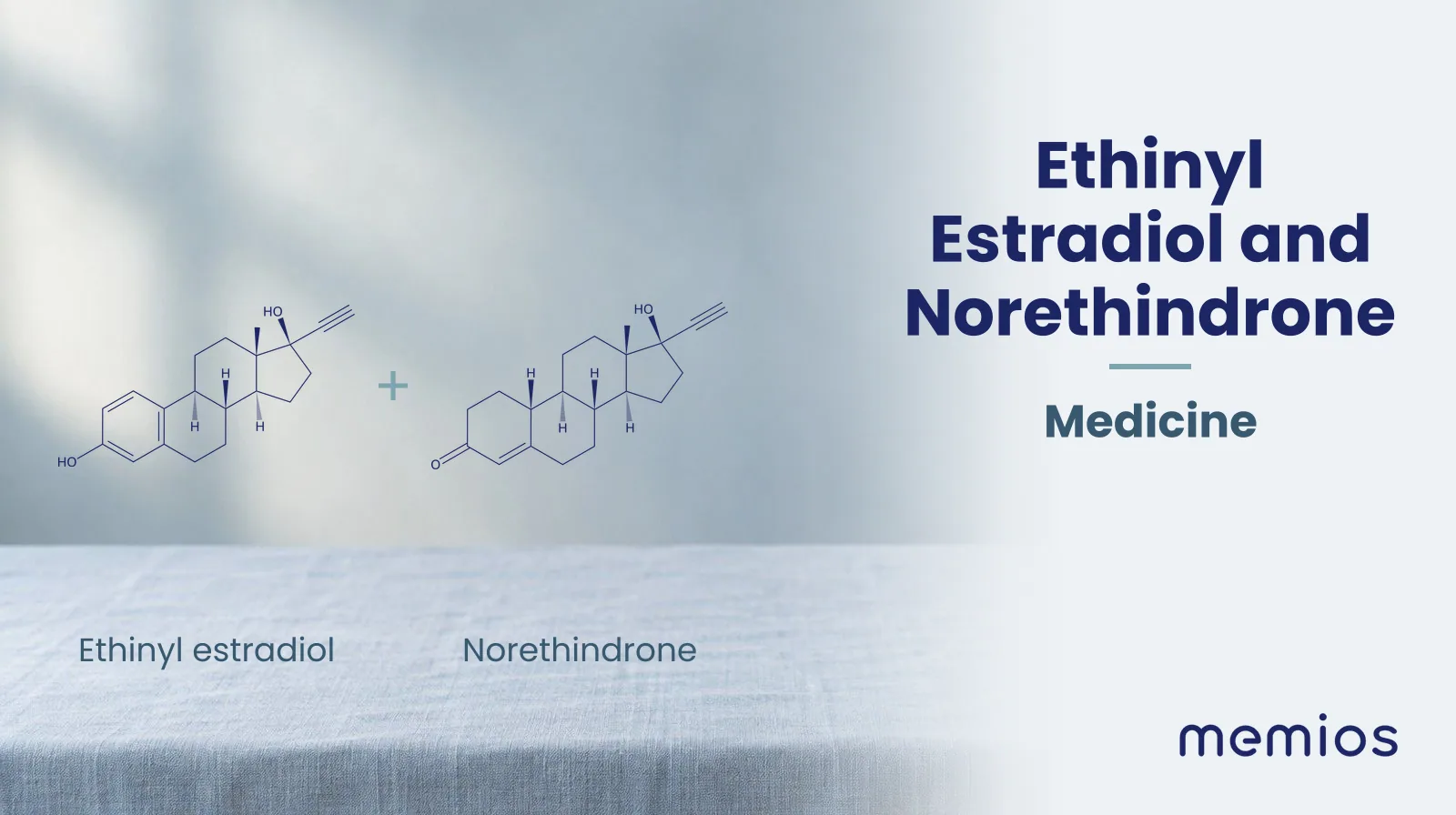 Medications
Ethinyl Estradiol; Norethindrone
The evidence supports it as effective contraception: in the pivotal study of one such product there were 5 on-treatment pregnancies in 3,565 cycles without backup contraception, a Pearl Index of 1.82.
2026-09-29 · 17 min read
 Supplements
Evening primrose oil
Not supported by the research. For the two uses with the most trial data, the answer is that it does not work.
2026-09-29 · 15 min read
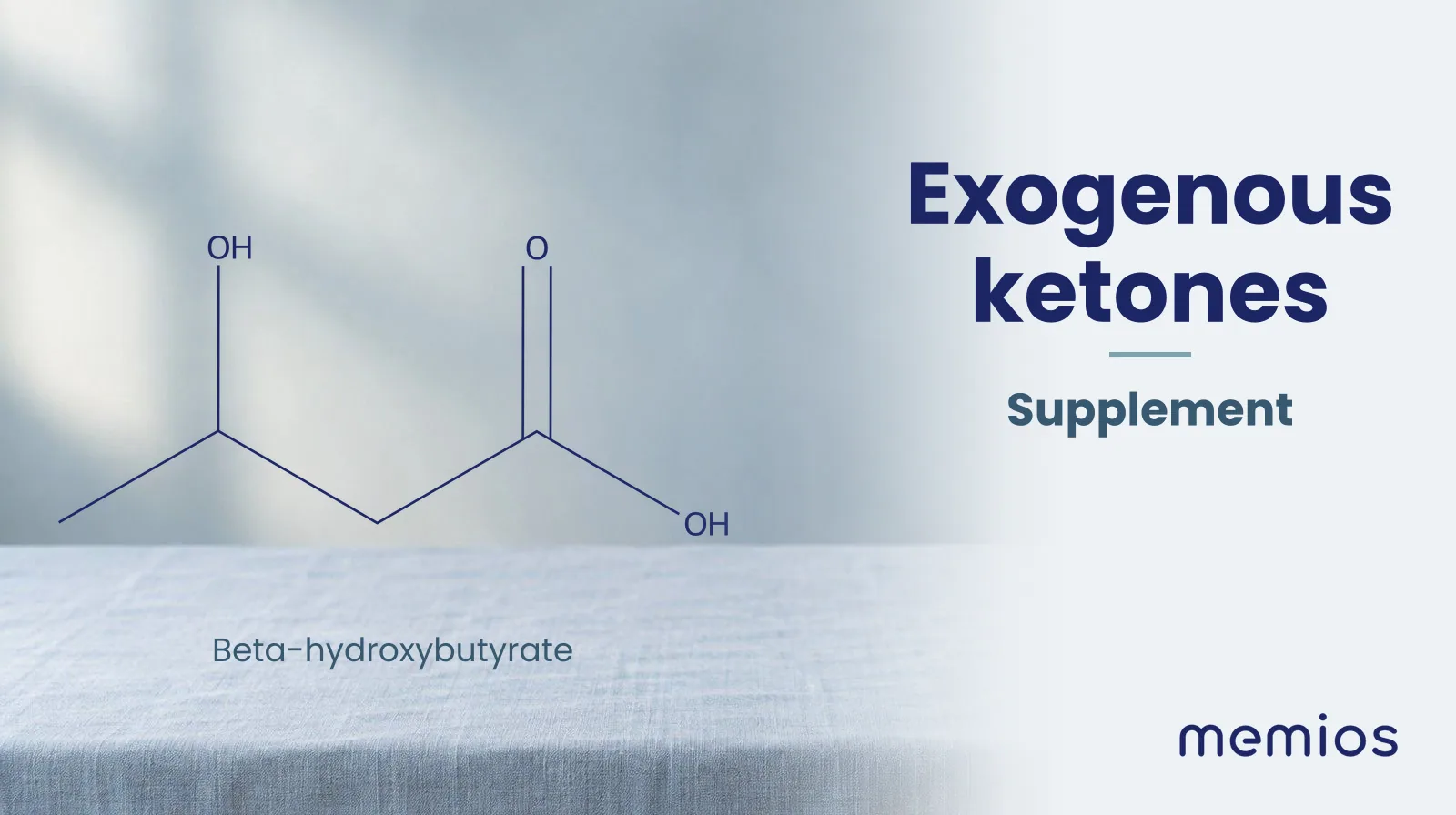 Supplements
Exogenous ketones
Limited evidence. The evidence is limited and mixed.
2026-09-29 · 13 min read
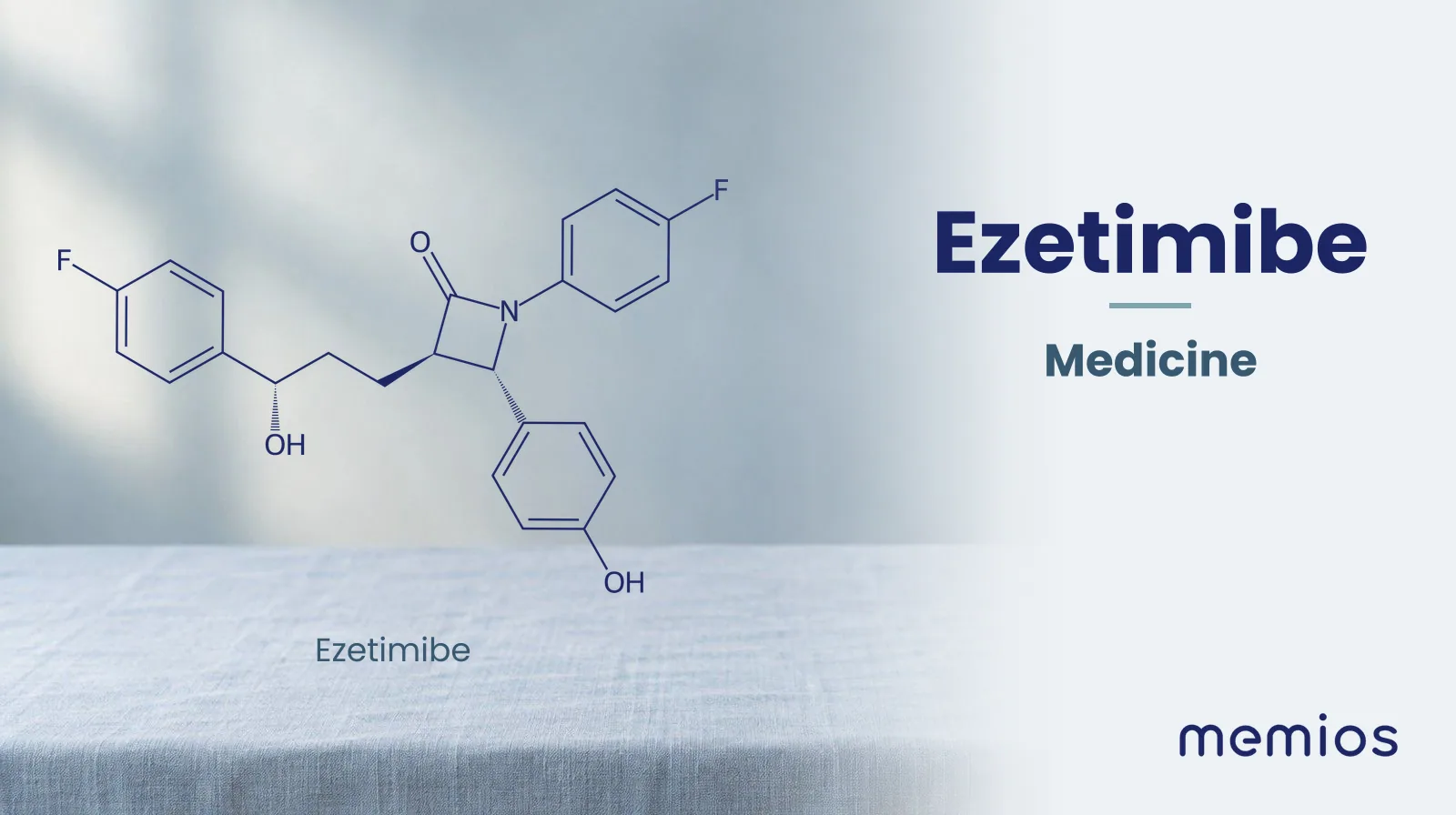 Medications
Ezetimibe
The evidence that ezetimibe lowers LDL cholesterol is solid and the size of that effect is modest; the evidence that it prevents heart attacks and strokes is real but small and contested.
2026-09-29 · 20 min read
 Fasting
36-hour fast
Limited evidence. The evidence is limited to small, short trials, mostly in healthy adults under 60.
2026-09-29 · 10 min read
 Fasting
Fasting-mimicking diet
Limited evidence. Evidence is limited and closely tied to the product's maker.
2026-09-29 · 10 min read
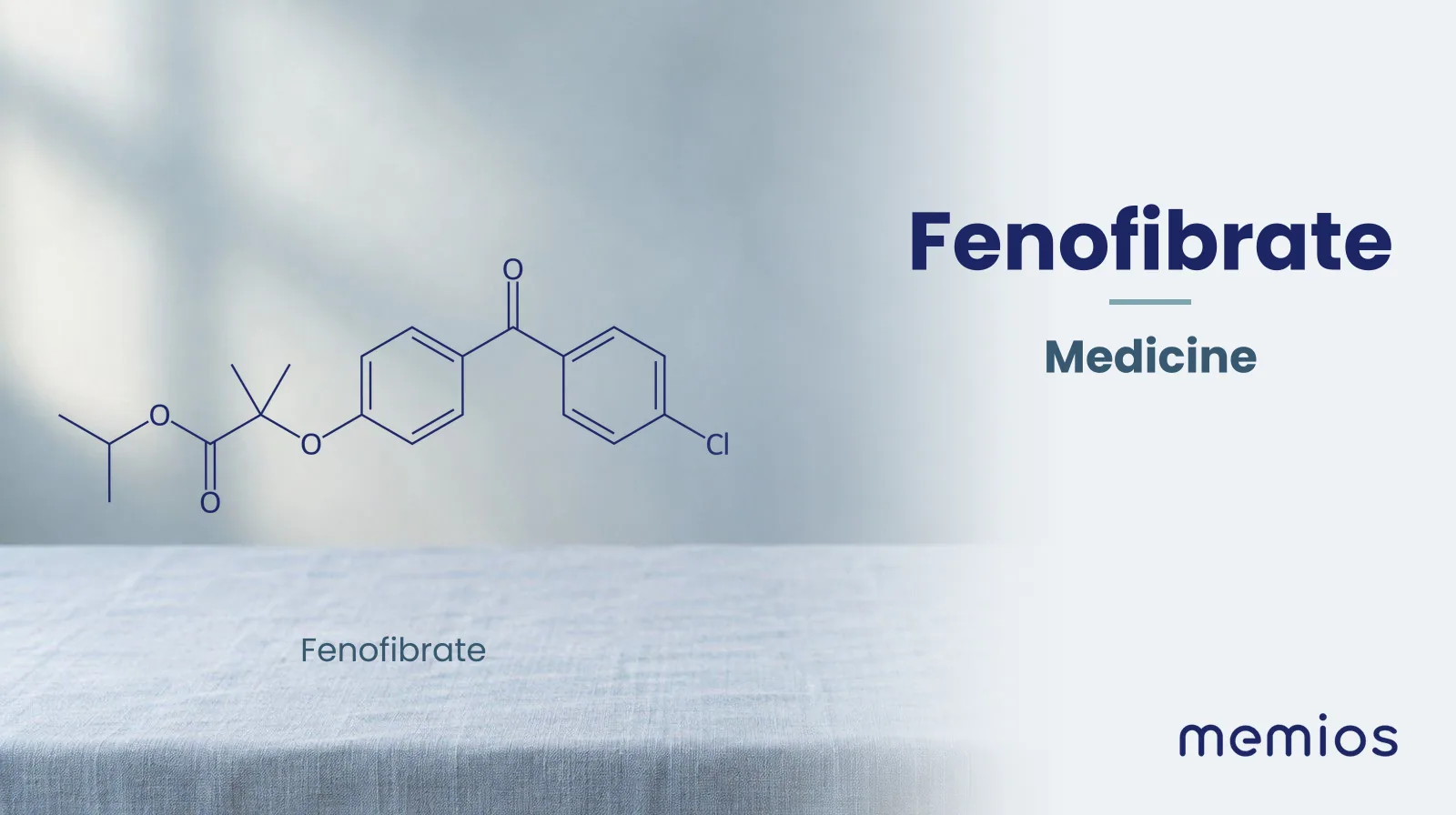 Medications
Fenofibrate
The literature supports fenofibrate as a triglyceride-lowering drug whose effect on hard cardiovascular outcomes is unsettled.
2026-09-29 · 17 min read
 Supplements
Fenugreek
Fenugreek seed is promoted mainly for blood sugar, for cholesterol and as a galactagogue to increase breast milk.
2026-09-29 · 16 min read
 Supplements
Feverfew
Limited evidence. The evidence is thin and Cochrane rates it low quality.
2026-09-29 · 25 min read
 Fasting
5:2 diet
5:2 leads to weight loss, but randomised trials and a Cochrane review found no clear advantage over ordinary daily calorie restriction or standard dietary advice.
2026-09-29 · 14 min read
 Supplements
Flaxseed and flaxseed oil
The state of the evidence is that whole ground flaxseed has a measurable but modest effect on blood lipids and blood pressure in meta-analyses of randomised trials.
2026-09-29 · 19 min read
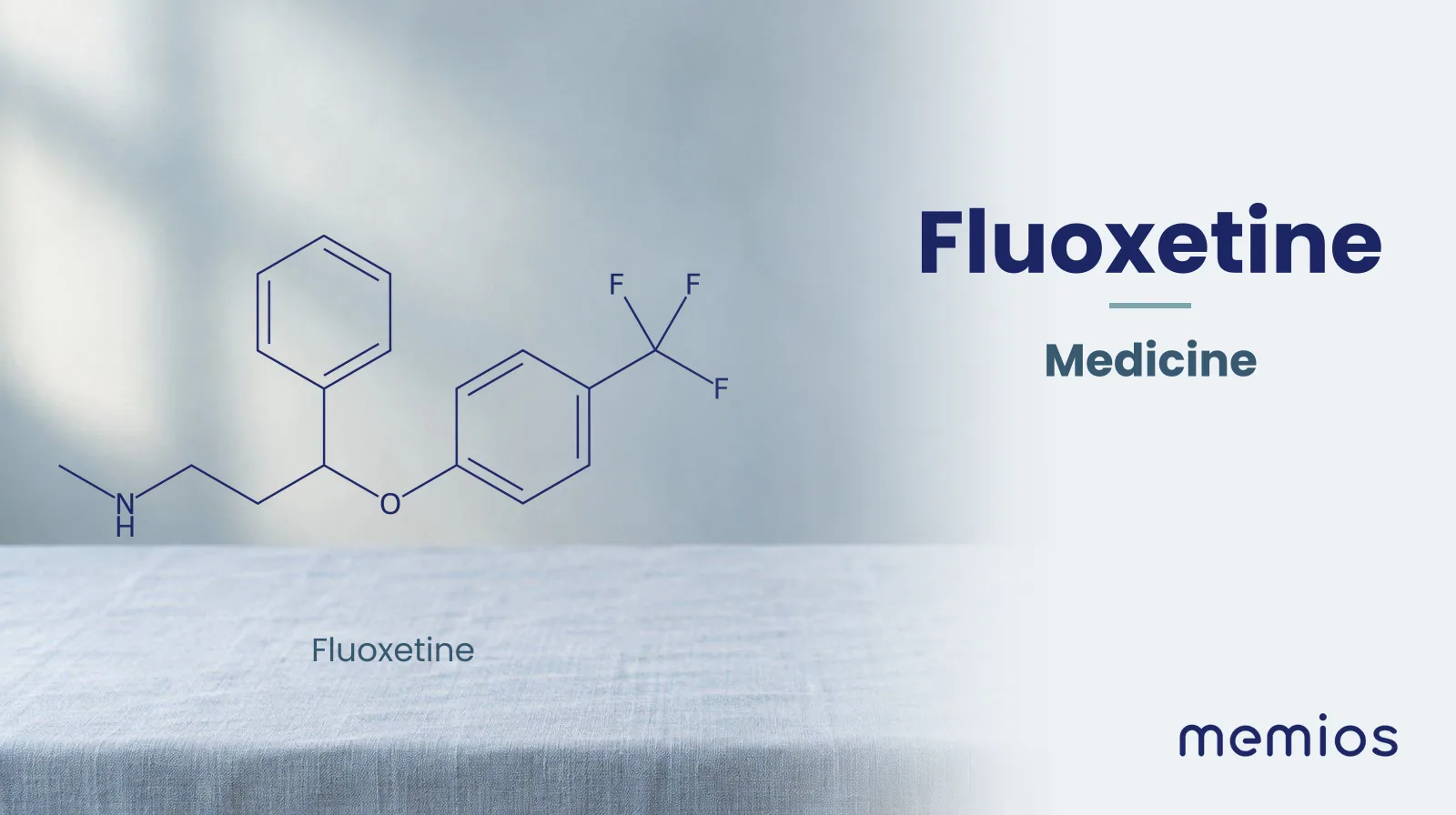 Medications
Fluoxetine
Well established. Fluoxetine blocks the reuptake of serotonin by nerve cells.
2026-09-29 · 13 min read
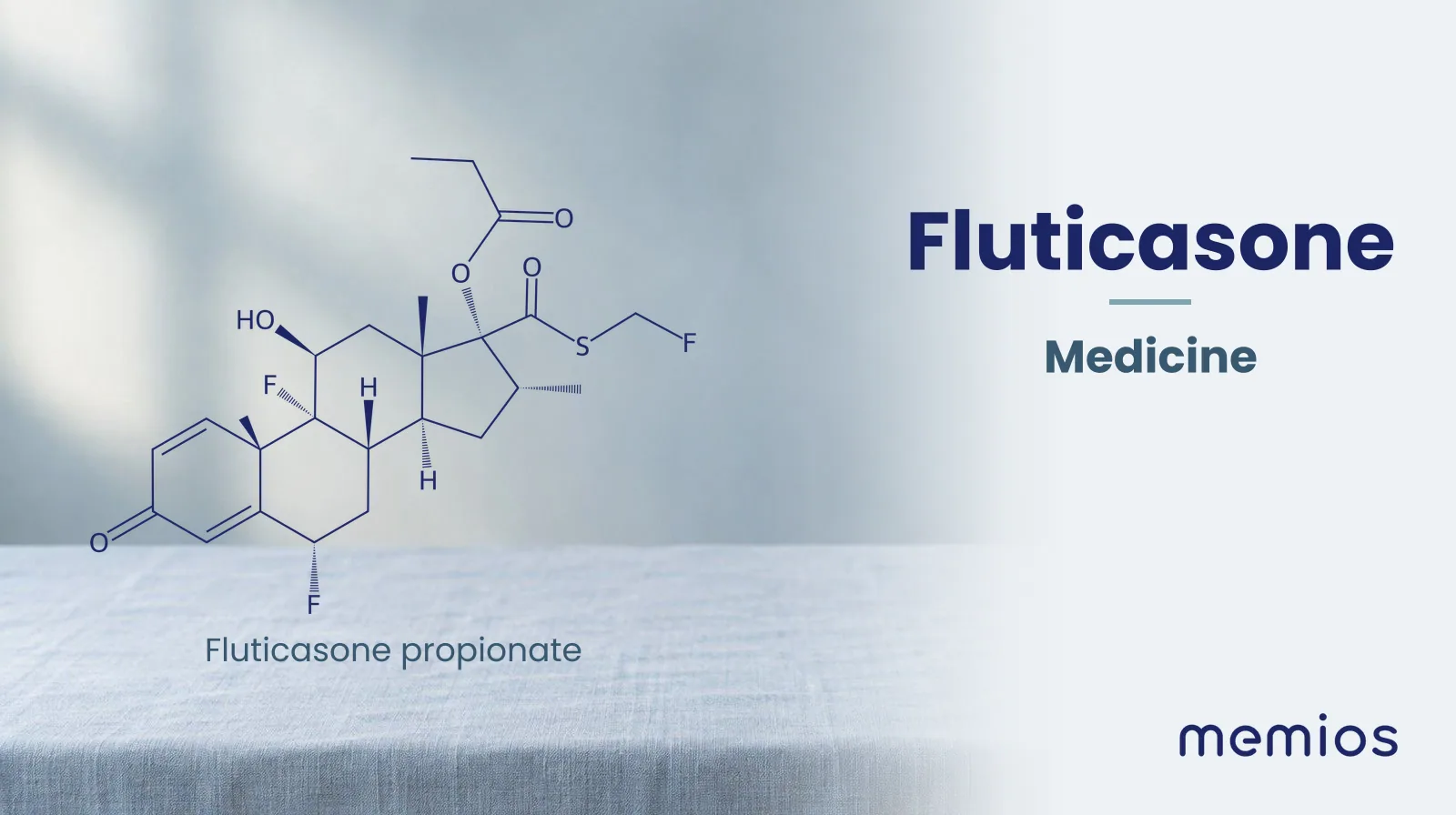 Medications
Fluticasone
For asthma, a Cochrane review found fluticasone effective compared with placebo, even at low doses, with more thrush, sore throat and hoarseness.
2026-09-29 · 13 min read
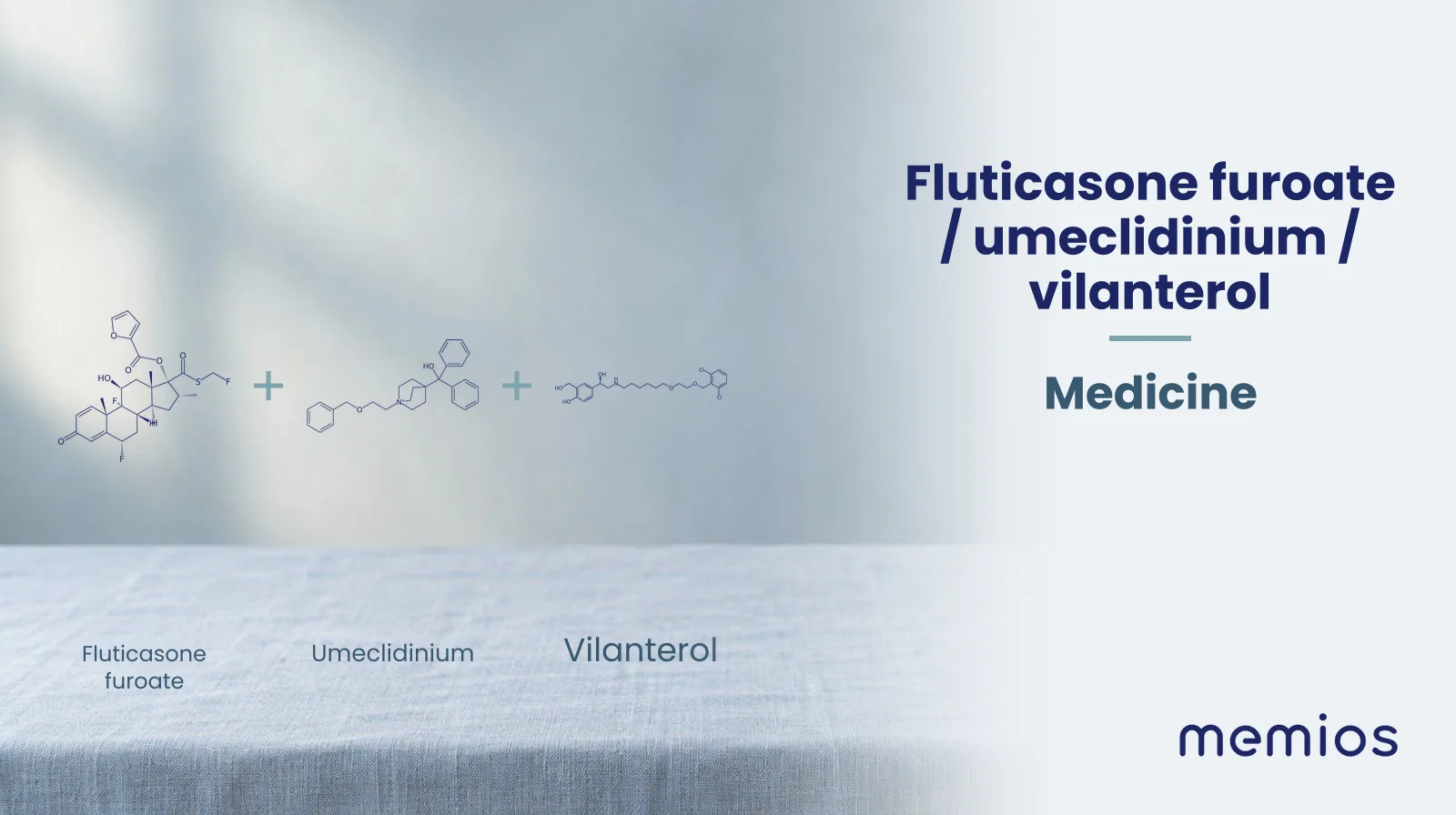 Medications
Fluticasone furoate / umeclidinium / vilanterol
Well established. The evidence differs by approved use.
2026-09-29 · 12 min read
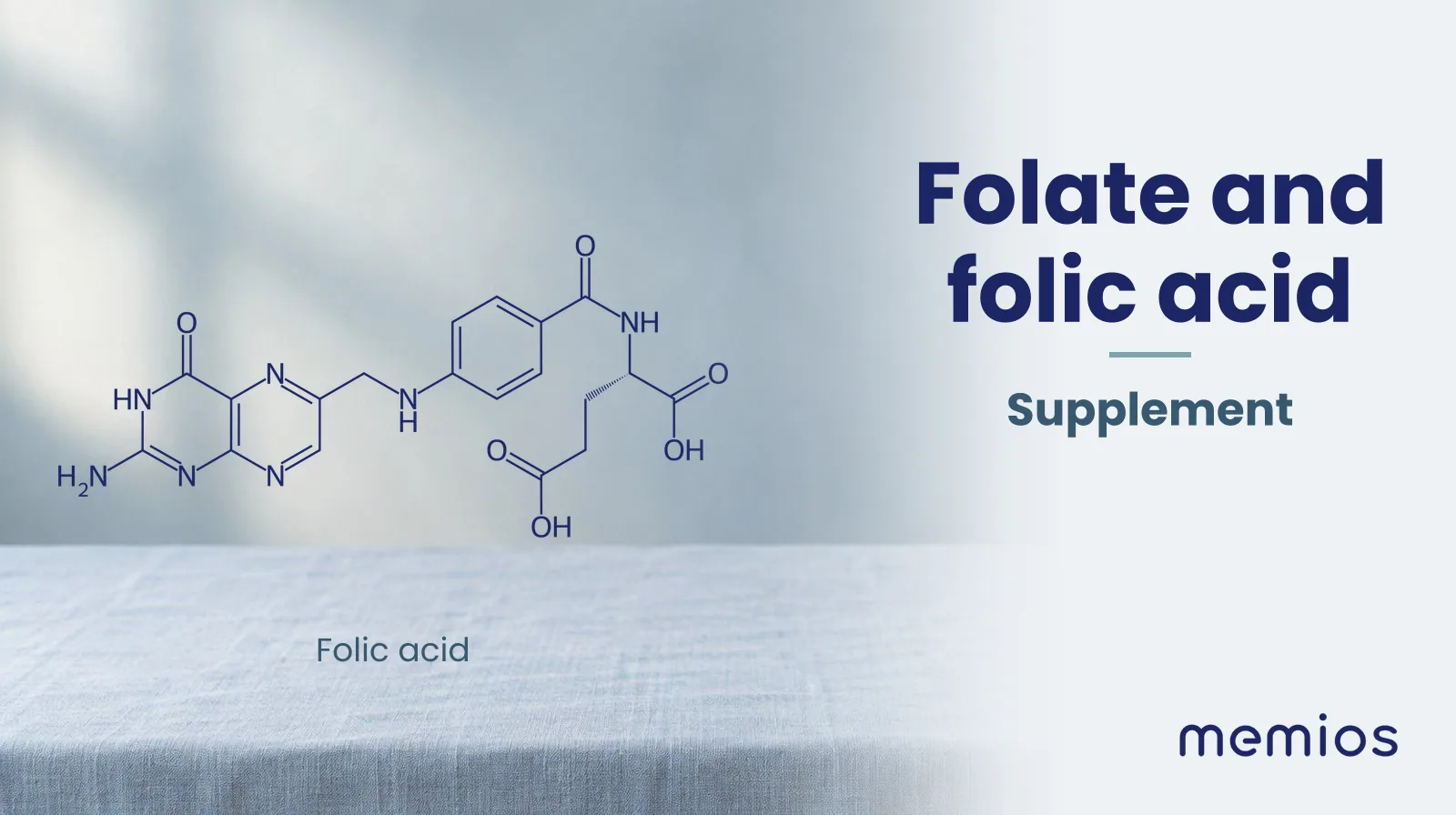 Supplements
Folate and folic acid
Folic acid taken around conception has high-quality Cochrane evidence for preventing neural tube defects.
2026-09-29 · 12 min read
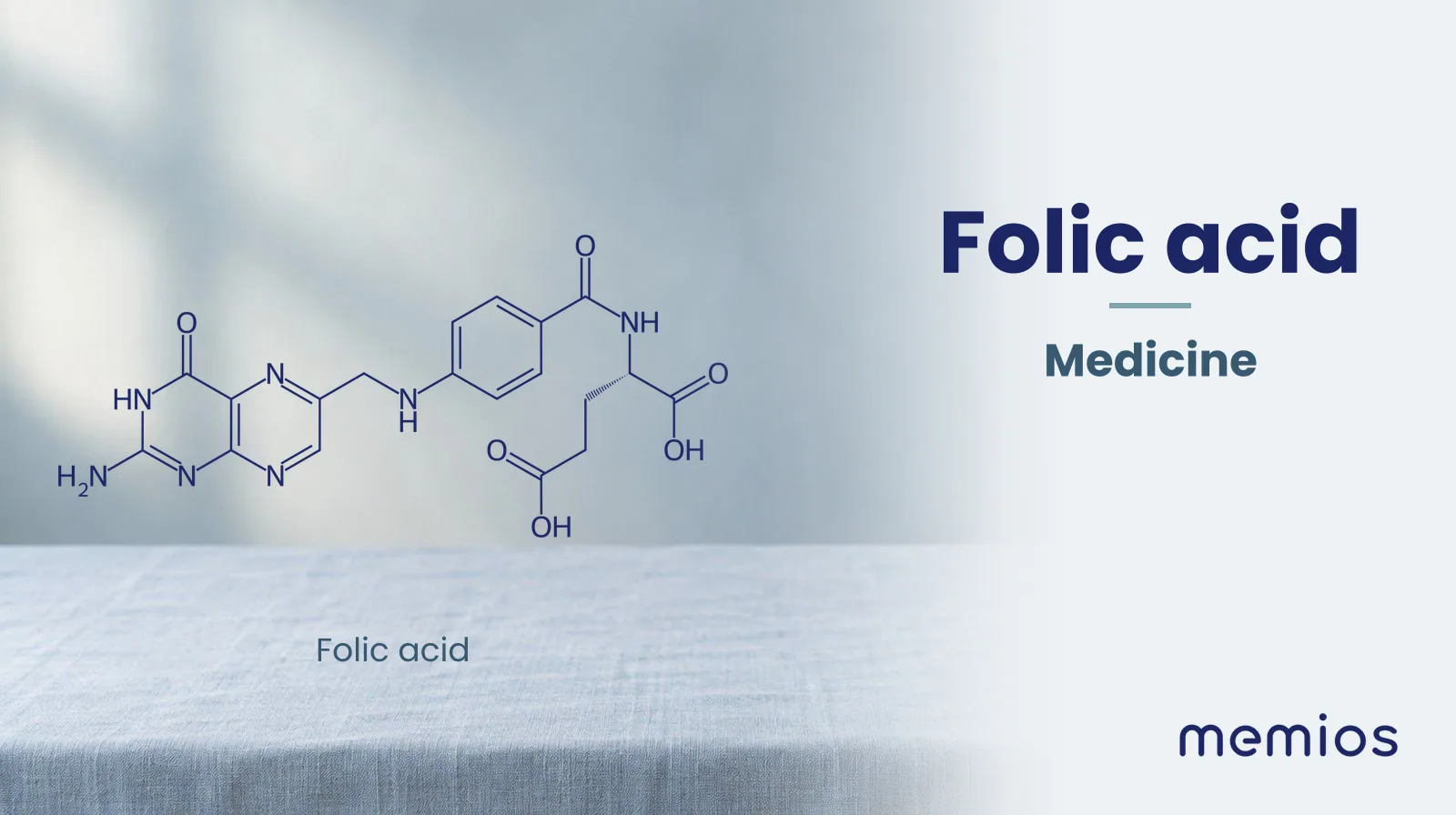 Medications
Folic acid
The strongest evidence is in pregnancy: pooled randomised trials show folic acid around conception cuts neural tube defects by roughly two thirds, with no clear effect on other birth defects.
2026-09-29 · 18 min read
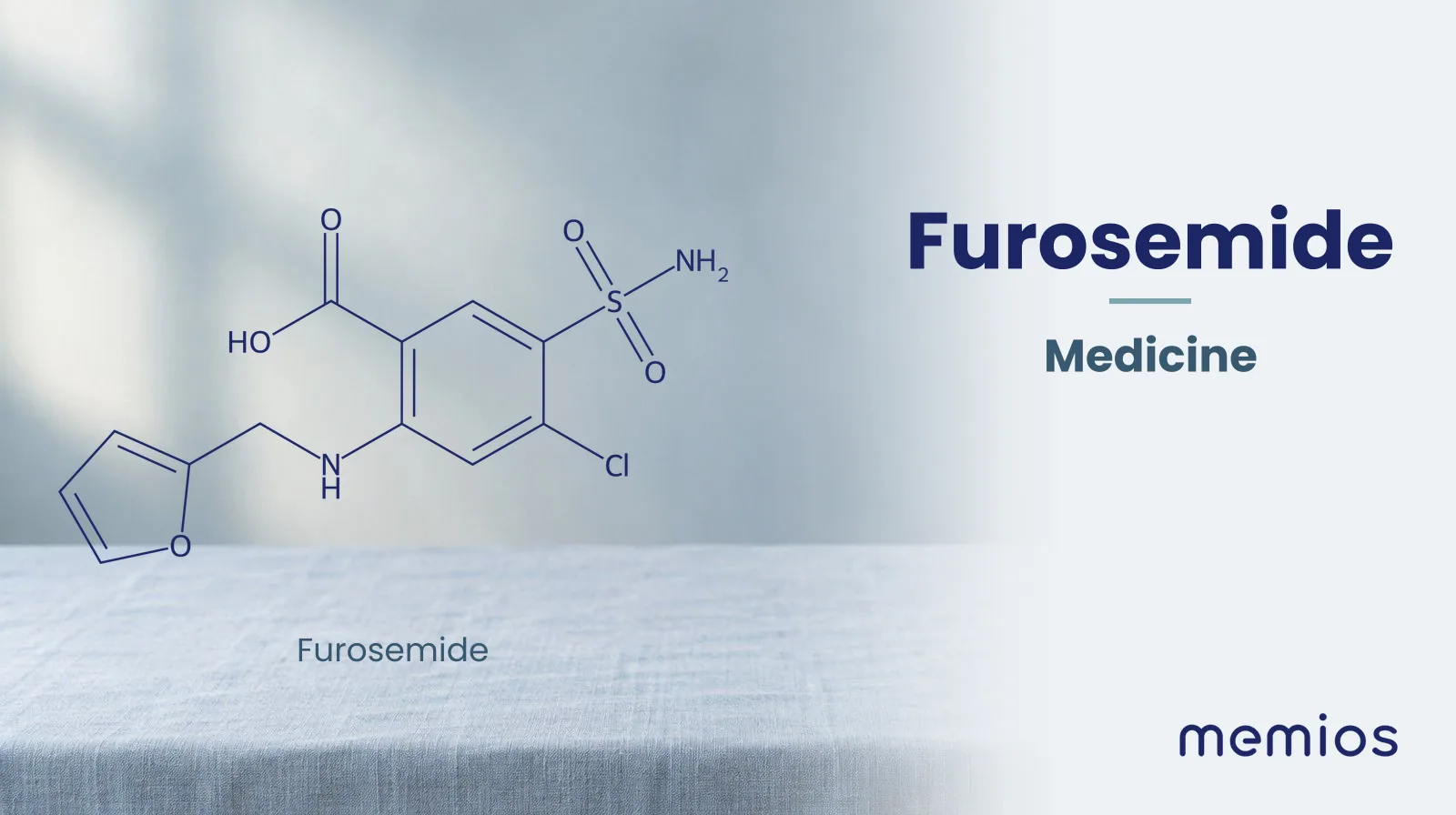 Medications
Furosemide
It removes excess fluid quickly and is a mainstay for congestion in heart failure, but most of the trial evidence is old, small and short.
2026-09-29 · 10 min read
 Supplements
Garcinia cambogia
Limited evidence. It is sold for weight loss.
2026-09-29 · 15 min read
 Supplements
Garlic
Garlic's best-supported effect is a modest reduction in blood pressure in people who already have hypertension: meta-analyses report systolic reductions of roughly 4 to 7 mmHg.
2026-09-29 · 19 min read
 Supplements
Gelatin
Gelatin is digested into amino acids and small peptides, and blood levels of glycine, proline, hydroxyproline and hydroxylysine rise within an hour of taking it.
2026-09-29 · 12 min read
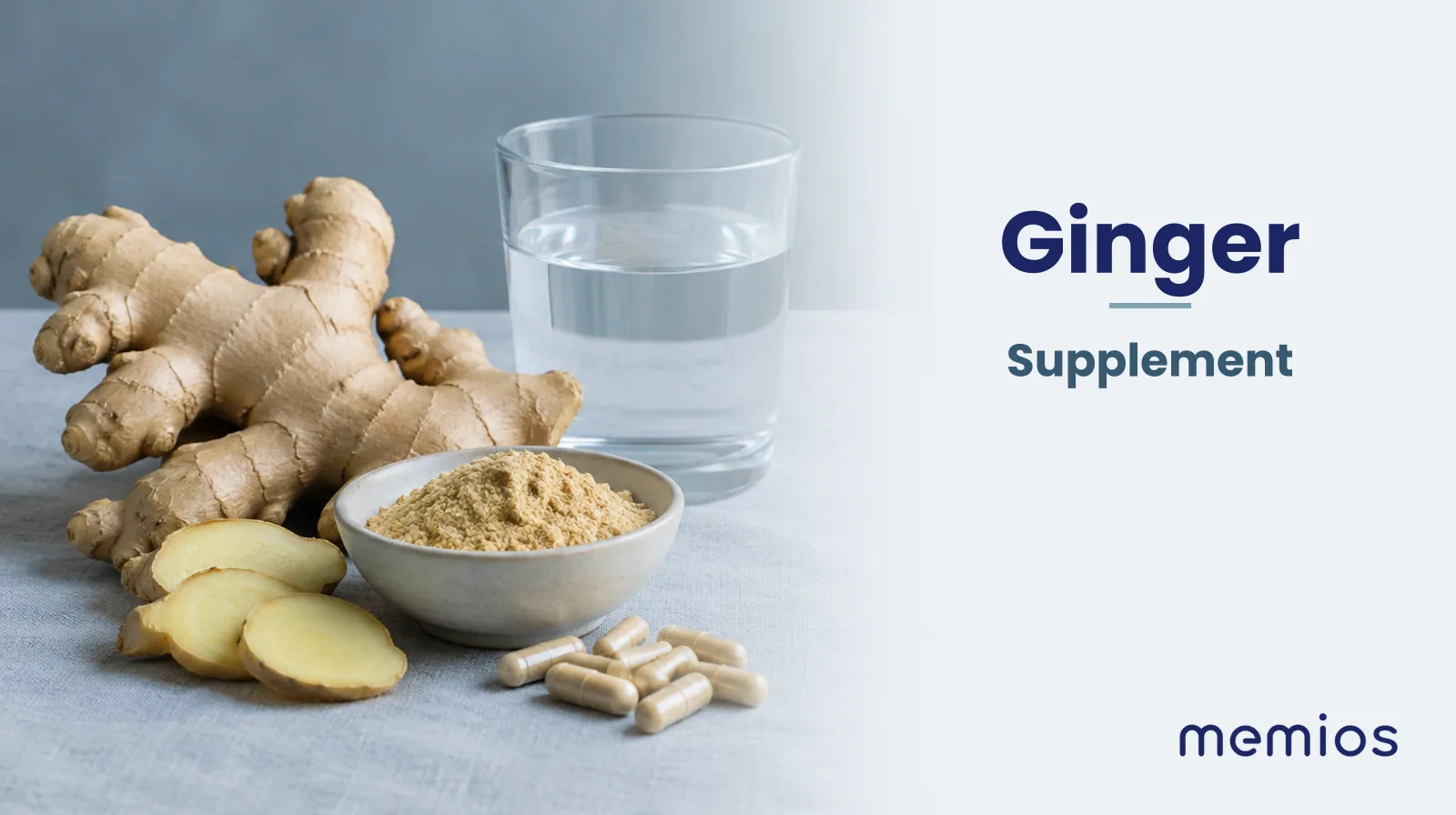 Supplements
Ginger
Ginger is best supported for nausea in pregnancy, where pooled trials show it eases nausea, though it did not significantly reduce vomiting and the evidence is low quality.
2026-09-29 · 9 min read
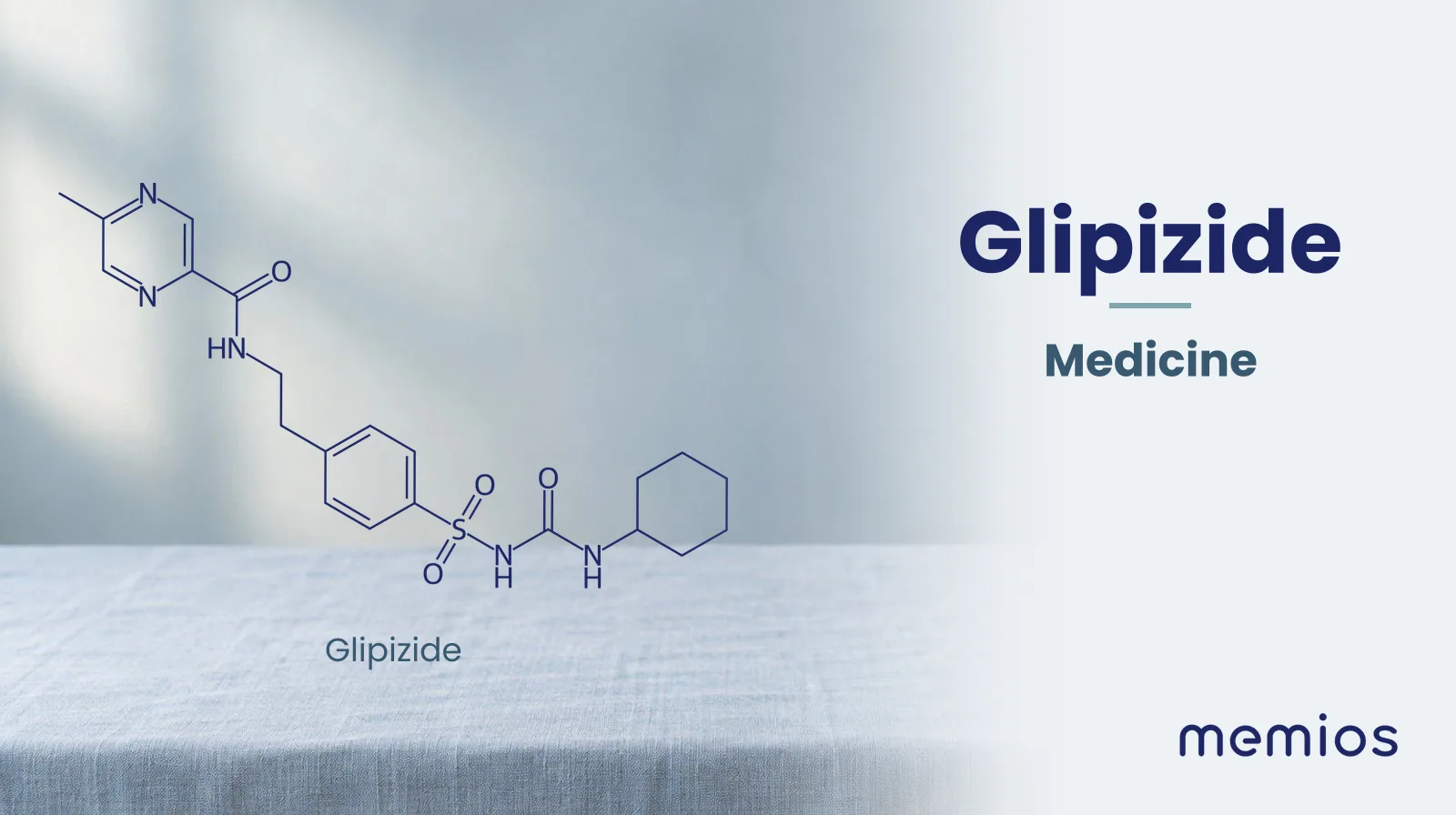 Medications
Glipizide
Glipizide lowers blood glucose by making the pancreas release more insulin. Pooled trials show sulfonylureas as a class drop HbA1c by about 1.5 percentage points compared with placebo, which is a large glucose effect.
2026-09-29 · 21 min read
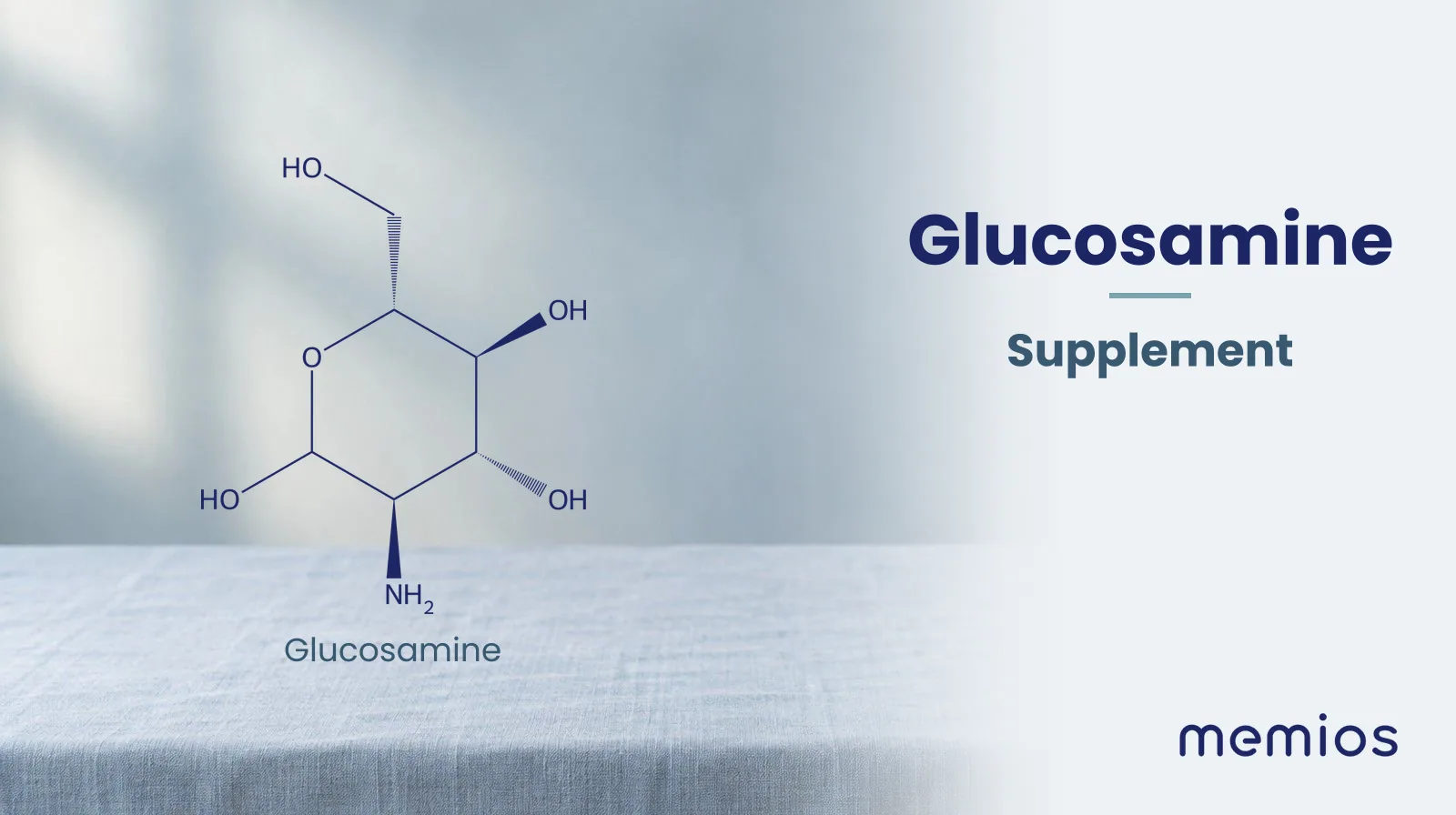 Supplements
Glucosamine
Disputed. The evidence is disputed rather than settled.
2026-09-29 · 18 min read
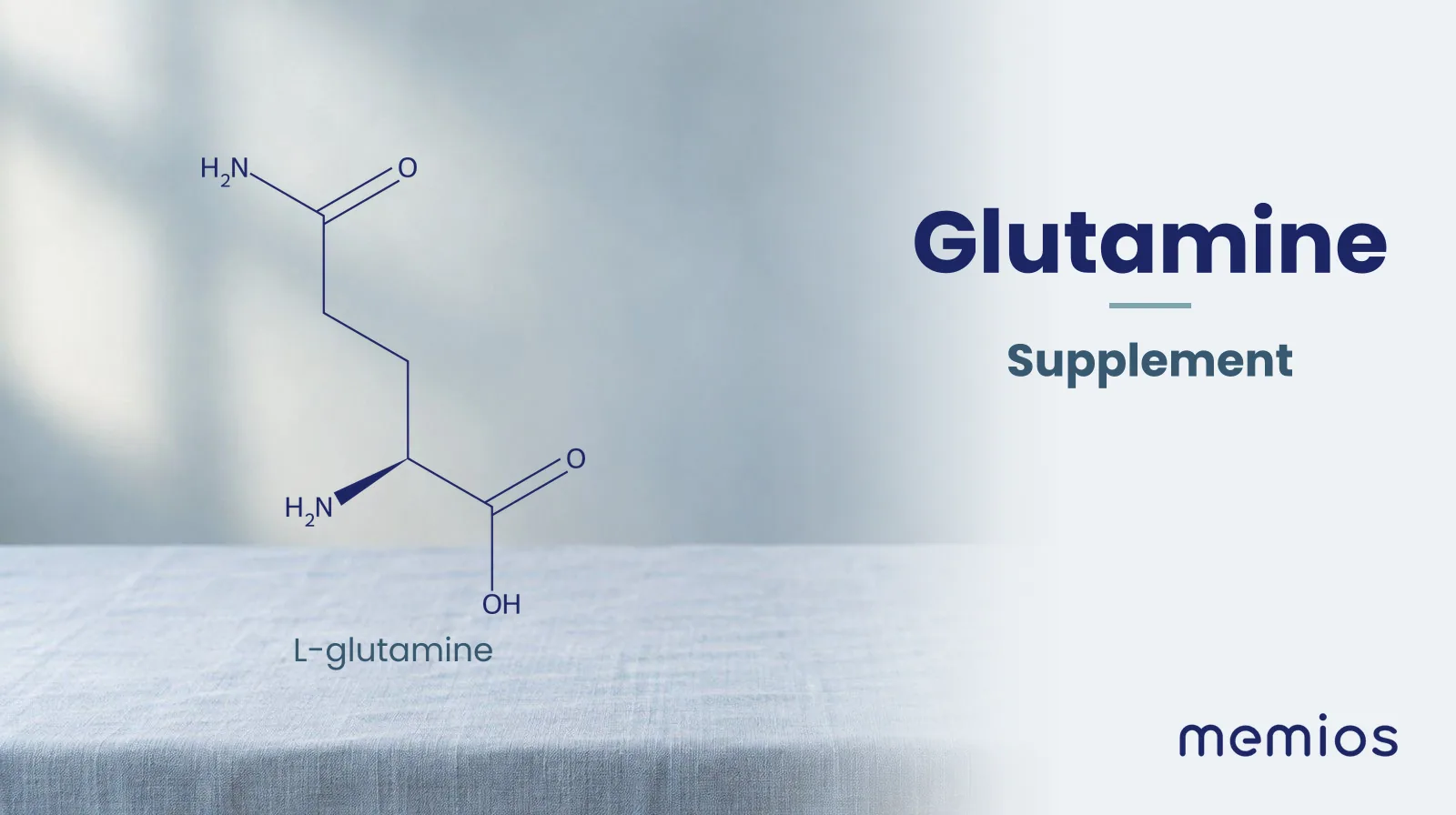 Supplements
Glutamine
Limited evidence. Claims for glutamine centre on gut lining, immunity, recovery and muscle.
2026-09-29 · 14 min read
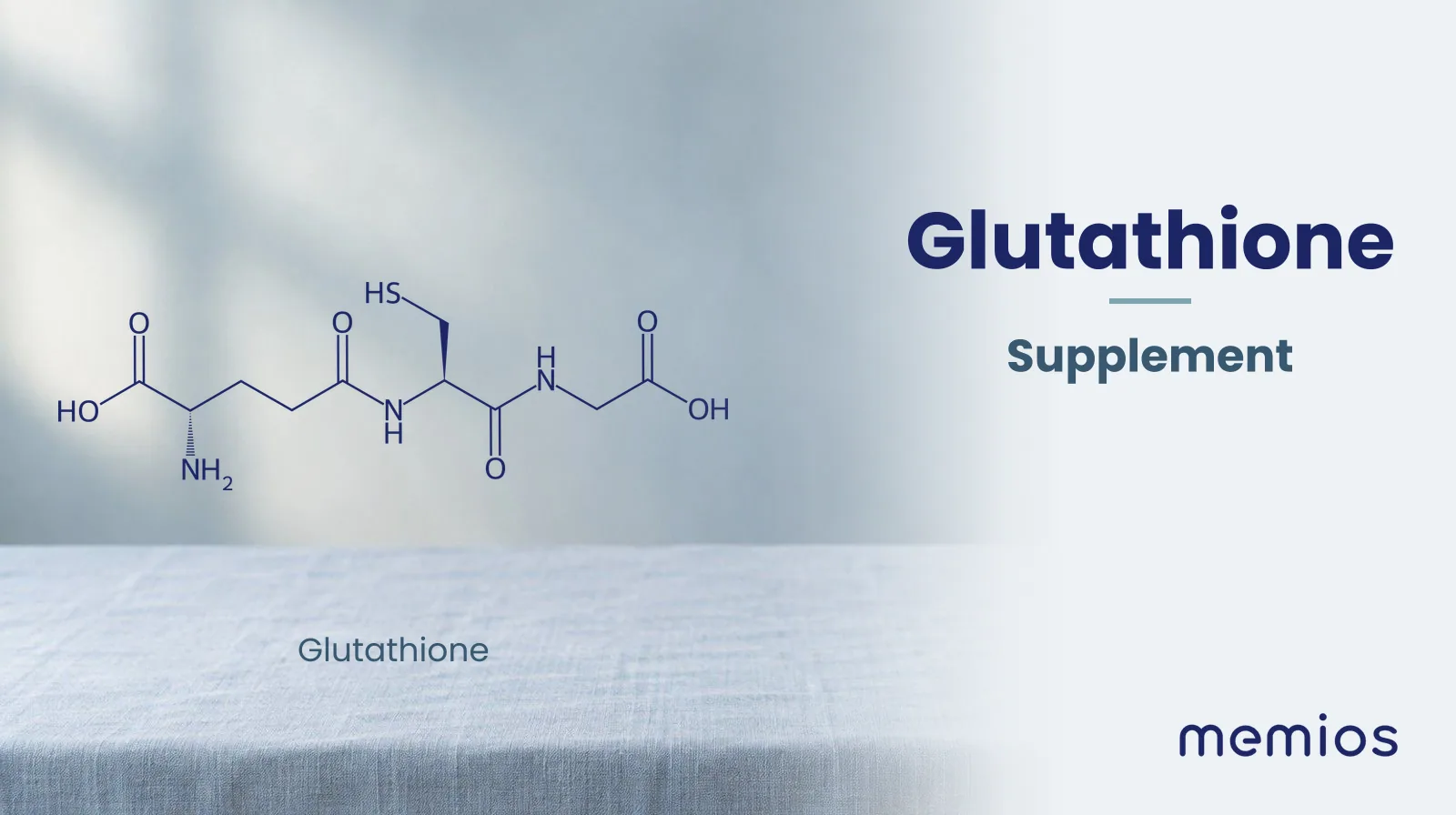 Supplements
Glutathione
Glutathione's role inside cells is not in doubt; what is disputed is whether swallowing it changes anything.
2026-09-29 · 14 min read
 Supplements
Goji berry
Limited evidence. Goji is marketed for general well-being, antioxidant status and eye health.
2026-09-29 · 16 min read
 Supplements
Goldenseal
What goldenseal has actually been shown to do in people is interfere with drug metabolism, not treat disease.
2026-09-29 · 12 min read
 Supplements
Grape seed extract
Limited evidence. Meta-analyses of small trials find a small drop in blood pressure and heart rate.
2026-09-29 · 10 min read
 Supplements
Green tea extract / EGCG
This is one of the clearest cases in the supplement literature where the harm evidence is stronger than the benefit evidence.
2026-09-29 · 20 min read
 Research
Is a more diverse gut microbiome healthier?
Low diversity or low gene richness is repeatedly associated with worse metabolic markers in population studies, and one randomised trial raised diversity with fermented foods while inflammatory markers fell.
2026-09-29 · 13 min read
 Supplements
Hawthorn
Disputed. The evidence is genuinely split.
2026-09-29 · 20 min read
 Research
Helicobacter pylori: what does it cause, how is it treated, is resistance a problem, and do probiotics help eradication?
The evidence that H. pylori causes gastritis and raises the risk of ulcer and stomach cancer is well established.
2026-09-29 · 10 min read
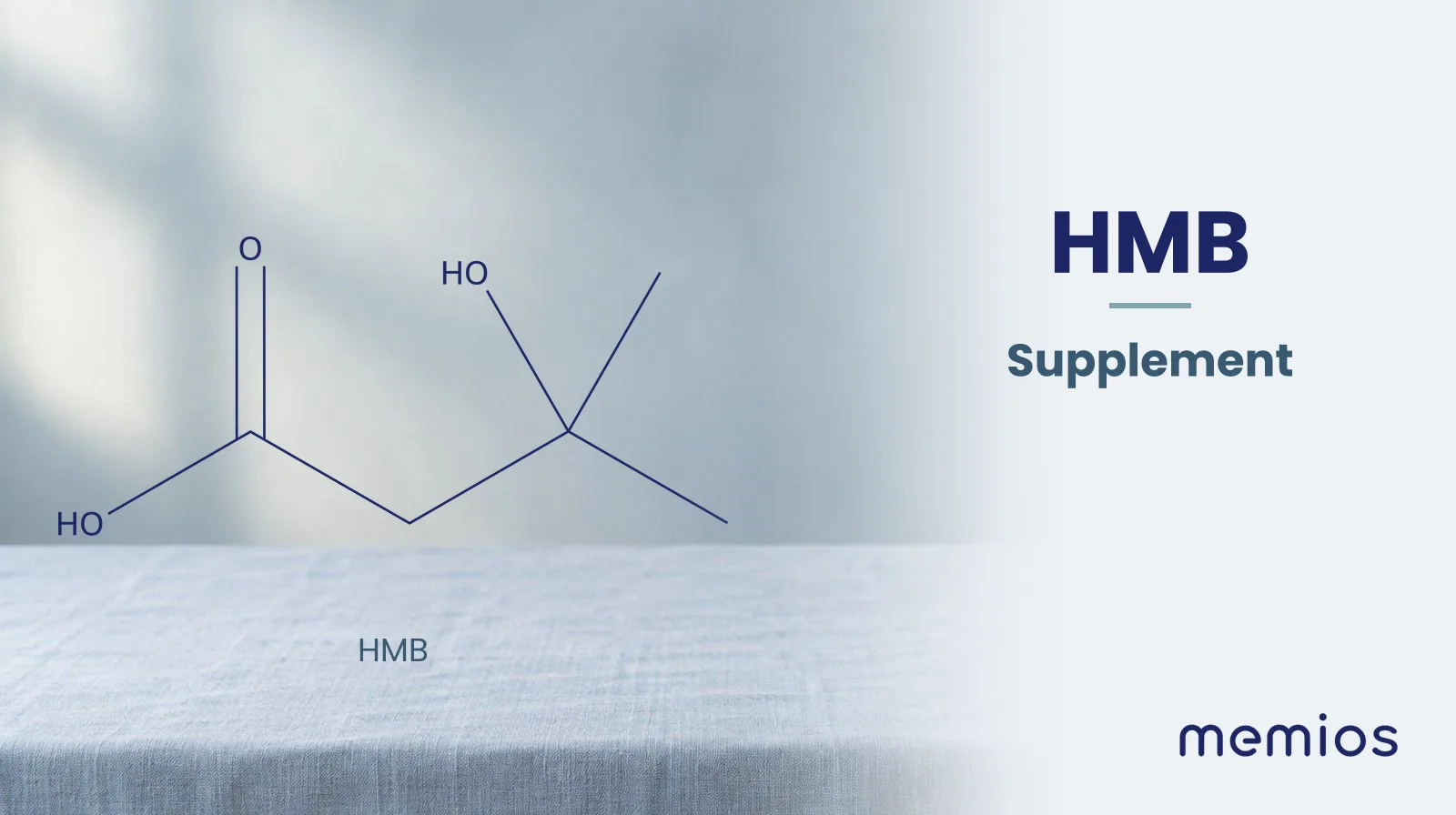 Supplements
HMB
Limited evidence. The evidence points in different directions depending on who takes it.
2026-09-29 · 11 min read
 Supplements
Holy basil / tulsi
Limited evidence. Lead with the state of the evidence: it is weak and probably one-sided.
2026-09-29 · 13 min read
 Supplements
Hoodia
Not supported by the research. The human evidence does not support a weight or appetite effect.
2026-09-29 · 10 min read
 Supplements
Horny goat weed
Limited evidence. Almost all of the pharmacology is preclinical.
2026-09-29 · 17 min read
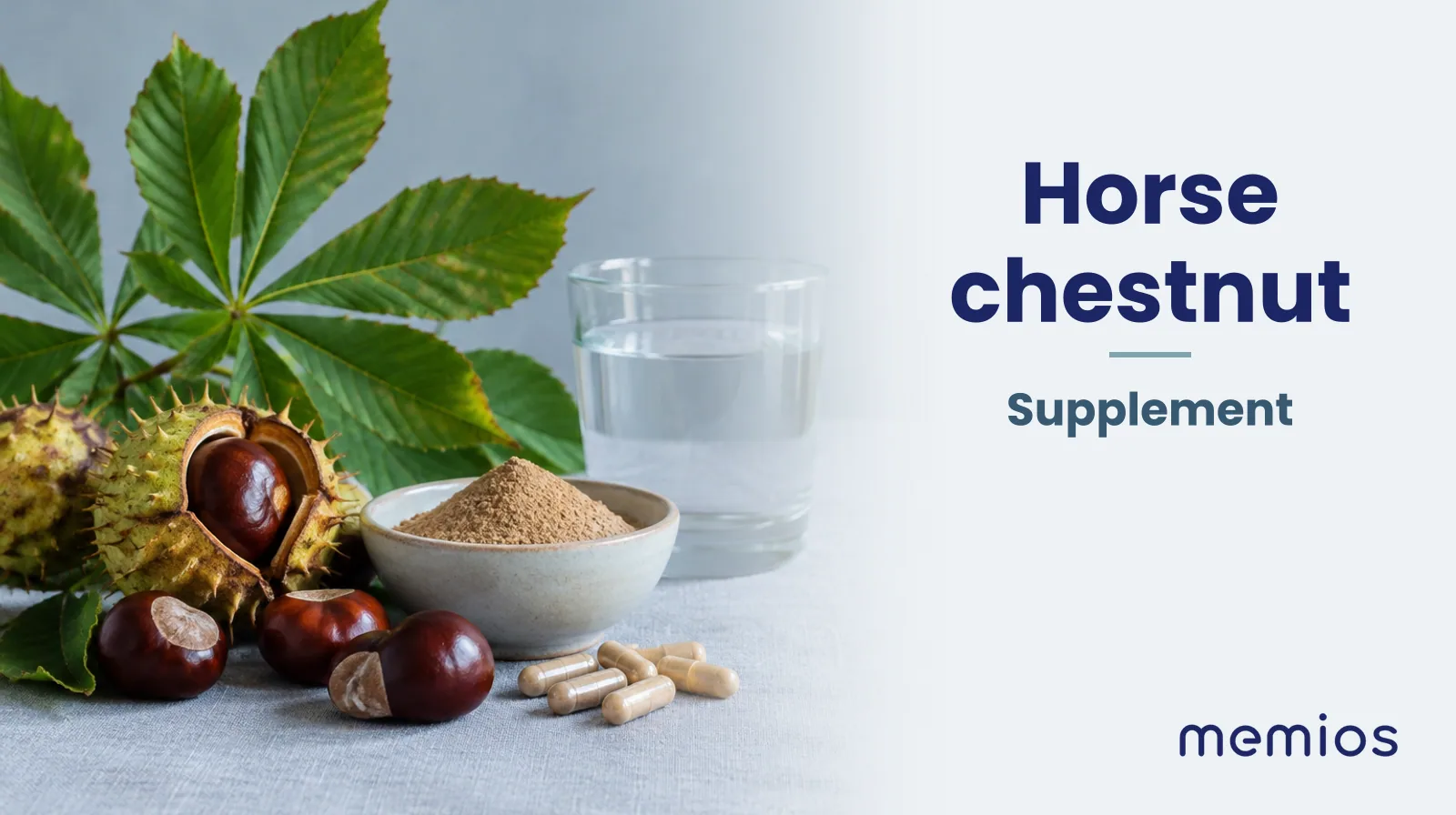 Supplements
Horse chestnut
Horse chestnut seed extract is one of the better-supported herbal treatments for one narrow purpose: the leg symptoms of chronic venous insufficiency.
2026-09-29 · 13 min read
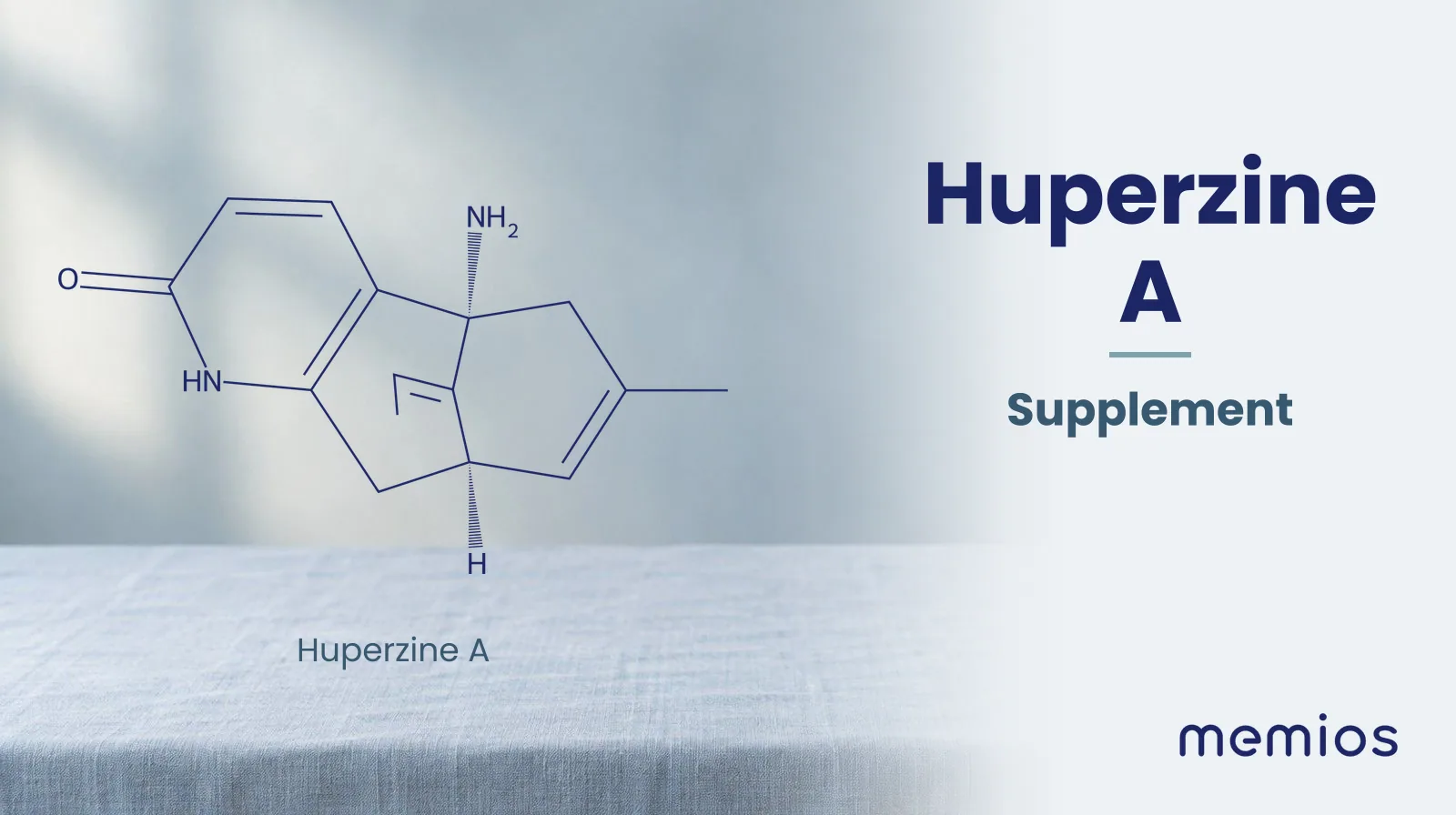 Supplements
Huperzine A
Disputed. The evidence is disputed rather than settled.
2026-09-29 · 14 min read
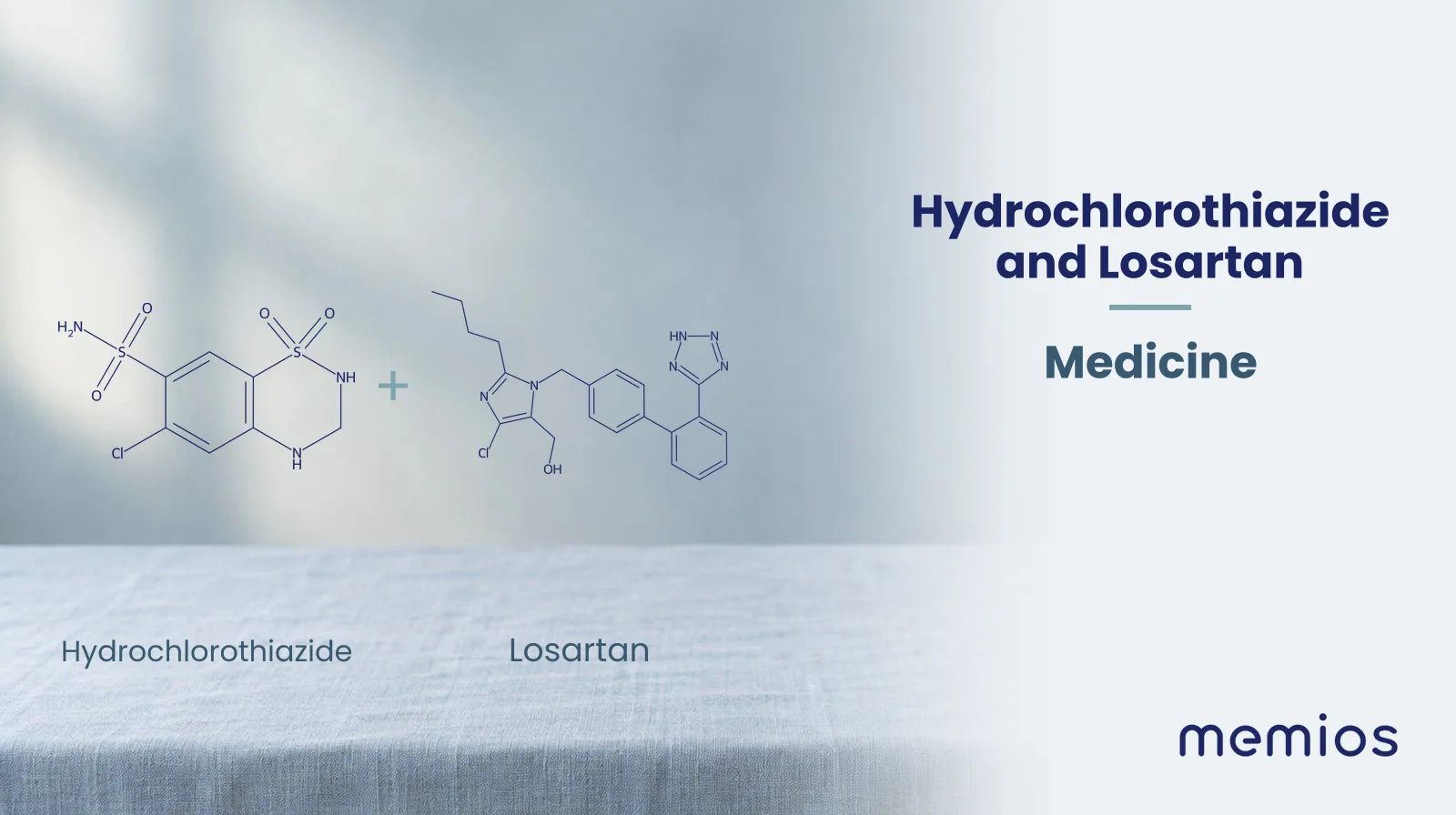 Medications
Hydrochlorothiazide and Losartan
Well established. The evidence for the two parts is strong but different.
2026-09-29 · 20 min read
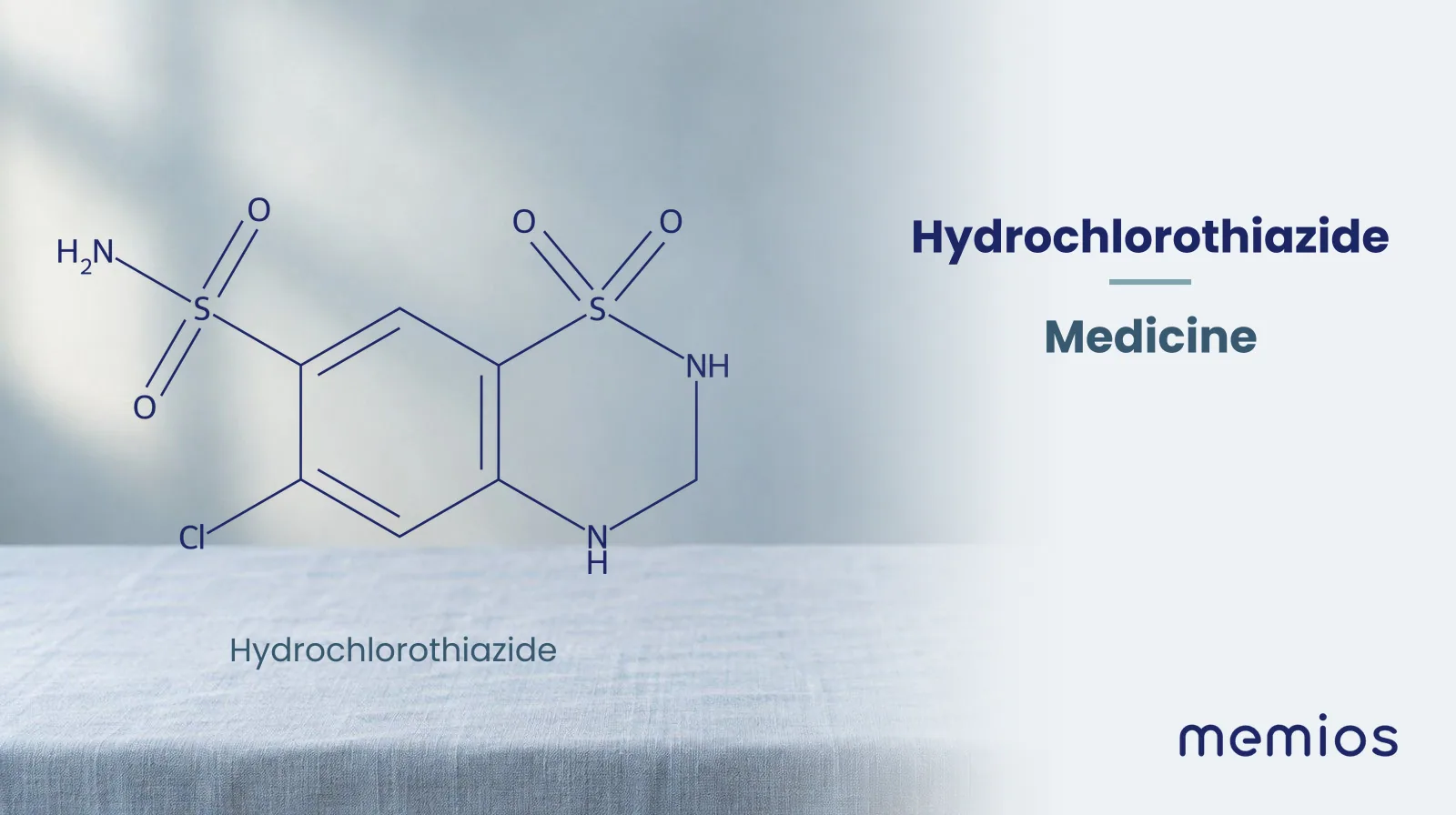 Medications
Hydrochlorothiazide
Hydrochlorothiazide lowers blood pressure, but the big outcome trial that made thiazides first-line, ALLHAT, used chlorthalidone, not hydrochlorothiazide.
2026-09-29 · 12 min read
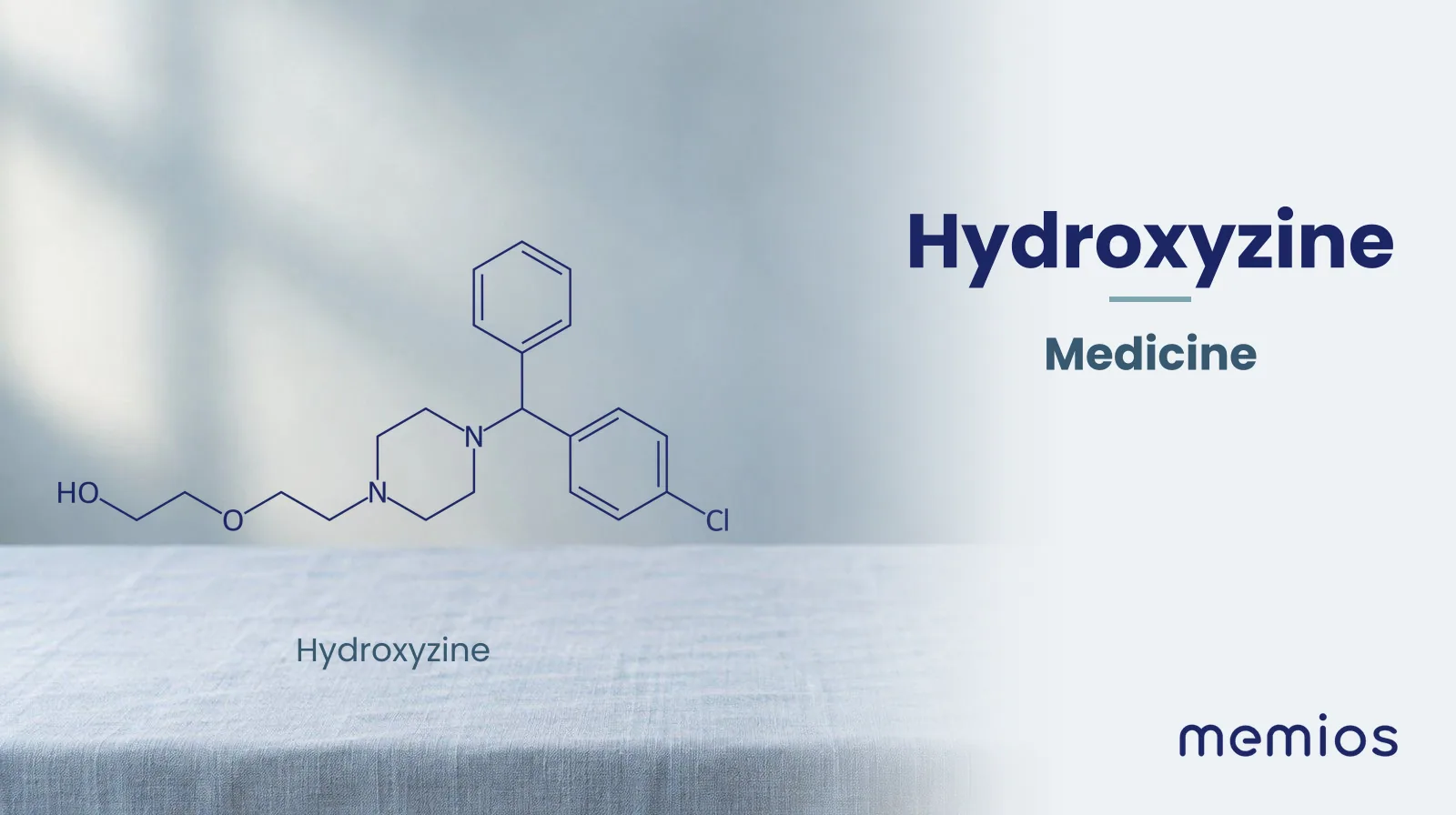 Medications
Hydroxyzine
The best evidence is a 2010 Cochrane review of five randomised trials in generalised anxiety disorder: hydroxyzine beat placebo.
2026-09-29 · 12 min read
 Medications
Insulin aspart
The evidence is that insulin aspart does the same job as regular human insulin, slightly better on average and slightly faster, not that it is a different kind of treatment.
2026-09-29 · 16 min read
 Medications
Insulin Glargine
Well established. It lowers blood sugar.
2026-09-29 · 10 min read
 Research
Intestinal permeability and "leaky gut": what is established, how it is measured, and what the supplements sold for it show
Increased permeability is a measurable finding in celiac disease and inflammatory bowel disease, and in stress states such as NSAID use and endurance exercise.
2026-09-29 · 12 min read
 Supplements
Inulin and other inulin-type fructan prebiotics
Inulin reliably feeds and increases bifidobacteria in the gut: a 50-trial meta-analysis found a clear rise.
2026-09-29 · 12 min read
 Supplements
Iodine
The thyroid needs iodine to make its hormones, which control growth and brain development.
2026-09-29 · 9 min read
 Supplements
Iron
The evidence is strong that iron supplements correct iron deficiency and anaemia: a Cochrane review of 67 trials in menstruating women found less anaemia, higher haemoglobin, better exercise performance and less fatigue.
2026-09-29 · 10 min read
 Supplements
Kava
Disputed. Kava is sold for anxiety, and the evidence is genuinely split.
2026-09-29 · 19 min read
 Supplements
Kefir and kefir grain cultures
Limited evidence. The evidence is limited.
2026-09-29 · 10 min read
 Supplements
Kratom
Disputed. There are almost no controlled human efficacy trials.
2026-09-29 · 13 min read
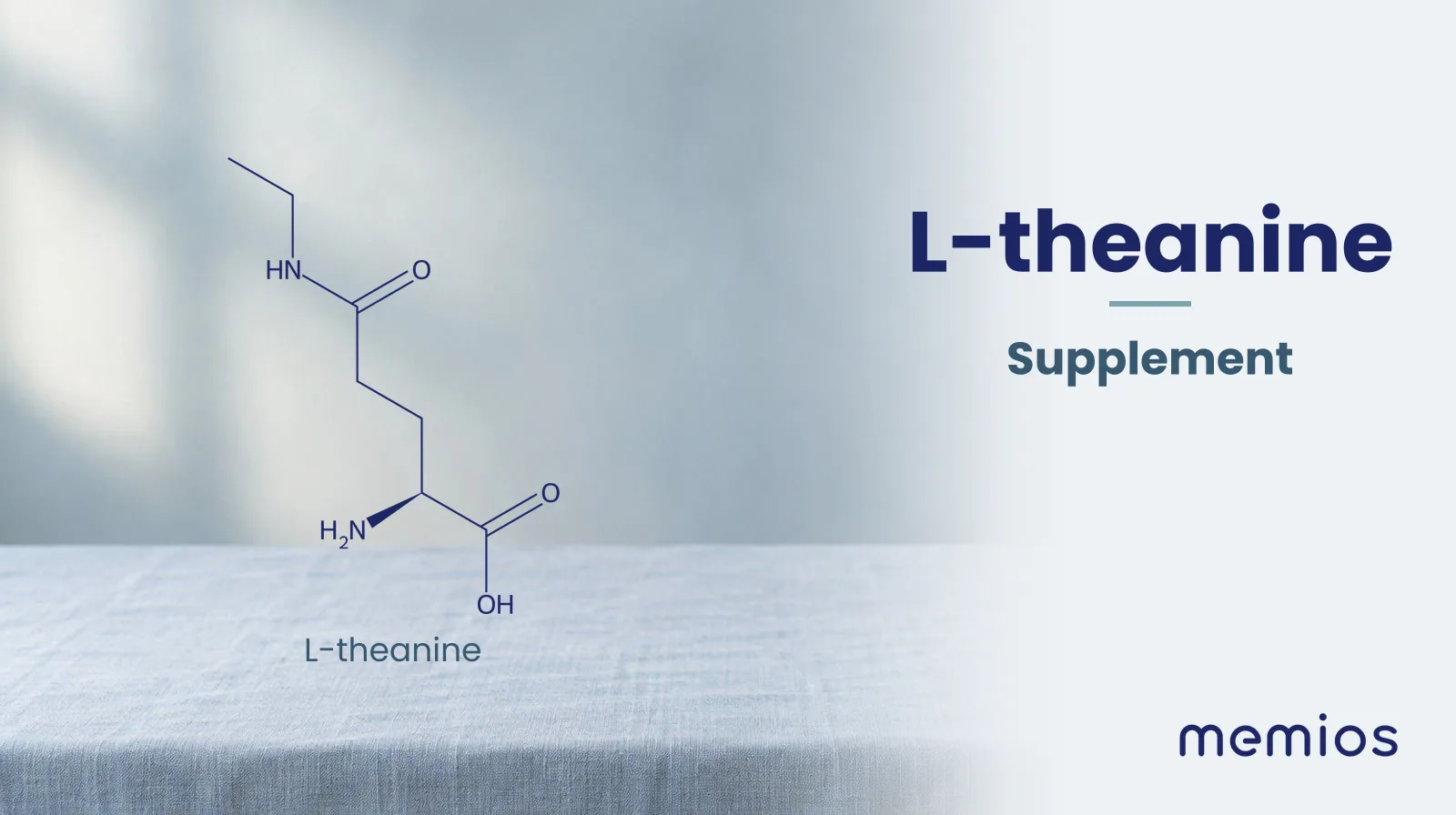 Supplements
L-theanine
The best-supported effect is narrow and short-lived: a single dose of around 200 mg improves one measure of attention in healthy adults within an hour.
2026-09-29 · 12 min read
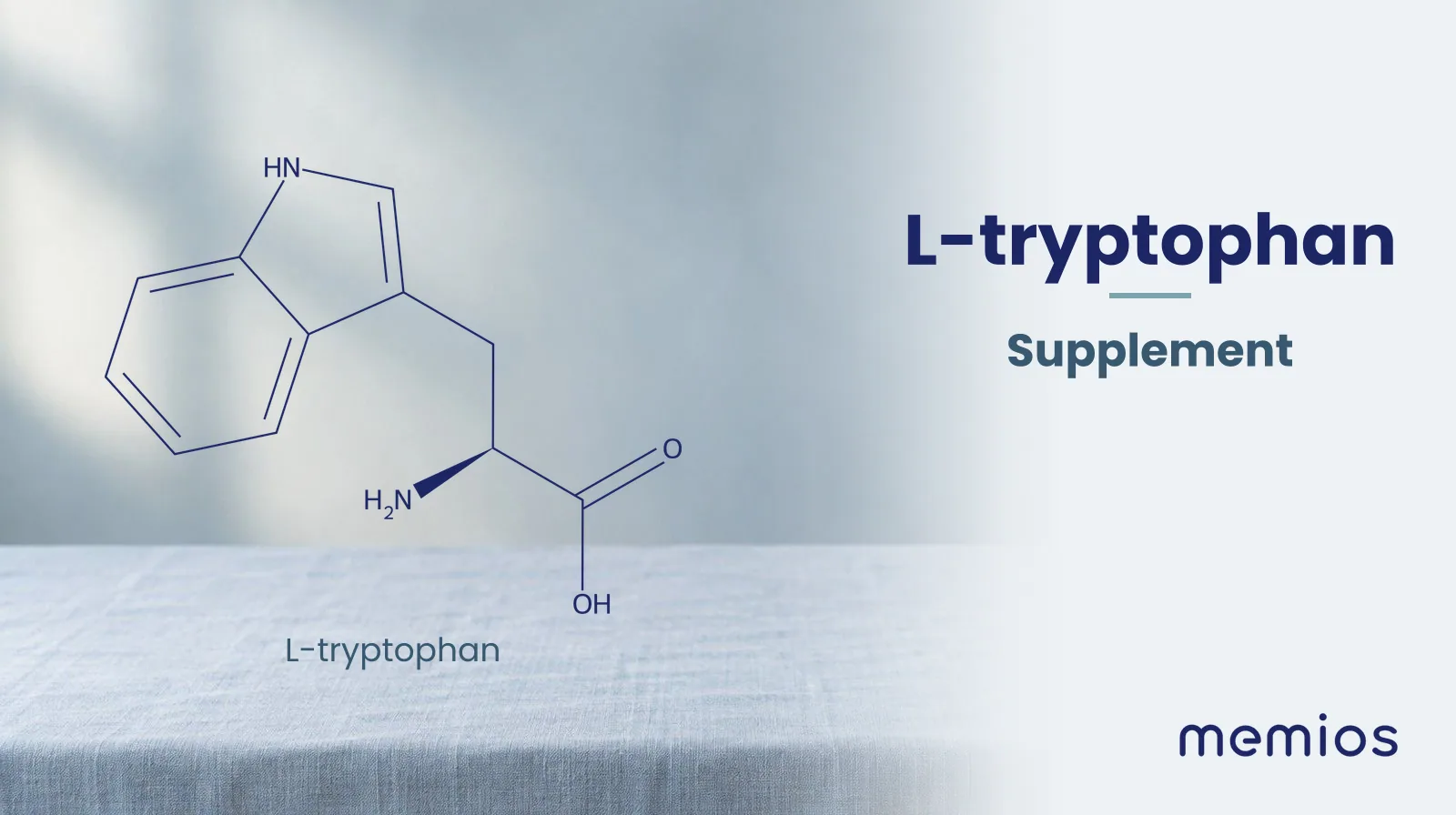 Supplements
L-tryptophan
As a nutrient it is not optional; as a supplement the evidence is modest and the safety history is serious.
2026-09-29 · 18 min read
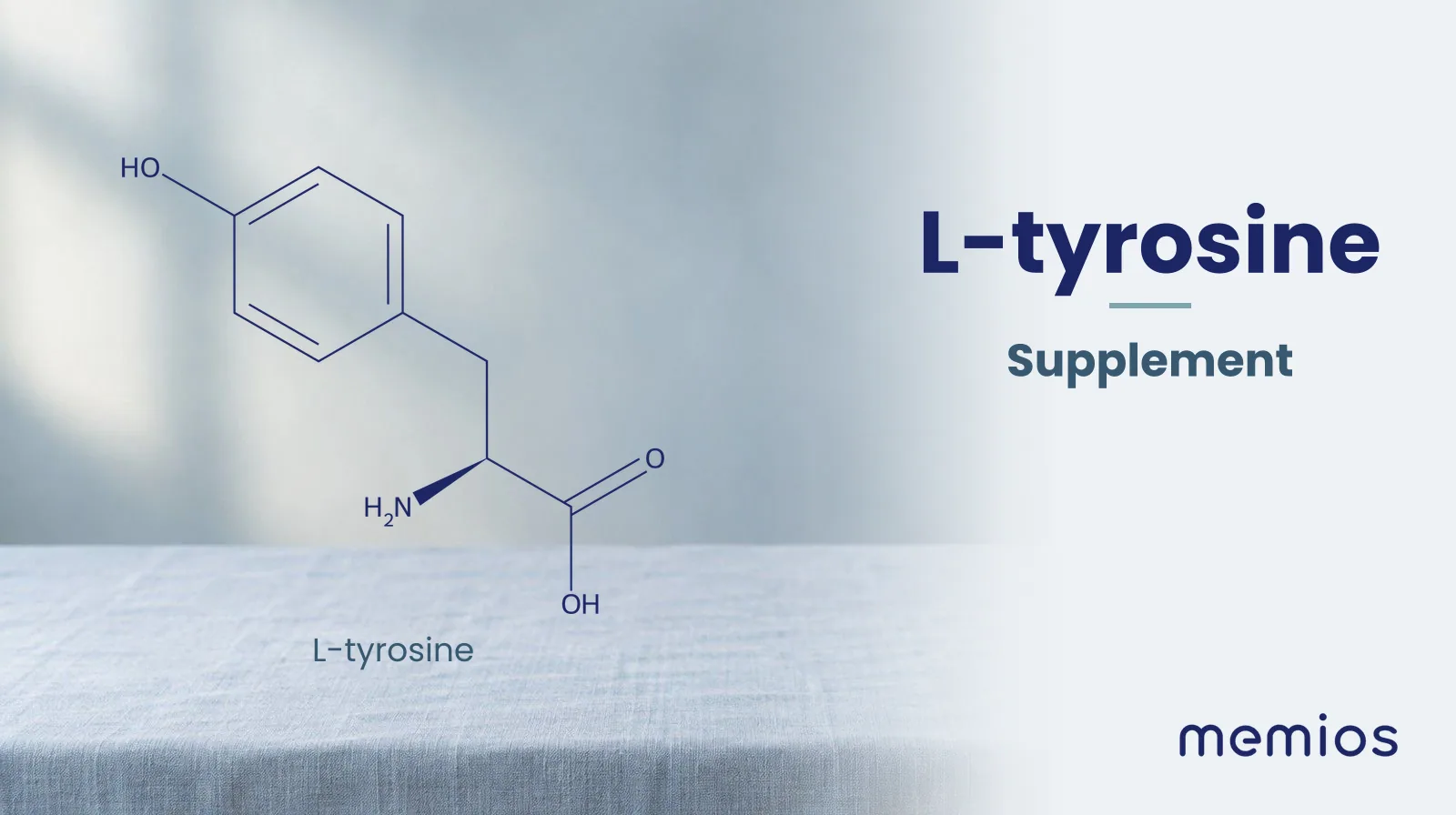 Supplements
L-tyrosine
The claim is that extra tyrosine supports thinking under pressure, and the review literature partly backs that while narrowing it sharply.
2026-09-29 · 18 min read
 Supplements
Lactase enzyme supplements
Lactase supplements reduce the hydrogen gas that signals undigested lactose and modestly reduce symptoms in trials.
2026-09-29 · 8 min read
 Supplements
Lacticaseibacillus paracasei and Lacticaseibacillus casei
Limited evidence. The evidence is strain-specific and limited.
2026-09-29 · 11 min read
 Supplements
Lactiplantibacillus plantarum
Disputed. The evidence is strain-specific and mixed.
2026-09-29 · 11 min read
 Supplements
Lacticaseibacillus rhamnosus GG
The best evidence is for reducing antibiotic-associated diarrhoea in children (moderate-quality pooled evidence); in adults the pooled result was not significant.
2026-09-29 · 11 min read
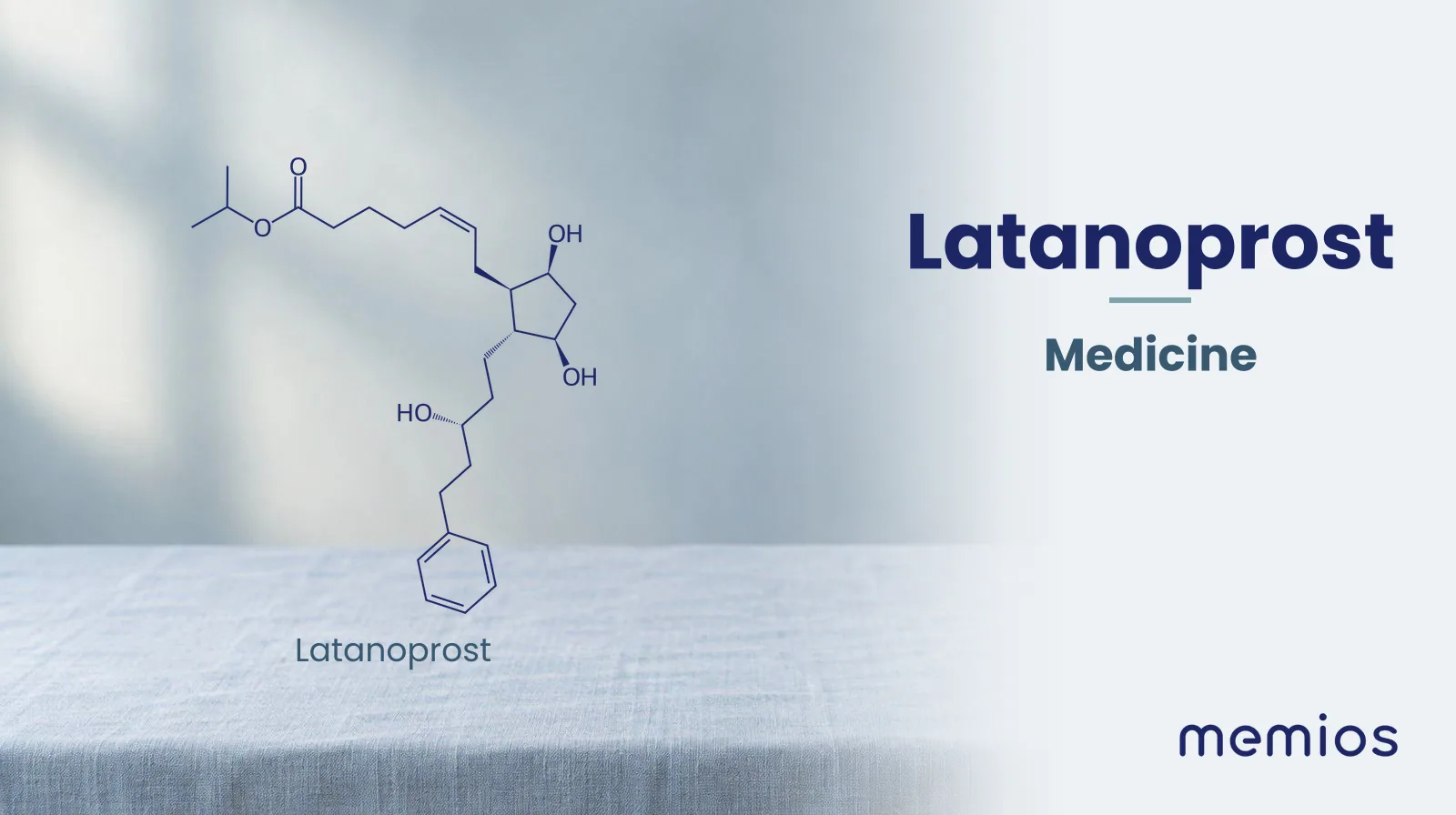 Medications
Latanoprost
The evidence is that latanoprost reliably lowers pressure inside the eye, and that in one placebo-controlled trial this slowed the loss of visual field in newly diagnosed open-angle glaucoma over two years.
2026-09-29 · 13 min read
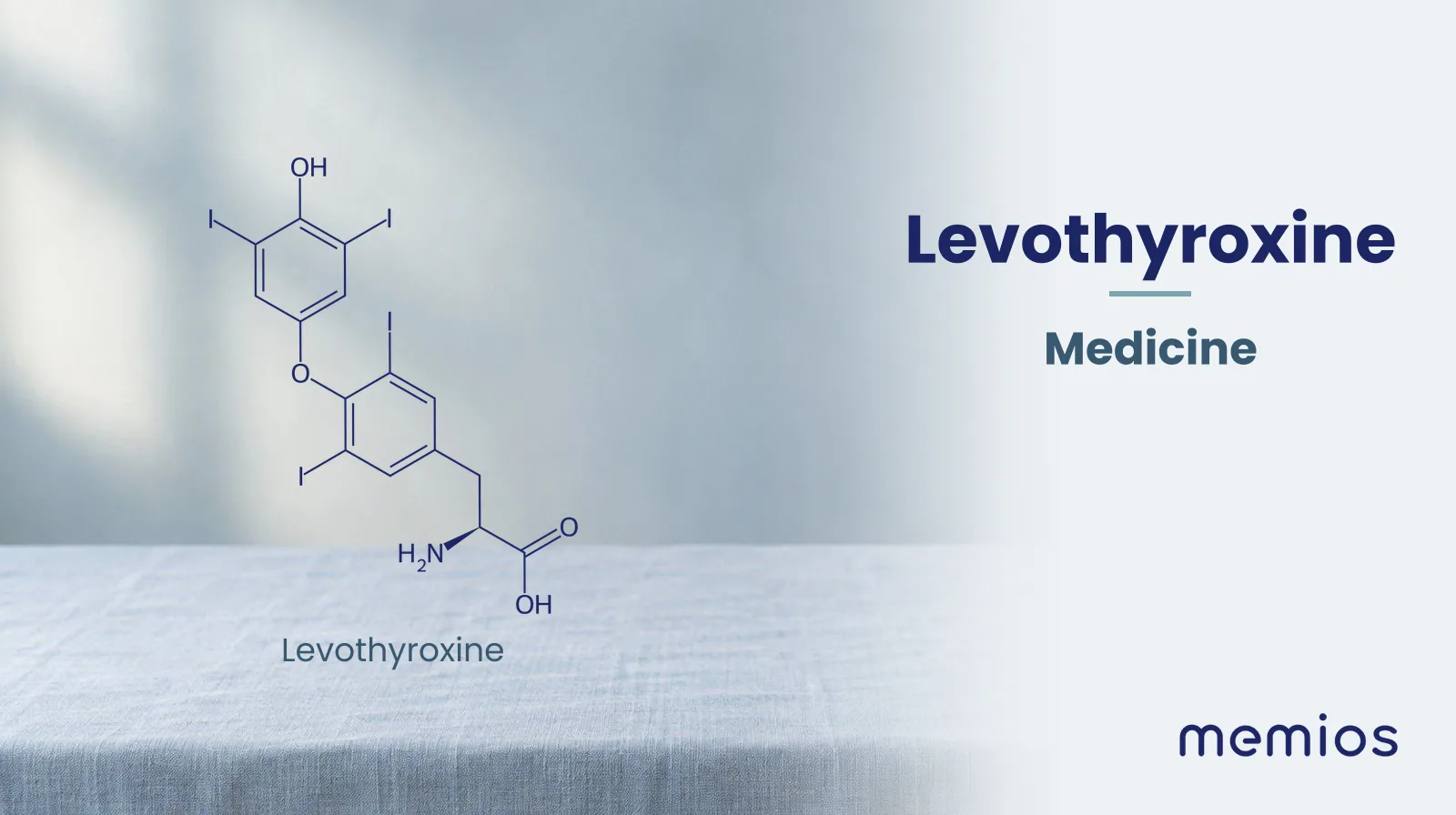 Medications
Levothyroxine
Well established. It replaces missing thyroid hormone.
2026-09-29 · 15 min read
 Supplements
Licorice root
Limited evidence. The best evidence concerns harm.
2026-09-29 · 11 min read
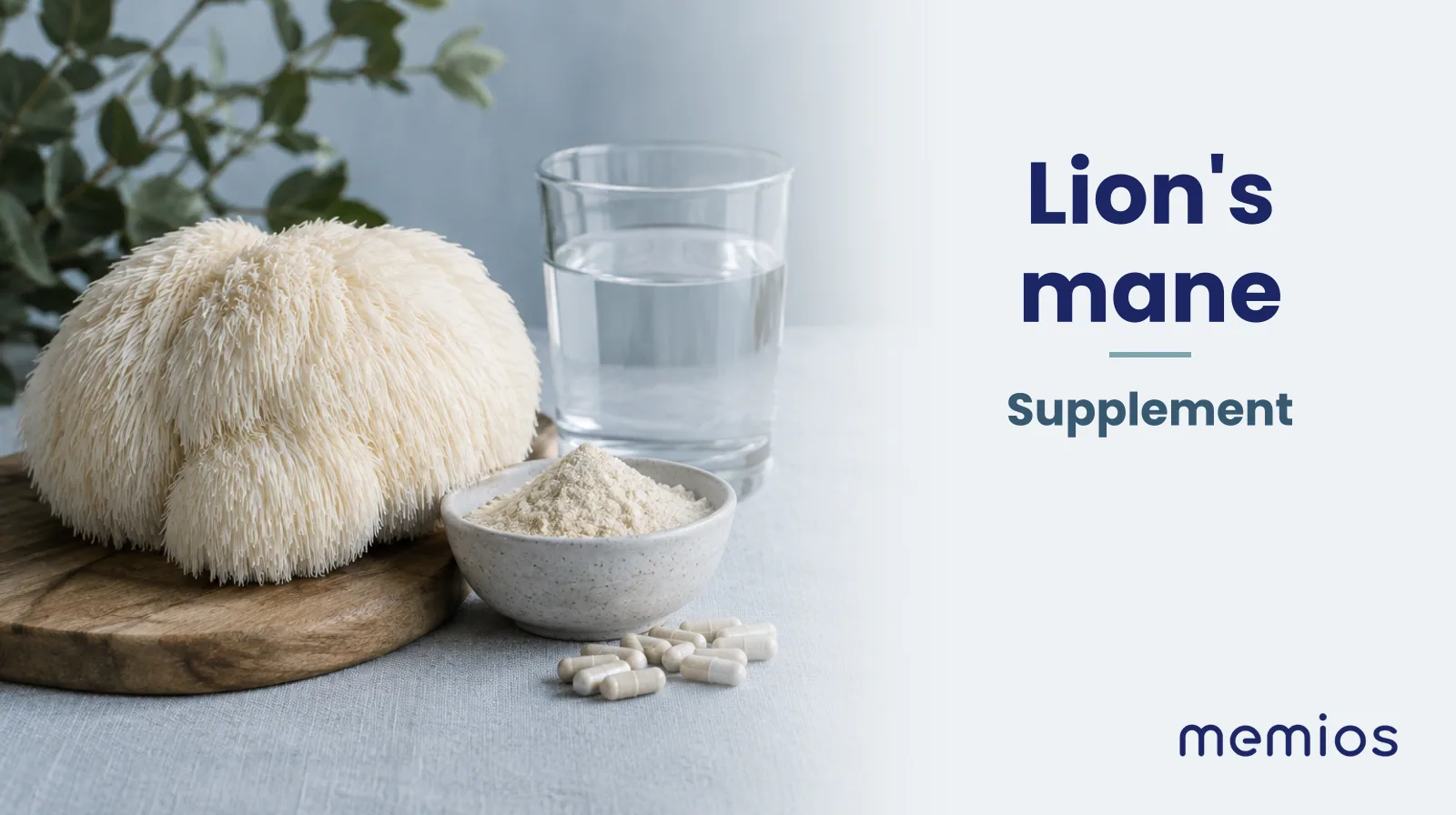 Supplements
Lion's mane
The honest summary is that almost all of the biology behind lion's mane's reputation is cell-culture and rodent work, and the human evidence is a handful of small, short trials with inconsistent results.
2026-09-29 · 20 min read
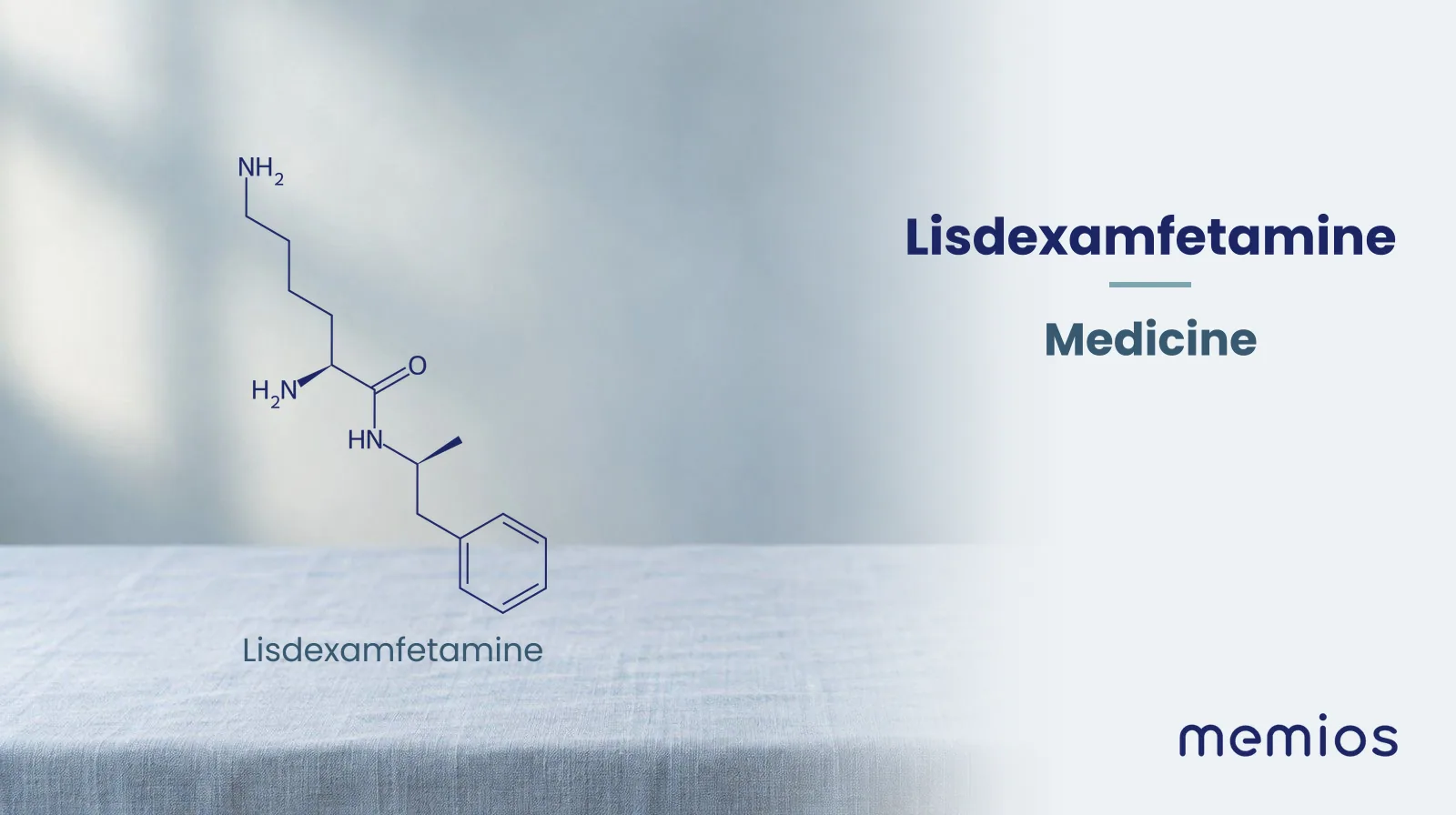 Medications
Lisdexamfetamine
It raises brain dopamine and noradrenaline signalling through the dextroamphetamine released from it.
2026-09-29 · 20 min read
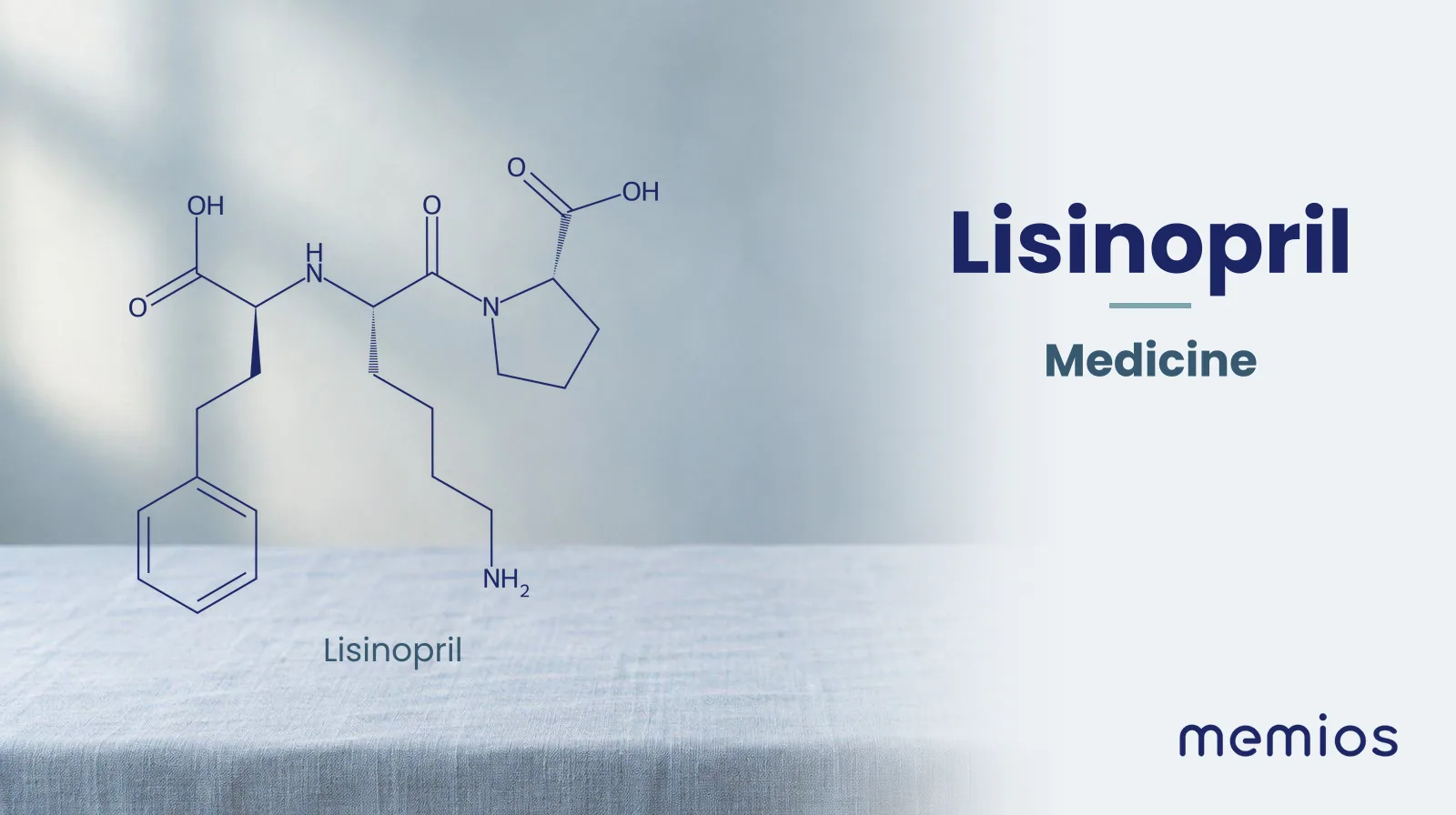 Medications
Lisinopril
Well established. Lisinopril lowers blood pressure.
2026-09-29 · 19 min read
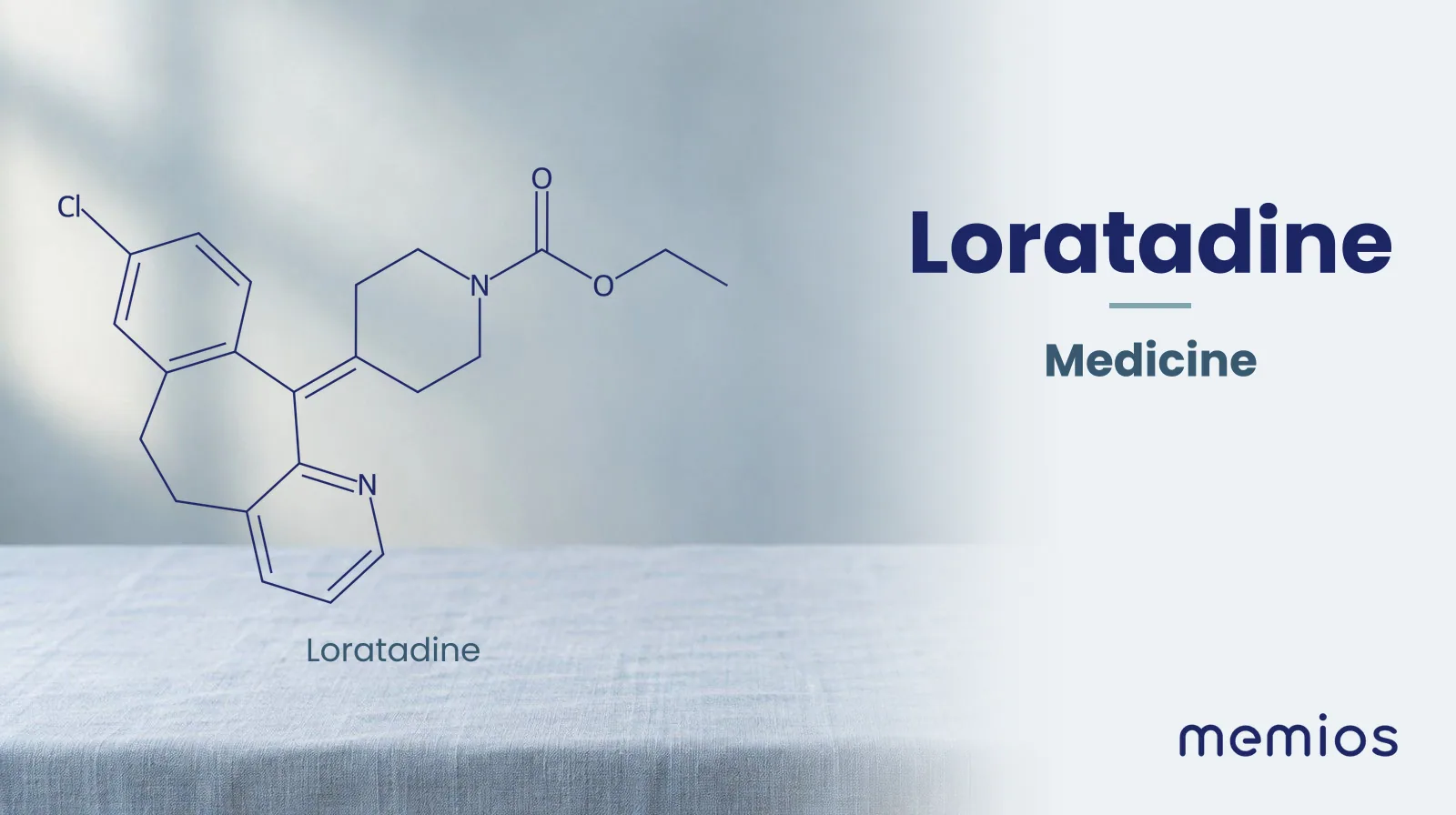 Medications
Loratadine
Loratadine blocks peripheral H1 histamine receptors, reducing the sneezing, itching and runny nose of allergic reactions, while penetrating the brain only minimally so it is comparatively non-sedating.
2026-09-29 · 11 min read
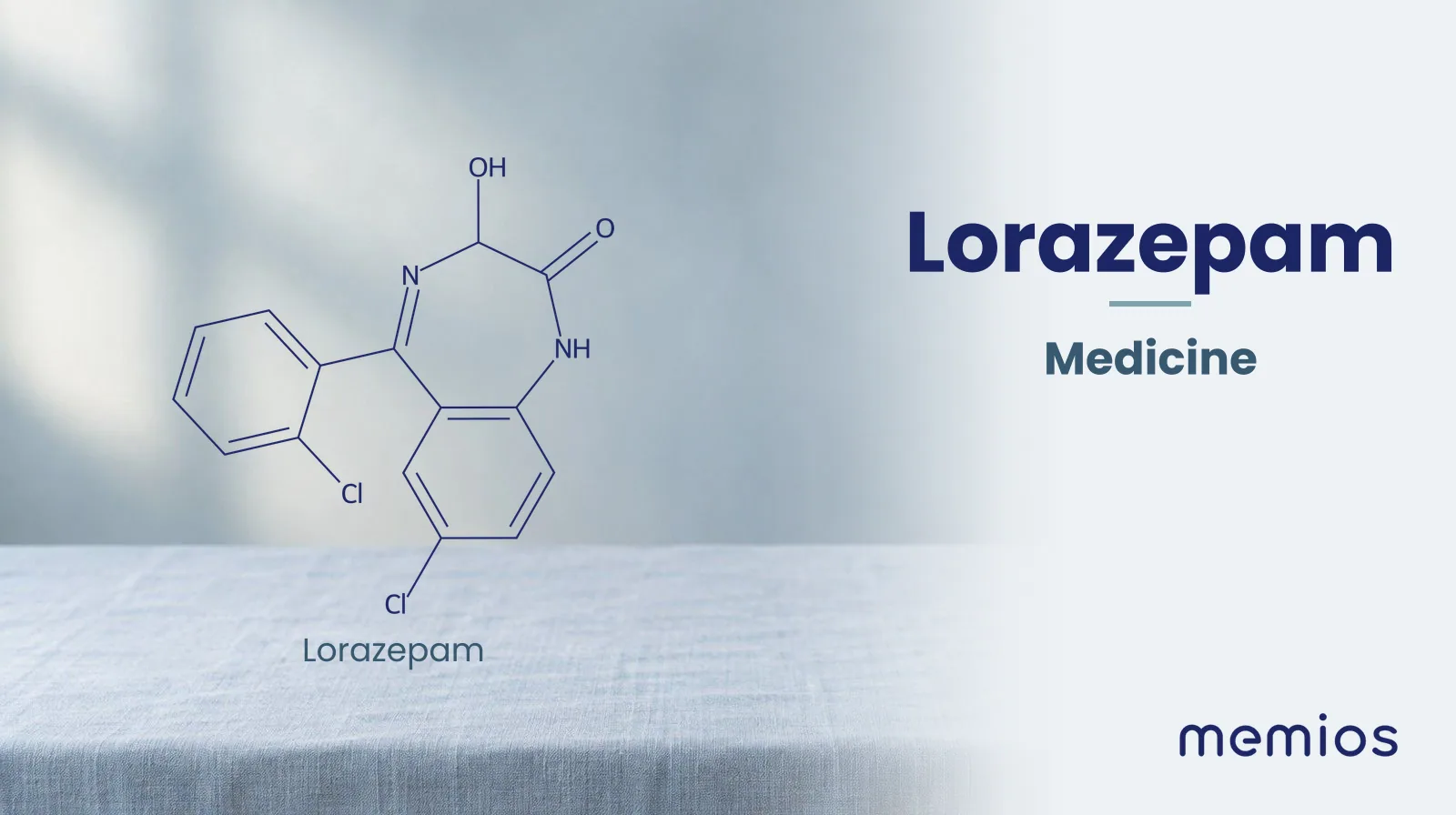 Medications
Lorazepam
Well established. Lorazepam sedates and damps down anxiety, and it stops seizures.
2026-09-29 · 14 min read
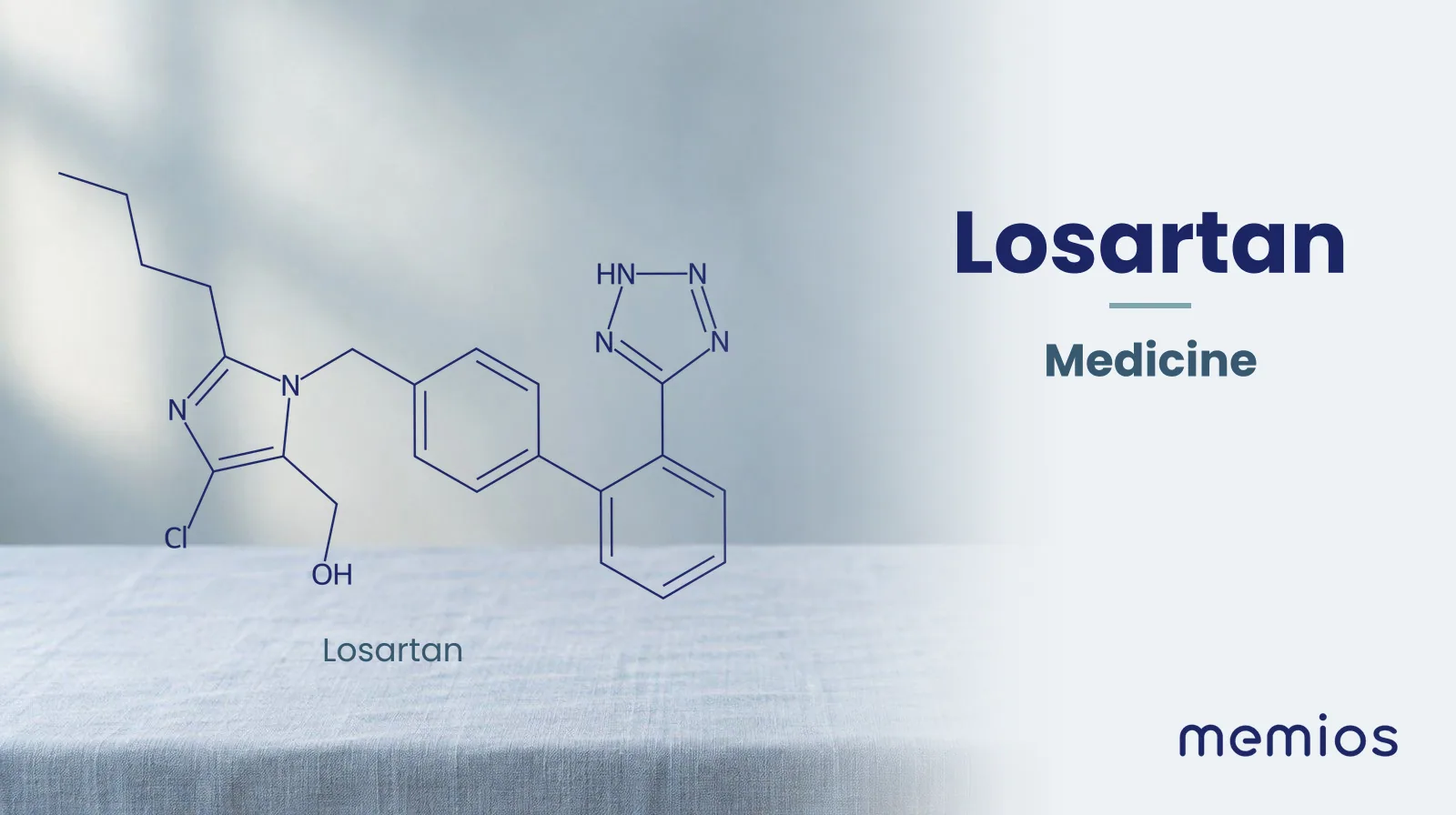 Medications
Losartan
Well established. Losartan lowers blood pressure.
2026-09-29 · 21 min read
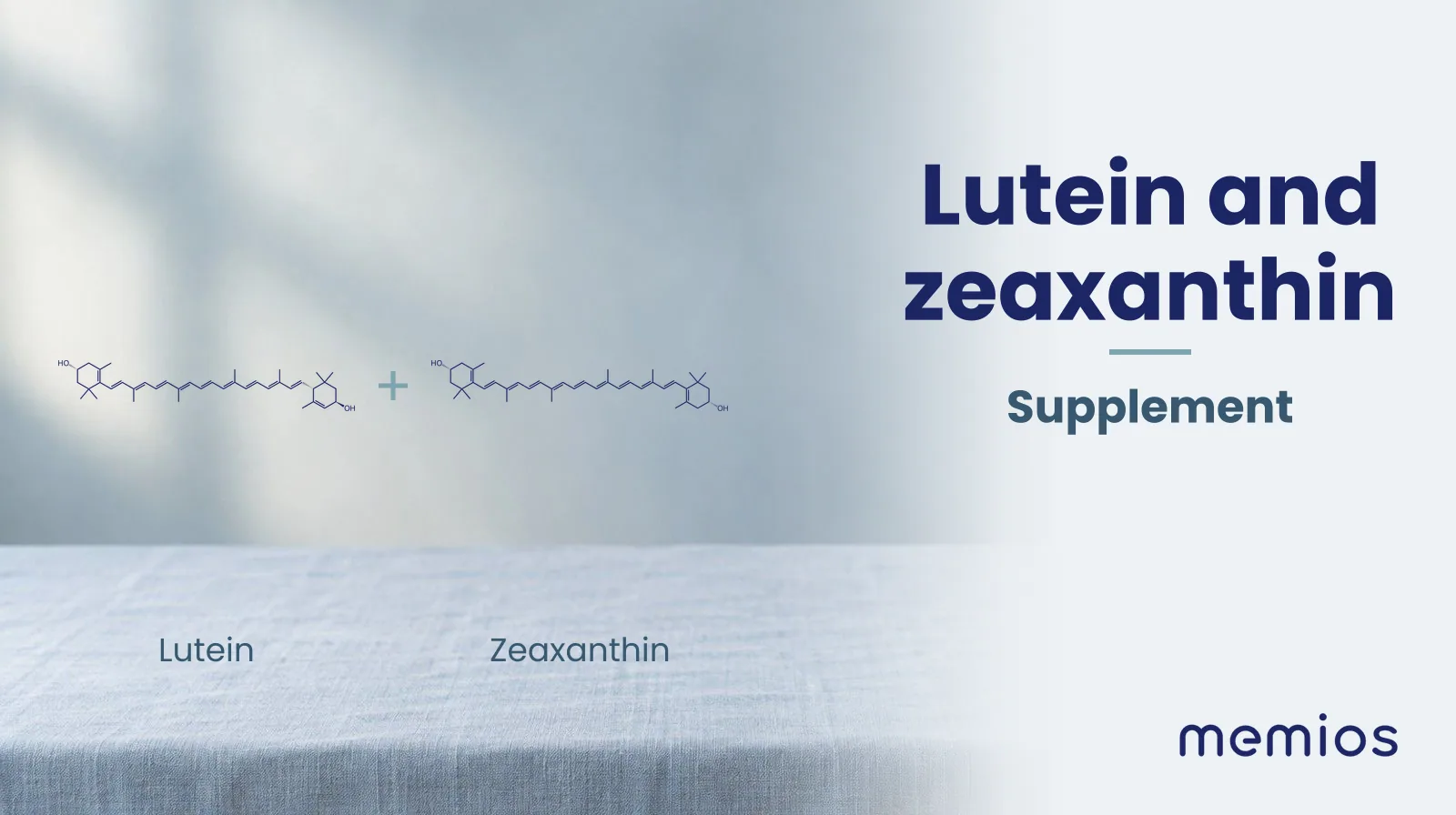 Supplements
Lutein and zeaxanthin
Limited evidence. The evidence is limited and mostly about the eye.
2026-09-29 · 20 min read
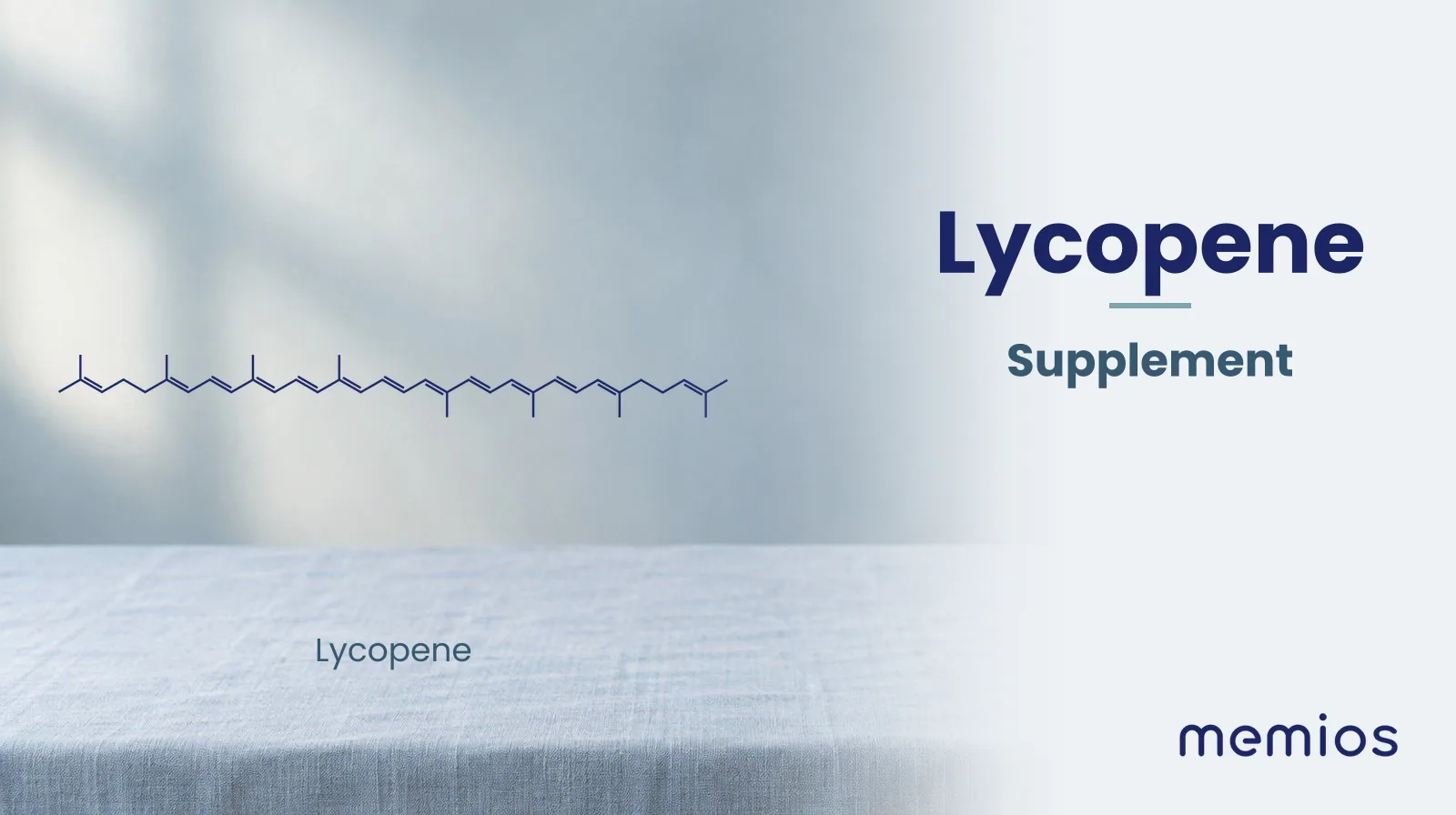 Supplements
Lycopene
Limited evidence. Less is established than the marketing suggests.
2026-09-29 · 15 min read
 Supplements
Manganese
Limited evidence. Manganese is essential, but deficiency is not a concern in people eating normal diets.
2026-09-29 · 9 min read
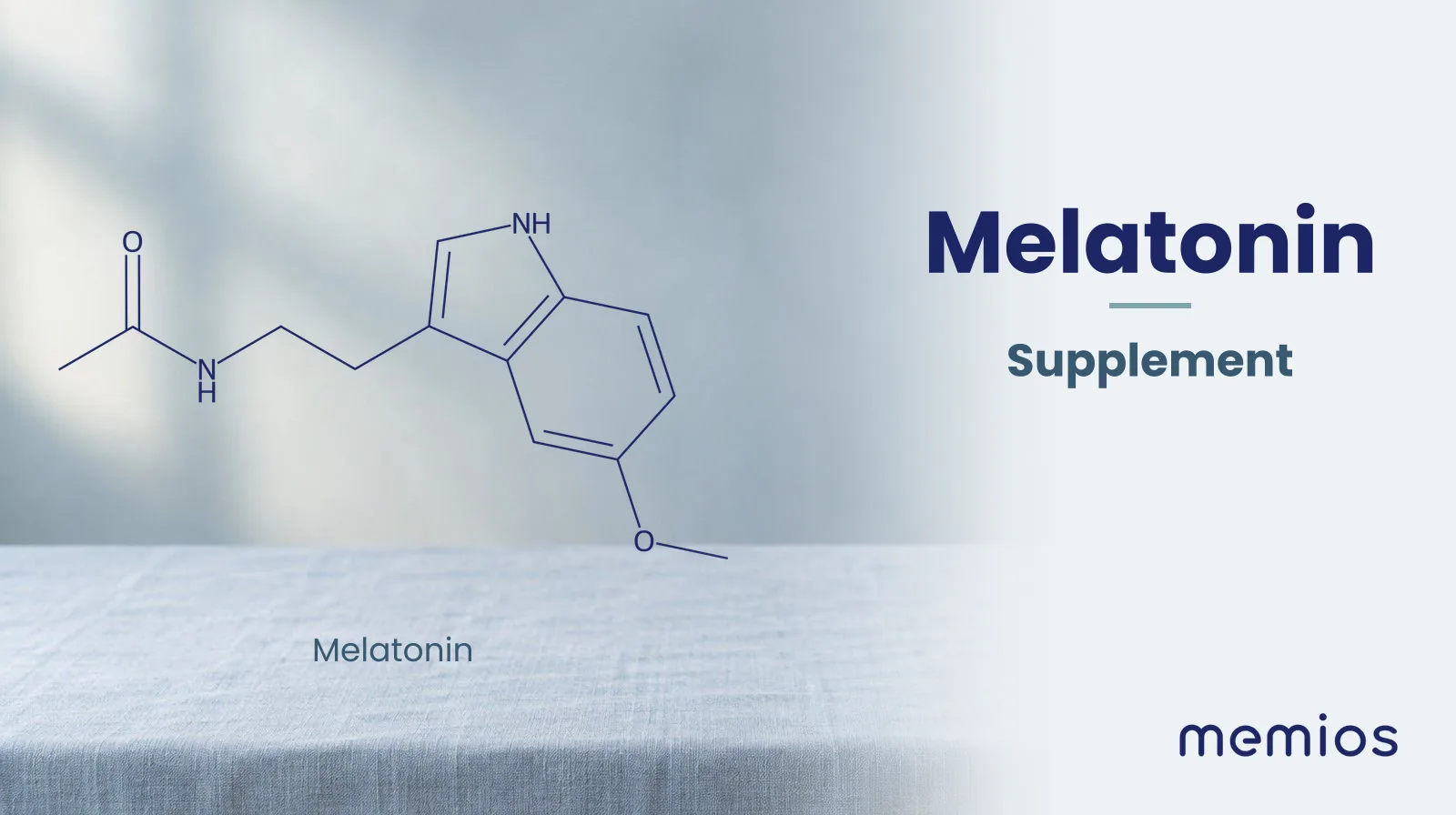 Supplements
Melatonin
Limited evidence. The honest summary is that melatonin's measured effect on sleep is real but small.
2026-09-29 · 18 min read
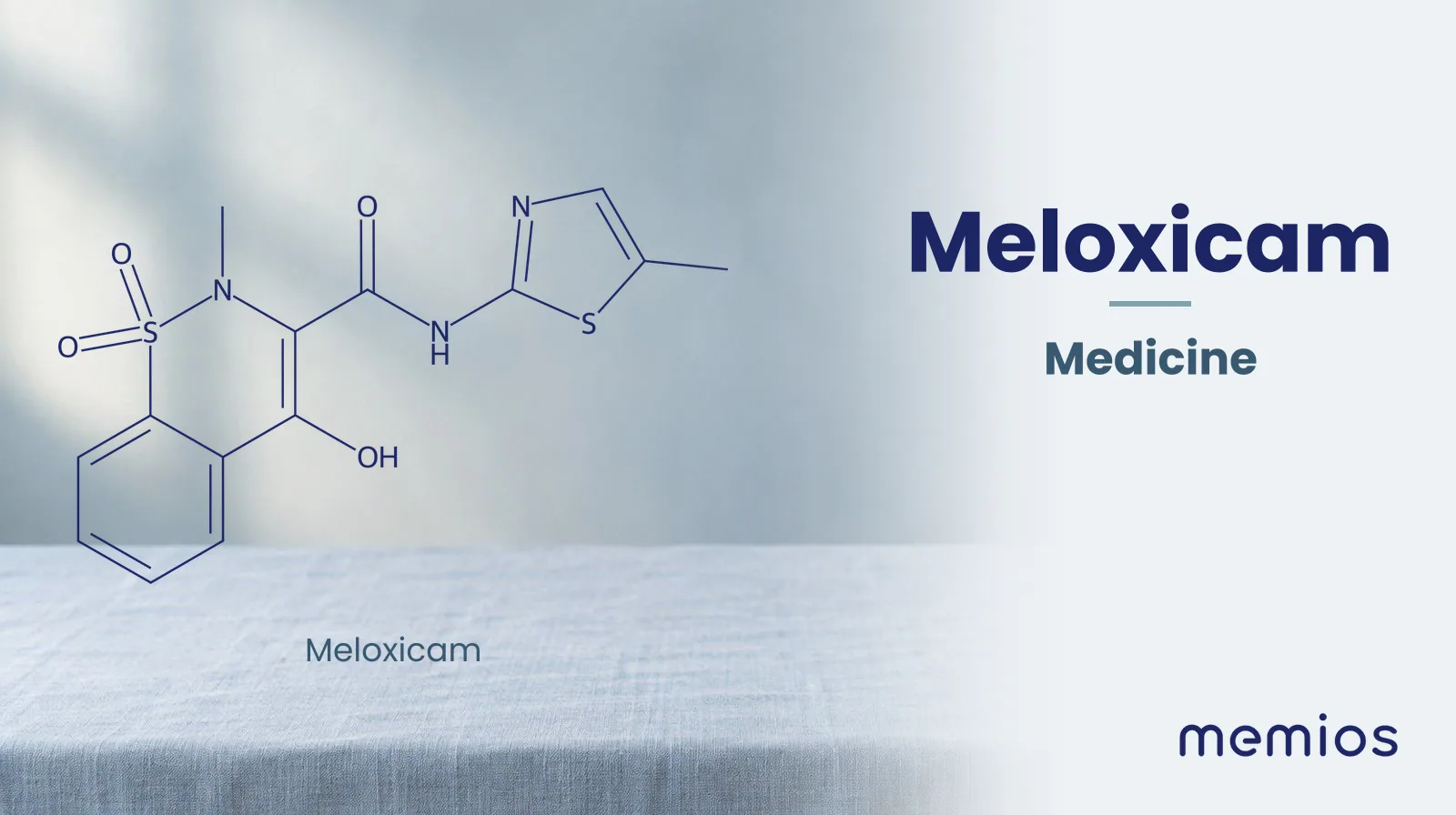 Medications
Meloxicam
Well established. In 12-week placebo-controlled trials it improved arthritis symptoms at 7.5 and 15 mg.
2026-09-29 · 10 min read
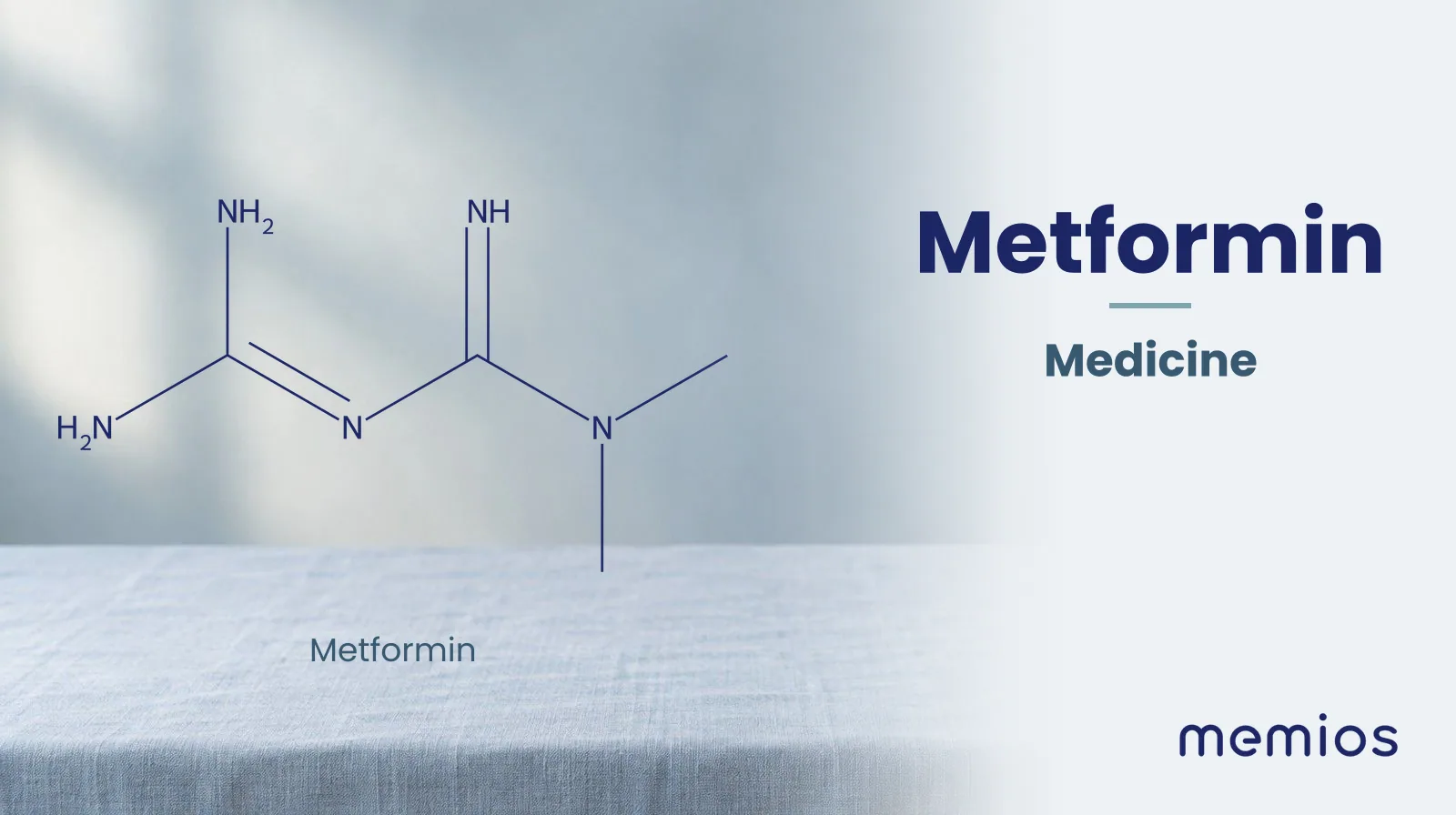 Medications
Metformin
In UKPDS 34, overweight people with newly diagnosed type 2 diabetes who were allocated metformin had fewer diabetes-related endpoints and lower all-cause mortality than those on diet alone.
2026-09-29 · 17 min read
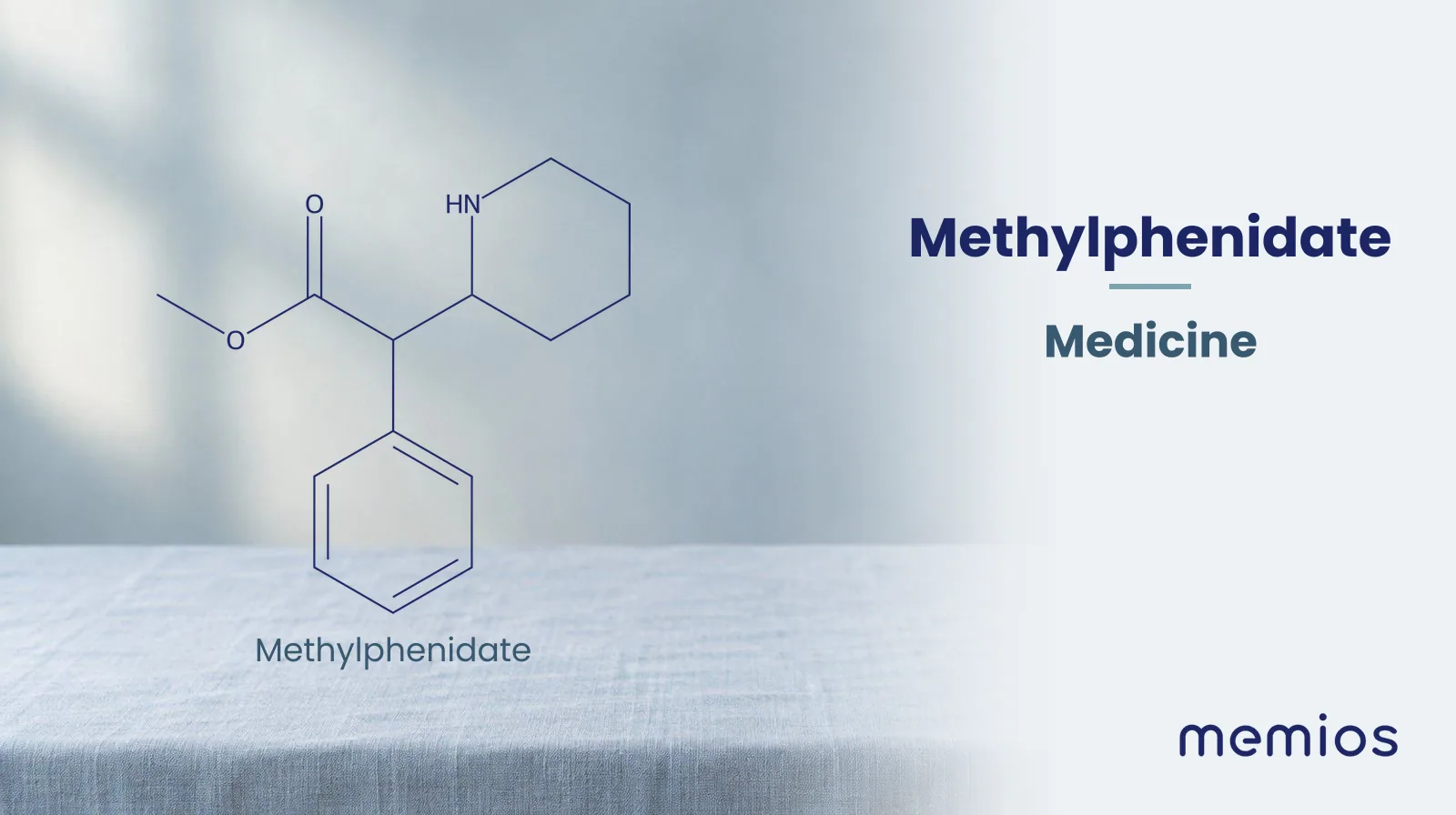 Medications
Methylphenidate
Cochrane reviews find it may reduce ADHD symptoms in children and modestly reduces self-rated symptoms in adults, but rate the certainty of evidence very low, with mostly short, often industry-sponsored trials.
2026-09-29 · 10 min read
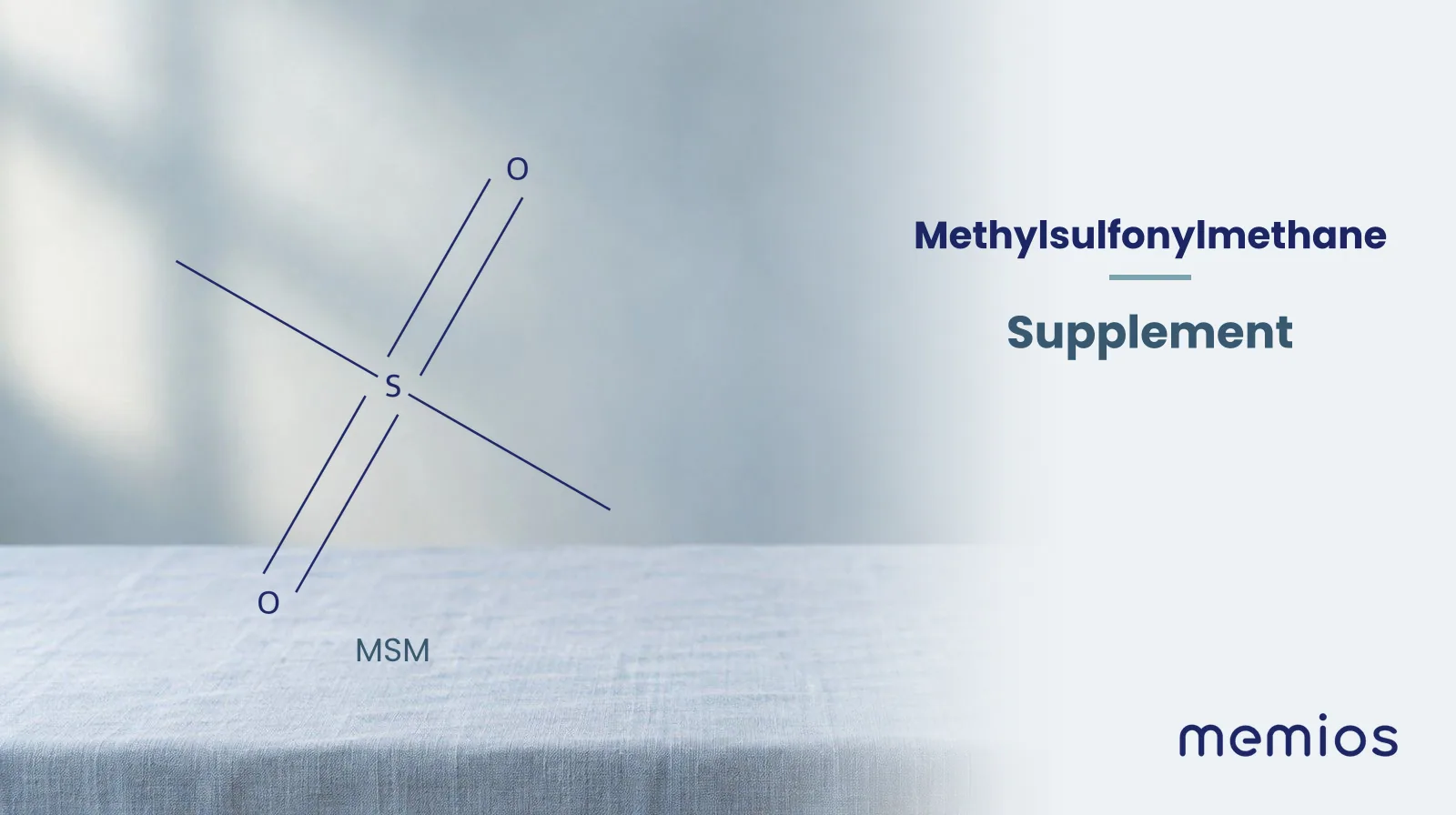 Supplements
Methylsulfonylmethane
Limited evidence. The evidence is limited.
2026-09-29 · 17 min read
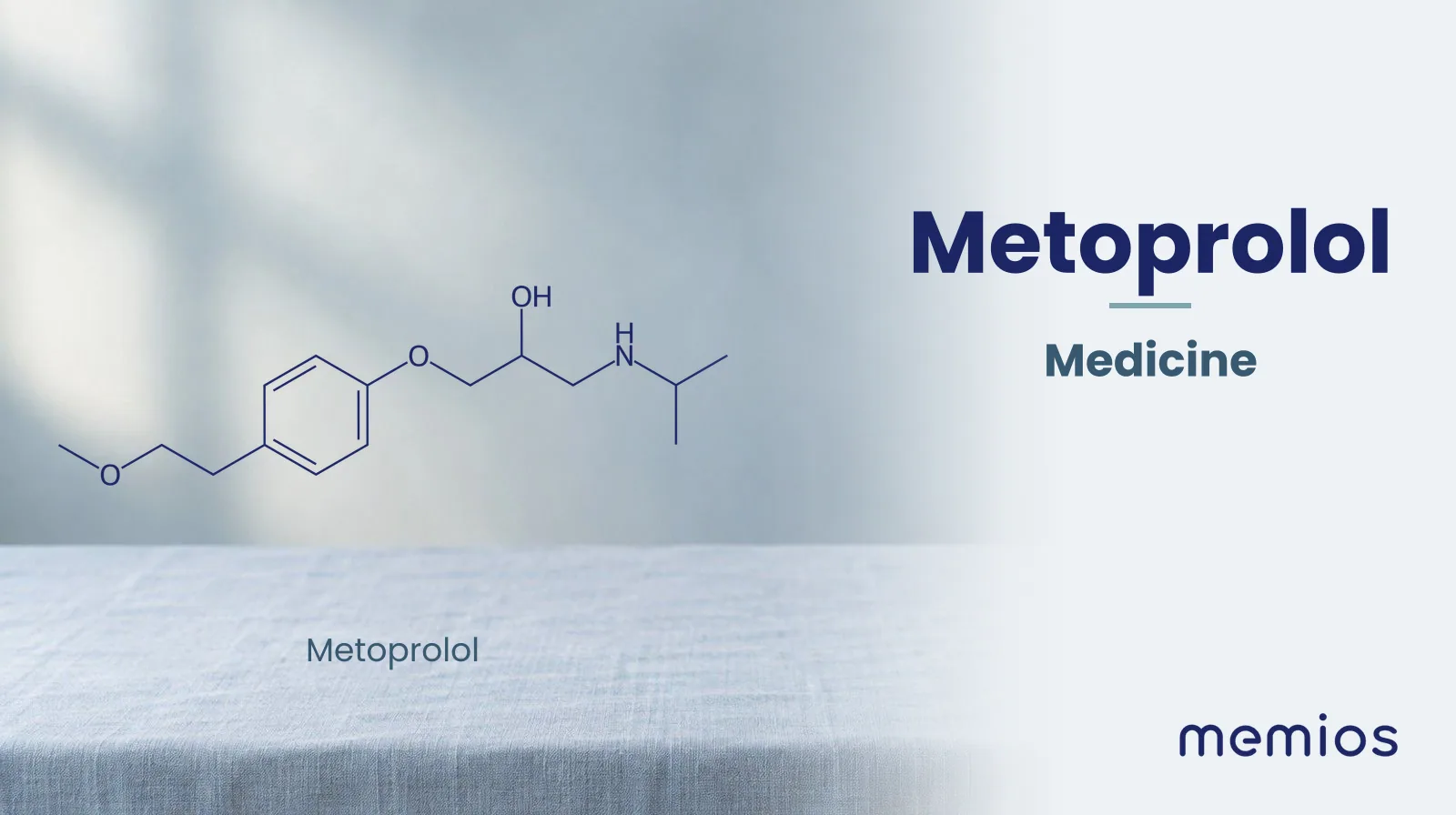 Medications
Metoprolol
Well established. The strength of the evidence depends heavily on why it is prescribed.
2026-09-29 · 17 min read
 Research
What happens to the gut microbiome during and after a course of antibiotics?
A disrupted community is measured, not felt: sequencing shows loss of diversity within 3 to 4 days of starting a drug and a shifted composition afterwards.
2026-09-29 · 7 min read
 Supplements
Milk thistle
Milk thistle is the archetypal liver supplement, and the liver evidence is the weakest part of its file.
2026-09-29 · 16 min read
 Fasting
Modified alternate-day fasting
Well established. Modified ADF leads to weight loss compared with no diet change.
2026-09-29 · 11 min read
 Supplements
Molybdenum
Molybdenum is needed for a small set of enzymes, and dietary deficiency has never been seen in healthy people; the only acquired deficiency on record was a patient fed intravenously without it.
2026-09-29 · 7 min read
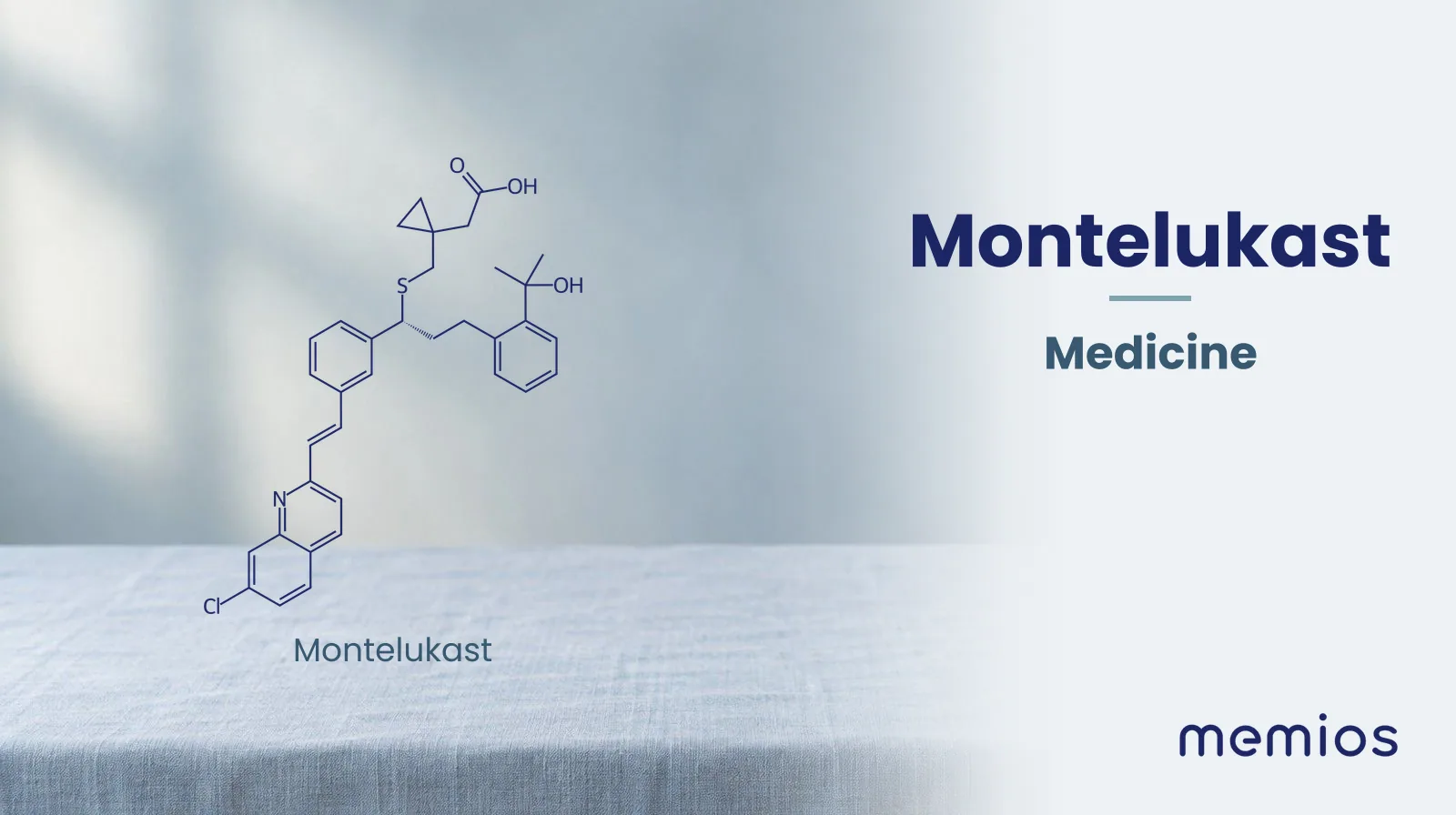 Medications
Montelukast
Well established. It blocks the CysLT1 receptor, where leukotrienes act to narrow and inflame the airways.
2026-09-29 · 10 min read
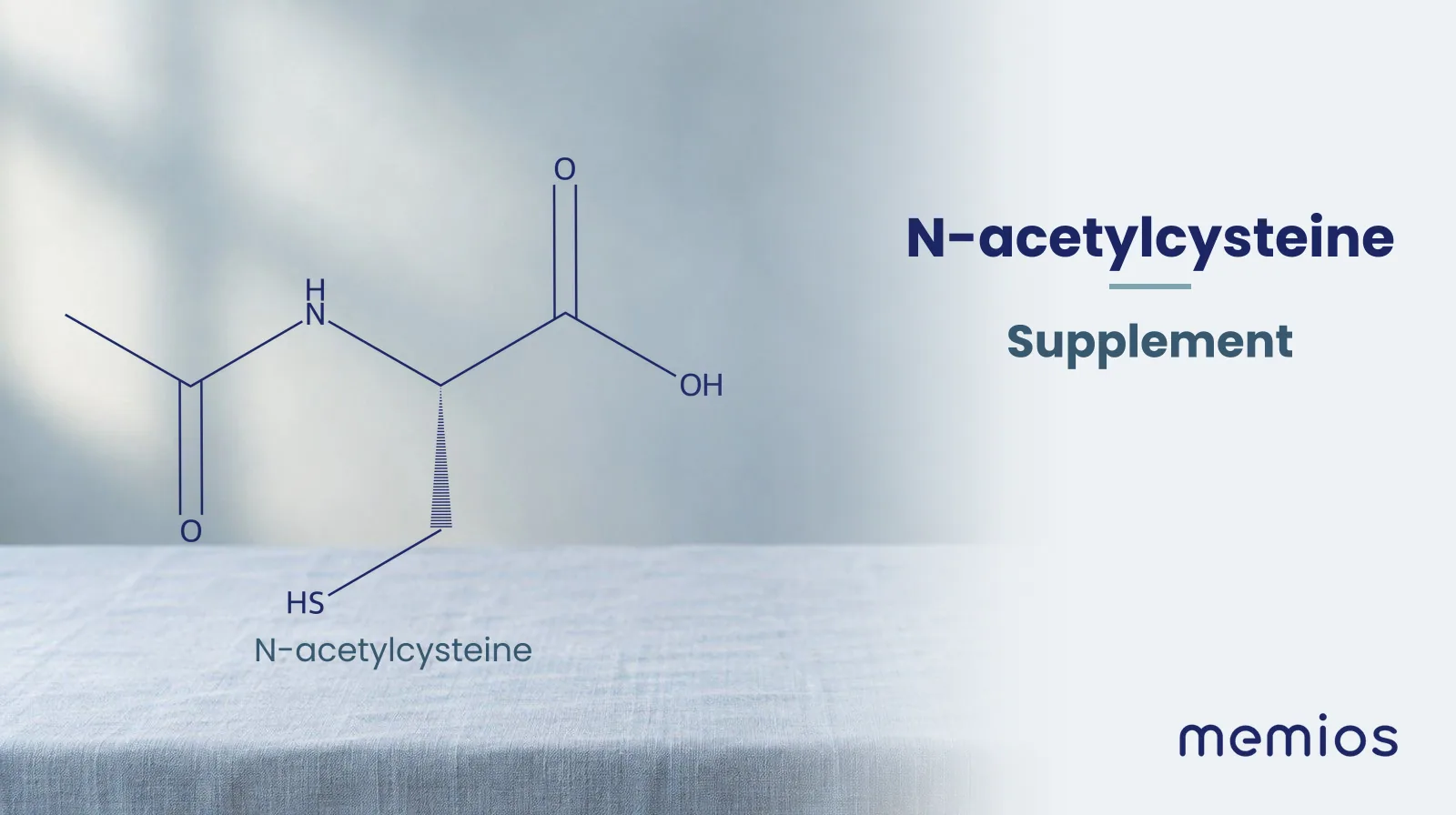 Supplements
N-acetylcysteine
Limited evidence. The best-graded evidence is narrow.
2026-09-29 · 14 min read
 Supplements
Nattokinase
The evidence is limited and mostly about surrogate markers, not about heart attacks or strokes.
2026-09-29 · 13 min read
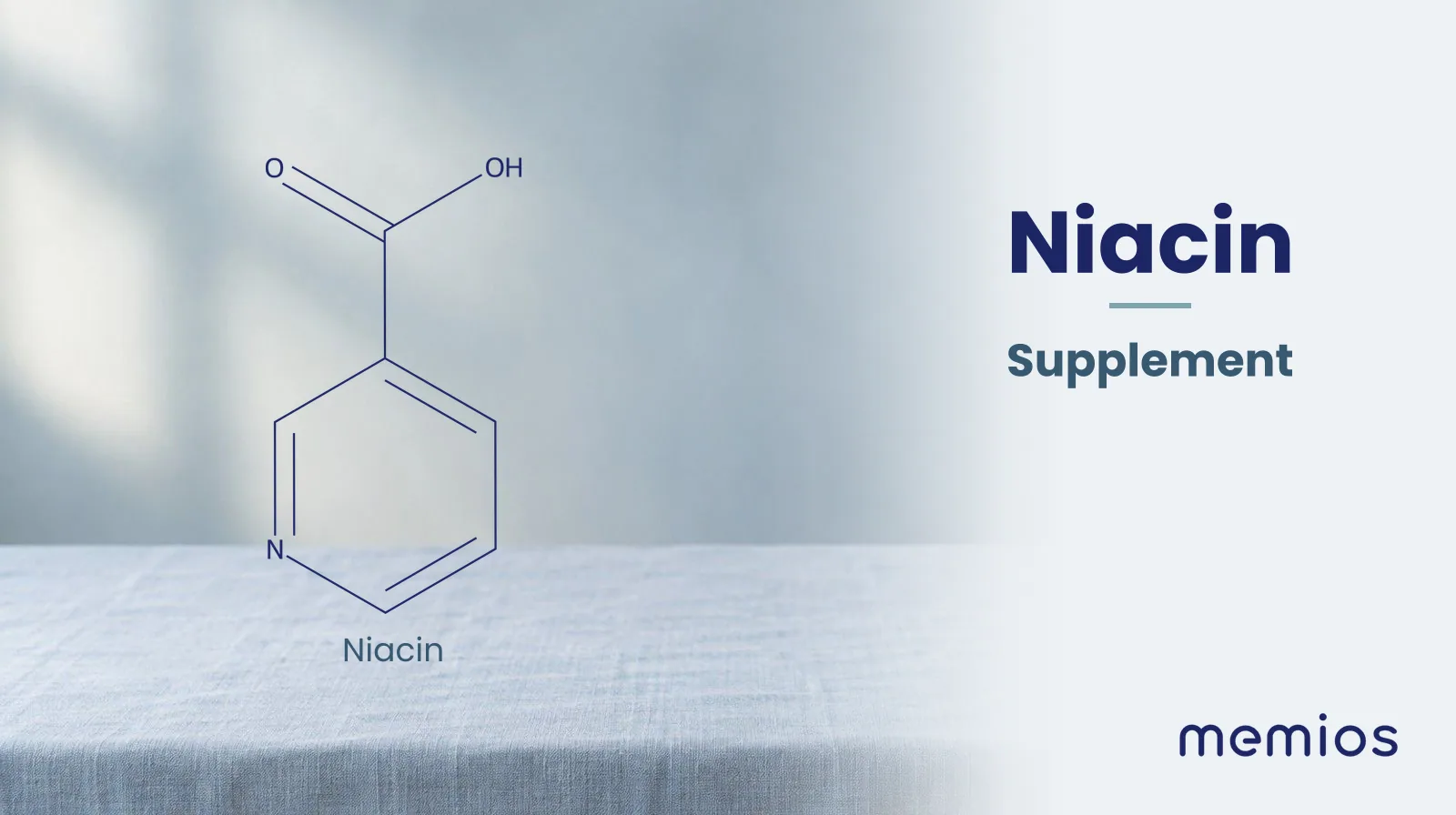 Supplements
Niacin
Not supported by the research. The strongest evidence is against the main claim made for high-dose nicotinic acid.
2026-09-29 · 11 min read
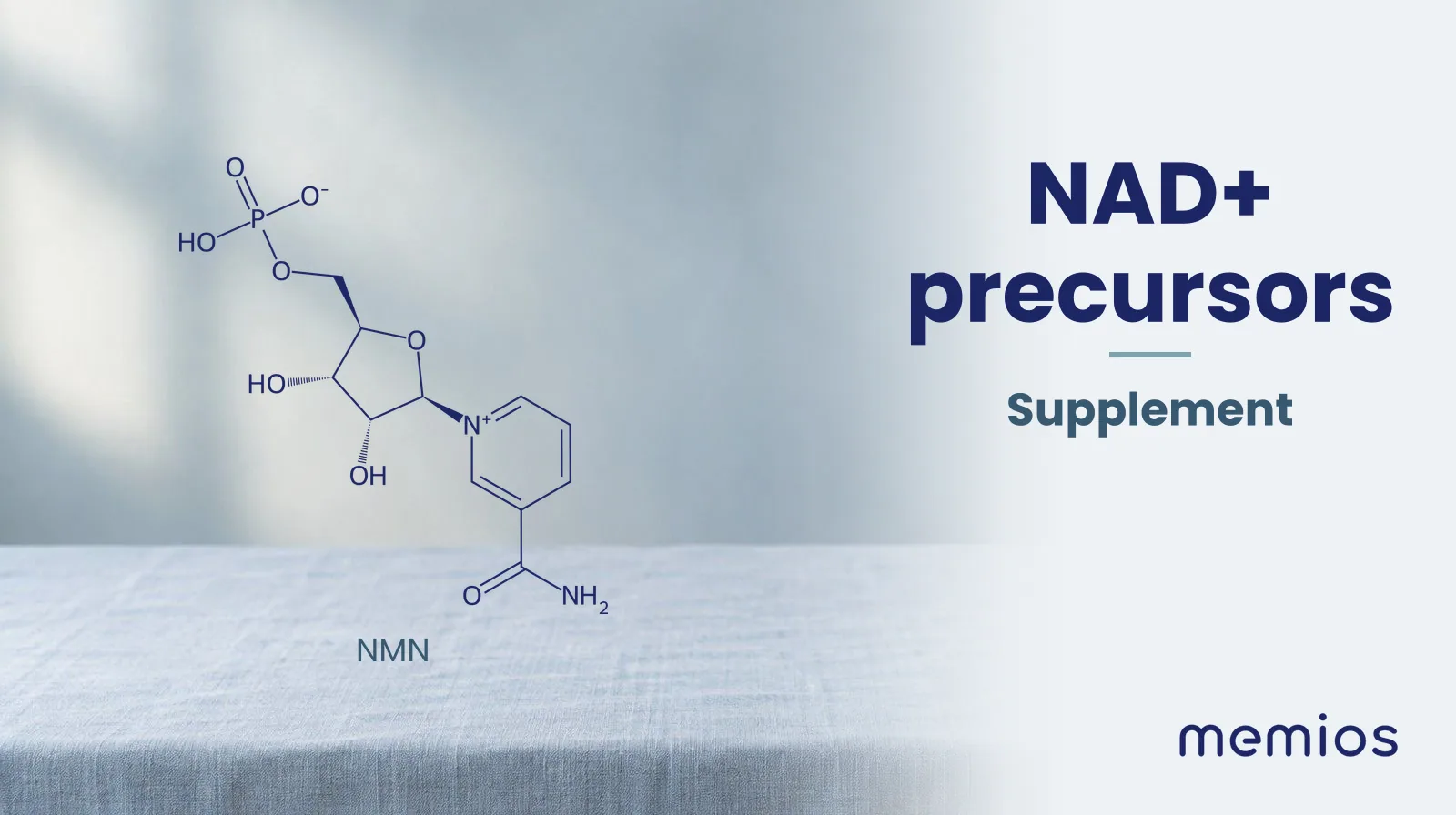 Supplements
NAD+ precursors: nicotinamide mononucleotide
Short human trials show these compounds are well tolerated but have not shown consistent clinical benefit.
2026-09-29 · 13 min read
 Supplements
Noni
Limited evidence. Noni is marketed as an antioxidant, immune-supporting and anticancer supplement.
2026-09-29 · 12 min read
 Supplements
Oat and barley beta-glucan
Well established. Beta-glucan lowers LDL cholesterol.
2026-09-29 · 9 min read
 Supplements
Olive leaf extract
Limited evidence. The evidence is real but thin and low-certainty.
2026-09-29 · 15 min read
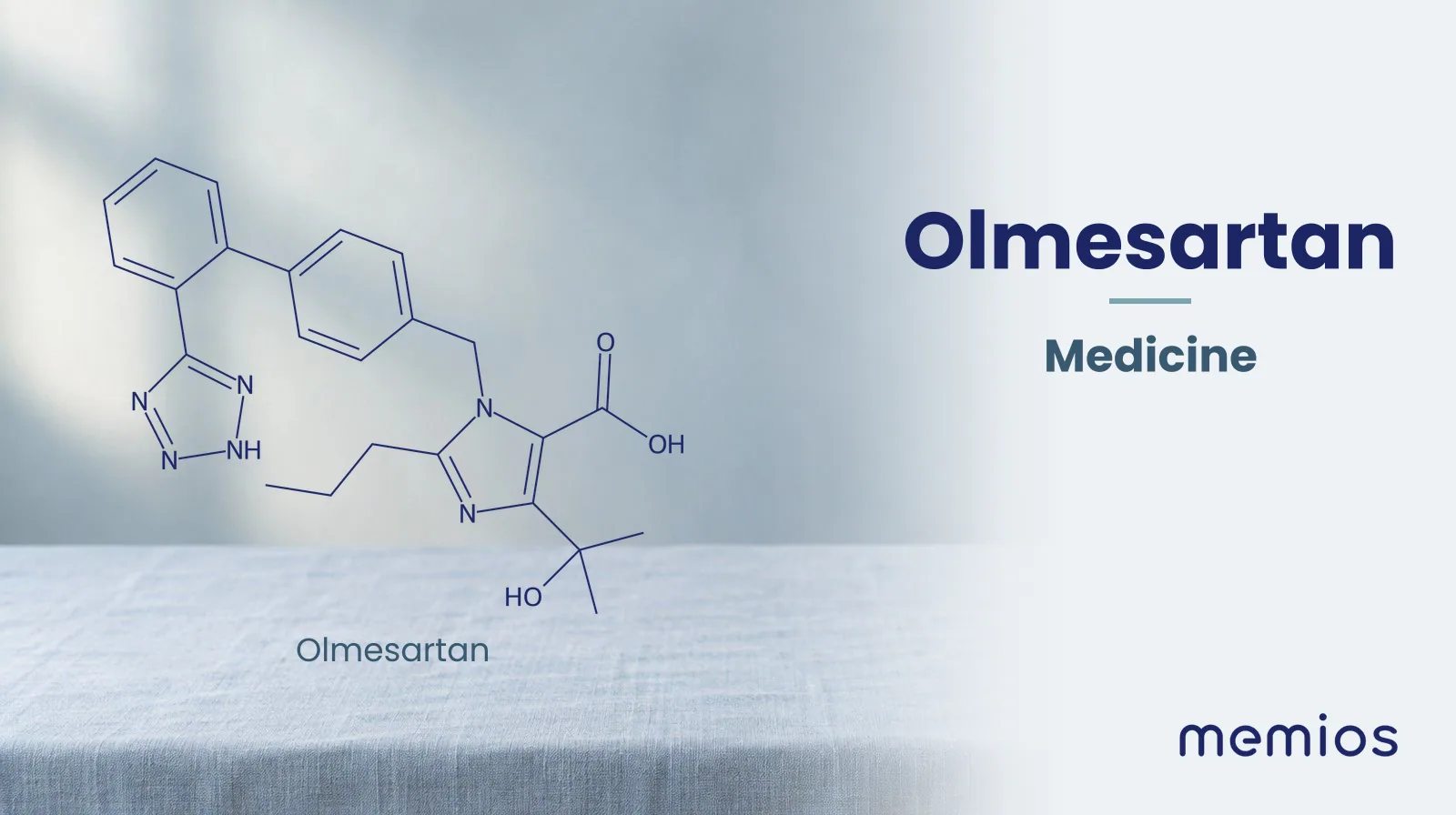 Medications
Olmesartan
For lowering blood pressure the class evidence is solid and olmesartan is not distinguishable from other ARBs.
2026-09-29 · 19 min read
 Fasting
One meal a day
The evidence is thin: three small crossover trials in healthy normal-weight adults (two reports from one trial, lasting 8 weeks per period, and one 11-day trial) and one observational cohort.
2026-09-29 · 9 min read
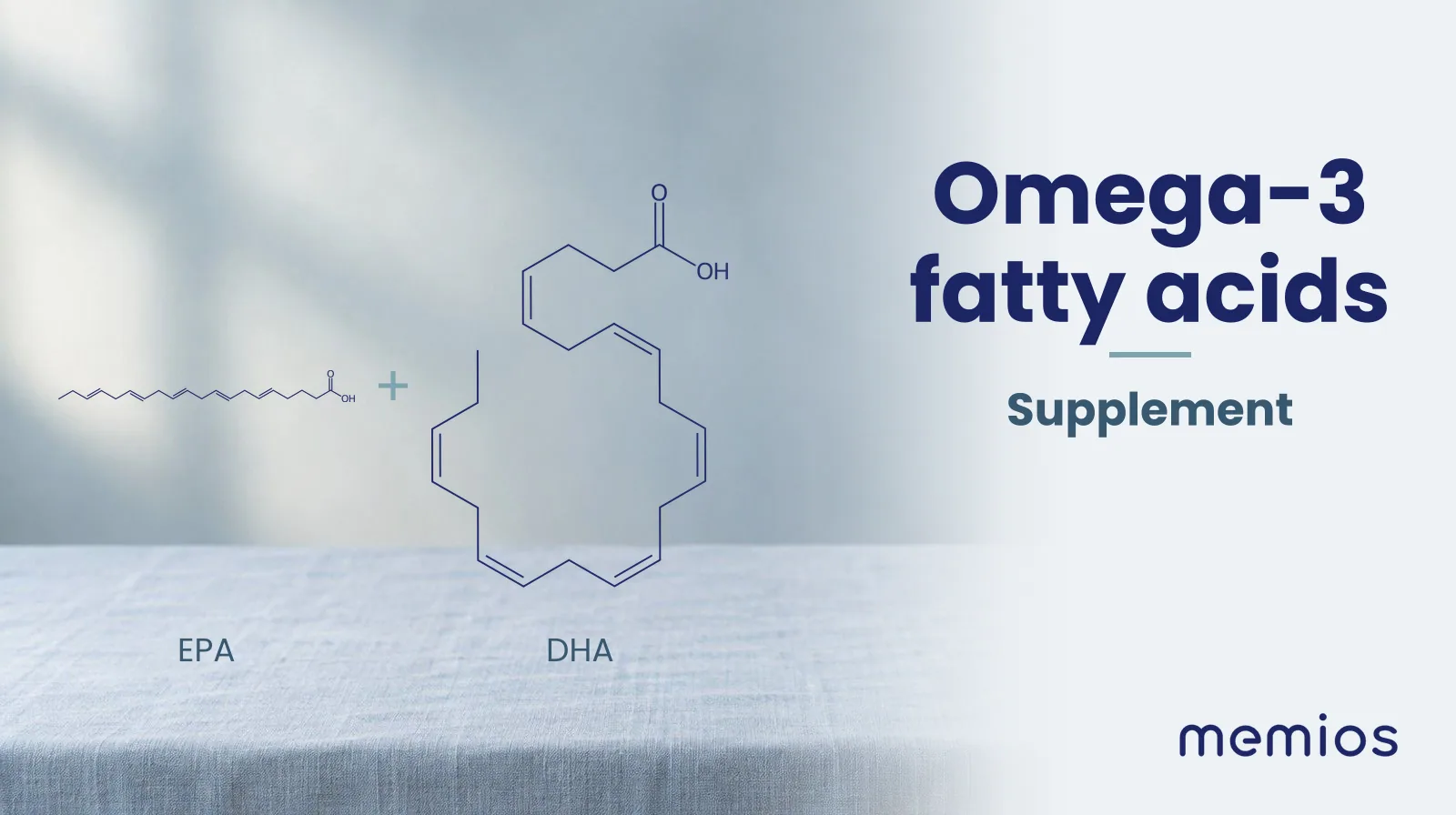 Supplements
Omega-3 fatty acids
This is the ingredient where the marketing and the trial evidence part company most sharply.
2026-09-29 · 22 min read
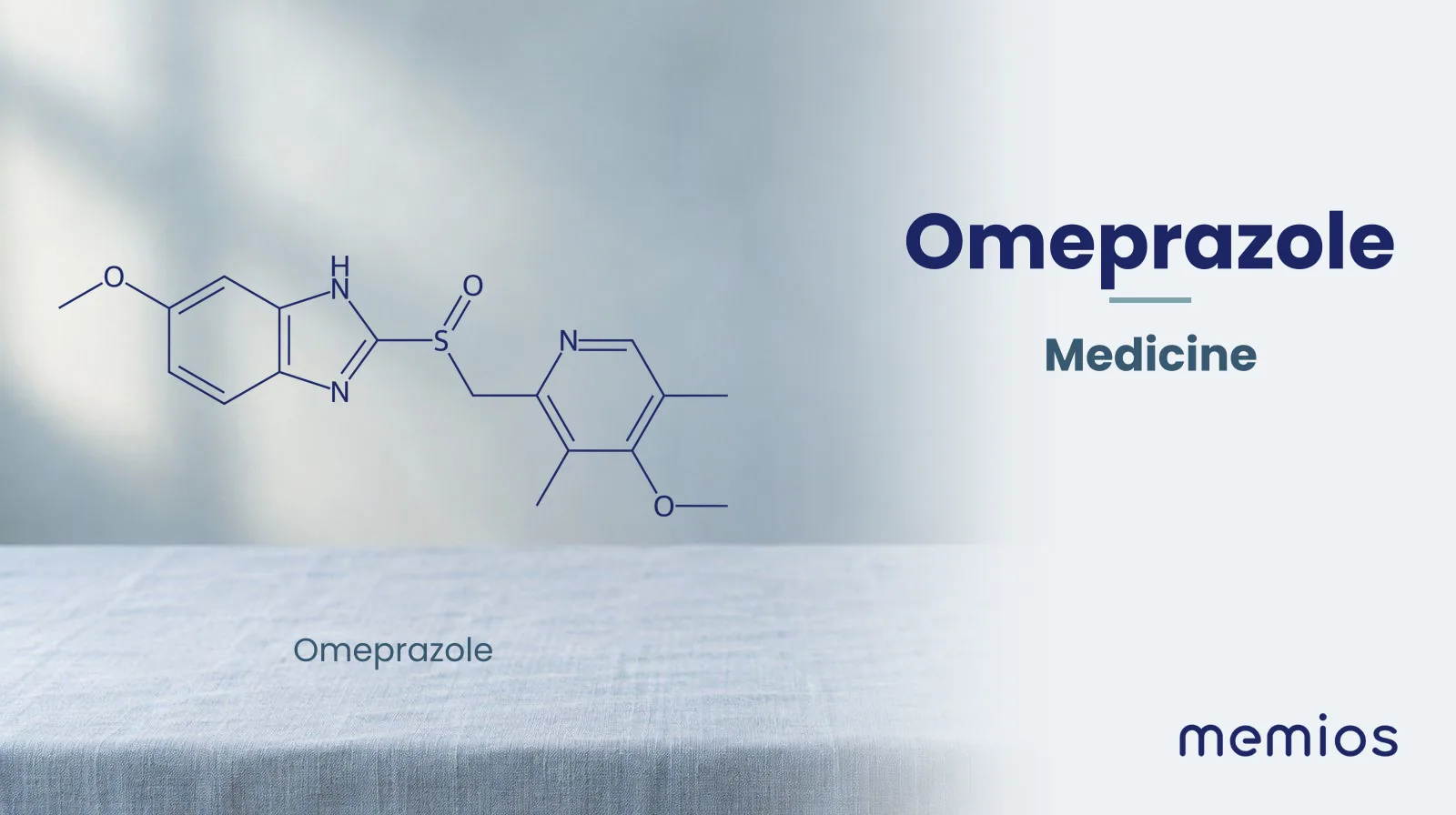 Medications
Omeprazole
The trial evidence that PPIs relieve heartburn and help heal and prevent ulcers (with antibiotics when H. pylori is present) is solid, though Cochrane rates much of the ulcer evidence low quality.
2026-09-29 · 15 min read
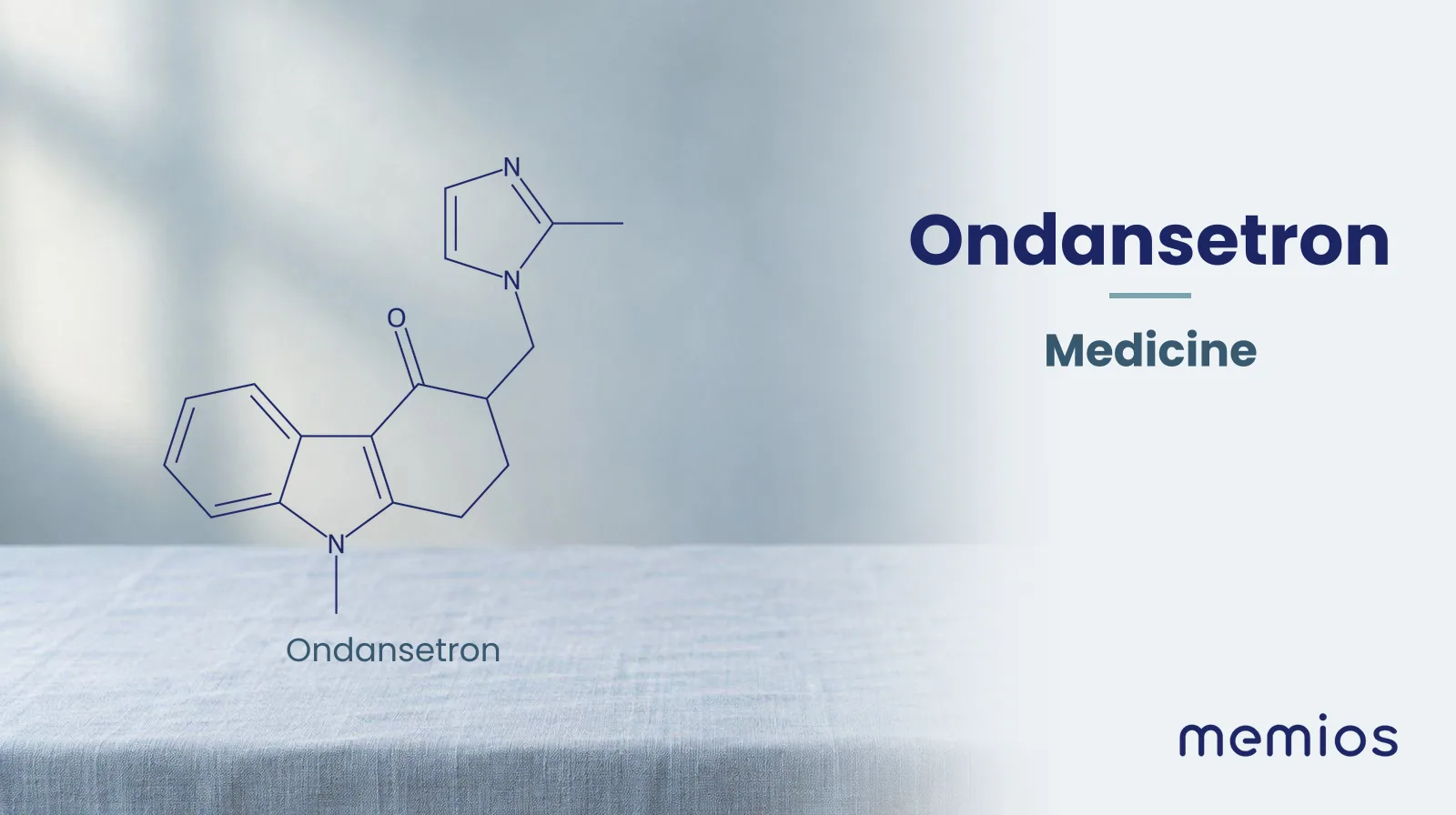 Medications
Ondansetron
Well established. Ondansetron blocks the serotonin signal that vomiting is triggered by.
2026-09-29 · 18 min read
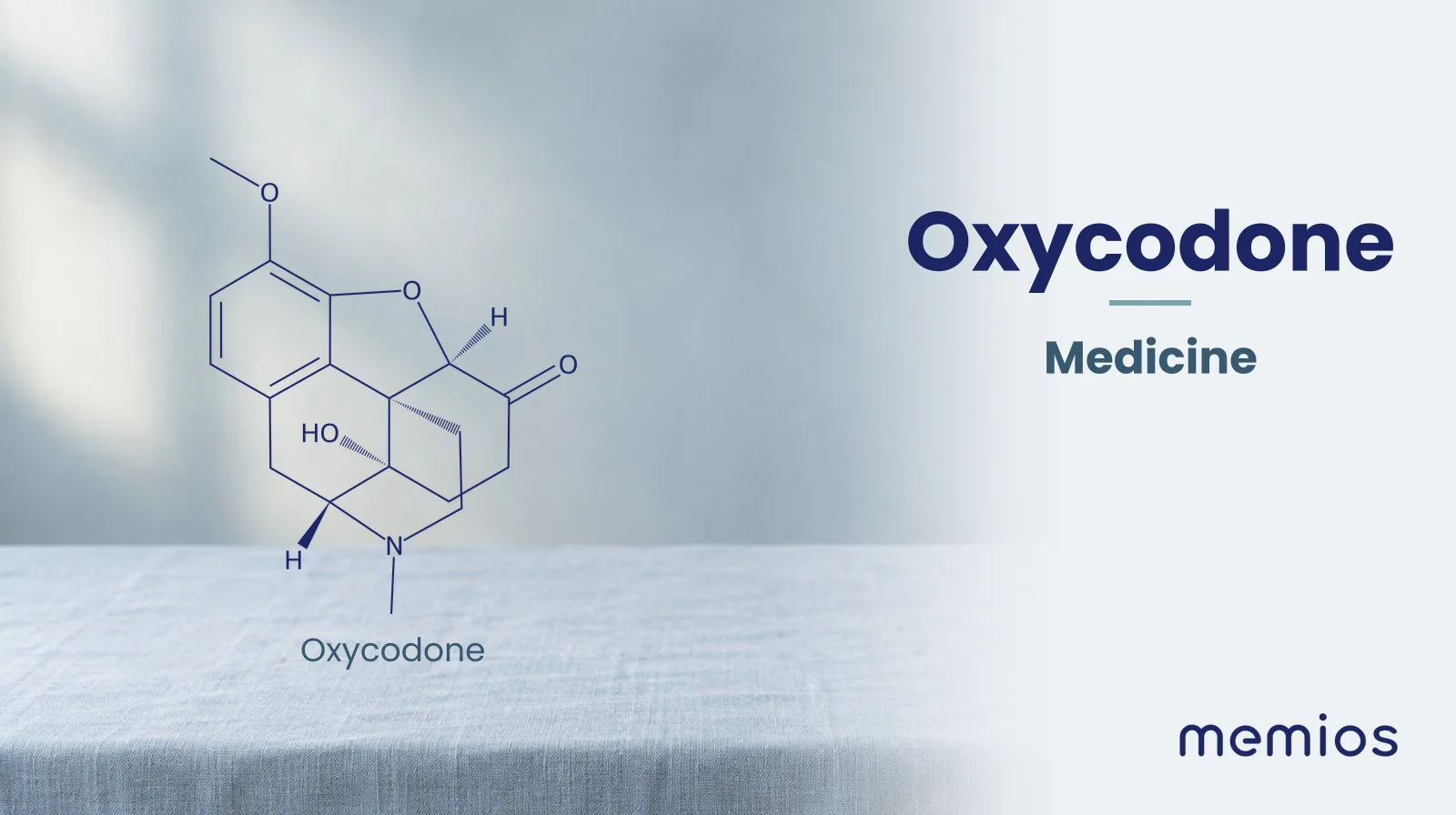 Medications
Oxycodone
It relieves pain by acting on opioid receptors in the brain and spinal cord, with no ceiling to the dose-response for analgesia.
2026-09-29 · 26 min read
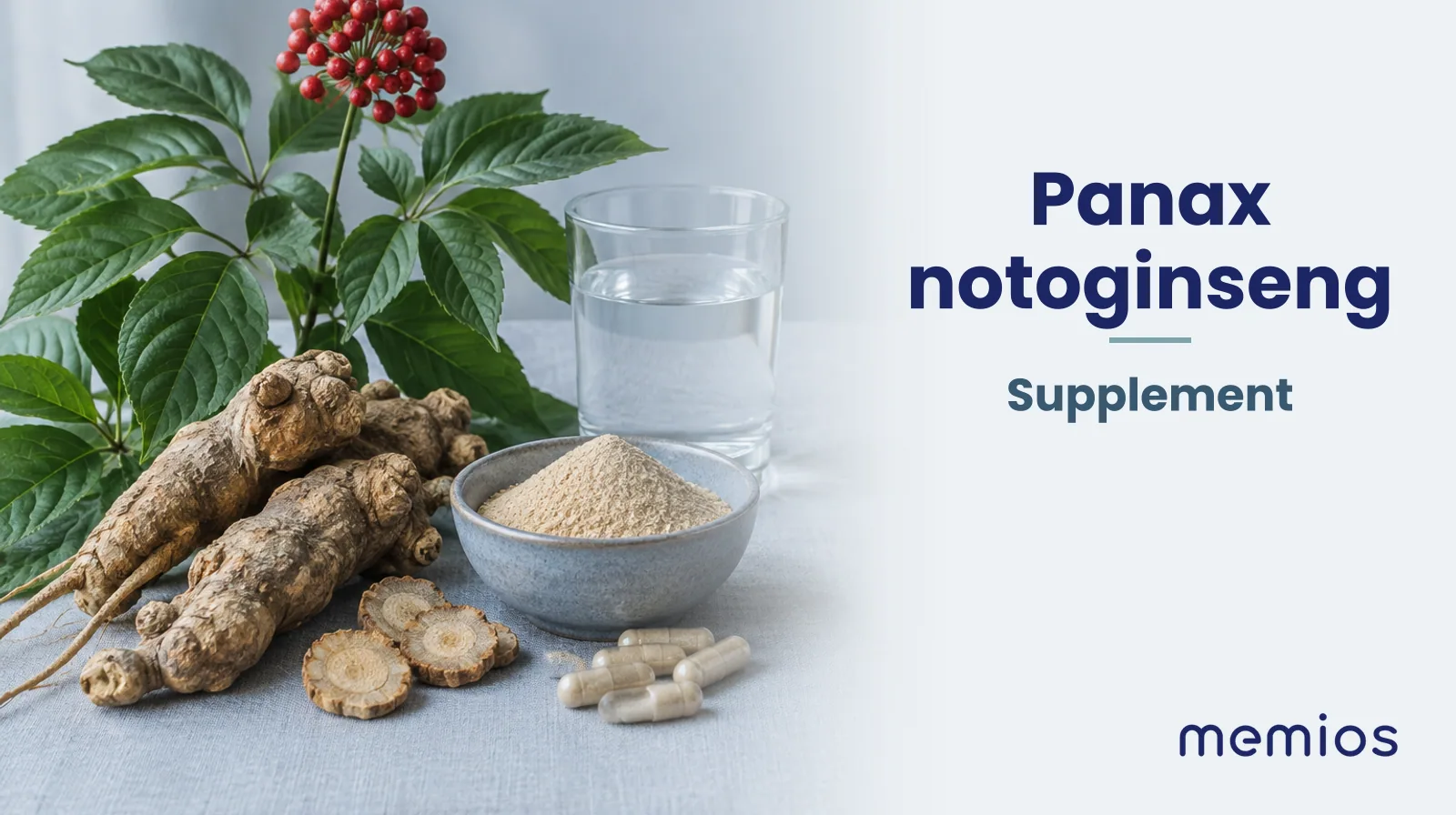 Supplements
Panax notoginseng
The clinical evidence is large in volume but weak in quality, and almost all of it comes from China.
2026-09-29 · 16 min read
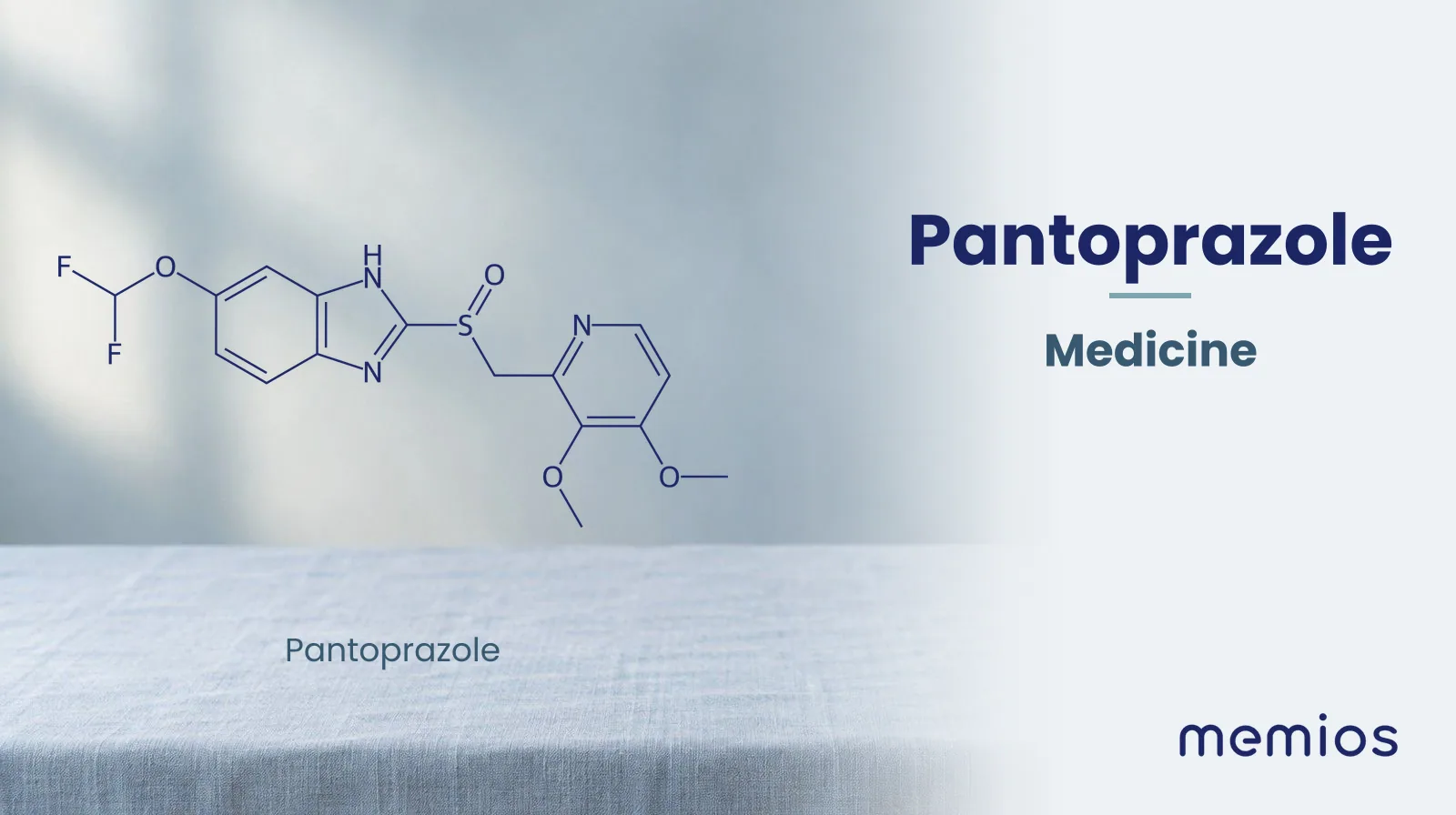 Medications
Pantoprazole
The best evidence is for healing erosive oesophagitis (acid damage to the gullet): in a Wyeth-funded placebo-controlled trial, 88% of people on 40 mg had healed at 8 weeks versus 33% on placebo.
2026-09-29 · 12 min read
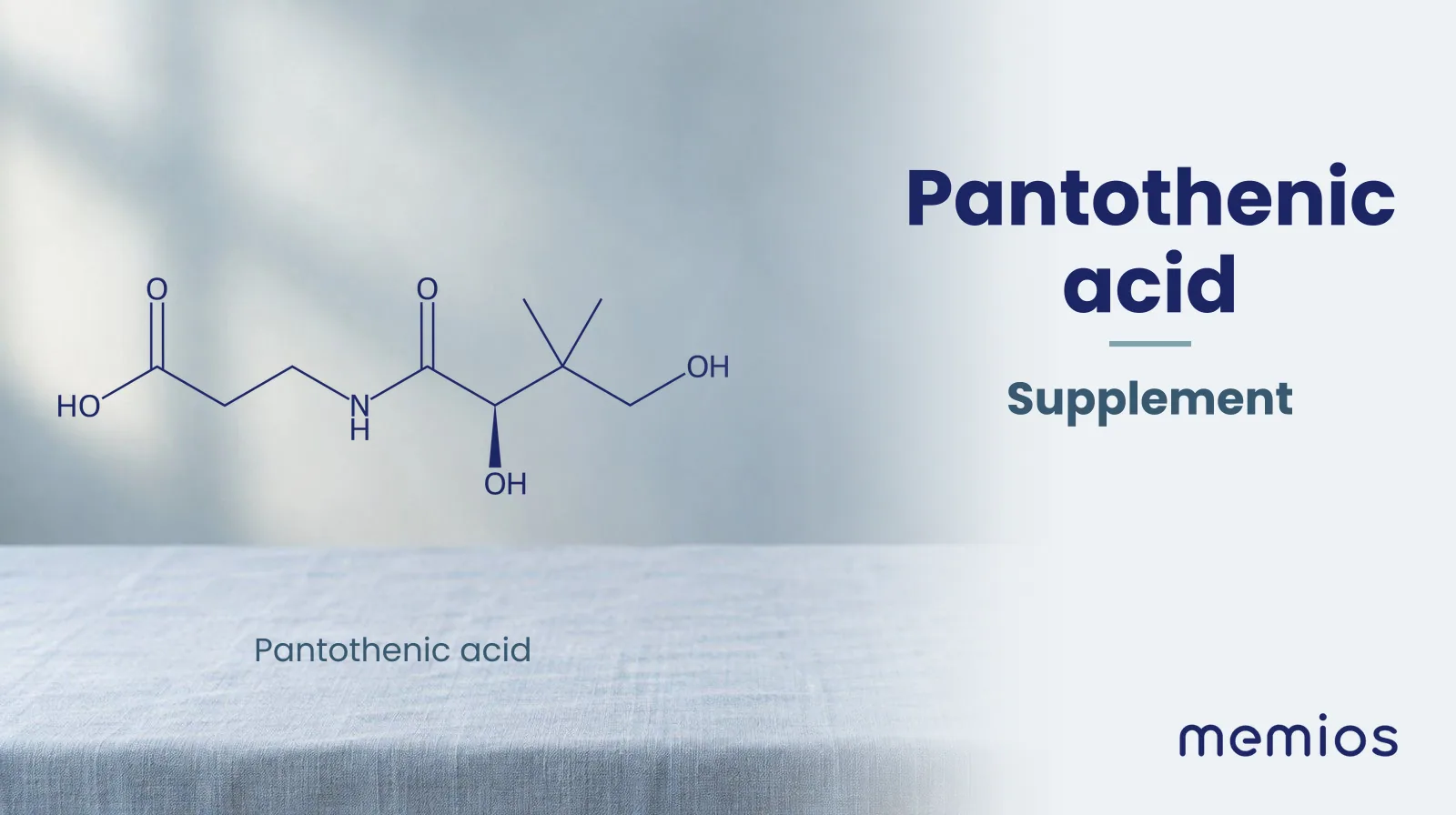 Supplements
Pantothenic acid
The evidence for supplements is thin. Pantethine, a related compound, lowered LDL cholesterol by about 11% in one small 16-week trial of 32 people.
2026-09-29 · 7 min read
 Supplements
Papain and papaya enzyme
Limited evidence. There is very little human evidence.
2026-09-29 · 6 min read
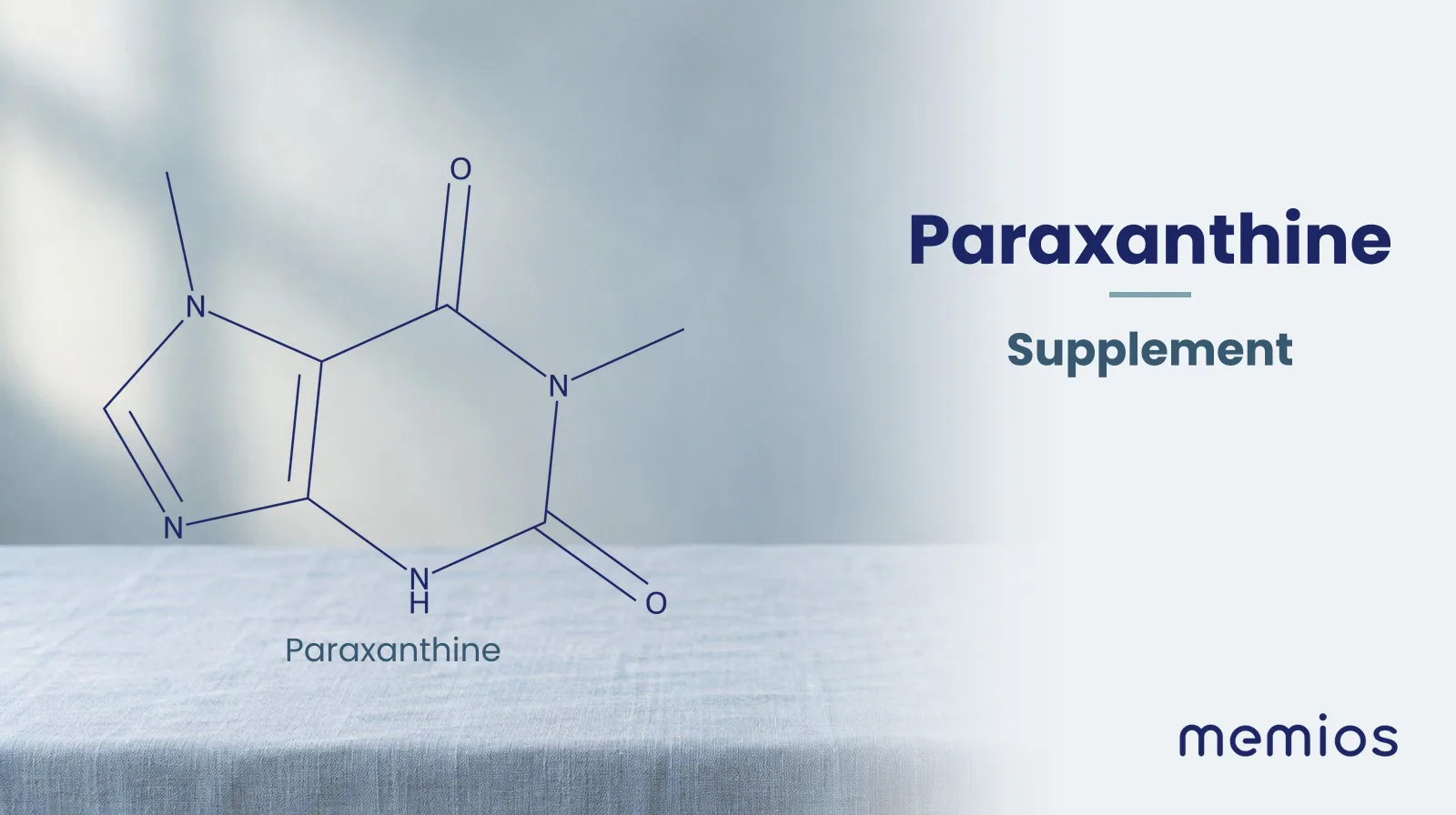 Supplements
Paraxanthine
Paraxanthine is a stimulant with pharmacology similar to caffeine, which is unsurprising since it is what most caffeine turns into.
2026-09-29 · 16 min read
 Supplements
Phosphatidylserine
The evidence is disputed and the older positive results mostly used a form no longer sold.
2026-09-29 · 16 min read
 Supplements
Policosanol
This is one of the sharpest disagreements in the supplement literature, and it splits by who ran the trial.
2026-09-29 · 12 min read
 Supplements
Pomegranate
The strongest evidence is for a small average reduction in blood pressure: a 2026 meta-analysis of 33 clinical trials pooled a fall of about 3.5 mmHg systolic and 1.5 mmHg diastolic.
2026-09-29 · 18 min read
 Medications
Potassium Chloride
Well established. Its approved job is to raise potassium in people who are low, or to stop them going low.
2026-09-29 · 23 min read
 Supplements
Potassium
Well established. Potassium is needed to keep fluid volume and electrical gradients across cell membranes.
2026-09-29 · 12 min read
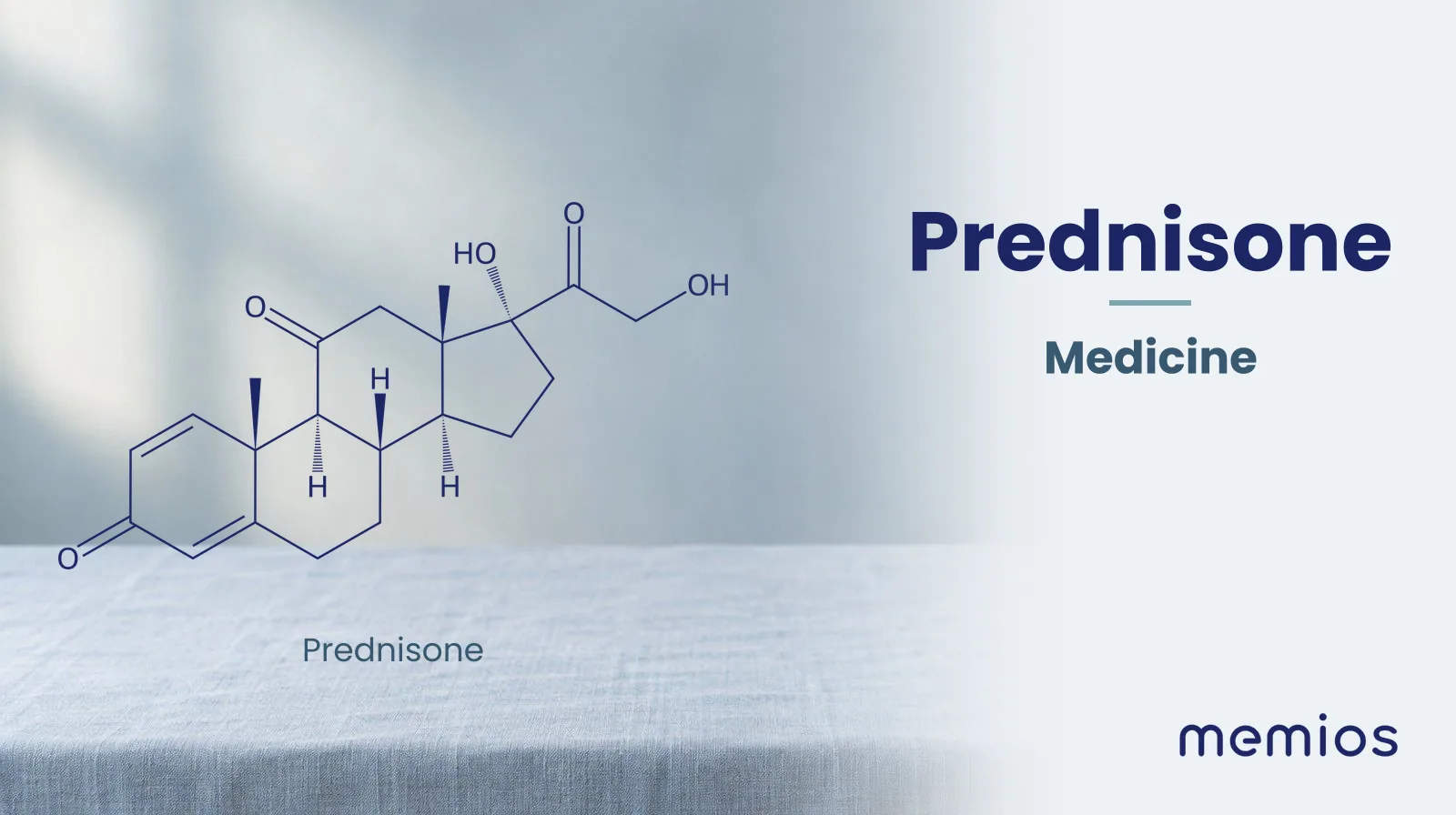 Medications
Prednisone
It enters cells and switches specific genes on and off, which damps inflammation and the immune response.
2026-09-29 · 13 min read
 Fasting
Prolonged water-only fasting
Limited evidence. Evidence is limited and mostly observational, from clinics that run the programmes.
2026-09-29 · 12 min read
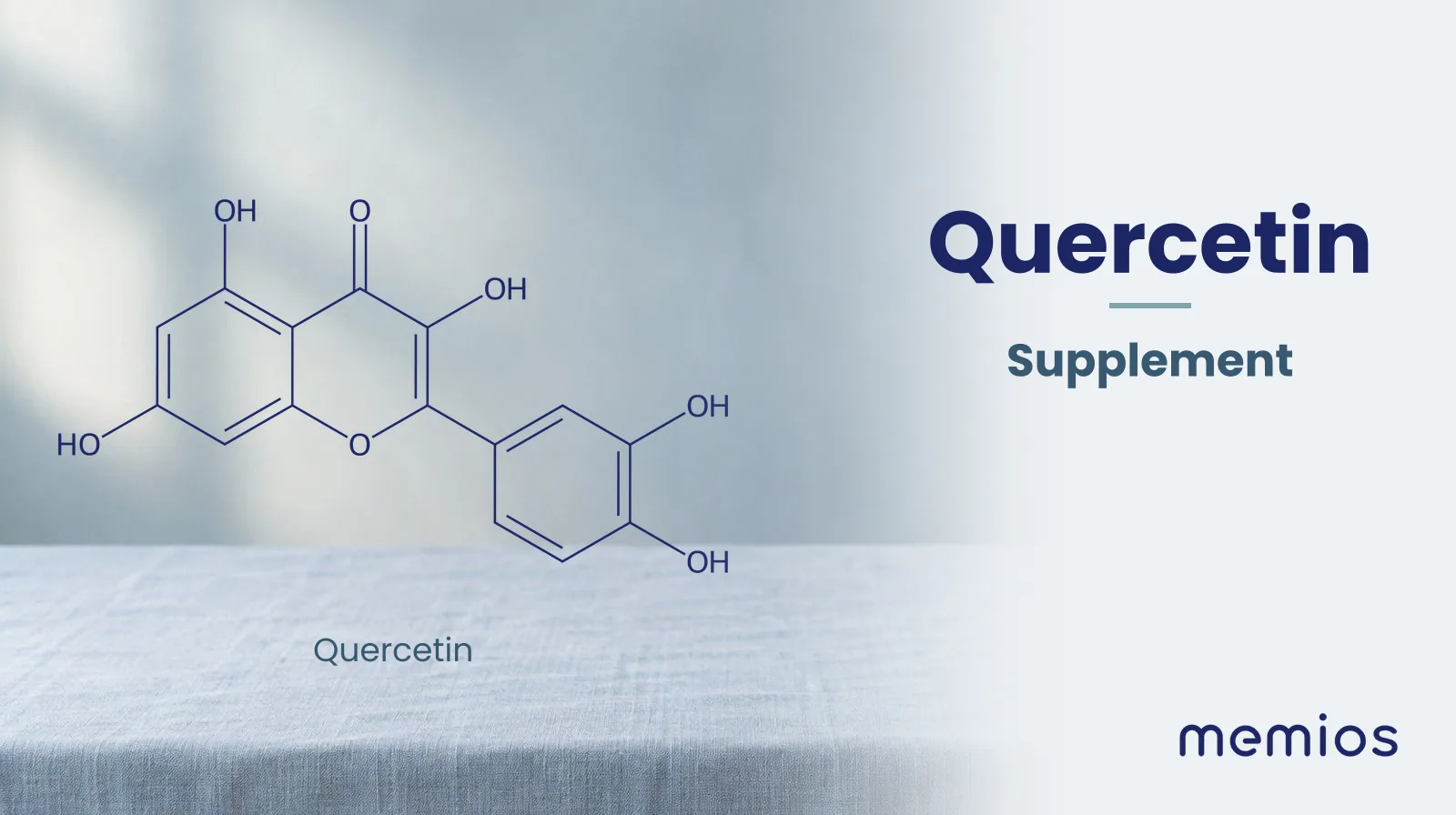 Supplements
Quercetin
An umbrella review (2023) of meta-analyses found quercetin may lower systolic blood pressure by about 2 mmHg and insulin slightly.
2026-09-29 · 9 min read
 Fasting
Ramadan fasting
The evidence is mostly before-and-after observational studies pooled in meta-analyses, with no randomised comparison possible.
2026-09-29 · 14 min read
 Supplements
Red clover
Red clover is sold for hot flushes and other menopausal symptoms, and this is where the evidence is both strongest and most contested.
2026-09-29 · 16 min read
 Supplements
Red yeast rice
The evidence that red yeast rice lowers LDL cholesterol is consistent across a large number of randomised trials.
2026-09-29 · 17 min read
 Supplements
Reishi
Limited evidence. Reishi is sold for immunity, cancer support, sleep, blood sugar and cholesterol.
2026-09-29 · 17 min read
 Supplements
Rhodiola
It is sold as an adaptogen for fatigue, stress, low mood and exercise performance, but the evidence is weak and contradictory.
2026-09-29 · 13 min read
 Supplements
Rosemary extract
Limited evidence. Rosemary is claimed to help memory, inflammation and antioxidant status.
2026-09-29 · 8 min read
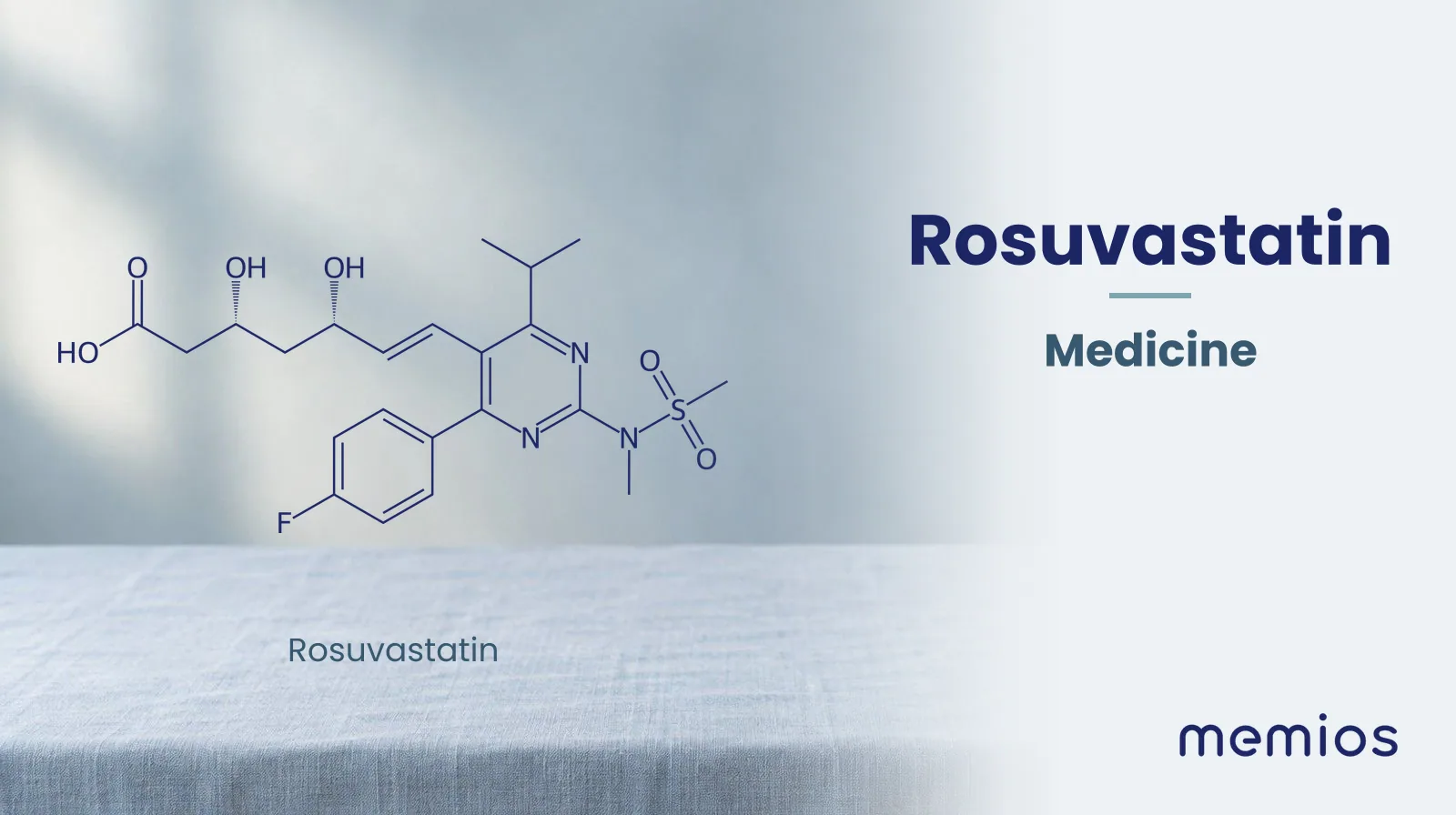 Medications
Rosuvastatin
Rosuvastatin lowers LDL cholesterol substantially: by 50% at 20 mg in JUPITER and 26.5% at 10 mg in HOPE-3.
2026-09-29 · 15 min read
 Supplements
Saccharomyces boulardii
Limited evidence. Pooled trials suggest it reduces antibiotic-associated diarrhoea (from 18.7% to 8.5%).
2026-09-29 · 9 min read
 Supplements
Schisandra
Limited evidence. The strongest body of evidence about schisandra is not about a health benefit at all.
2026-09-29 · 10 min read
 Supplements
Sea Moss
Reviewers of the primary literature are explicit that human clinical data on whole Chondrus crispus are sparse.
2026-09-29 · 10 min read
 Supplements
Selenium
Selenium is needed for thyroid hormone metabolism, DNA synthesis and protection from oxidative damage.
2026-09-29 · 8 min read
 Supplements
Senna
Senna is a stimulant laxative and this is the one thing the literature consistently agrees it does.
2026-09-29 · 12 min read
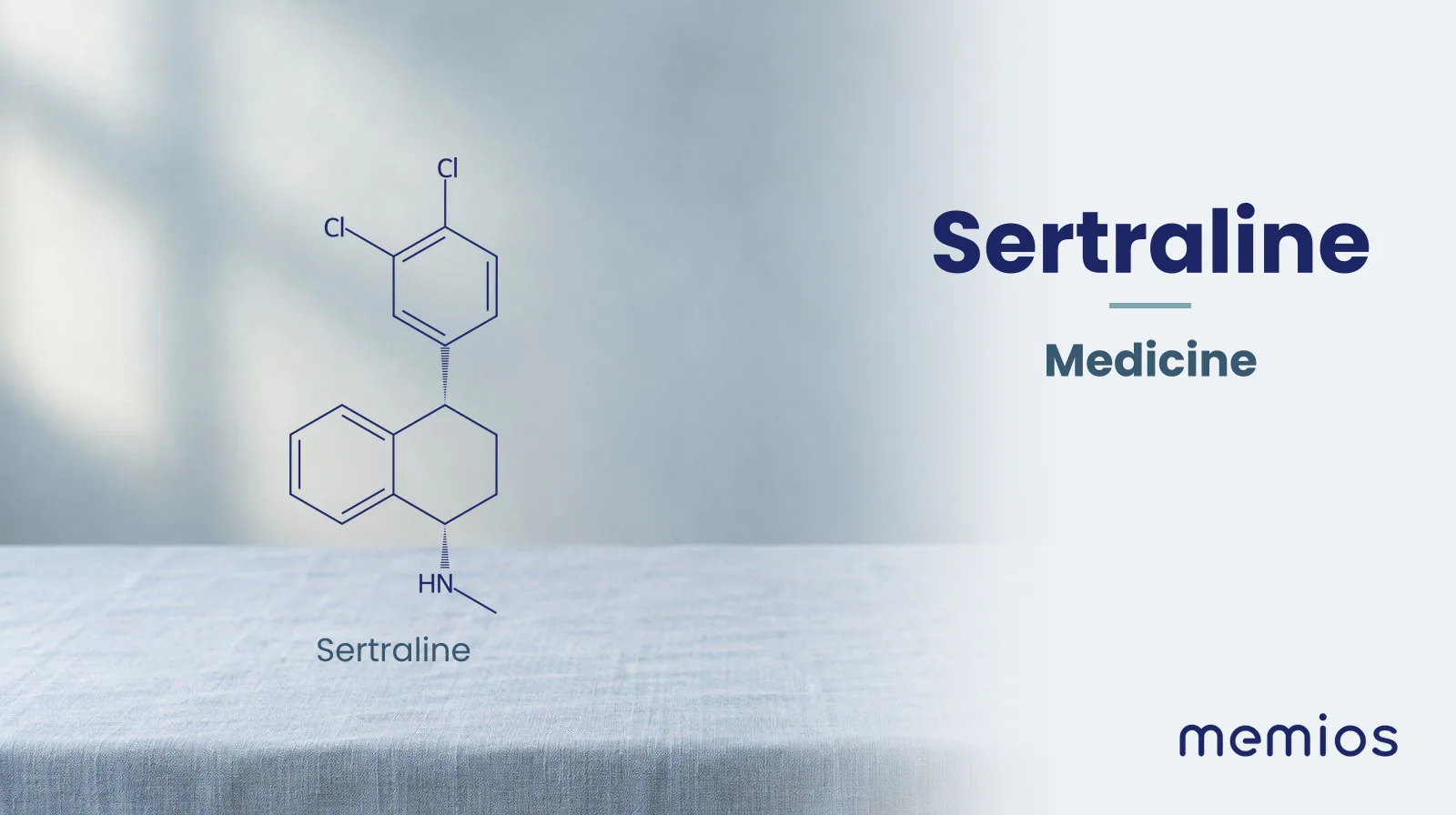 Medications
Sertraline
In the largest network meta-analysis (522 trials), all antidepressants beat placebo for acute depression in adults, and sertraline was among the better tolerated.
2026-09-29 · 13 min read
 Supplements
Shiitake
Limited evidence. The evidence is limited.
2026-09-29 · 9 min read
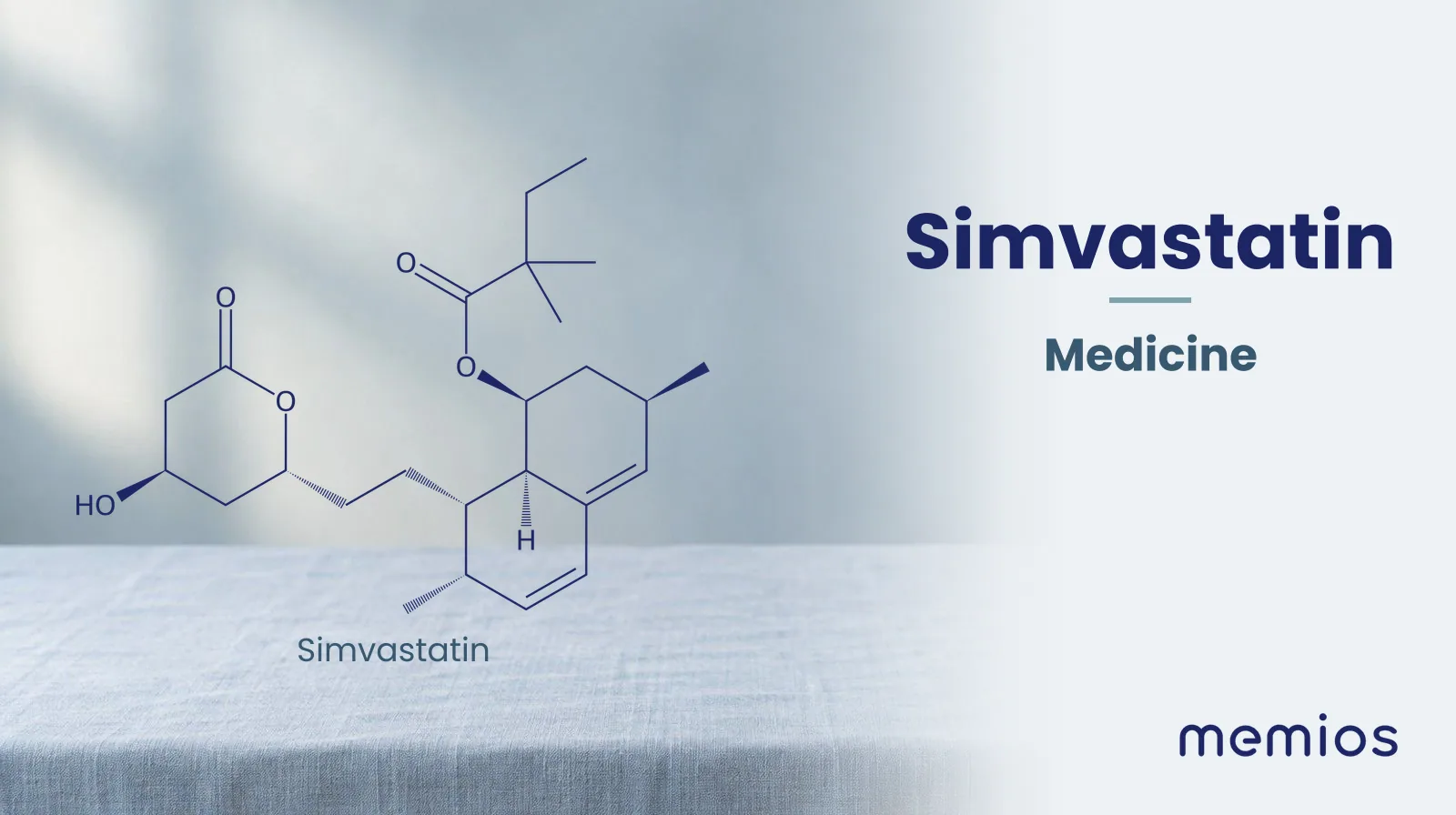 Medications
Simvastatin
In people with heart disease, simvastatin reduced death: in 4S all-cause mortality fell from 11.5% to 8.2% over about 5.4 years, and in HPS from 14.7% to 12.9% over 5 years.
2026-09-29 · 12 min read
 Supplements
Slippery elm
Not enough research to say. It is used to soothe sore throats and the gut.
2026-09-29 · 6 min read
 Supplements
Soy isoflavones
Soy isoflavones are sold mainly for menopausal symptoms and bone health, and the evidence is genuinely split by outcome.
2026-09-29 · 20 min read
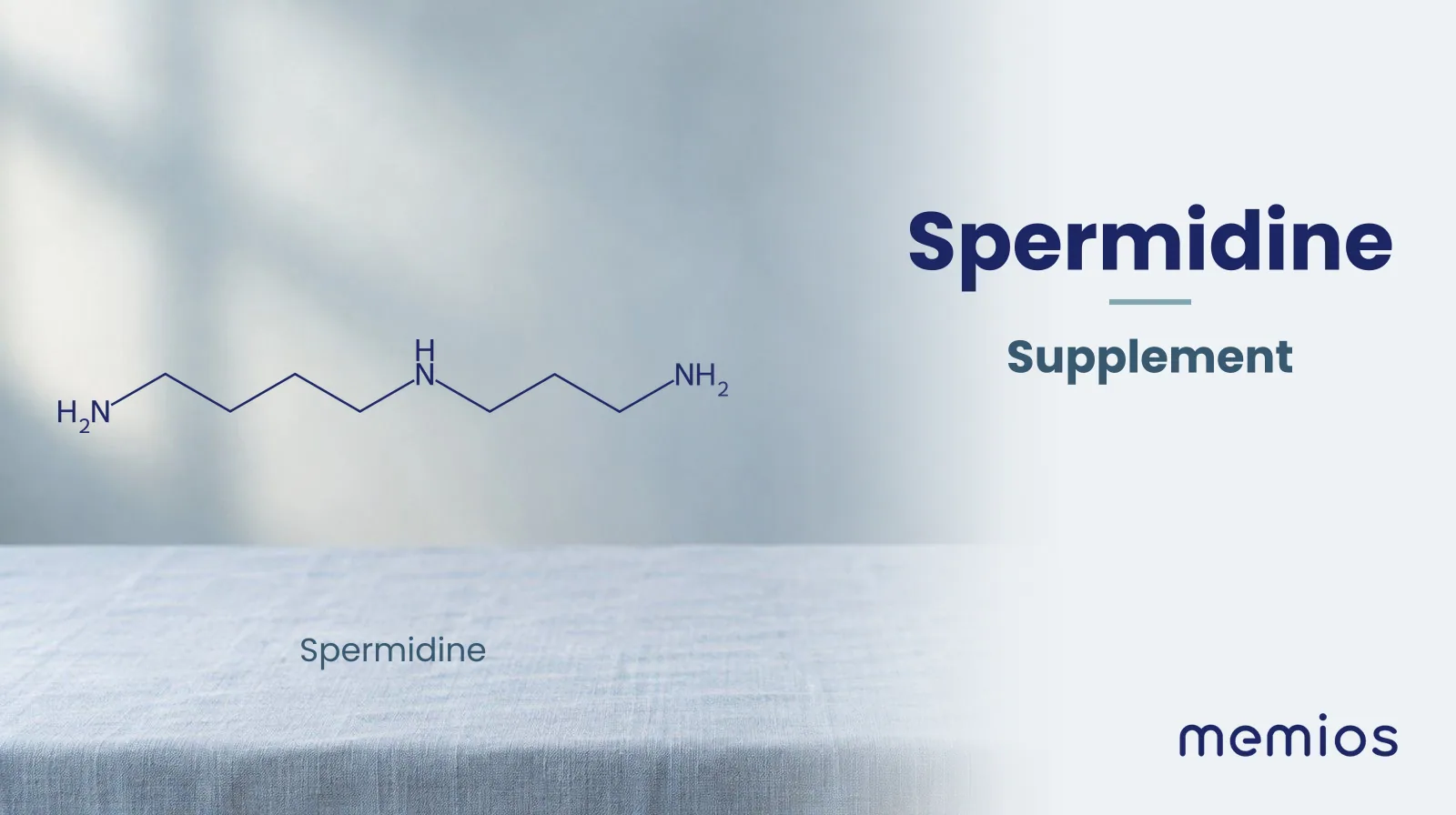 Supplements
Spermidine
Limited evidence. Observational data look favourable and interventional data do not.
2026-09-29 · 13 min read
 Supplements
Spirulina
Limited evidence. Spirulina is sold for cholesterol, blood pressure, energy and immunity.
2026-09-29 · 22 min read
 Supplements
Stevia
Limited evidence. Stevia is used to replace sugar.
2026-09-29 · 9 min read
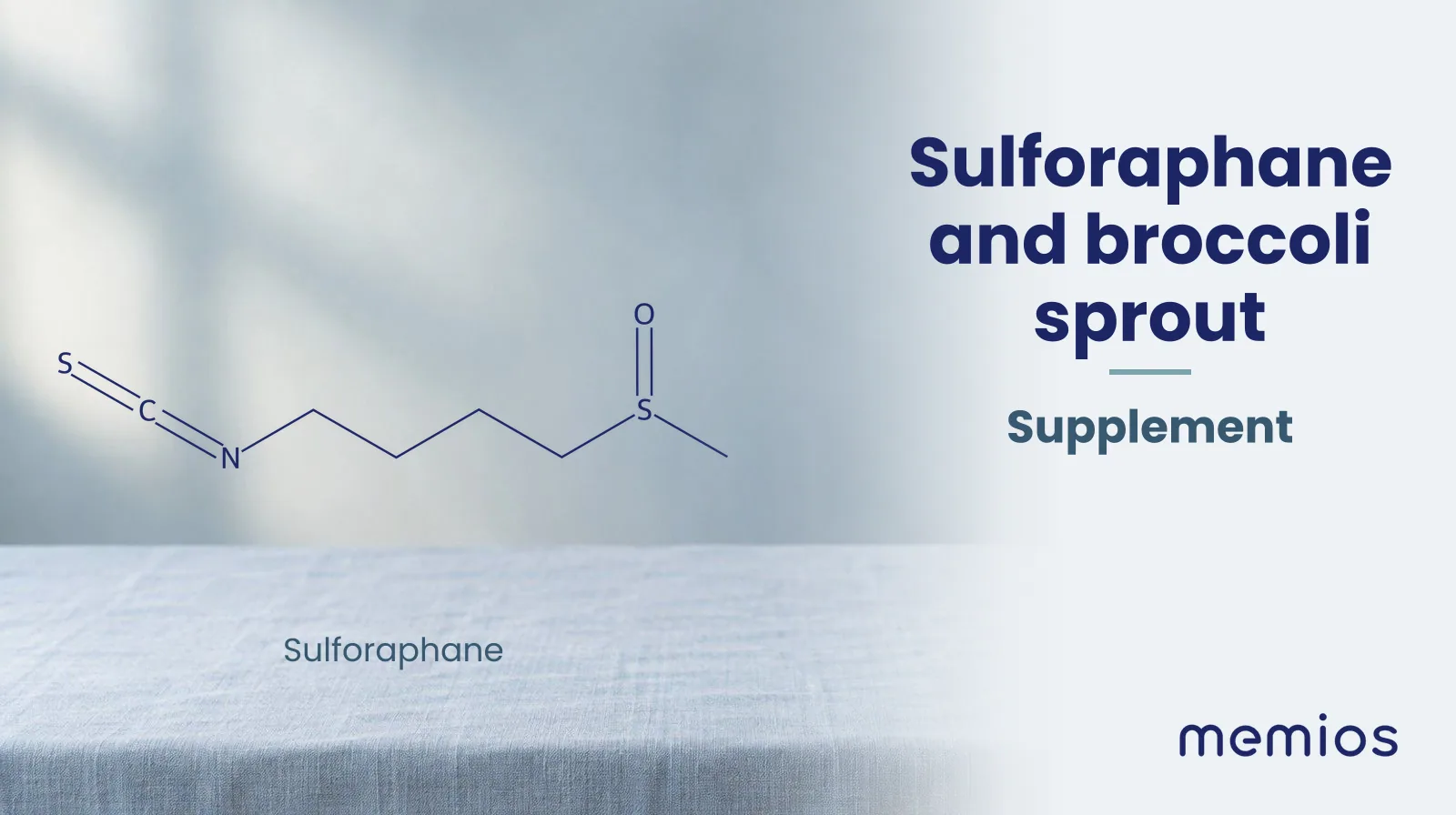 Supplements
Sulforaphane and broccoli sprout
Limited evidence. The evidence is best described as promising but mostly unconfirmed.
2026-09-29 · 14 min read
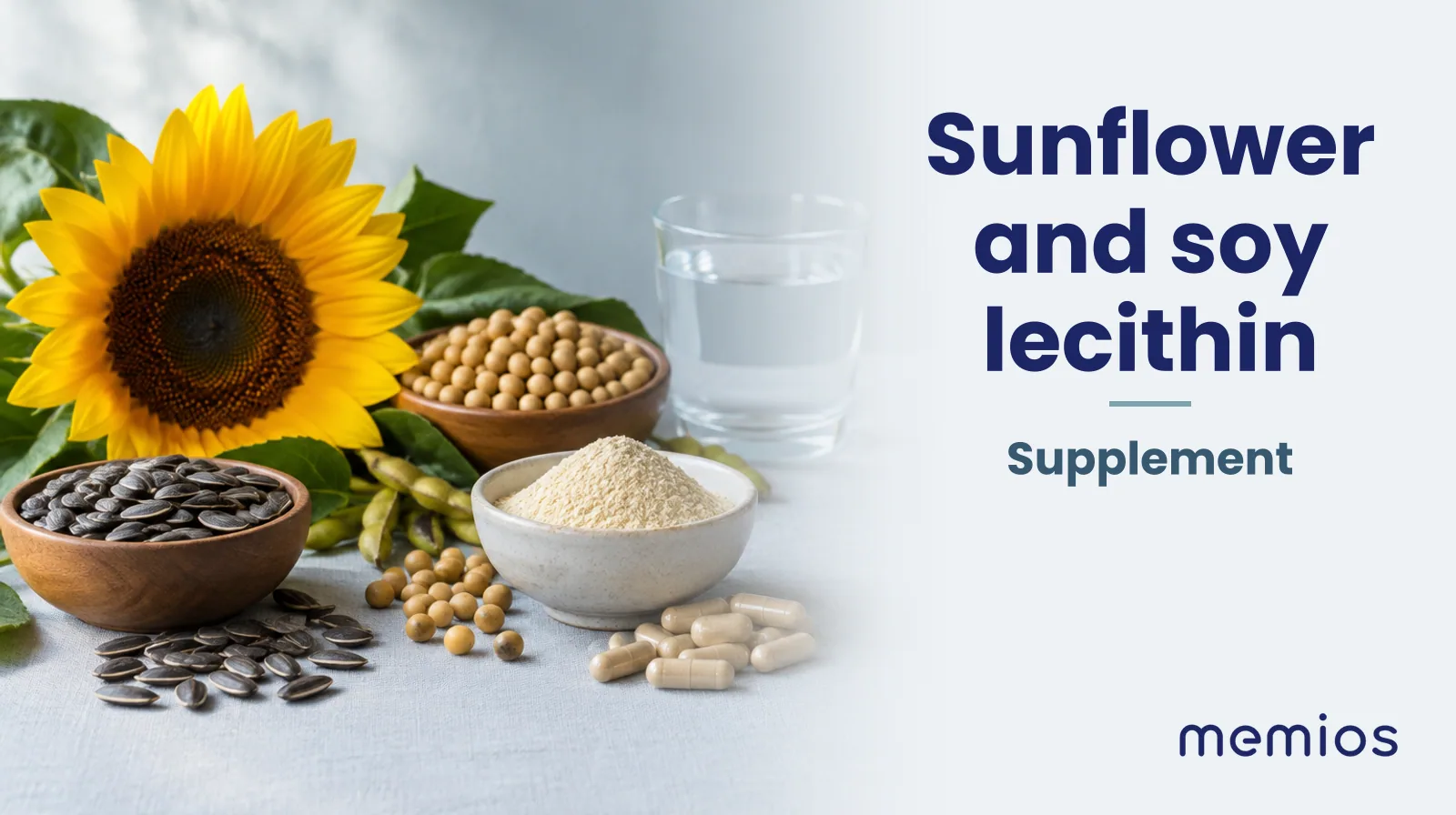 Supplements
Sunflower and soy lecithin
Not supported by the research. Lecithin is claimed to help memory, cholesterol and blocked milk ducts.
2026-09-29 · 7 min read
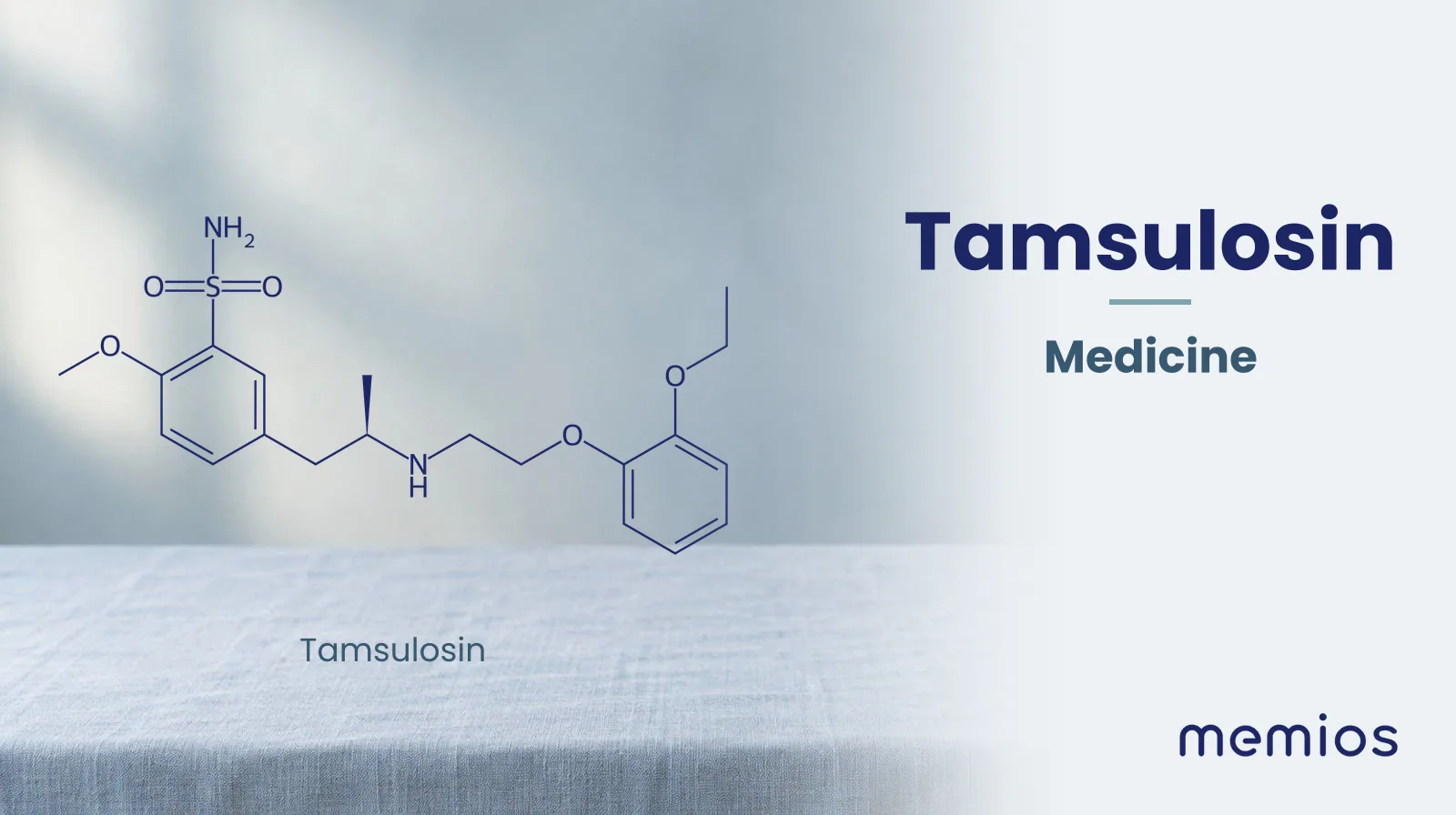 Medications
Tamsulosin
In the two pivotal 13-week US placebo-controlled trials (1,486 men) urinary symptom scores improved more on tamsulosin than placebo, though placebo groups also improved substantially.
2026-09-29 · 12 min read
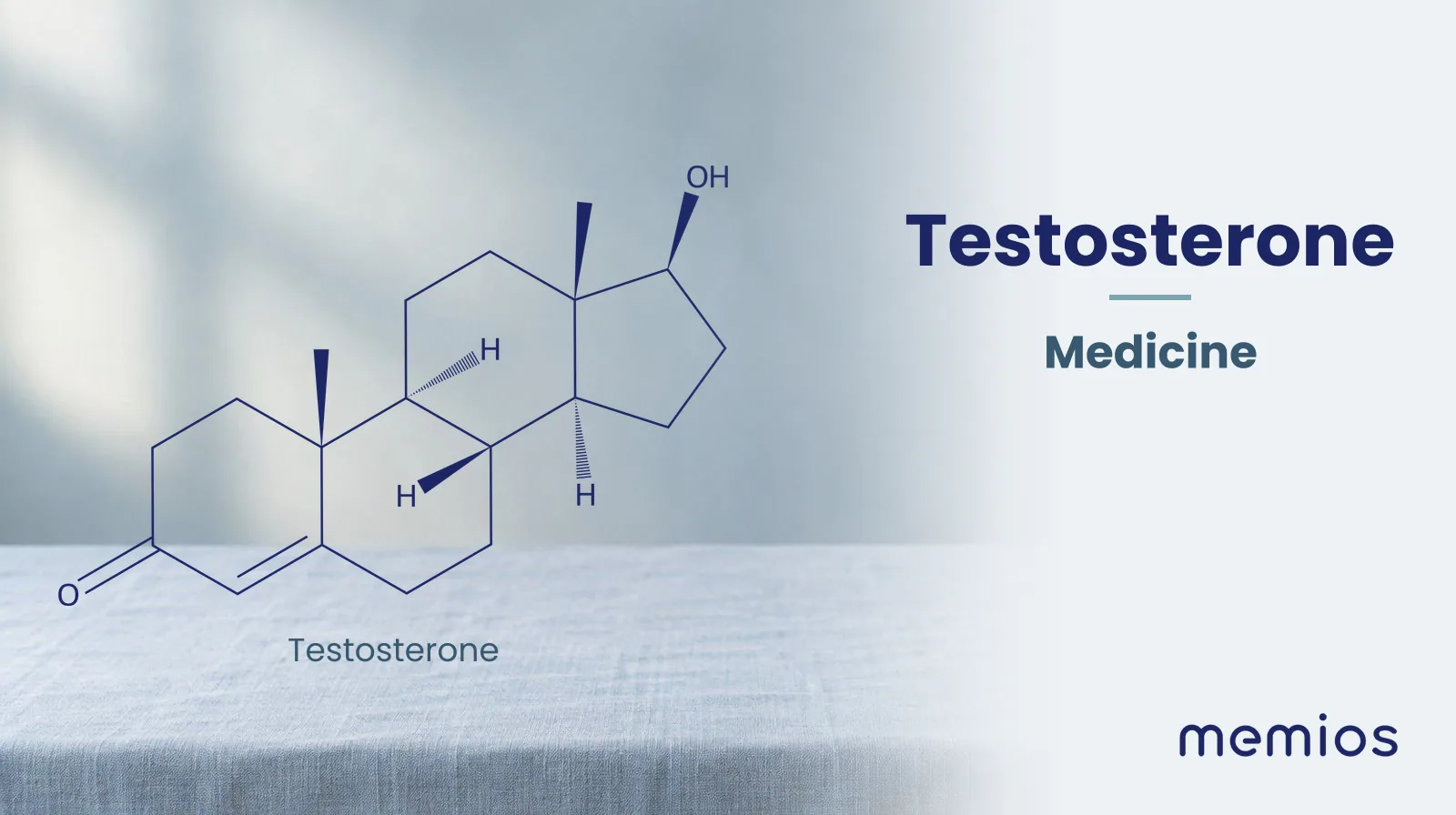 Medications
Testosterone
Where a man genuinely has low testosterone from testicular or pituitary disease, replacement raises the hormone level and improves sexual function and quality of life; that part is consistently found in meta-analyses.
2026-09-29 · 17 min read
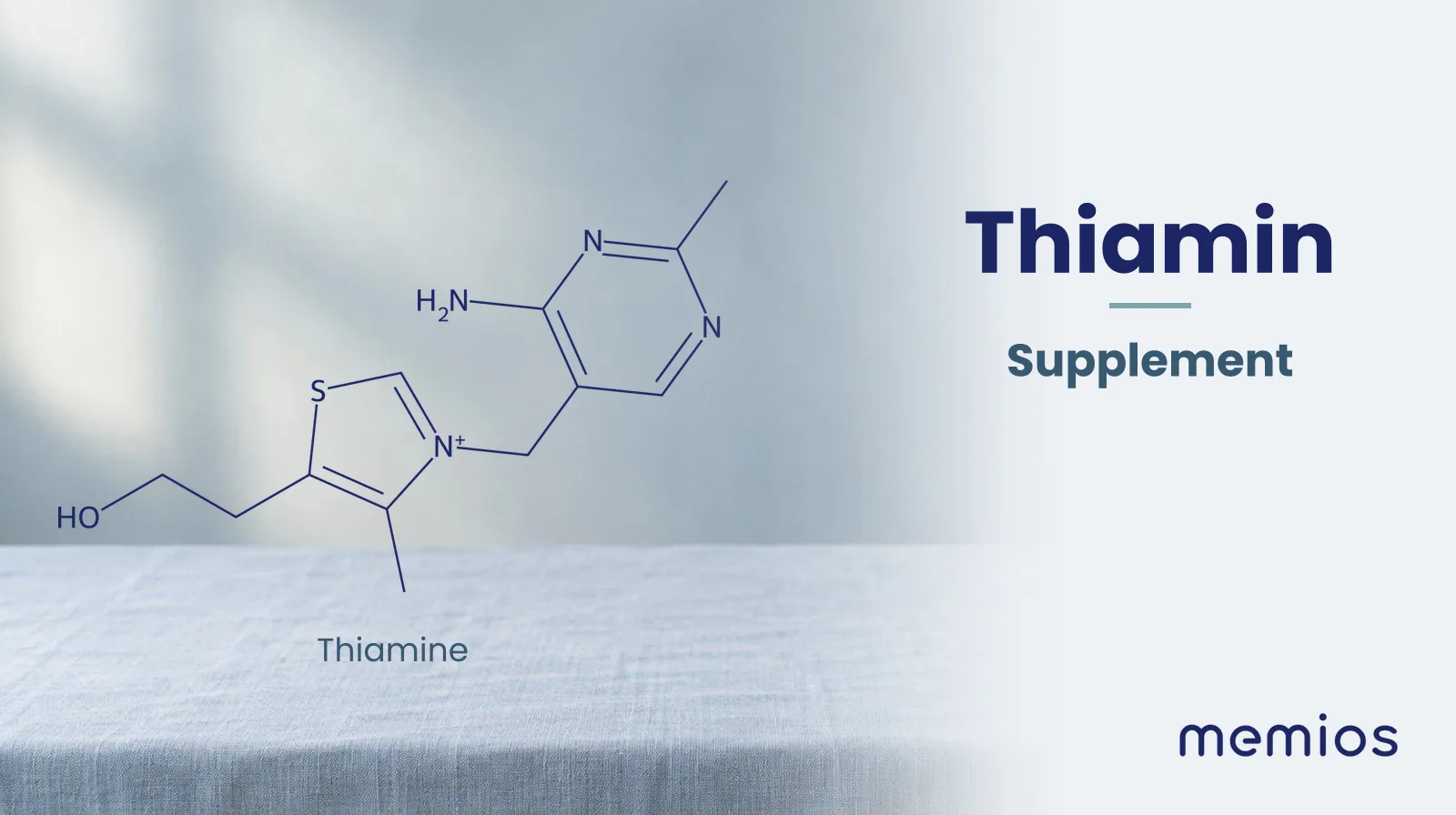 Supplements
Thiamin
Thiamin is essential, and deficiency causes beriberi and Wernicke-Korsakoff syndrome, especially in heavy drinkers and after bariatric surgery.
2026-09-29 · 8 min read
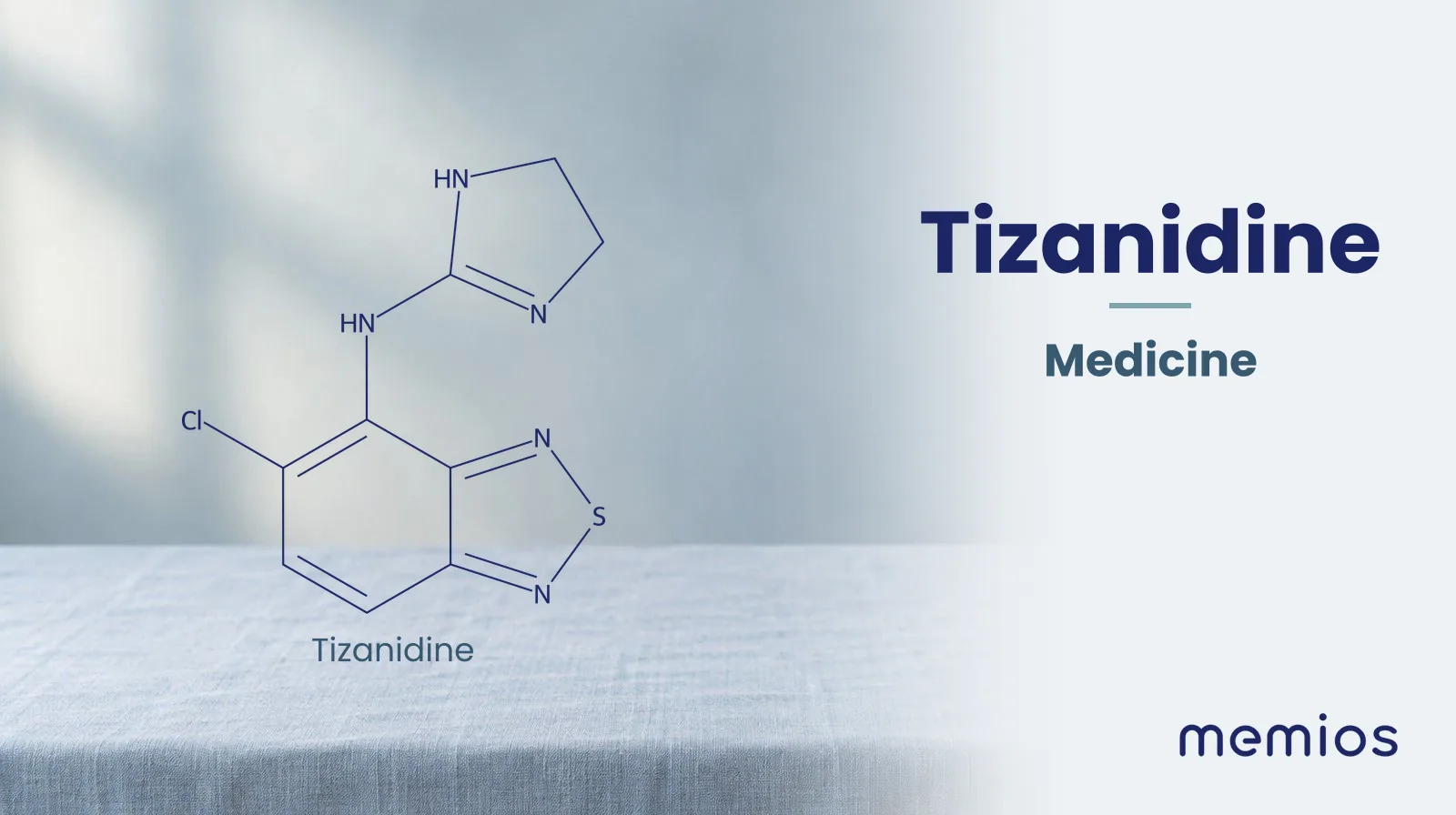 Medications
Tizanidine
Limited evidence. The evidence is thin for its size of use.
2026-09-29 · 18 min read
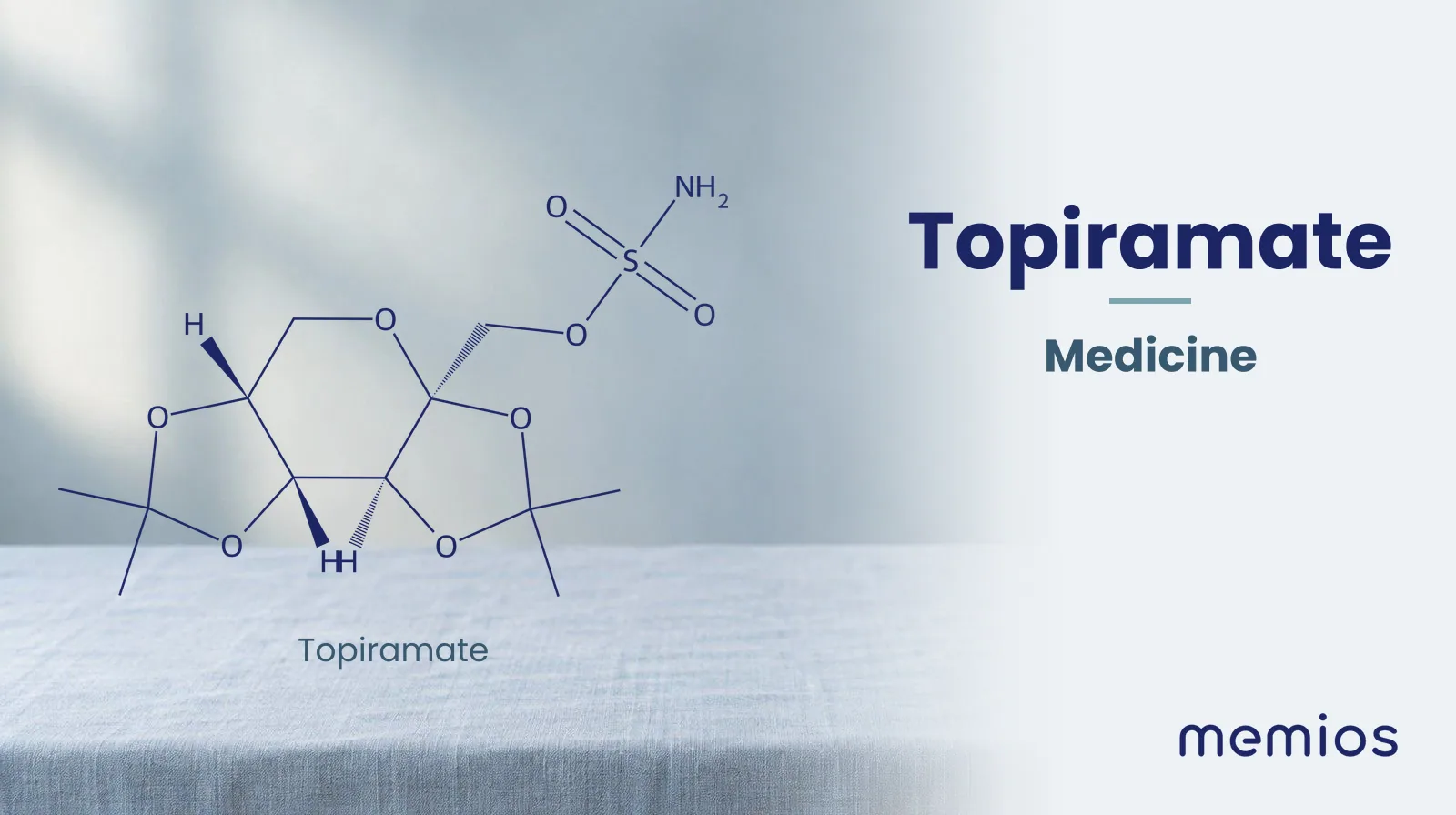 Medications
Topiramate
Well established. For the two uses it is licensed for, the randomised evidence is good.
2026-09-29 · 31 min read
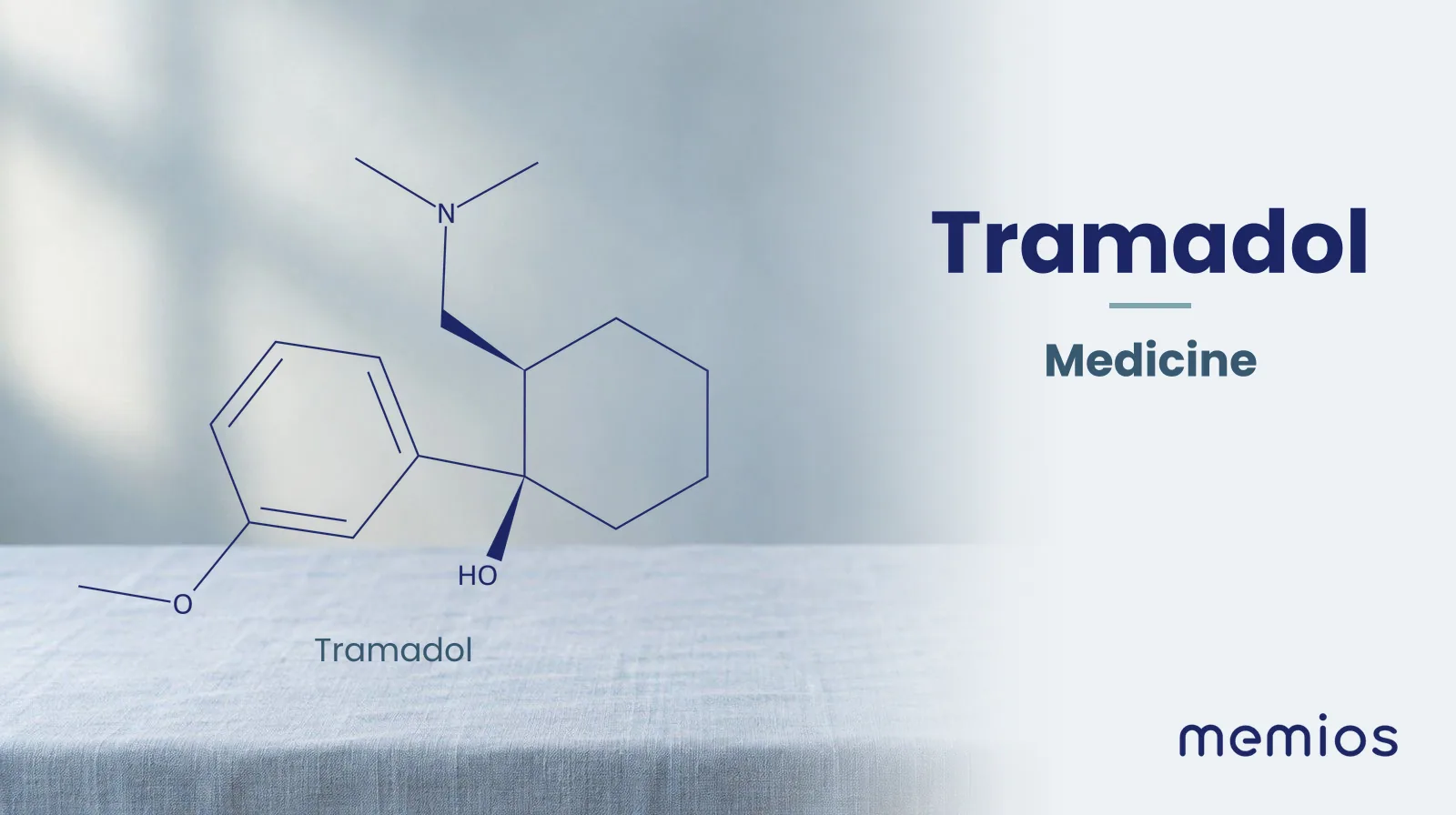 Medications
Tramadol
Tramadol is approved for pain, but the outcome evidence for chronic pain is weaker than its wide use suggests.
2026-09-29 · 24 min read
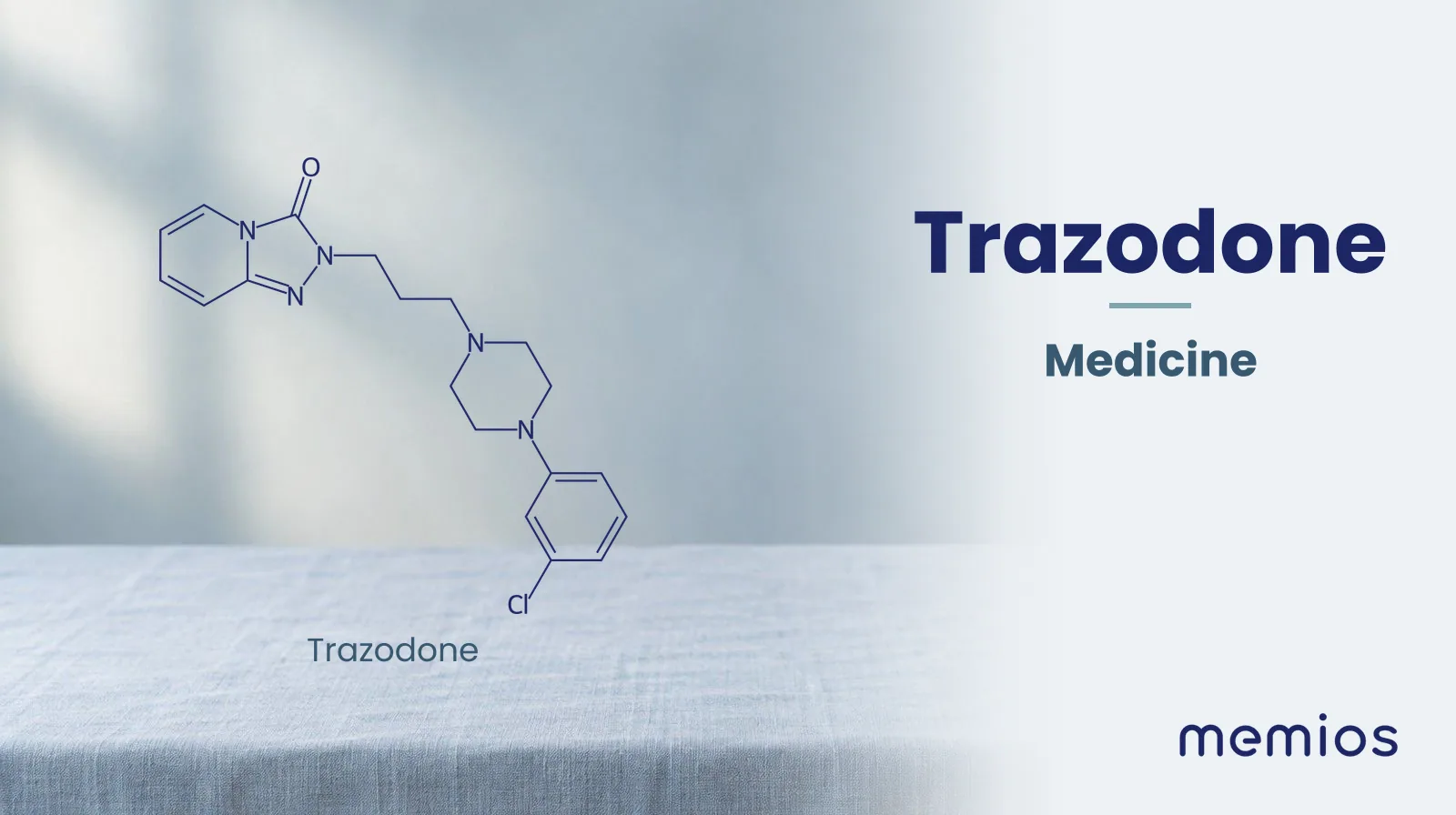 Medications
Trazodone
Limited evidence. Its effects depend on dose.
2026-09-29 · 11 min read
 Fasting
14:10 time-restricted eating
Limited evidence. Evidence is limited.
2026-09-29 · 9 min read
 Fasting
20:4 time-restricted eating
One 8-week randomised trial in adults with obesity found that 4-hour eating (3 to 7 p.m.) reduced weight by about 3%, insulin resistance and oxidative stress versus controls.
2026-09-29 · 10 min read
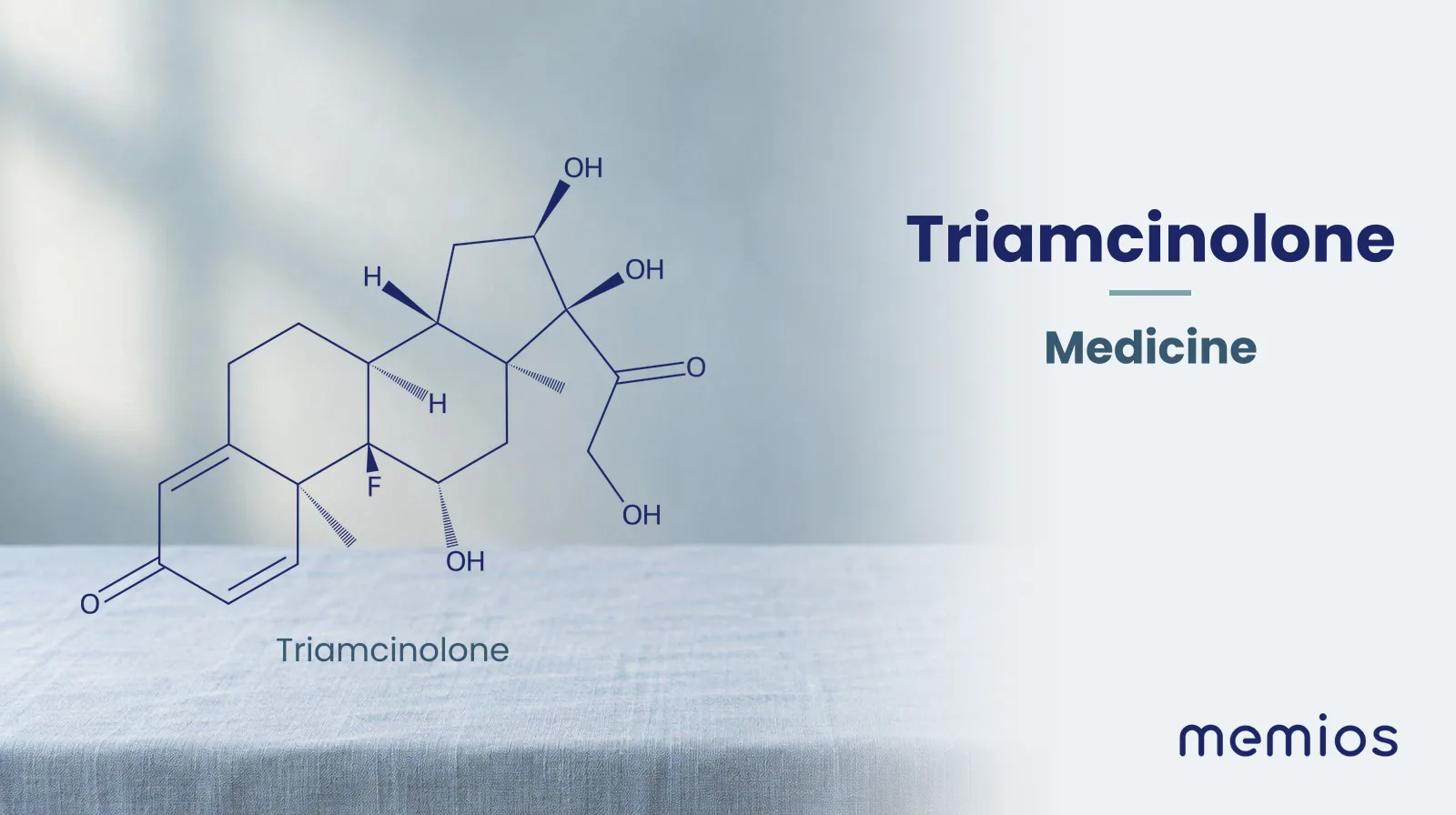 Medications
Triamcinolone
Disputed. The evidence differs sharply by route, so the routes have to be judged separately.
2026-09-29 · 16 min read
 Supplements
Tribulus terrestris
Disputed. Despite the marketing, the evidence for a testosterone effect is essentially absent.
2026-09-29 · 17 min read
 Supplements
Turmeric and curcumin
Disputed. The claim is that curcumin is anti-inflammatory and helps joints, mood and blood sugar.
2026-09-29 · 13 min read
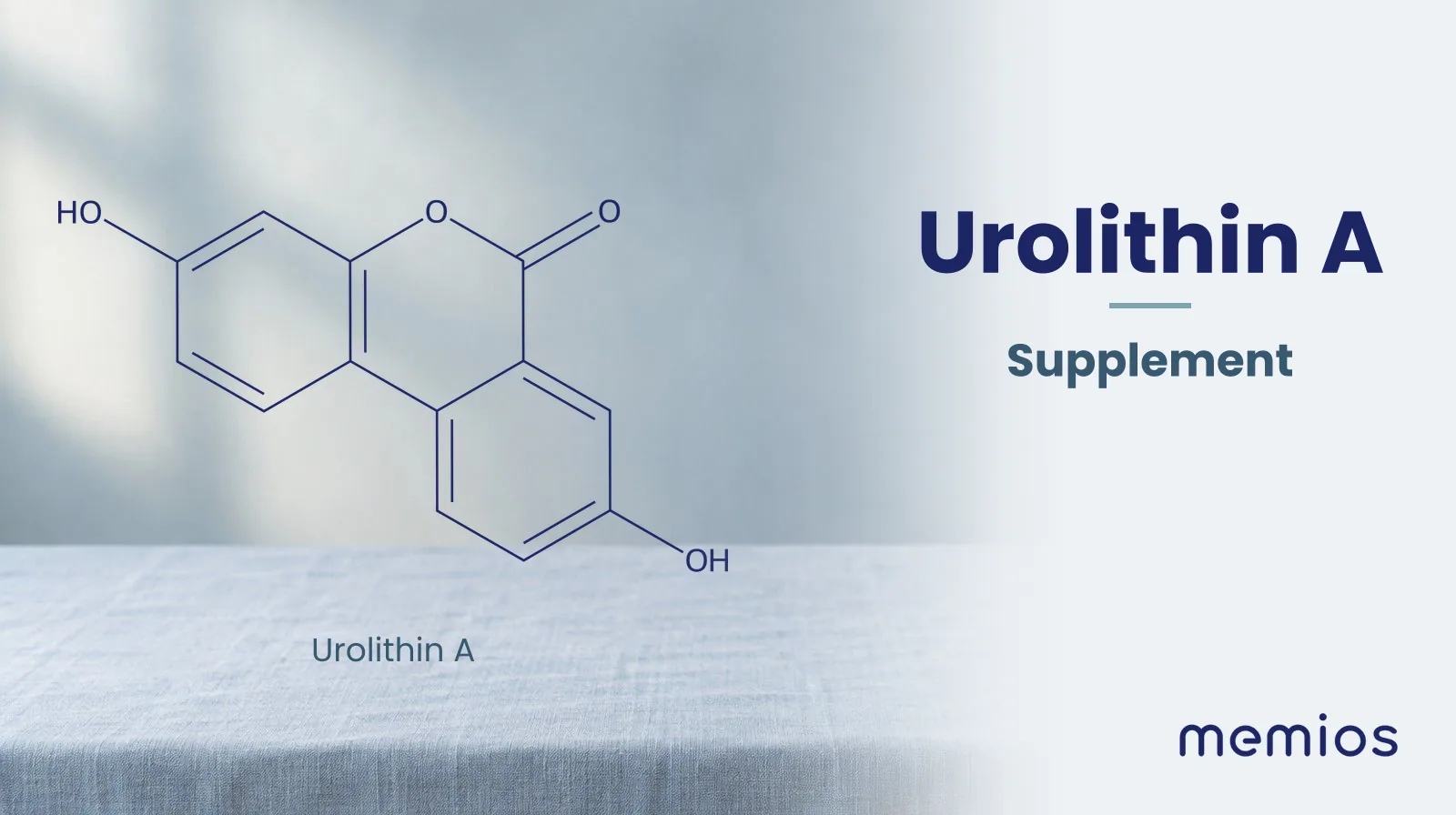 Supplements
Urolithin A
Limited evidence. The honest summary is that human evidence is thin and mostly inconclusive.
2026-09-29 · 15 min read
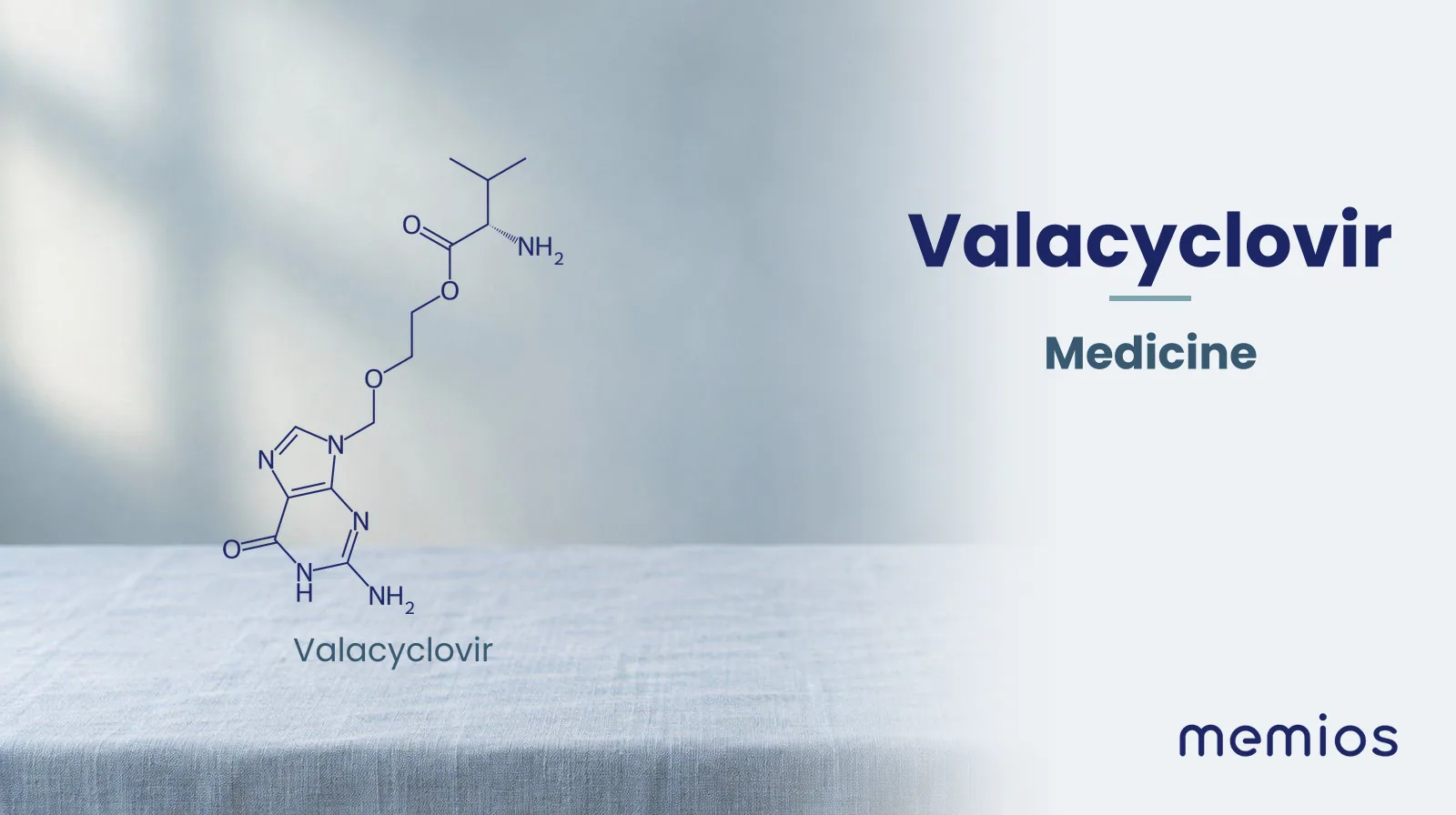 Medications
Valacyclovir
The state of the evidence is that valacyclovir shortens and reduces herpes outbreaks and, taken daily, lowers how often outbreaks happen and how often an infected partner passes genital herpes to someone else.
2026-09-29 · 14 min read
 Medications
Valsartan
The evidence is strongest for what valsartan does to numbers and to hospitalisations rather than to survival.
2026-09-29 · 18 min read
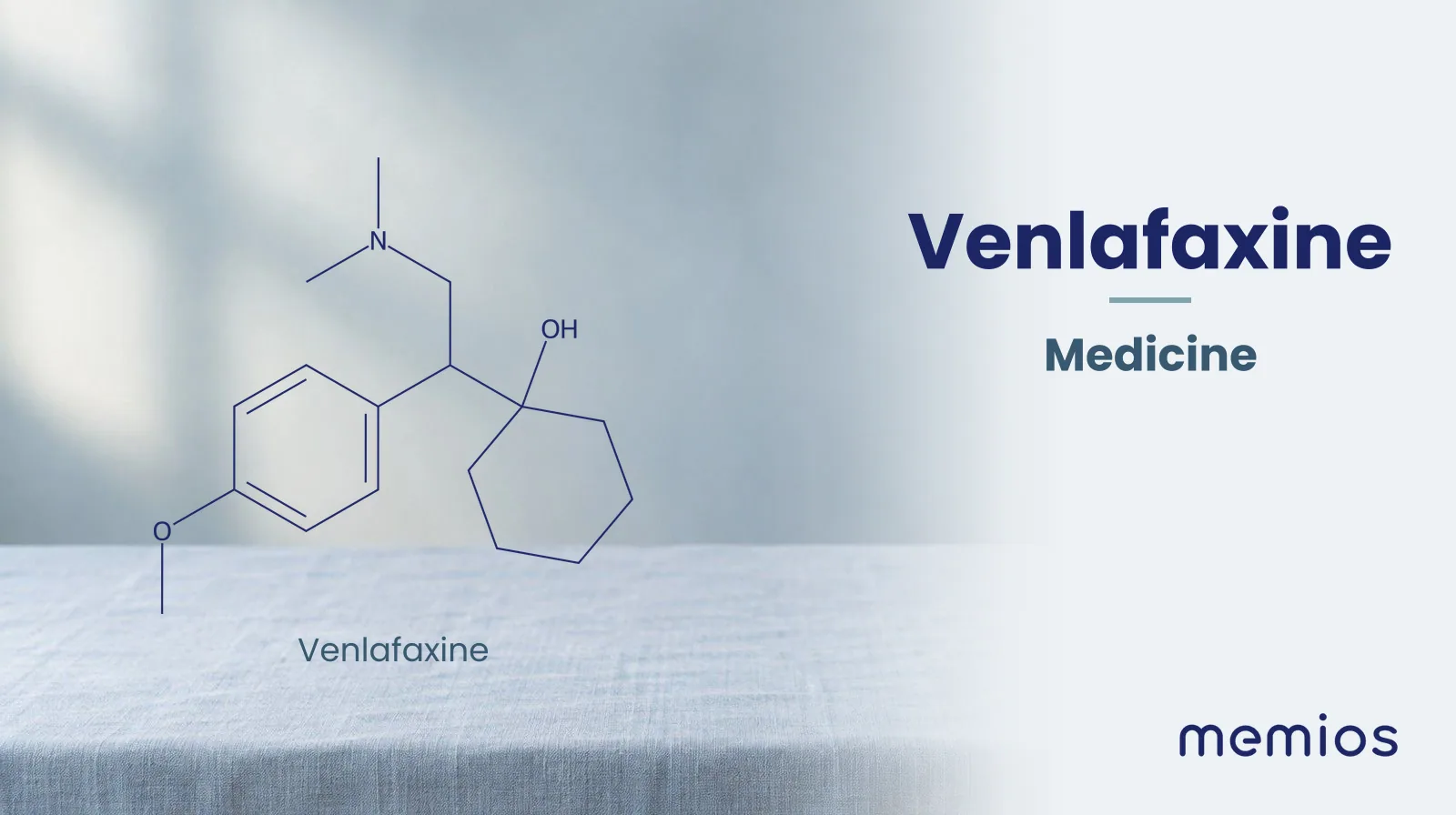 Medications
Venlafaxine
Well established. The strongest evidence is for major depressive disorder and generalised anxiety disorder.
2026-09-29 · 21 min read
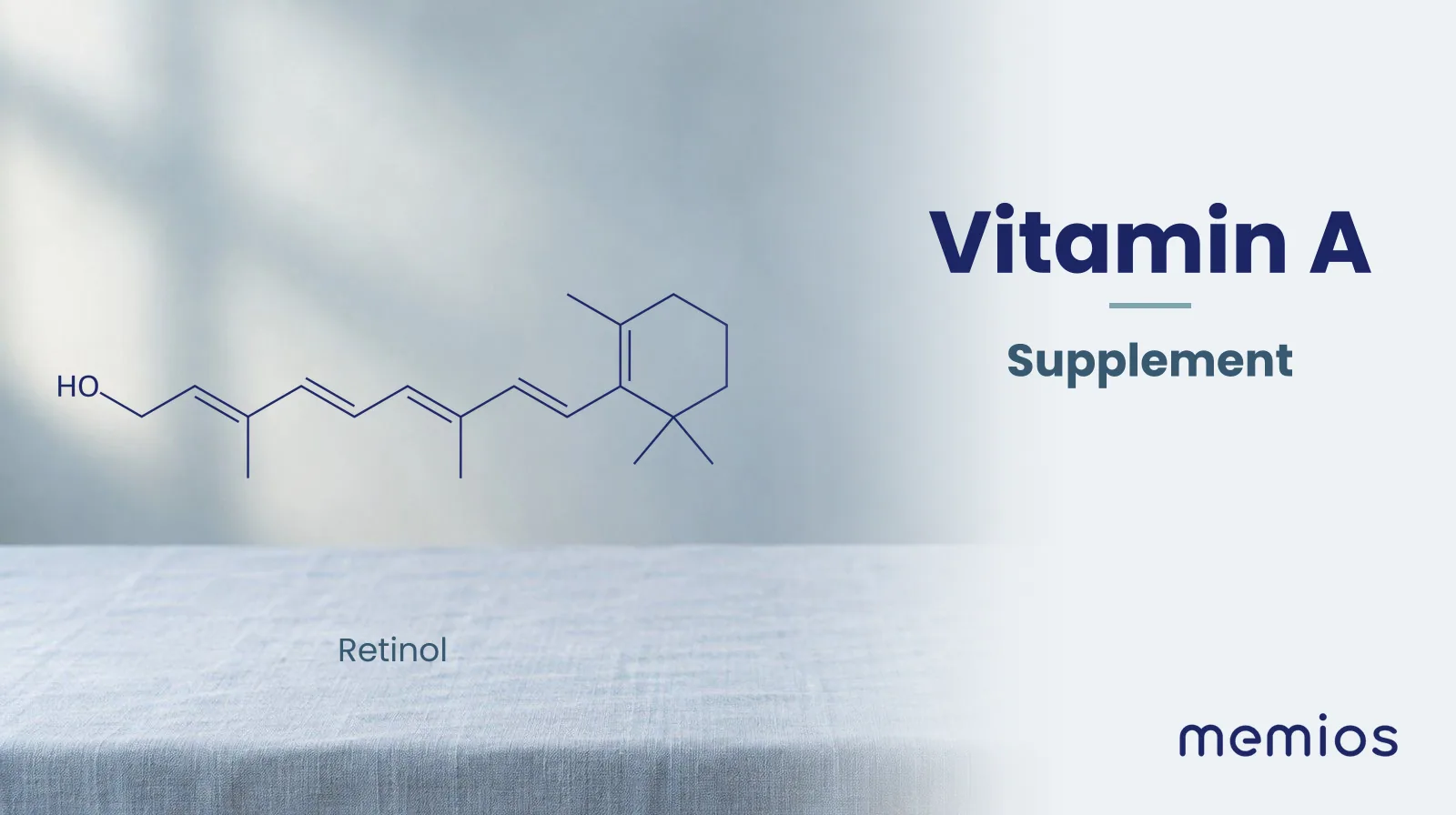 Supplements
Vitamin A
Vitamin A is needed for vision, immune function, growth and reproduction. In children at risk of deficiency, a meta-analysis of 43 trials found supplementation cut all-cause mortality by about 24%.
2026-09-29 · 9 min read
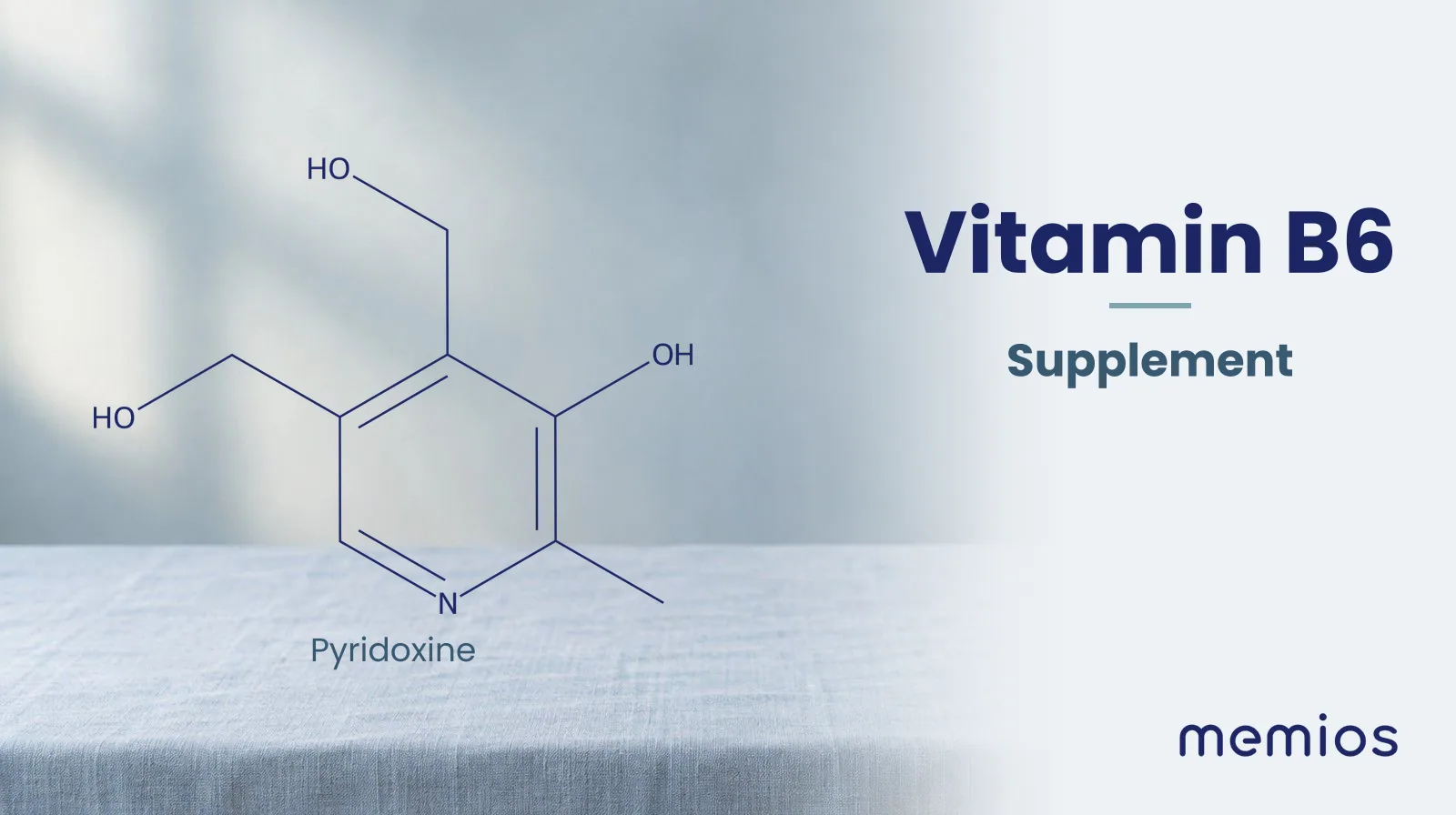 Supplements
Vitamin B6
B6 in its coenzyme forms takes part in more than 100 enzyme reactions, mostly in protein metabolism.
2026-09-29 · 10 min read
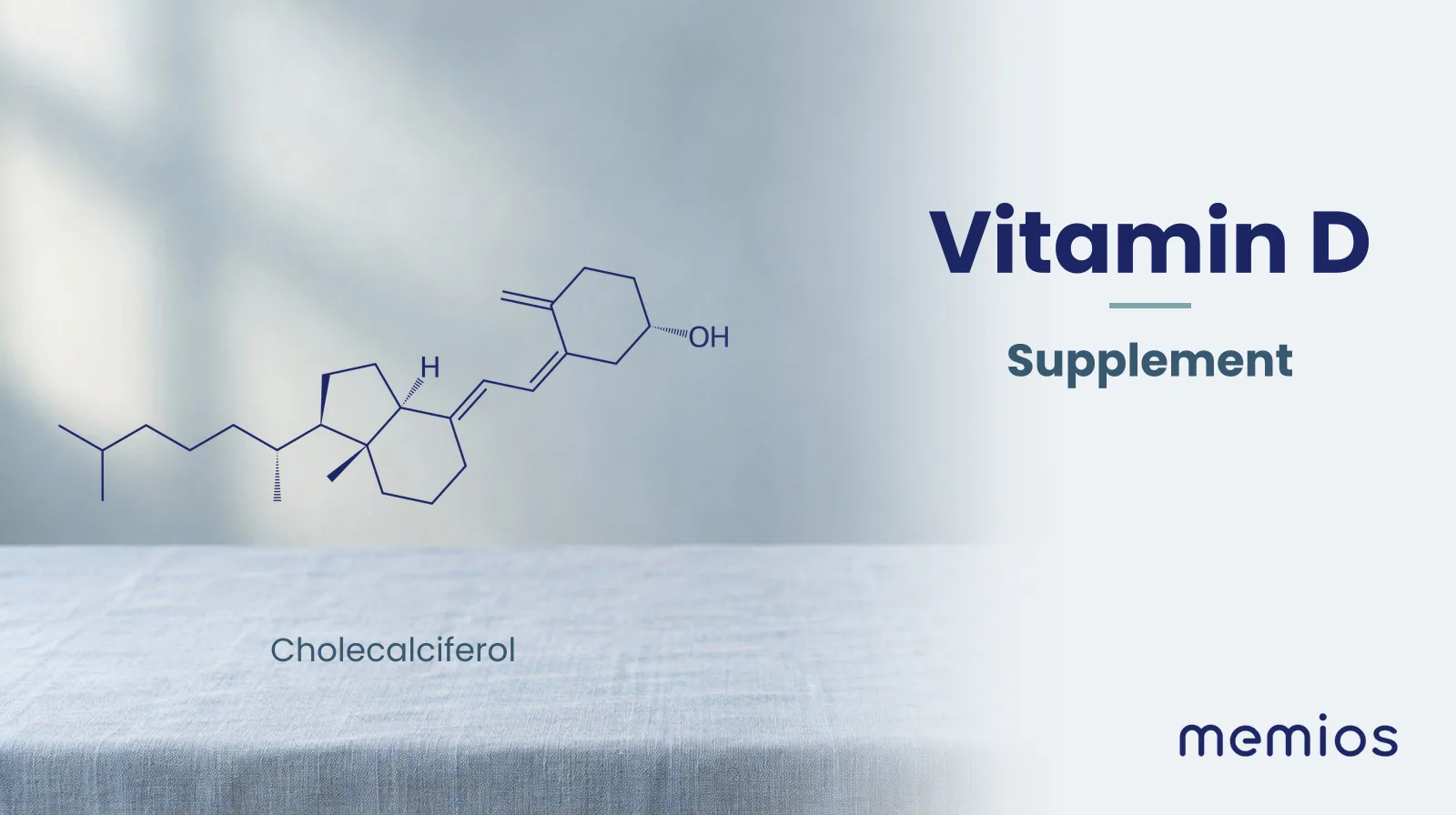 Supplements
Vitamin D
Disputed. The strongest human evidence is negative rather than positive.
2026-09-29 · 17 min read
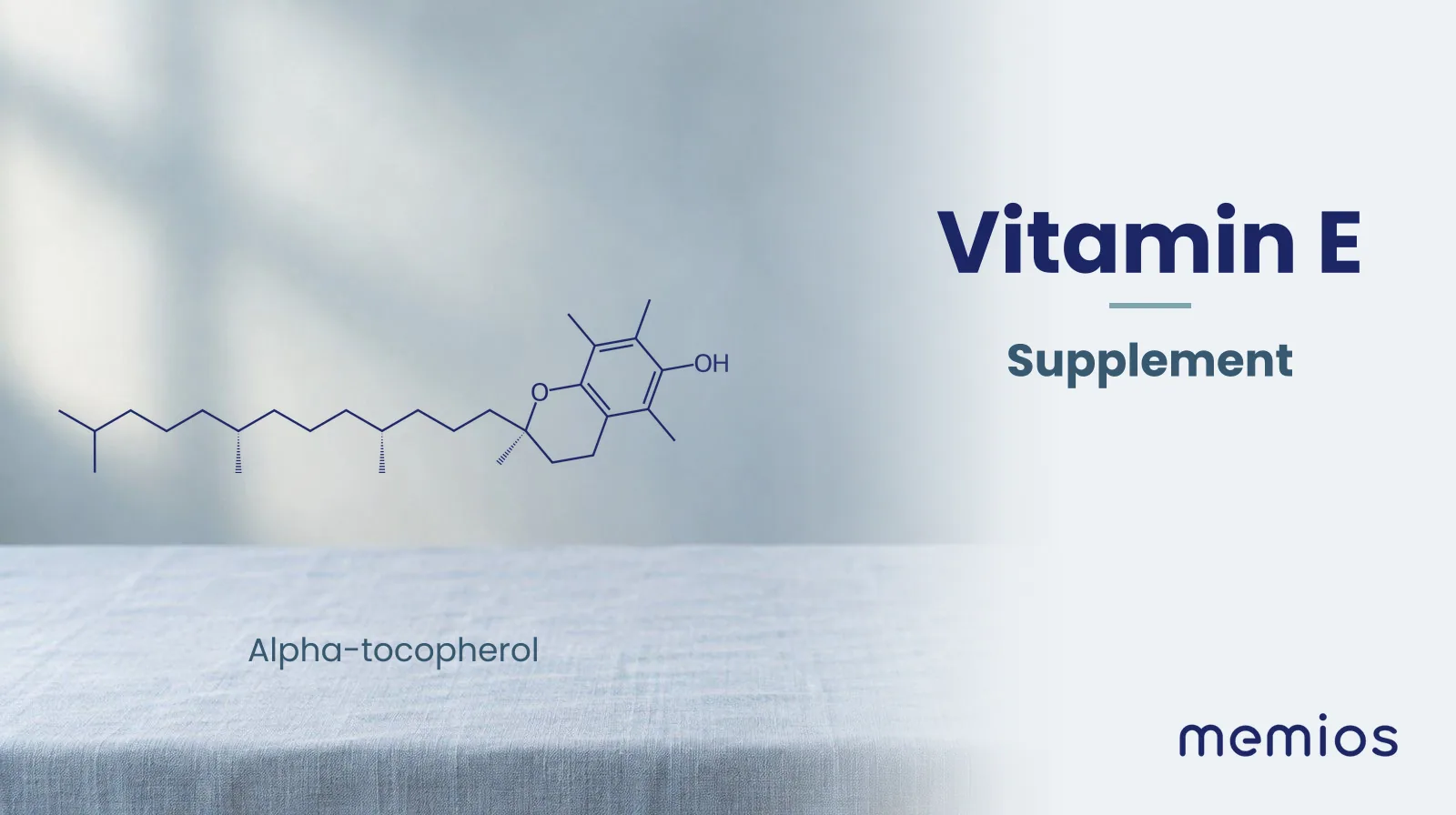 Supplements
Vitamin E
Large trials have mostly failed to show benefit from vitamin E supplements, and several found harm.
2026-09-29 · 12 min read
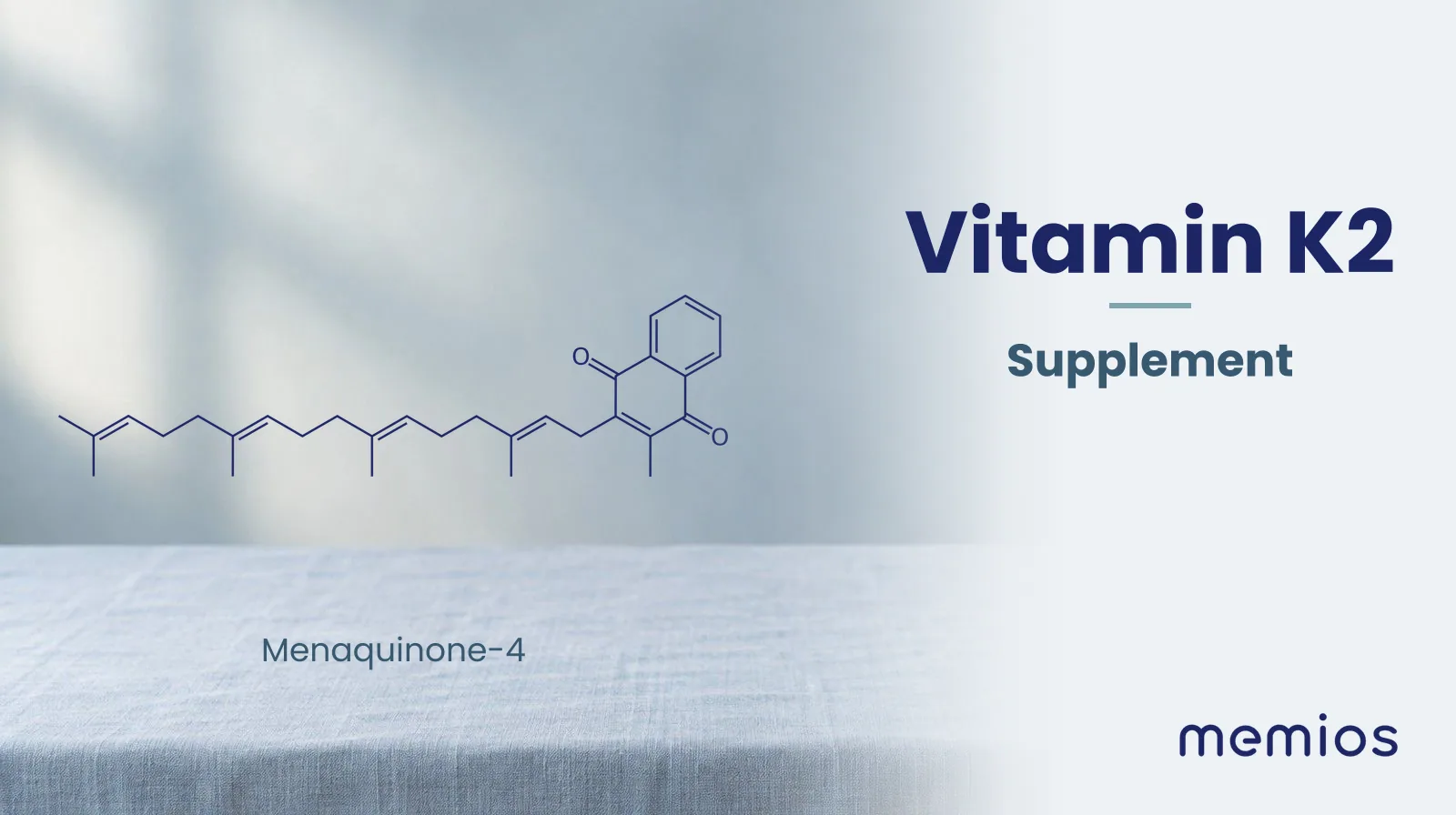 Supplements
Vitamin K2
The evidence is thin and much of the positive fracture data comes from Japanese trials of MK-4.
2026-09-29 · 12 min read
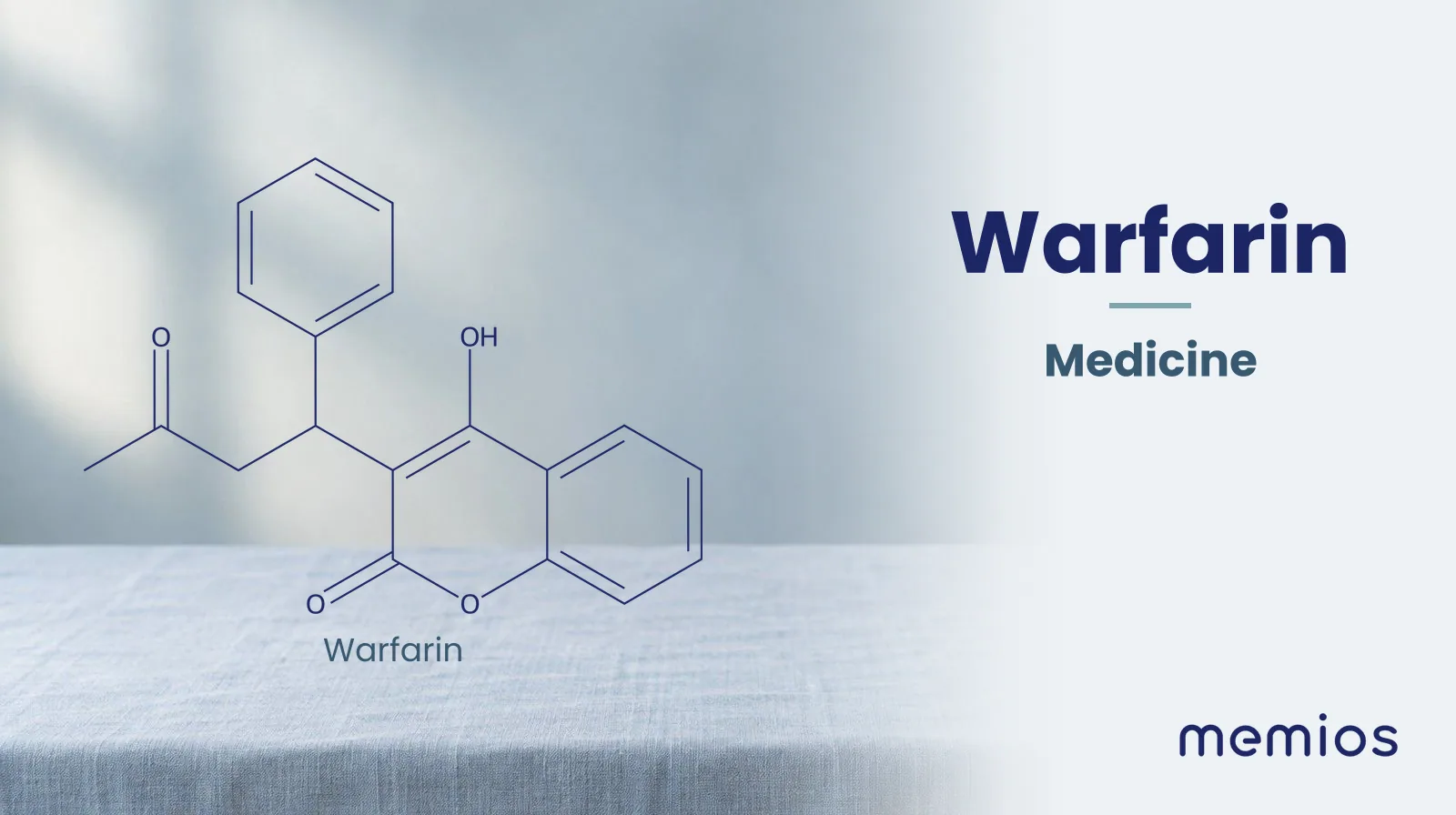 Medications
Warfarin
Warfarin blocks an enzyme the liver needs to activate vitamin K, which reduces the liver's production of several clotting factors and thins the blood over several days.
2026-09-29 · 15 min read
 Supplements
Wheatgrass and barley grass
Not supported by the research. Very little human trial evidence exists.
2026-09-29 · 8 min read
 Supplements
Whey protein
What the trials support is protein supplementation in general alongside resistance training, not whey specifically.
2026-09-29 · 14 min read
 Supplements
White mulberry leaf
The evidence that stands up best is short-term and about the meal, not the disease: a 2022 systematic review of randomised trials concluded that Morus alba can reduce post-prandial glucose and insulin.
2026-09-29 · 10 min read
 Supplements
White willow bark
For short-term low back pain the evidence is moderate: Cochrane concluded that standardised daily doses of 120 mg or 240 mg of salicin are probably better than placebo for pain and rescue medication use over a few weeks.
2026-09-29 · 16 min read
 Supplements
Streptococcus thermophilus and Lactobacillus delbrueckii subsp. bulgaricus
Well established. The best-supported effect is on lactose.
2026-09-29 · 7 min read
 Supplements
Yohimbe
Disputed. The evidence is contested rather than settled.
2026-09-29 · 12 min read
 Supplements
Zinc
Disputed. There are two separate stories here.
2026-09-29 · 23 min read
 Foundations
Healthspan vs Lifespan: What Longevity Really Means After 50
Living longer is not the goal. Living well for longer is. Here is the one gap that decides which one you get.
2026-08-03 · 11 min read
 Movement
Movement Is Medicine. Here Is the Proof, and Where to Start After 50
Not a slogan. One of the most studied ideas in health. And the first step is smaller than you think.
2026-07-31 · 7 min read
 Nutrition & Gut
Chili con memios: High-Protein Wagyu and Black Bean Chili
Chili con memios is a whole-food chili with black beans, mushrooms, peppers, and tomatoes, plus per-cup macros and key micronutrients, and a label comparison against top canned chili brands.
2026-01-28 · 21 min read
 Purpose & Spirit
The Power of Spiritual Growth
How embracing spiritual growth and faith-based learning can redefine your later years and fuel wellness into your 90s
2025-11-05 · 14 min read
 Nutrition & Gut
Top Supplements for Energy, Longevity & Wellness After 50
The Essential Daily Stack for Staying Strong, Sharp, and Healthy Beyond Midlife
2025-08-12 · 14 min read
 Nutrition & Gut
Top 10 Superfoods for Energy and Longevity After 50
Feel Better. Live Longer. Eat Smarter.
2025-08-09 · 2 min read
 Purpose & Spirit
The Power of Spiritual Growth: Faith-Based Learning for Total Life Optimization
How strengthening your spiritual health improves mental wellness, emotional intelligence, and physical well-being
2025-07-18 · 2 min read
 Purpose & Spirit
How to be a better partner
Becoming a Better Partner: A Biblical Perspective
2025-07-17 · 3 min read